
DroMoMatKliKult
Use of drone technology for the detection and monitoring of material damage to industrial heritage caused by climate change-related environmental influences
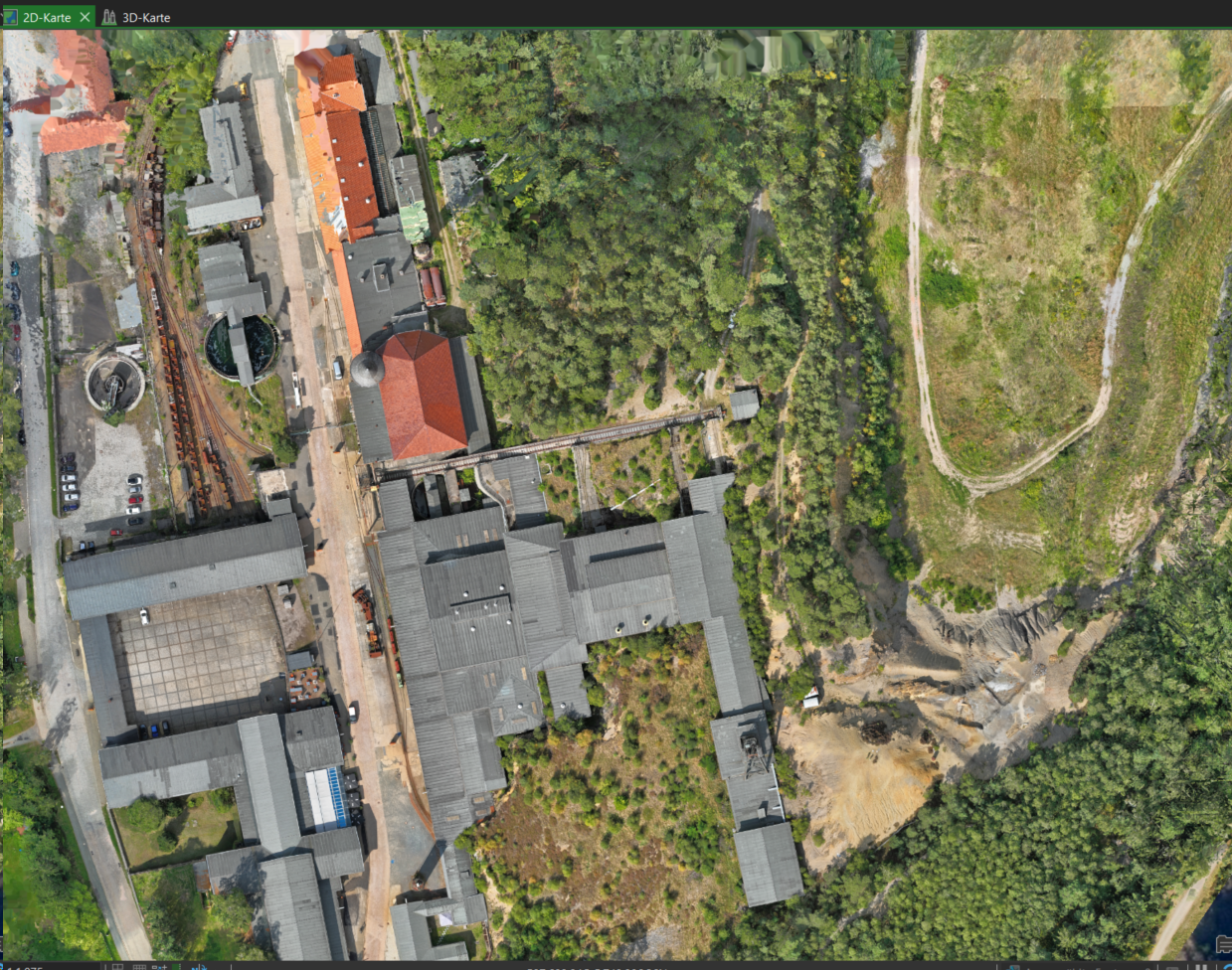
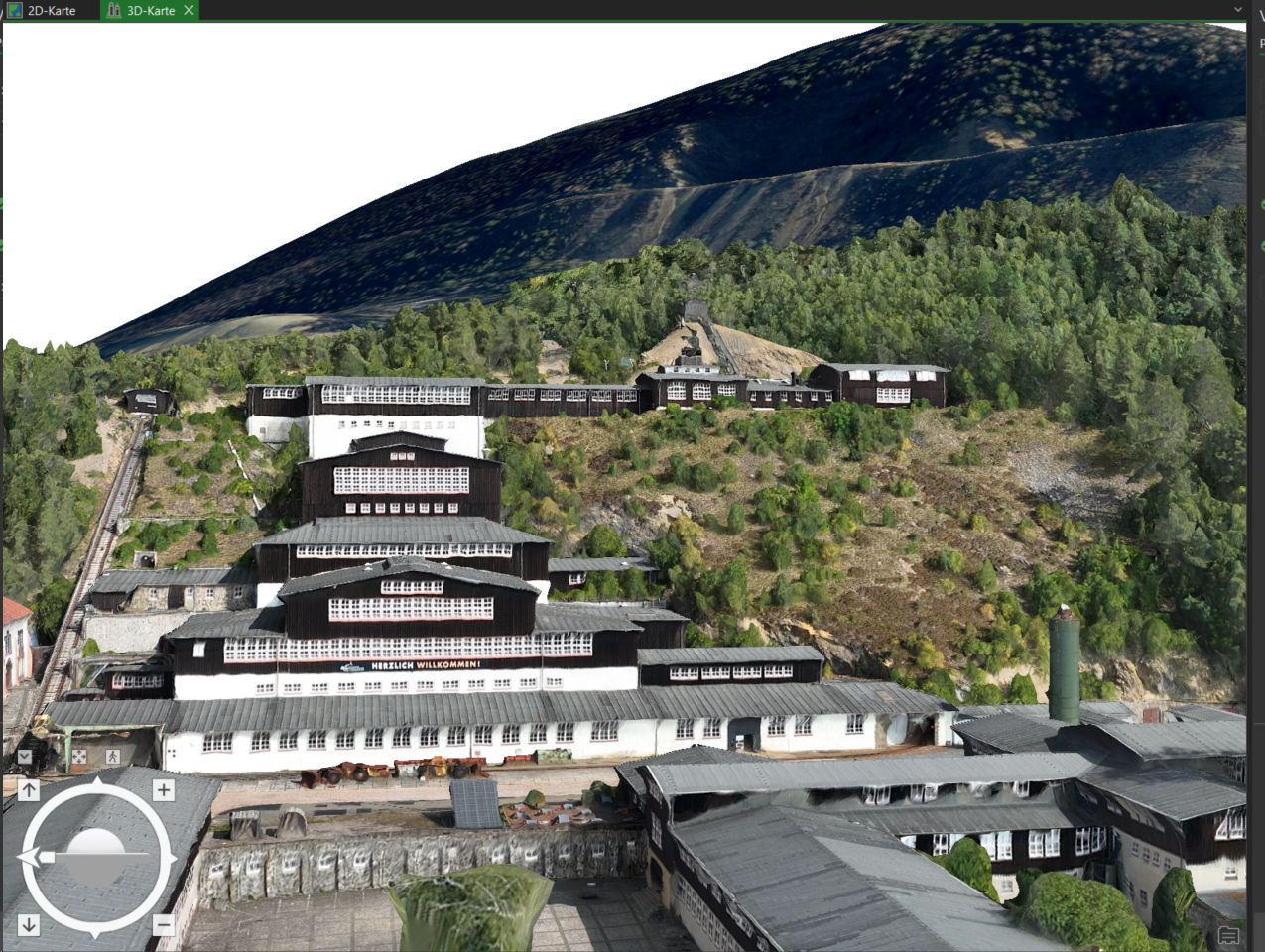
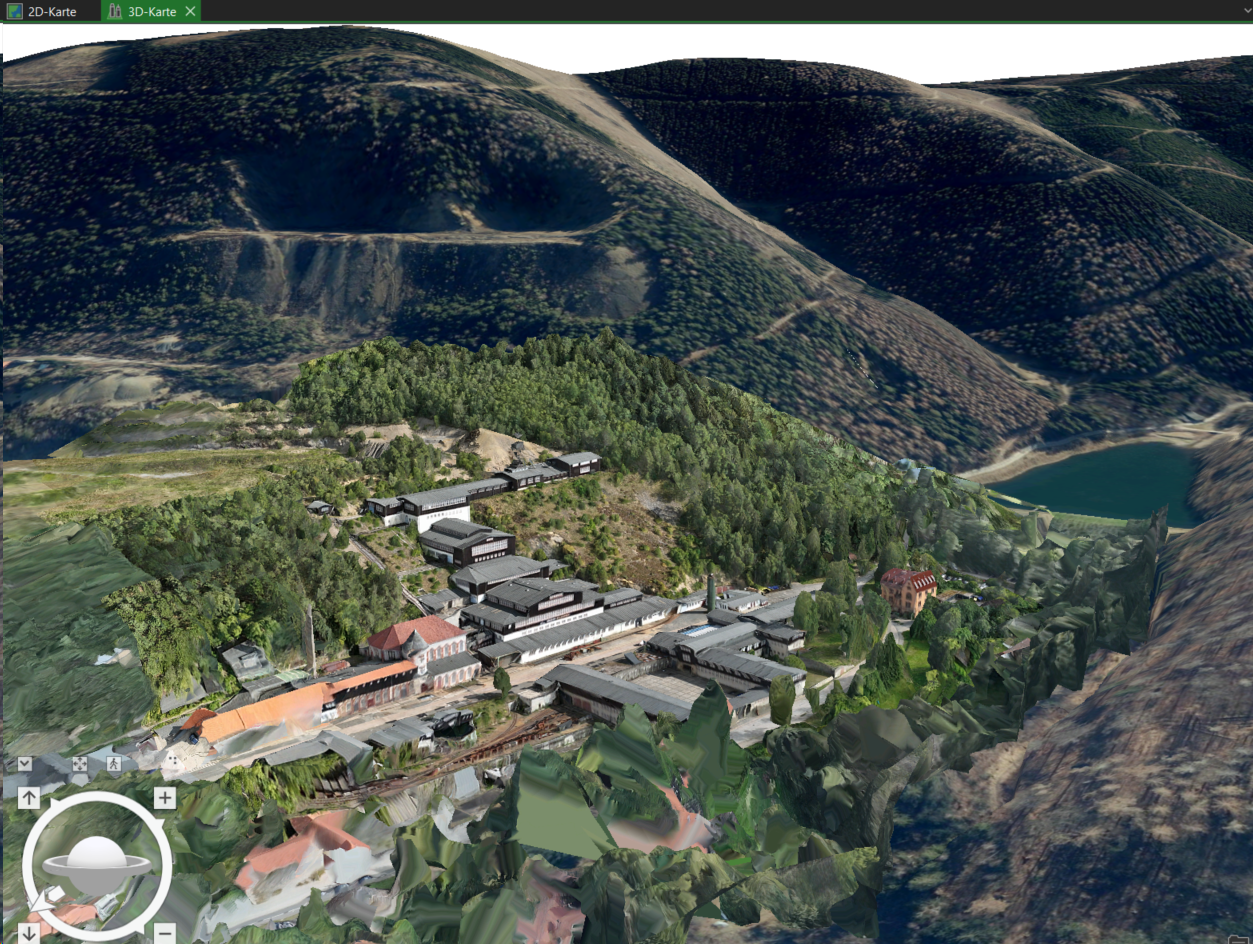
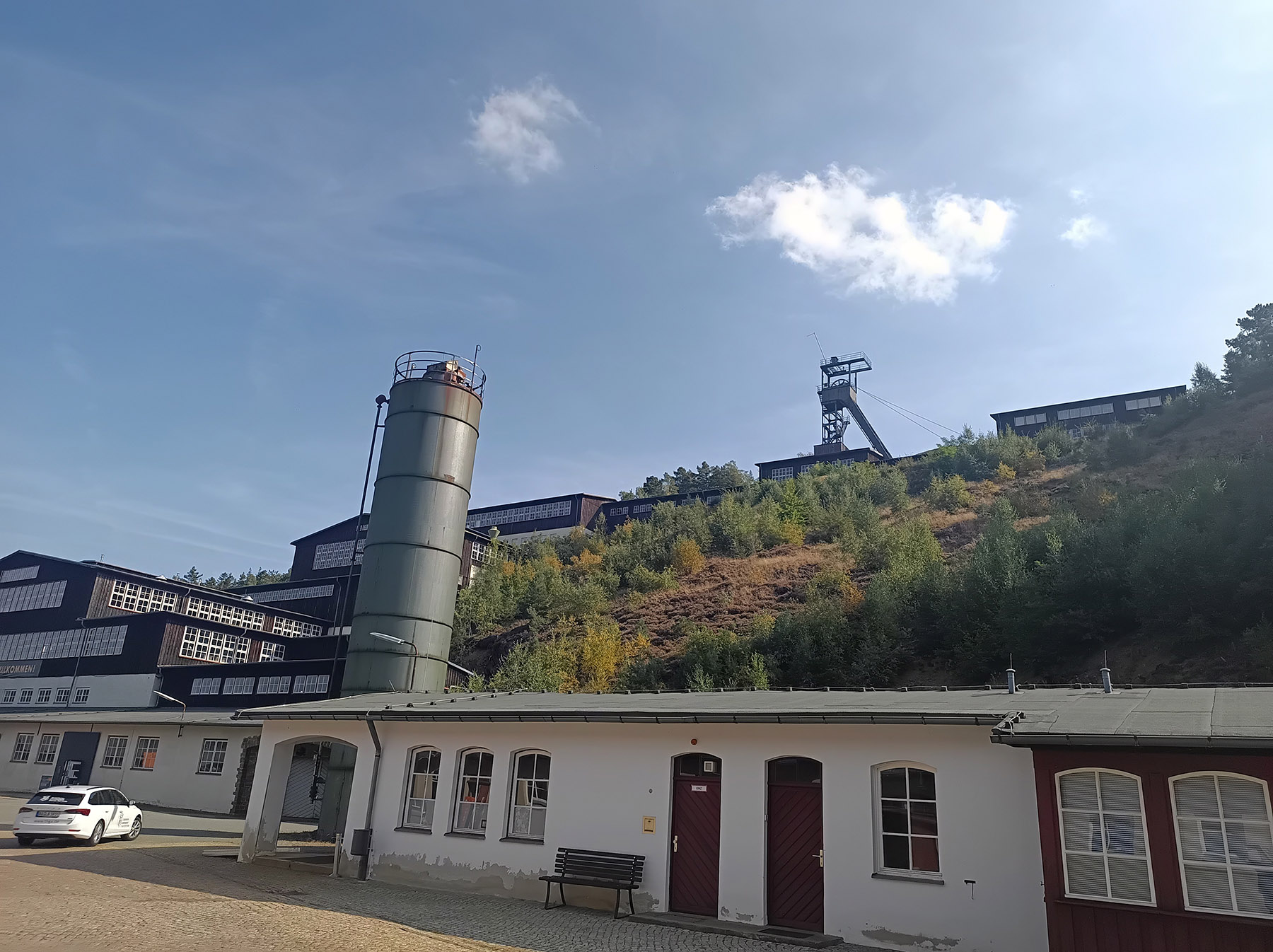
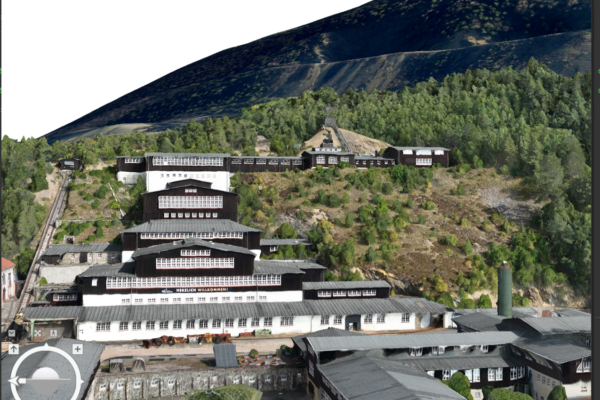
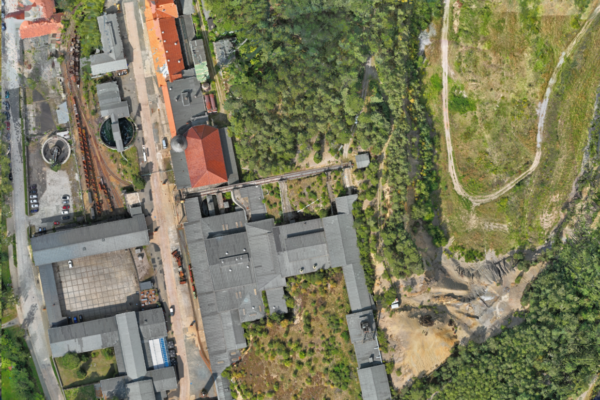
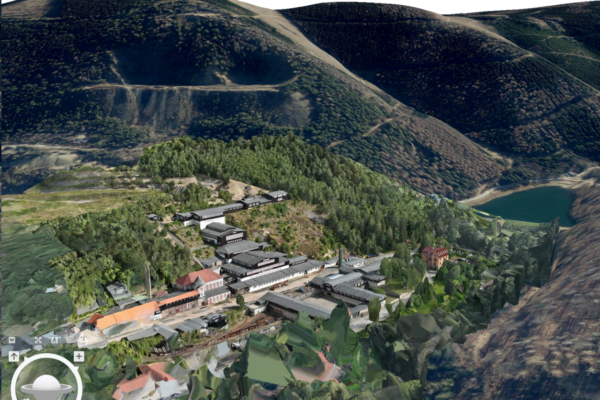
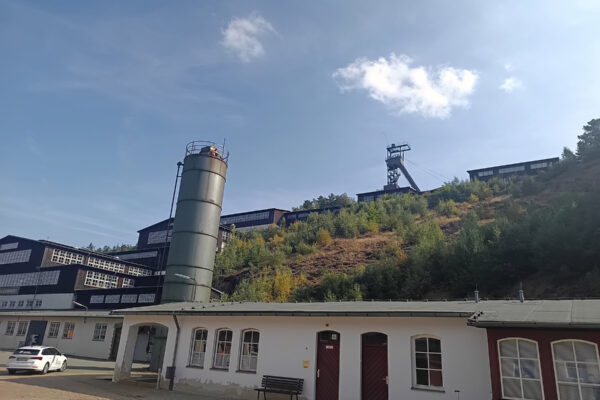
The project focuses on a semi-autonomous, software-supported damage monitoring system for technical cultural monuments. By way of example, it is being developed for the listed headframe at the Rammelsberg World Heritage Site in the Harz region. Due to anthropogenically accelerated climate change, monuments of industrial heritage are exposed to significantly greater stresses. Long periods of drought and heat cause steel structures to heat up more intensely than before. Heavy rainfall events then cool the structure abruptly, often combined with high wind loads.
© FZN
Project objectives
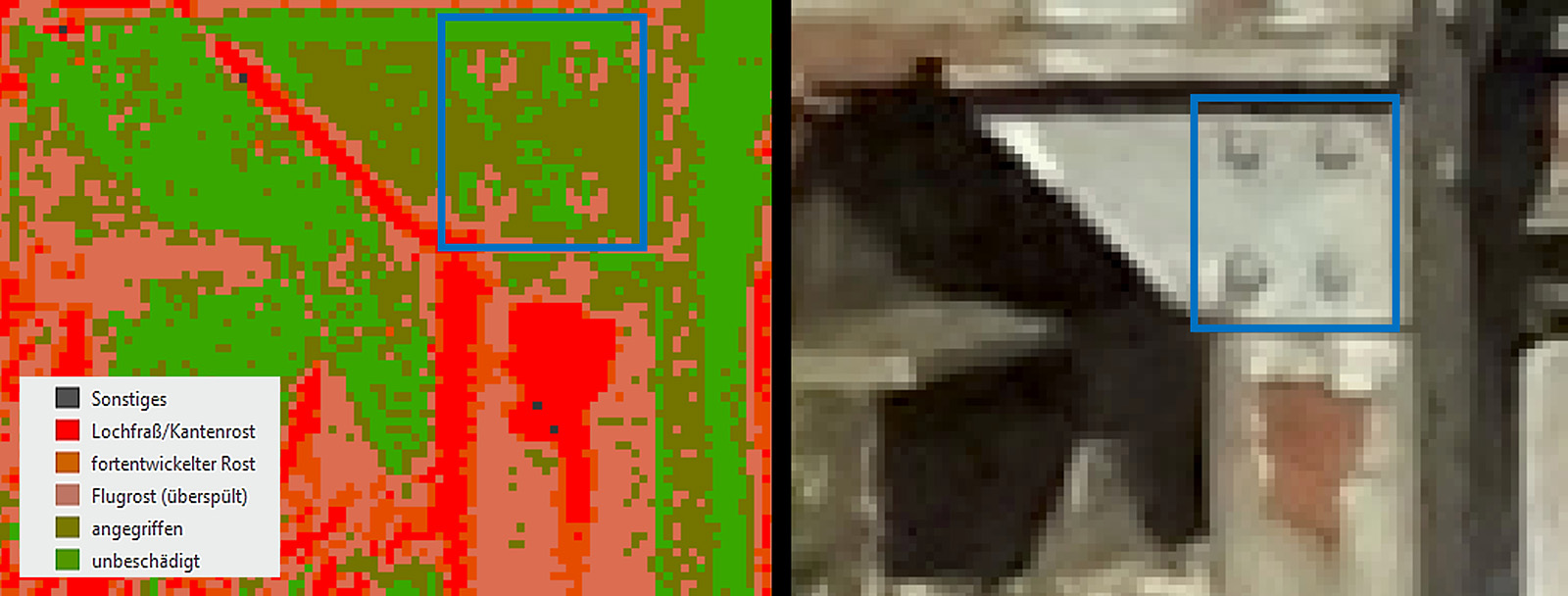
Conventional monitoring methods (e.g. using an aerial work platform or industrial climbers) are labor-intensive, costly, and require specialized personnel. The system planned in the project automates and integrates all steps of the monitoring process – from flight planning and drone-based data acquisition through the integration of RGB, thermal, and multispectral sensors, to AI-supported damage analysis, photogrammetric localization, and finally visualization and archiving – within a single platform. This enables low-threshold, reproducible, and efficient condition assessment, even for users without technical expertise, such as restorers, historians, or heritage conservation staff.
Methodology
Building on findings from the feasibility study "Material | Umwelteinflüsse | Modellbildung auf und von Objekten der Industriekultur im Ruhrgebiet" (MUM | InduKult Ruhr) and on previous work, DroMoMatKliKult seeks to automate these steps. To this end, the FZN team is taking on the challenge of implementing automated flight planning within the complex structural geometry of headframes, enabling data acquisition even by non-expert drone operators. Data analysis is to be carried out using AI-based approaches so that those responsible for industrial heritage (historians, conservators, archaeologists, etc.) are also placed in a position to perform damage detection in a more or less automated manner.
Project duration
01.04.2026 – 31.03.2028
Project funding
Kooperationspartner
More information:
- Website of the predecessor project “MuM|InduKult Ruhr”
- Final report “MUM | InduKult” Monitoring │ Environmental Influences │ Modeling on and of Objects of Industrial Heritage in the Ruhr Region (PDF, German)
- The Rammelsberg Shaft Headframe: Cultural-Historical Significance and Approaches to Monitoring for Structural Maintenance in the UNESCO World Heritage Site in the Harz Mountains (German article)
- Possibilities for Assessing Steel Structures of Industrial Heritage Monuments – Results of the Feasibility Study MUM | InduKult (German article)
Contact

Dr. rer. nat. Bodo Bernsdorf
Technische Hochschule Georg Agricola University
Herner Street 45
44787 Bochum
Building 2, Room 102
Phone 0234 968 4210
Mail bodo.bernsdorf@thga.de

Dr. des. Julia Haske
Technische Hochschule Georg Agricola University
Herner Street 45
44787 Bochum
Building 2, room 103
Phone 0234 968 4147
Mail julia.haske@thga.de

Jan-Hendrik Sonnhoff, M.Sc.
Technische Hochschule Georg Agricola University
Herner Street 45
44787 Bochum
Building 2, Room 008
Phone 0234 968 4147
Mail jan-hendrik.sonnhoff@thga.de