Current state of measurement methods for implementing the EU Methane Regulation in upstream operations, transportation, and storage
Speicherung
Identification and evaluation of existing methane measurement methods for the oil and gas industry
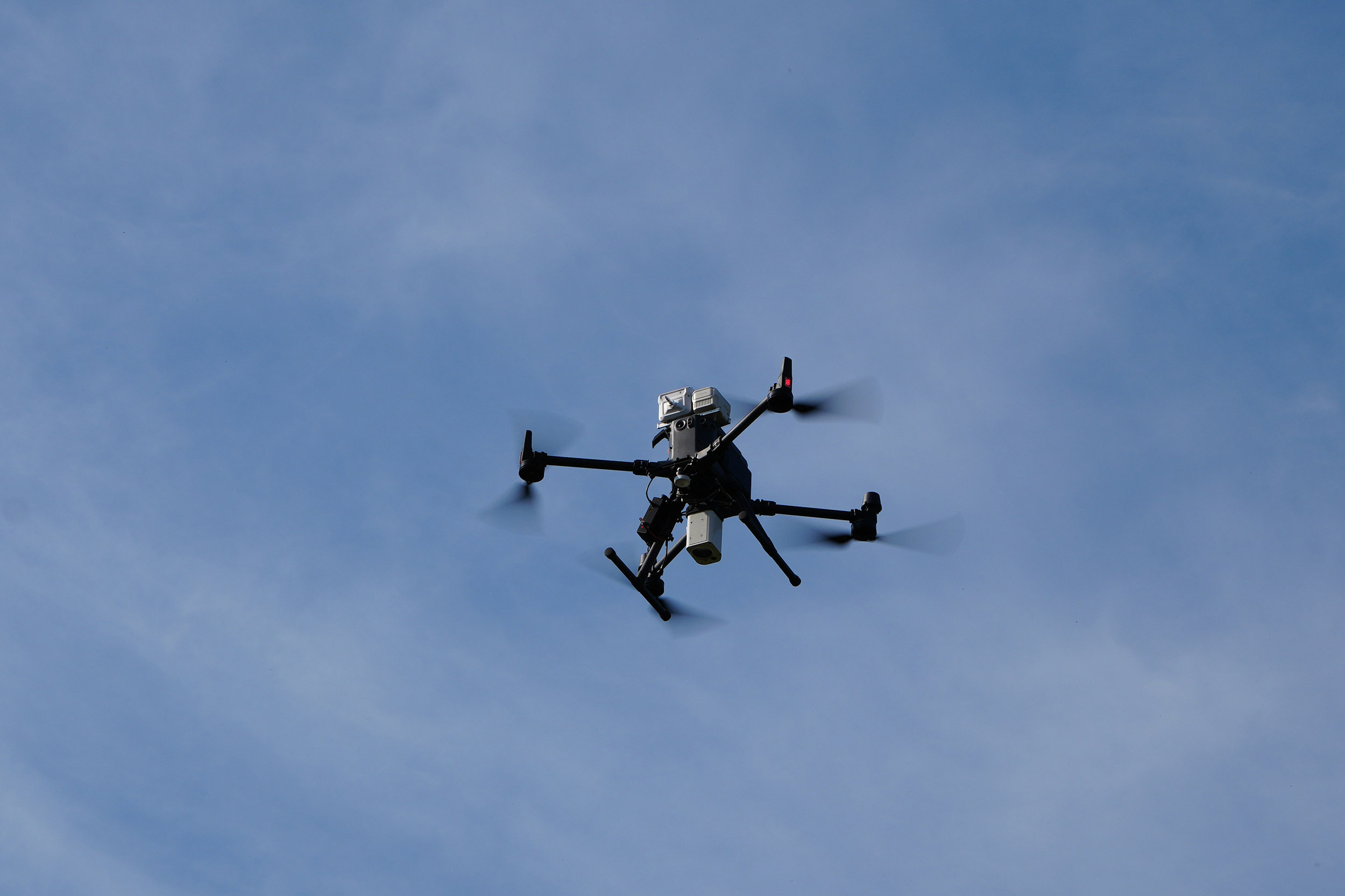
Photo: FZN
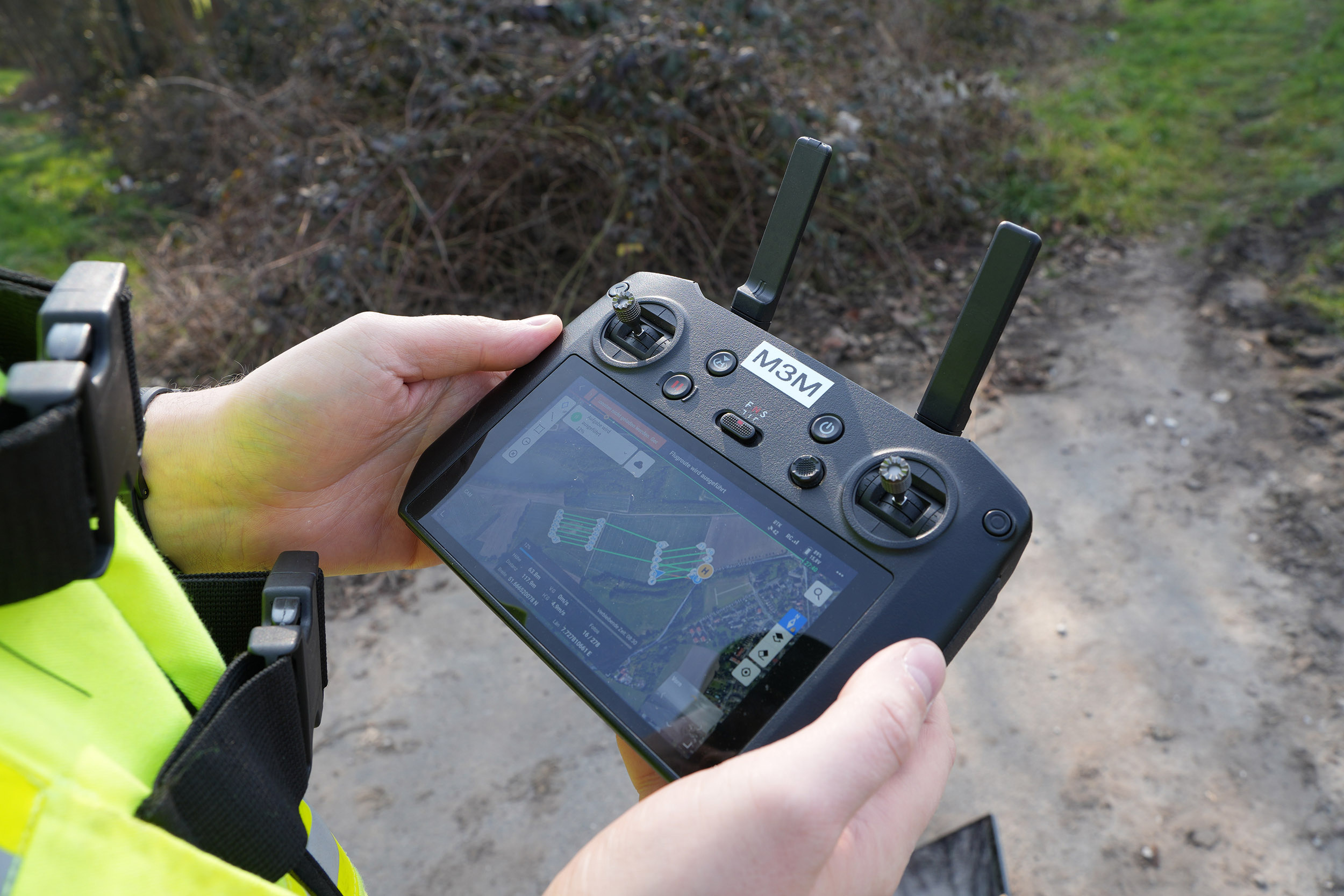
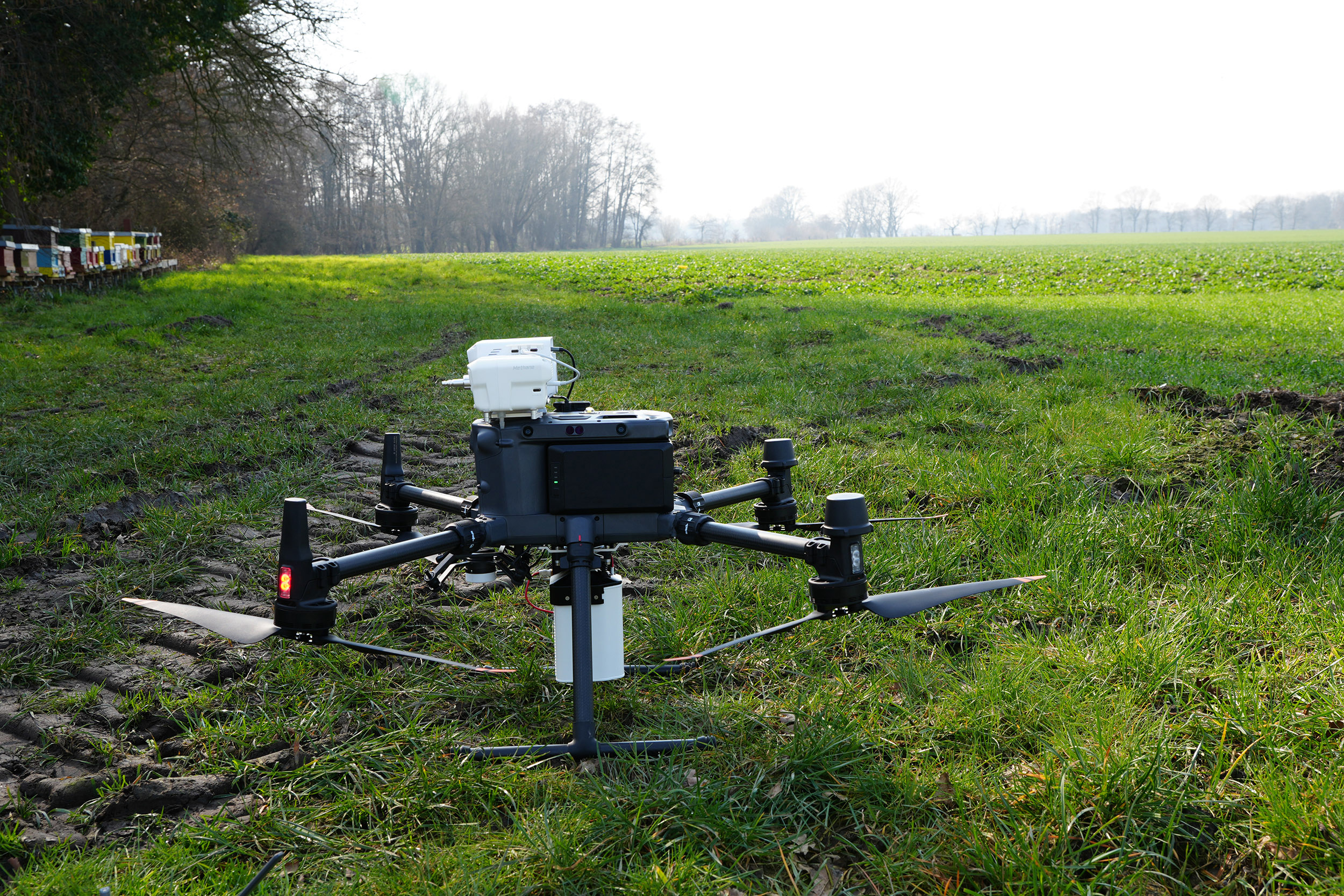
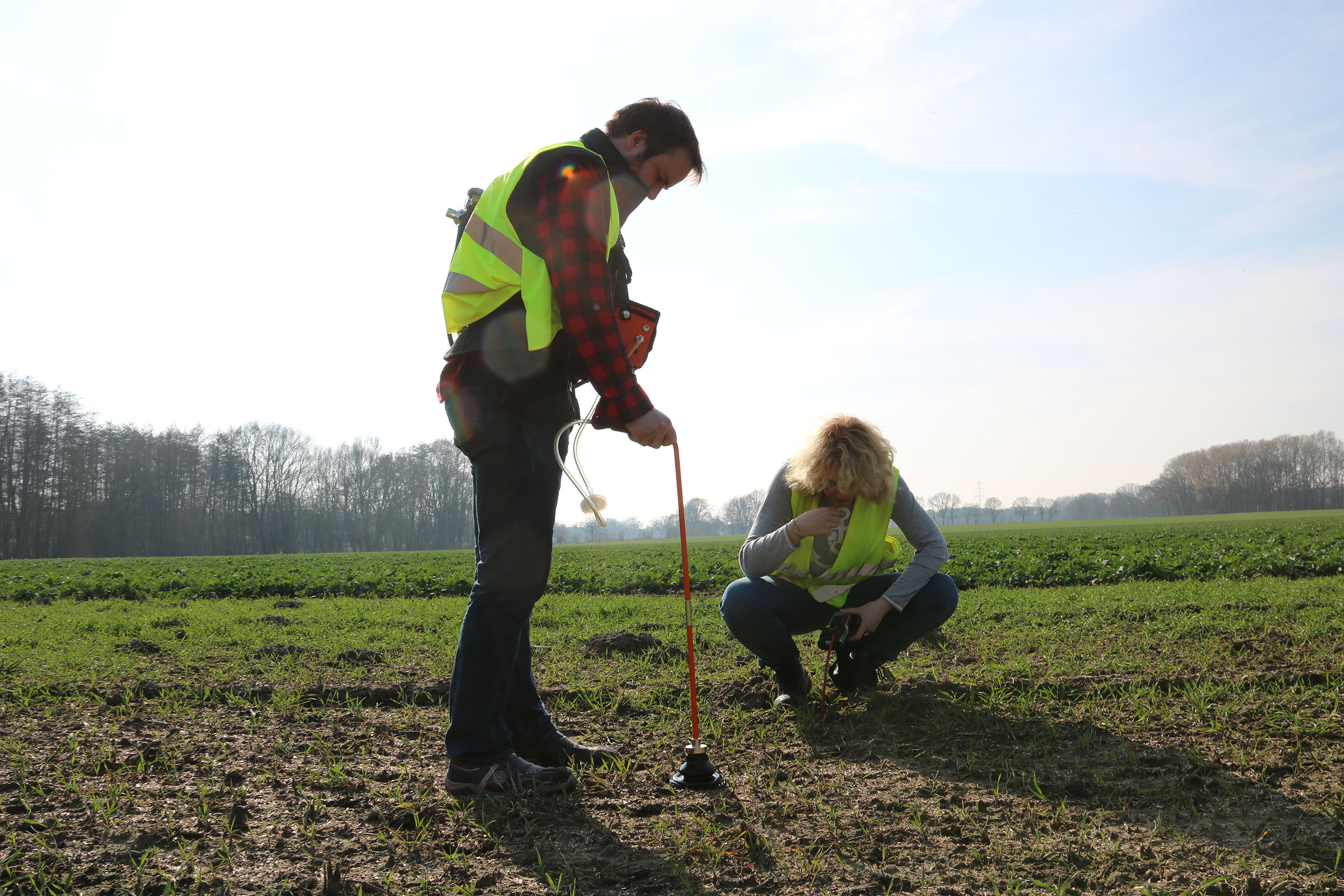
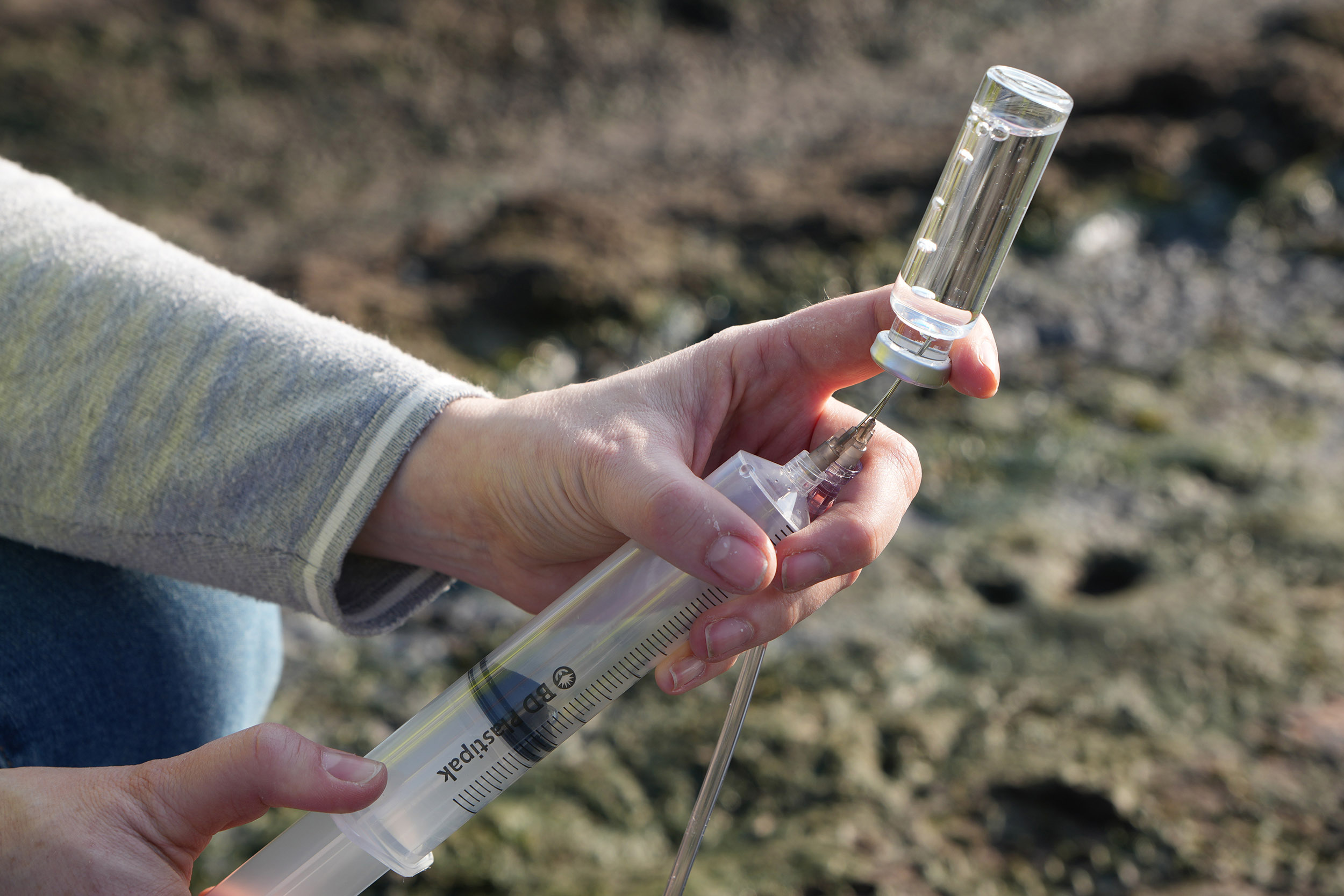
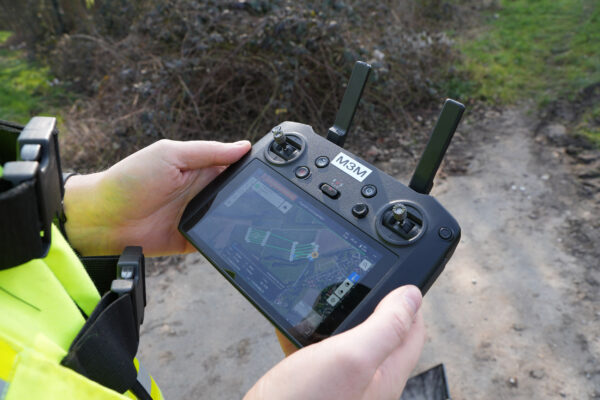
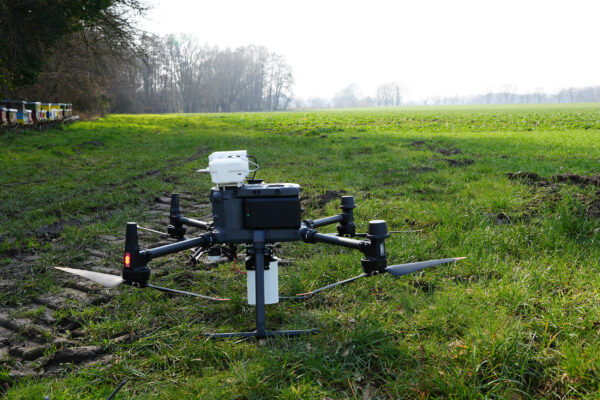
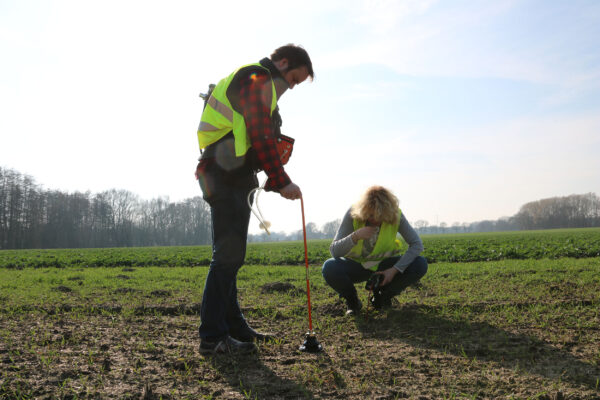
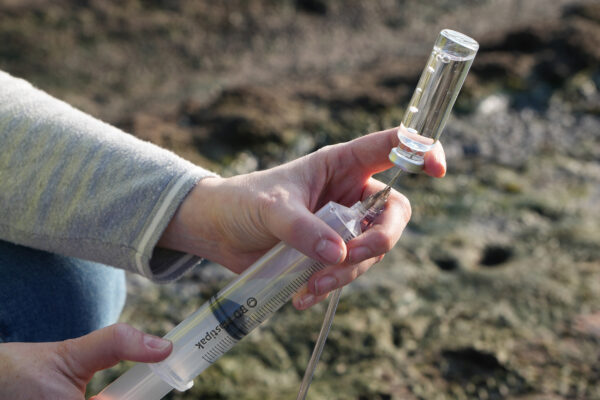
The project “Current State of Measurement Methods for Implementing the EU Methane Regulation in Upstream Operations, Transportation, and Storage” examines which available methane measurement methods can reliably meet the requirements of EU Methane Regulation 2024/1787 in the context of German gas infrastructure. The focus is on the systematic identification and evaluation of established and emerging measurement technologies, including portable analyzers, optical and laser-based methods, as well as drone- and satellite-based systems. In addition to the literature review, structured interviews with operators and experts are being conducted to assess the practical state of the art, existing challenges, and future needs.
On this basis, the project compares the performance, uncertainties, and application limits of the methods and develops scientifically sound recommendations for selecting suitable measurement techniques. The aim is to provide an evidence-based foundation for the practical implementation and harmonization of methane measurement methods in Germany and Europe.
Project objectives
- Systematic identification and characterization of measurement technologies for mobile and stationary methane measurements in the oil and gas industry.
- Evaluation of detection limits and measurement uncertainties of various measurement methods with regard to the requirements of EU Methane Regulation 2024/1787.
- Analysis of the comparability of measurement results from different measurement technologies, particularly with respect to the conversion of air concentrations into emission rates.
- Assessment of the practical state of the art through structured interviews with operators and experts from the oil and gas industry.
- Identification of challenges, application limits, and development needs in the practical implementation of methane measurements.
- Derivation of scientifically sound recommendations for the selection of suitable measurement methods, taking into account EU compliance, data quality, cost efficiency, and facility-specific characteristics.
- Creation of an evidence-based foundation for the harmonization of measurement methods in the context of German and European gas infrastructure.
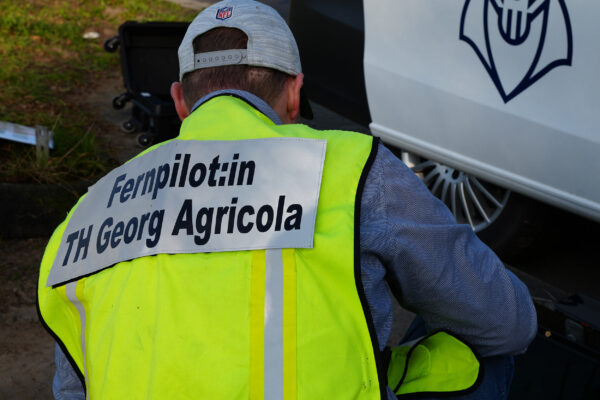
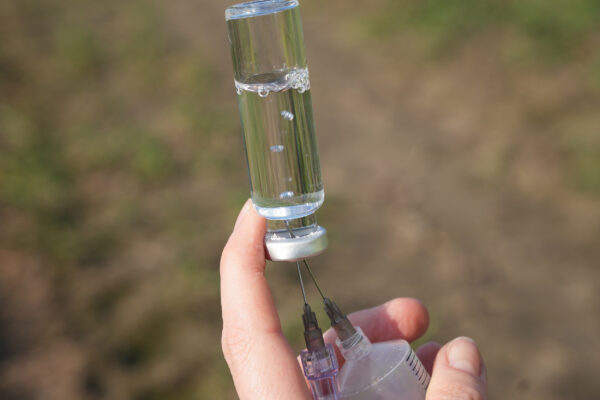
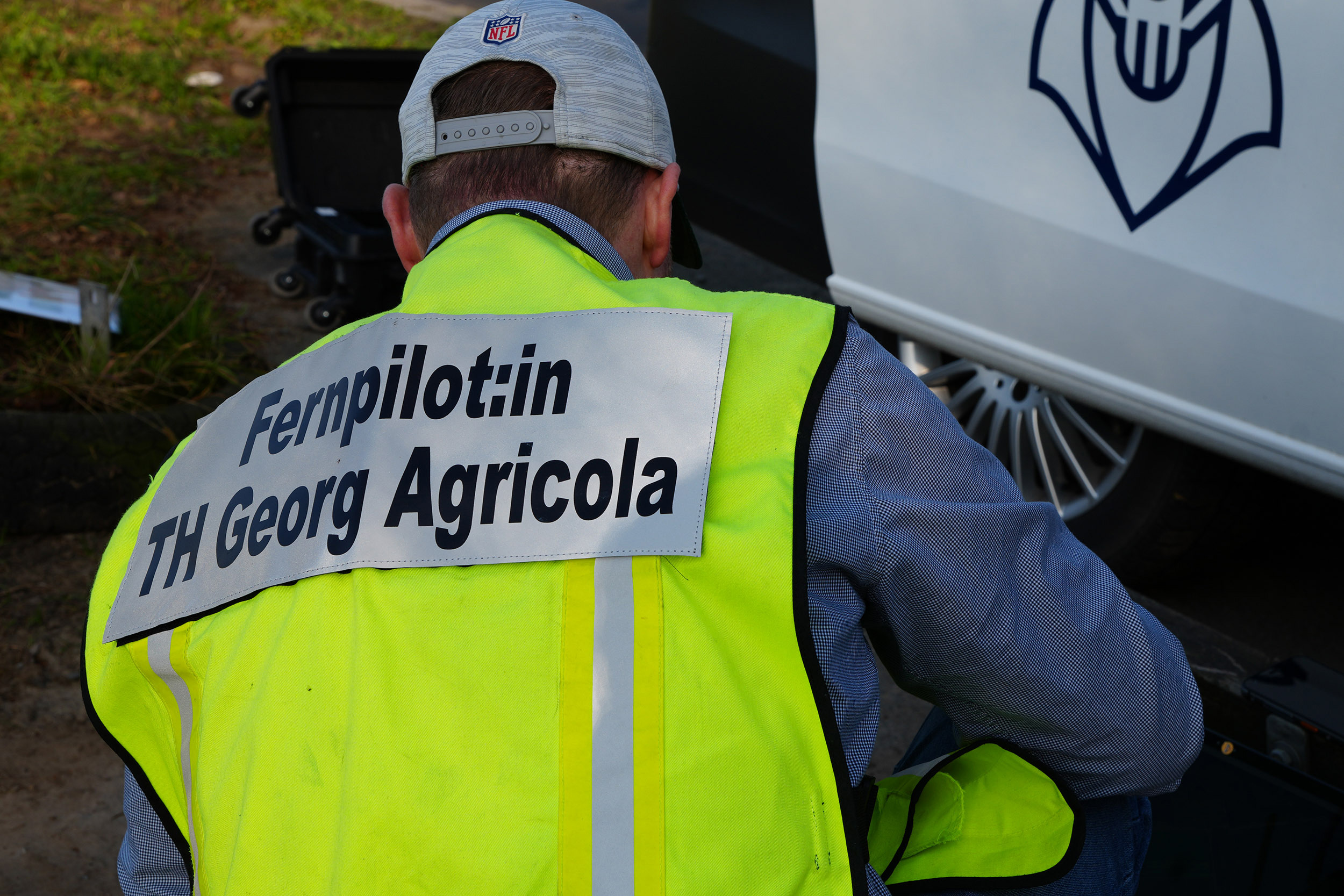
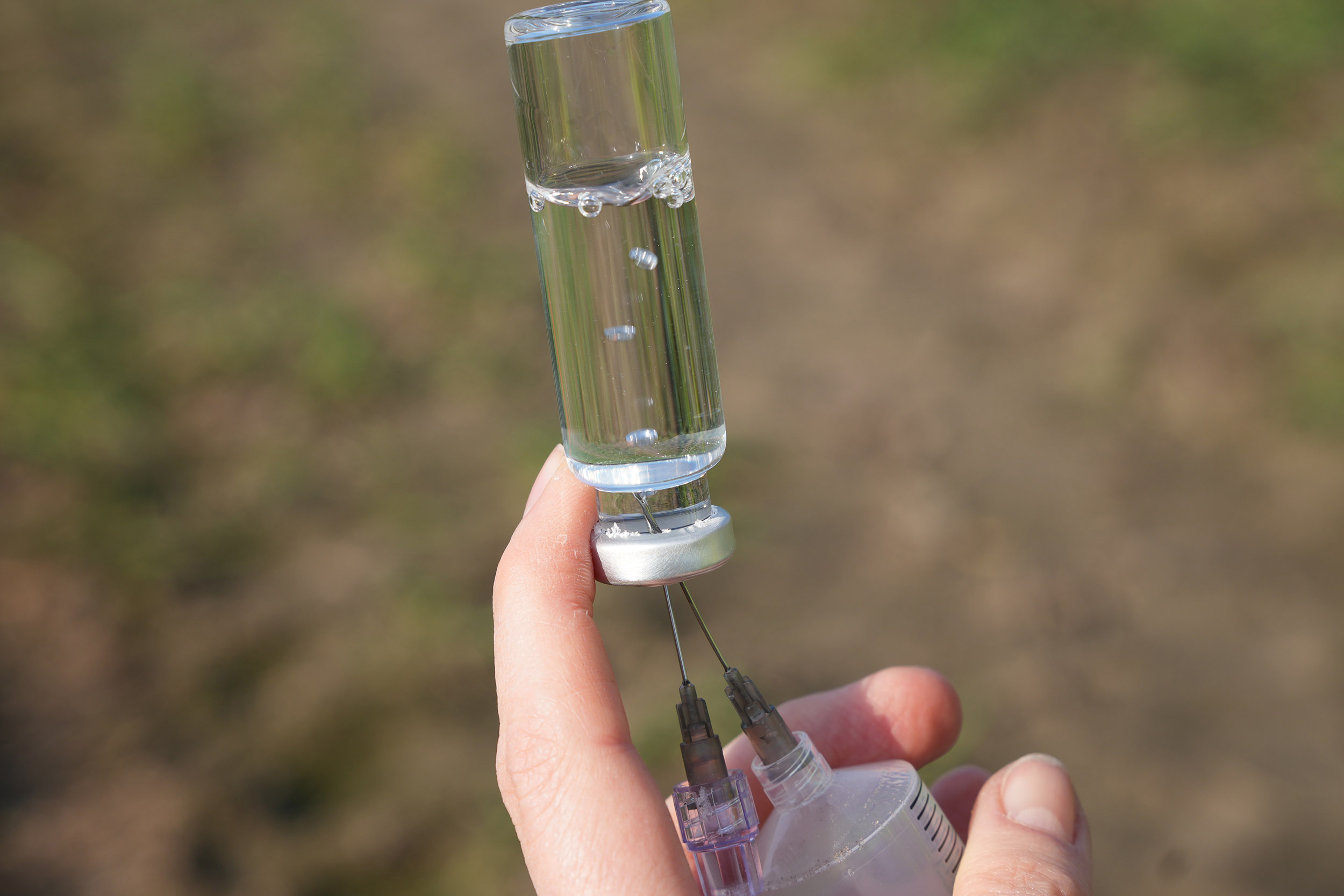
Photos: FZN
Project duration
01.07.2026 – 31.12.2026
Background
With the EU Methane Regulation 2024/1787, binding requirements for the detection and repair of methane leaks in the oil and gas industry have been established for the first time. As a result, operators of gas infrastructure in the areas of production, transportation, and storage face a significant need to select suitable measurement methods and apply them in a regulatorily robust manner. At the same time, a wide range of different technologies is available, whose detection limits, measurement uncertainties, and practical suitability vary considerably. However, a systematic and practice-oriented evaluation of these methods for the German context has so far been lacking. This project addresses that gap and provides a scientific foundation for the selection, comparability, and further development of suitable methane measurement methods.
Approach
The project follows a systematic, scientifically sound approach that combines literature review and empirical data collection. First, available methane measurement methods for the oil and gas industry are comprehensively identified and characterized on the basis of technical literature, standards, and manufacturer information with regard to detection limits, measurement uncertainties, and practical deployment requirements. These include, in particular, portable analyzers, optical and laser-based methods, as well as drone- and satellite-based systems.
In addition, structured interviews will be conducted with up to ten operators and experts to capture the practical state of the art, experience with application, existing challenges, and future needs. The findings from the literature review and interviews will then be integrated into a comparative analysis to evaluate the effectiveness, efficiency, and comparability of the measurement methods with regard to the requirements of EU Methane Regulation 2024/1787. Based on this, scientifically sound recommendations will be developed for selecting suitable measurement methods in the context of German gas infrastructure.
Cooperation
The project is a research collaboration between the German Scientific Society for Sustainable Energy Carriers, Mobility, and Carbon Cycles (DGMK) and the Research Center of Post-Mining.
Contact

Dipl.-Geogr. Dennis Pulimittathu
Technische Hochschule Georg Agricola University
Herner Street 45
44787 Bochum
Building 2, room 210
Phone 0234 968 3811
Mail dennis.pulimittathu@thga.de

Prof. Dr. Tobias Rudolph
Technische Hochschule Georg Agricola University
Herner Street 45
44787 Bochum
Building 2, Room 101
Phone 0234 968 3682
Mail tobias.rudolph@thga.de

Dr.-Ing. Benjamin Haske
Technische Hochschule Georg Agricola University
Herner Street 45
44787 Bochum
Building 2, Room 102
Phone 0234 968 3667
Mail benjamin.haske@thga.de

 EN
EN  DE
DE