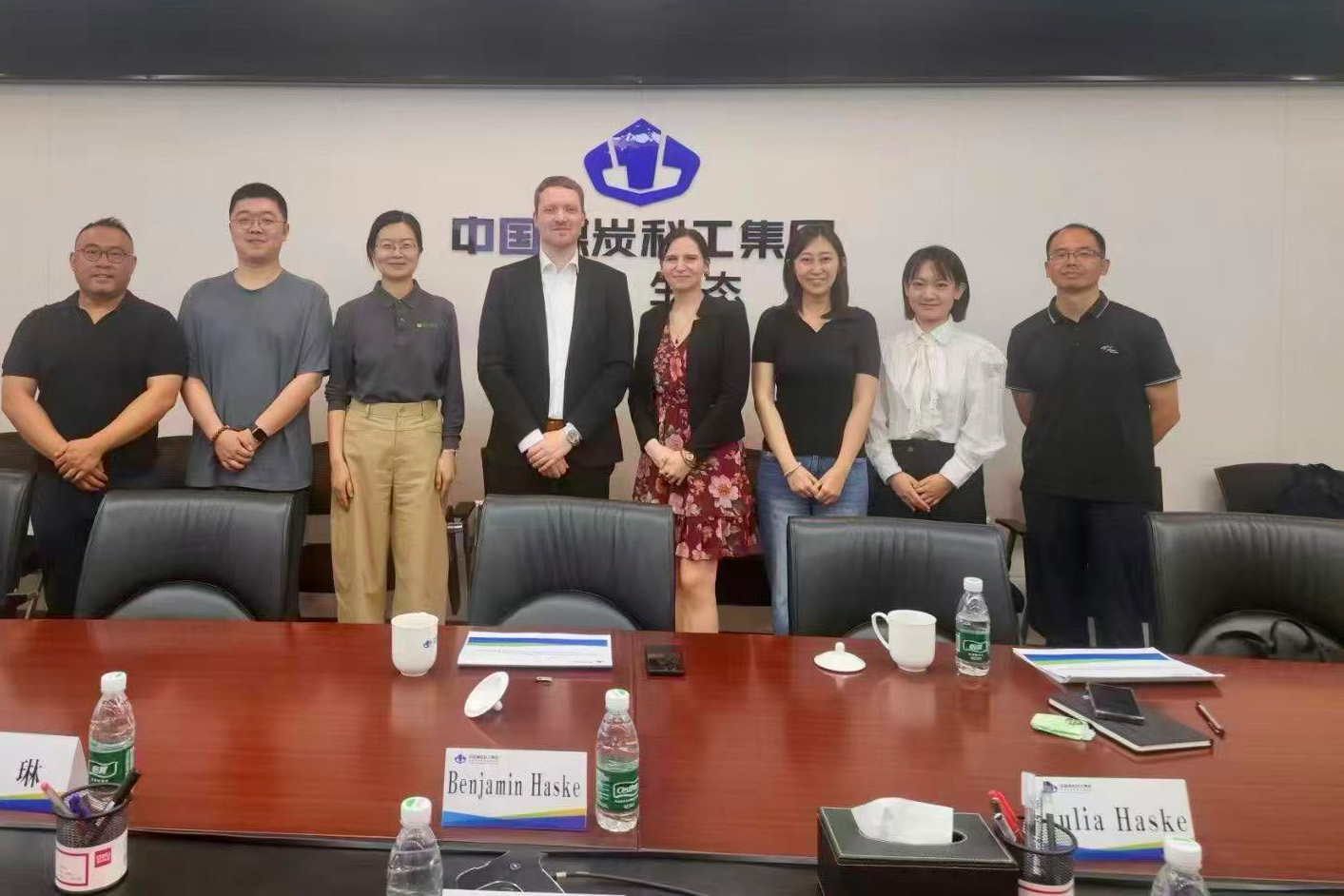
On behalf of the Research Center for Post-Mining (FZN), Dr. des. Julia Haske traveled to Beijing to deepen professional exchange with leading Chinese institutions on transformation, land reuse, and ecological management in post-mining. The focus was on discussions with the Appraisal Center for Environment & Engineering (ACEE), the China University of Mining and Technology in Beijing, and the China Coal Technology and Engineering Group (CCTEG).
From 19 to 21 May 2026, Dr. des. Julia Haske, Head of the “Land Use & Transition” research area, undertook an expert visit to Beijing on behalf of THGA’s Research Center for Post-Mining (FZN). The aim of the trip was to further expand international knowledge transfer on post-mining, urban and land-use transformation, and the ecological remediation of post-mining landscapes.
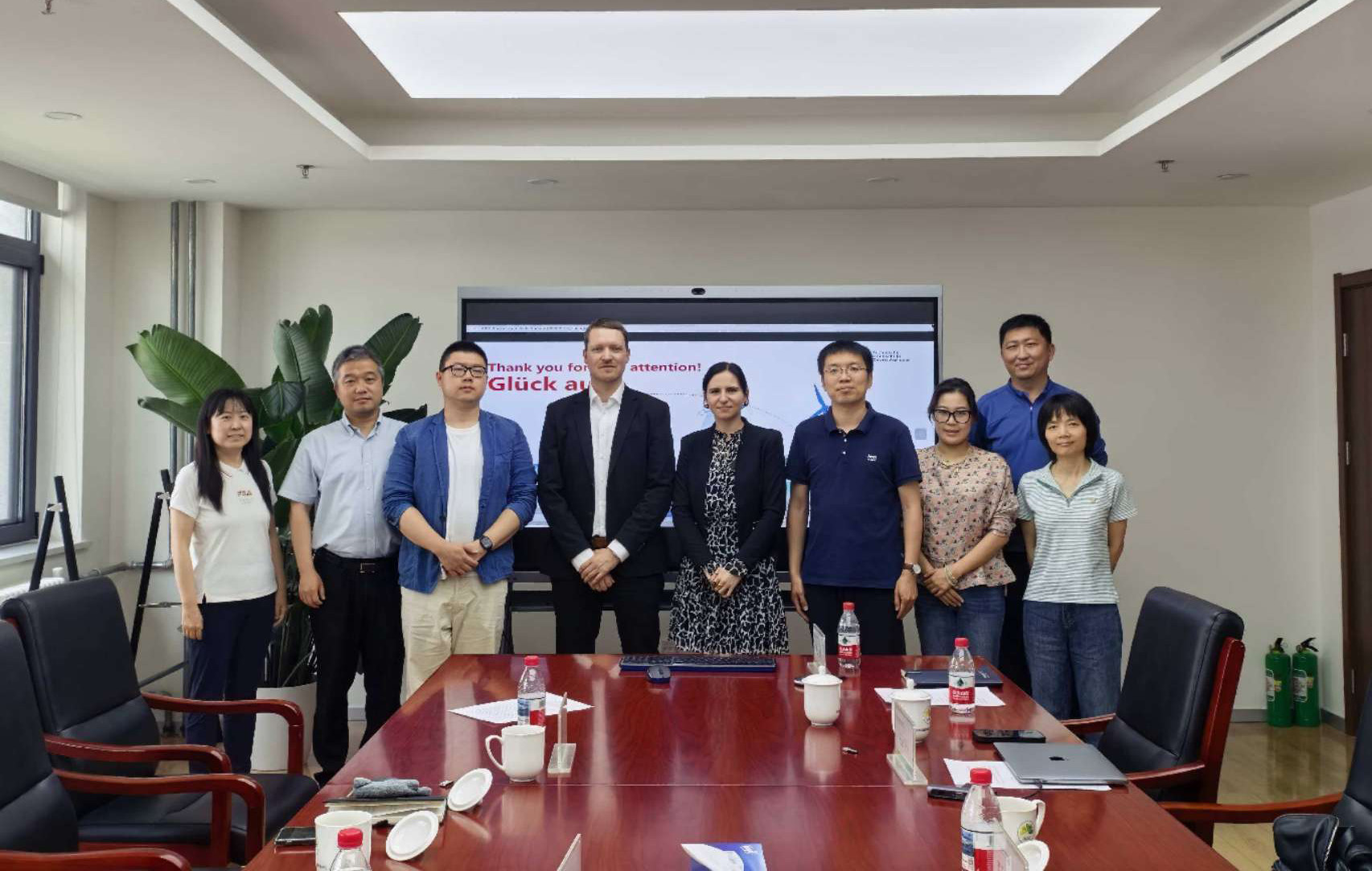
A key appointment on 19 May 2026 was a visit to the Appraisal Center for Environment & Engineering (ACEE) of China’s Ministry of Ecology and Environment. As part of a technical exchange on the topic of “Transformation and Revitalization of Resource-Exhausted Cities in China and Germany”, Dr. des. Julia Haske presented German experience in socioeconomic analysis, the transformation of policy and legal frameworks, sustainable land management, land restoration, and models for the reuse of mining sites. Dr.-Ing. Benjamin Haske complemented the FZN’s contribution with insights into geographic and environmental monitoring methods, including drone-based analyses of vegetation and ground movement.
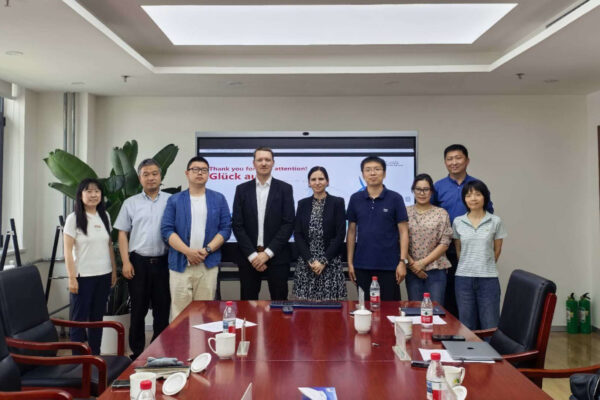
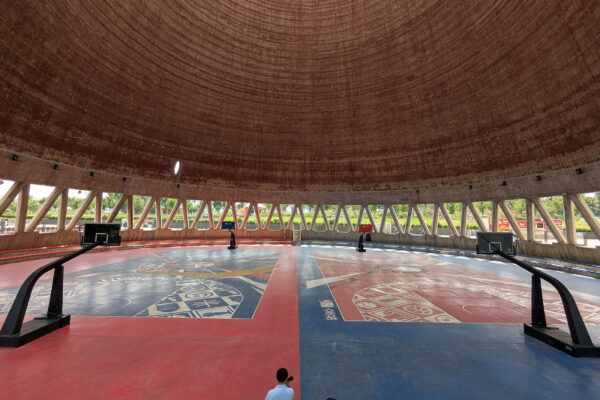
The Chinese partners, for their part, presented approaches to the ecological remediation of mines, environmental impact assessment in the coal industry, CO₂ reduction strategies in coal chemistry, and legal instruments for transformation in the mining sector. The exchange made it clear how strongly both sides can benefit from a comparative perspective on transformation processes in former mining and industrial regions.
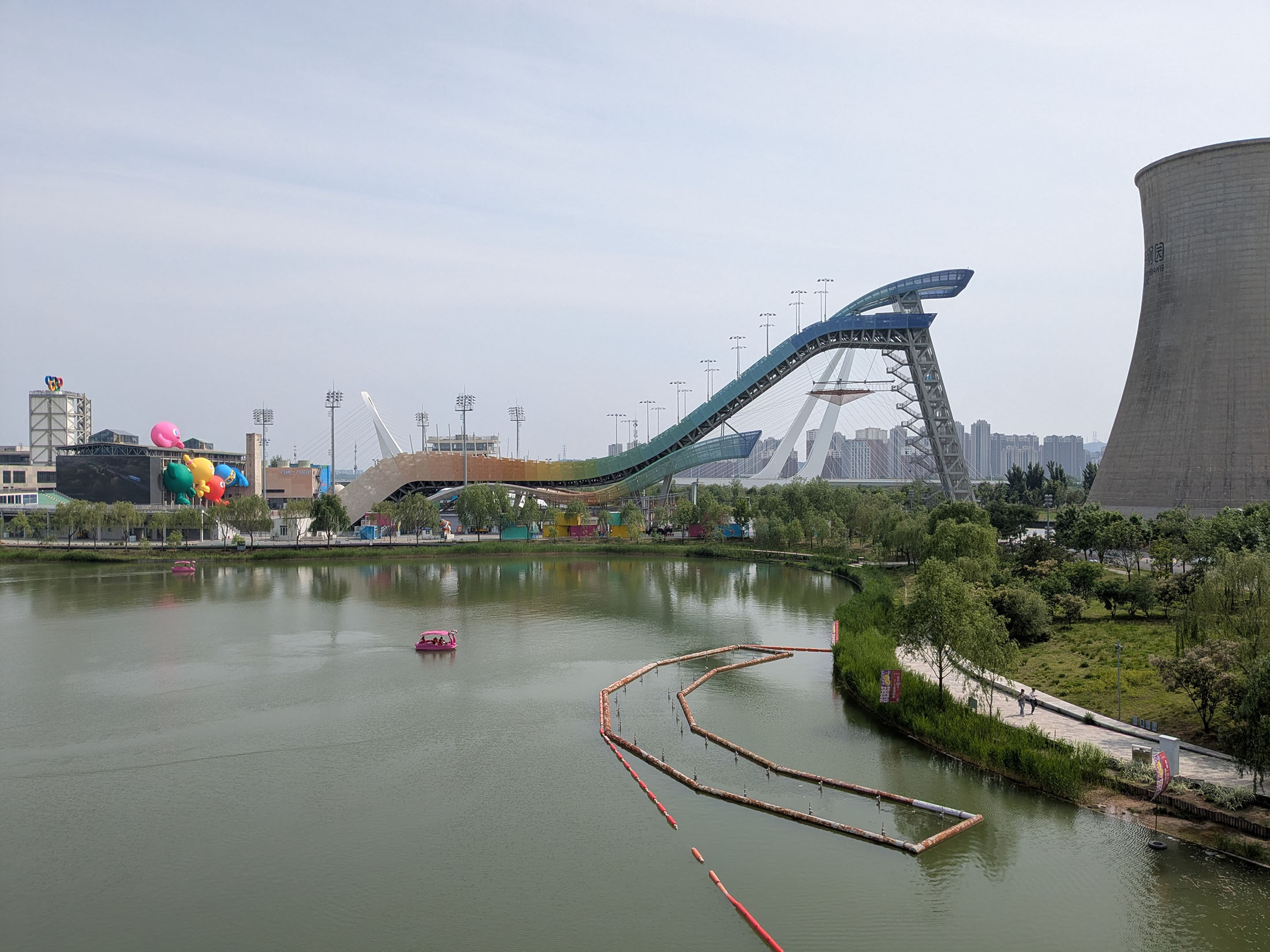
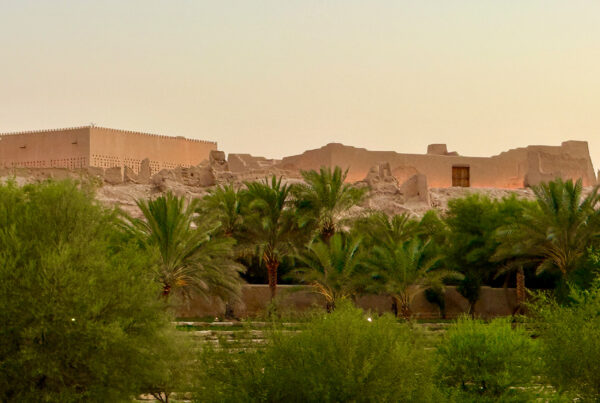
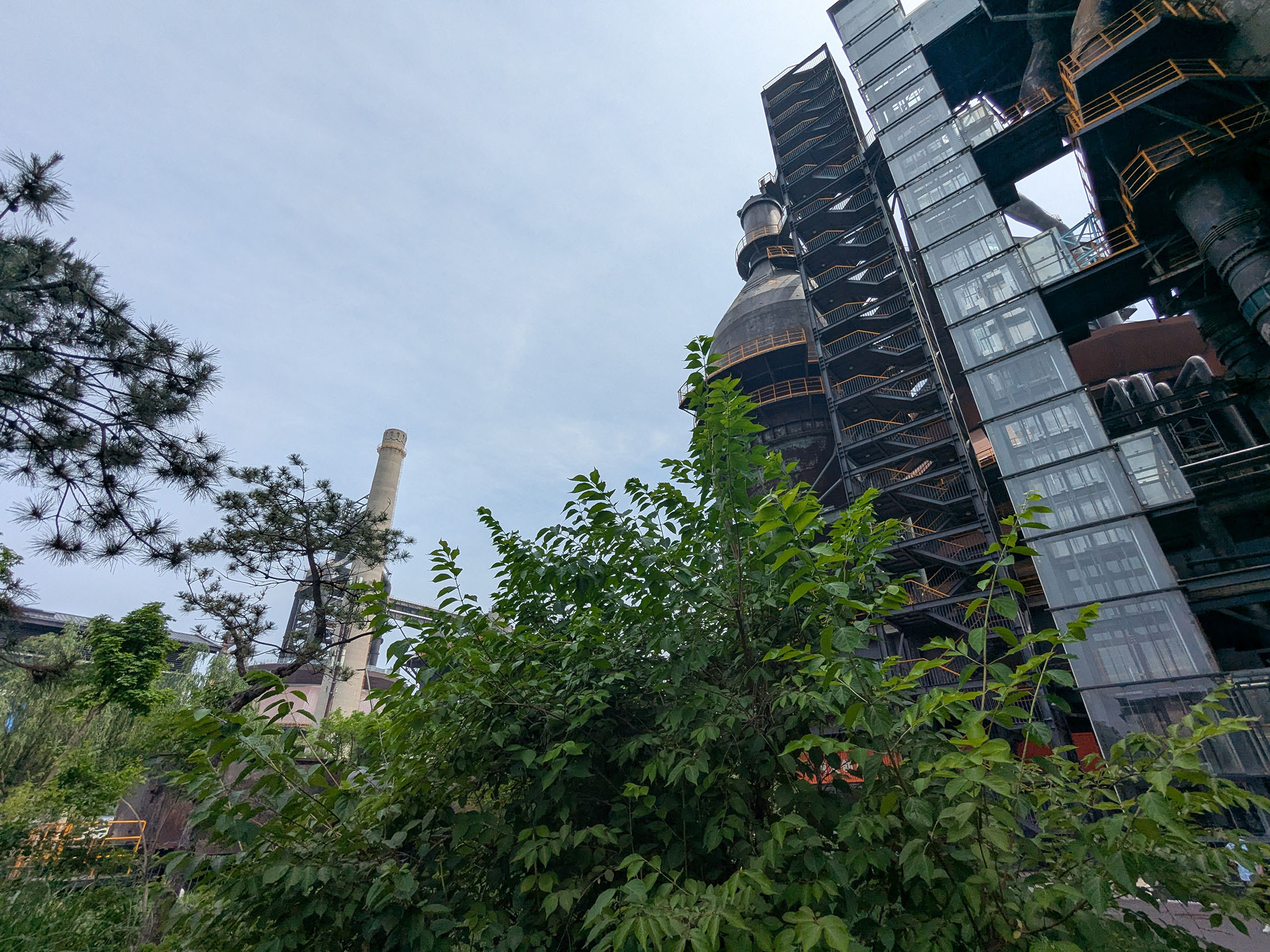
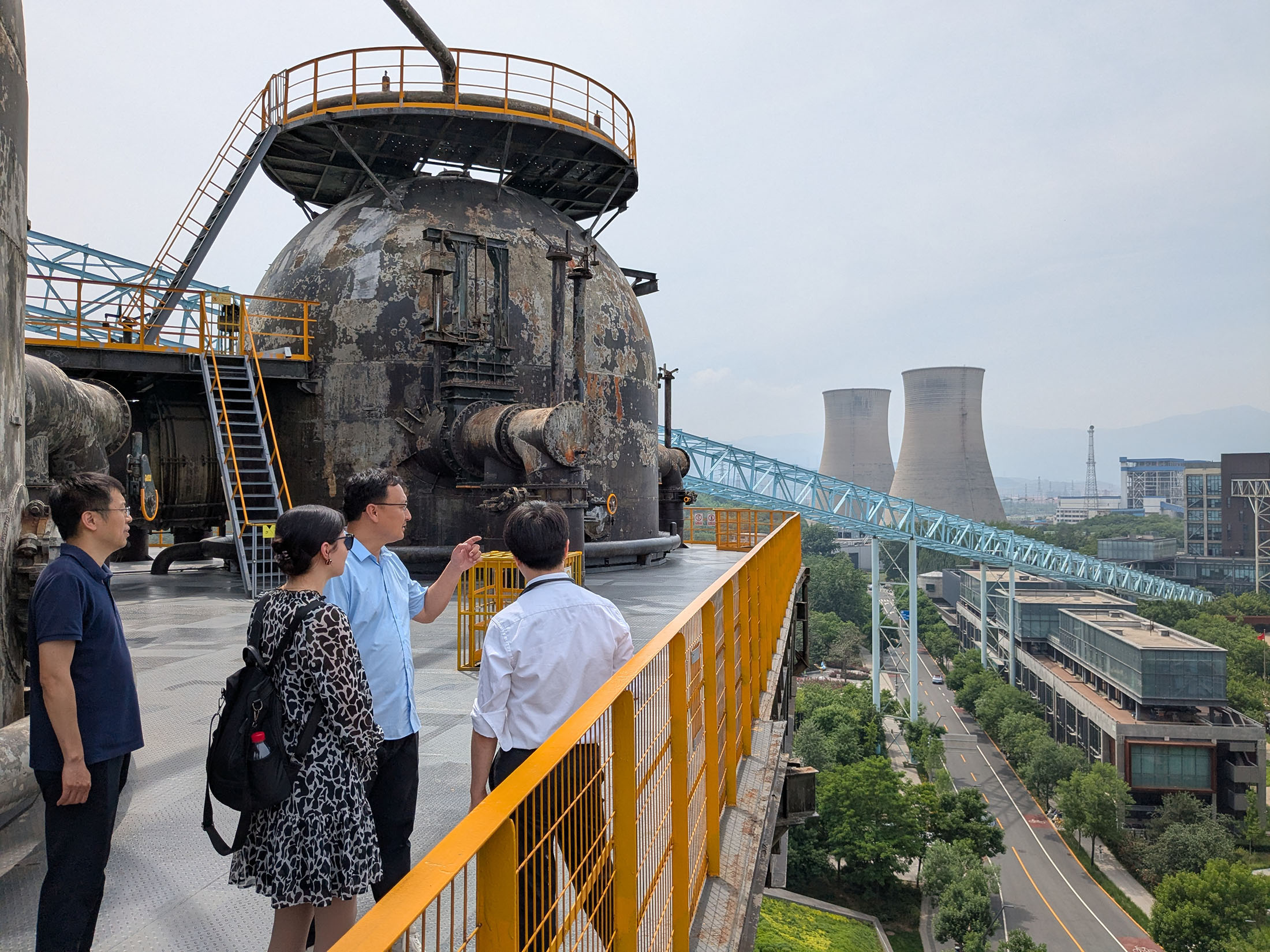
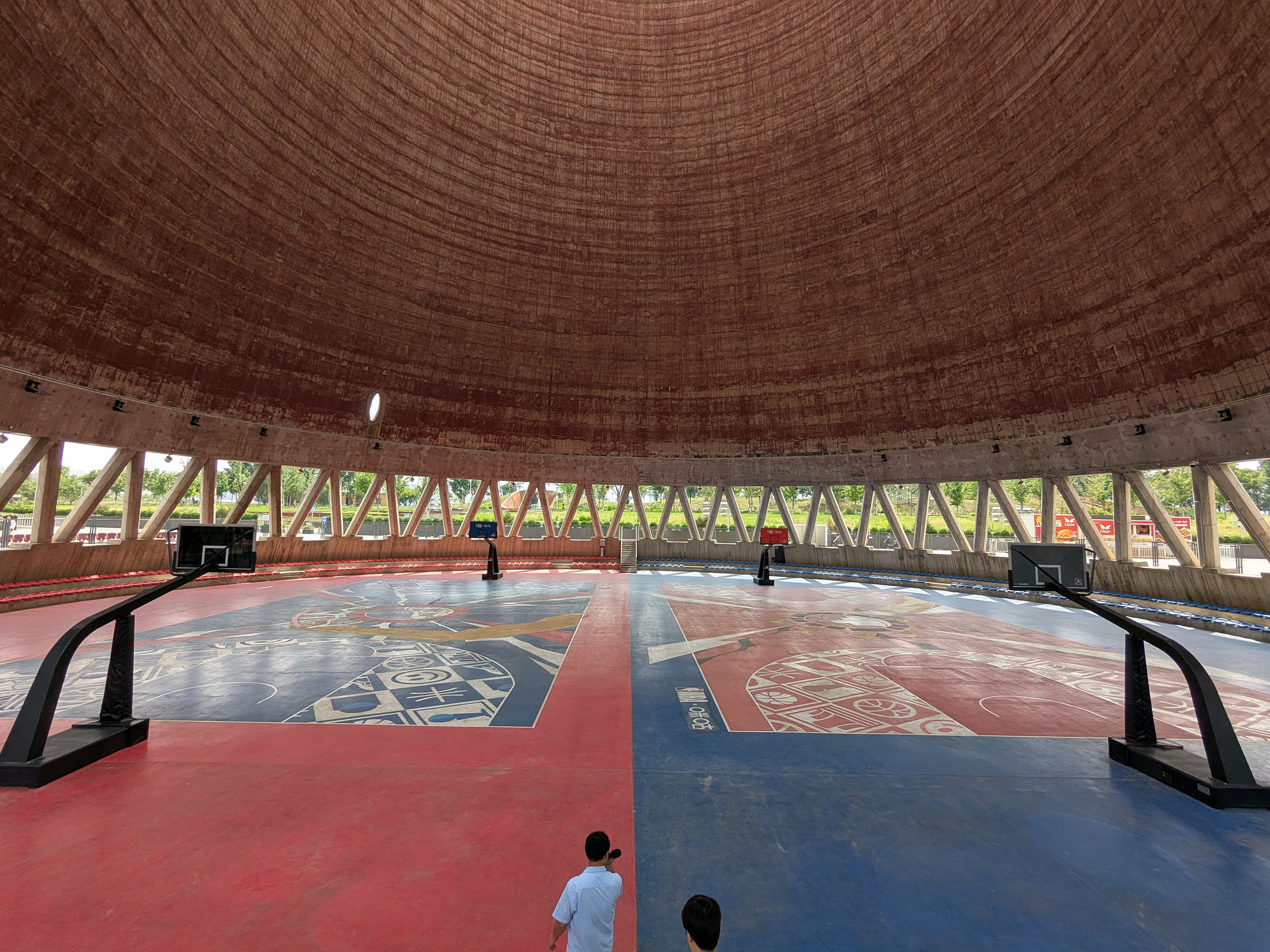
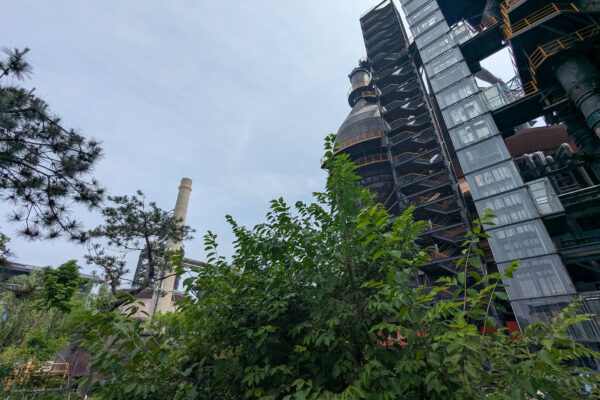
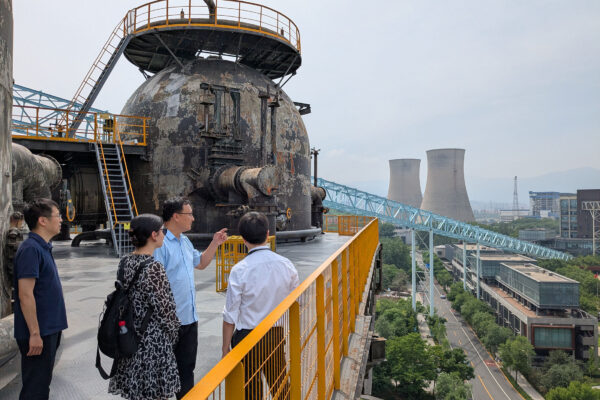
Shougang Park in Beijing as an example of the reuse of industrial space: today, the site of a former steelworks combines industrial heritage with modern architecture, sports facilities, and recreational areas.
Afterwards, the delegation visited Shougang Park in Beijing. The former iron and steel site is regarded as an outstanding example of the successful redevelopment of industrial locations: historic industrial facilities have been preserved as testimonies to industrial heritage while at the same time being integrated into modern urban uses, including green and waterfront areas, leisure amenities, cultural venues, and office spaces. The visit therefore provided valuable points of reference for discussions on post-use strategies in the Ruhr region and other transformation areas.
On 20 May 2026, the exchange with the China University of Mining and Technology, Beijing (CUMTB) took center stage. Discussions focused on the respective understanding of post-mining in China and Germany, as well as the role of research and teaching in this field. In this context, the FZN presented its work and main areas of expertise. In addition, opportunities for academic networking and possible future cooperation were explored. A tour of the university’s laboratories also provided insights into geotechnical modeling and student research projects.
On 21 May 2026, a further program item took place at China Coal Technology and Engineering Group (CCTEG) Beijing. The agenda included case studies on post-mining transformation, renaturation measures, standardization processes, as well as the political and economic framework conditions in Chinese provinces. The discussions highlighted the major strategic importance of the topic in China and at the same time opened up new perspectives for deeper professional exchange between the institutions involved.
The trip showed that many post-mining challenges are comparable internationally—for example in ecological remediation, the development of viable post-use concepts, the protection of industrial heritage, and the strengthening of regional resilience. At the same time, it became clear that the German-Chinese dialogue can generate important impetus for research, practice, and future cooperation.
Photos on this website: FZN
Contact
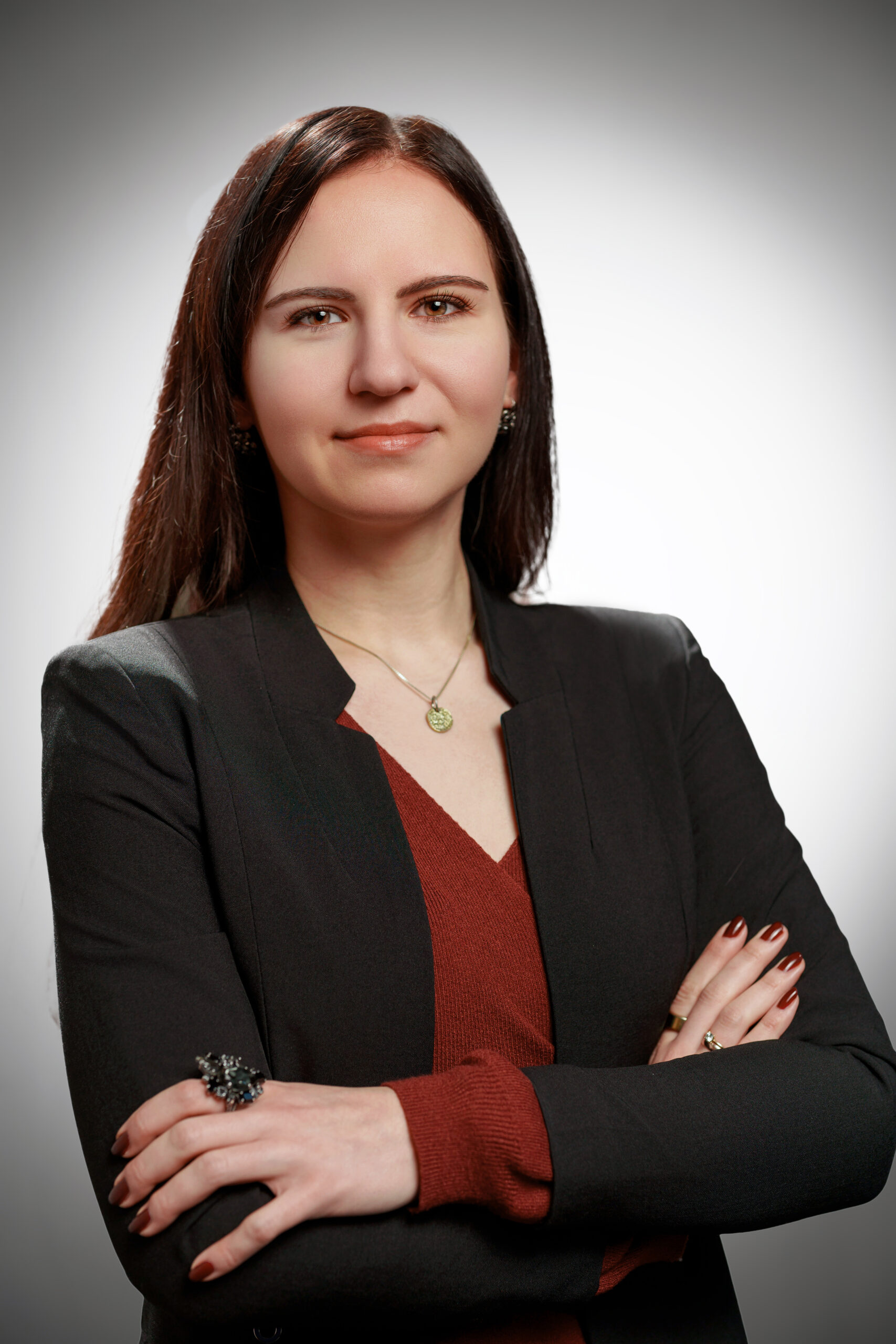
Dr. des. Julia Haske
Technische Hochschule Georg Agricola University
Herner Street 45
44787 Bochum
Building 2, room 103
Phone 0234 968 4147
Mail julia.haske@thga.de