© IMWA
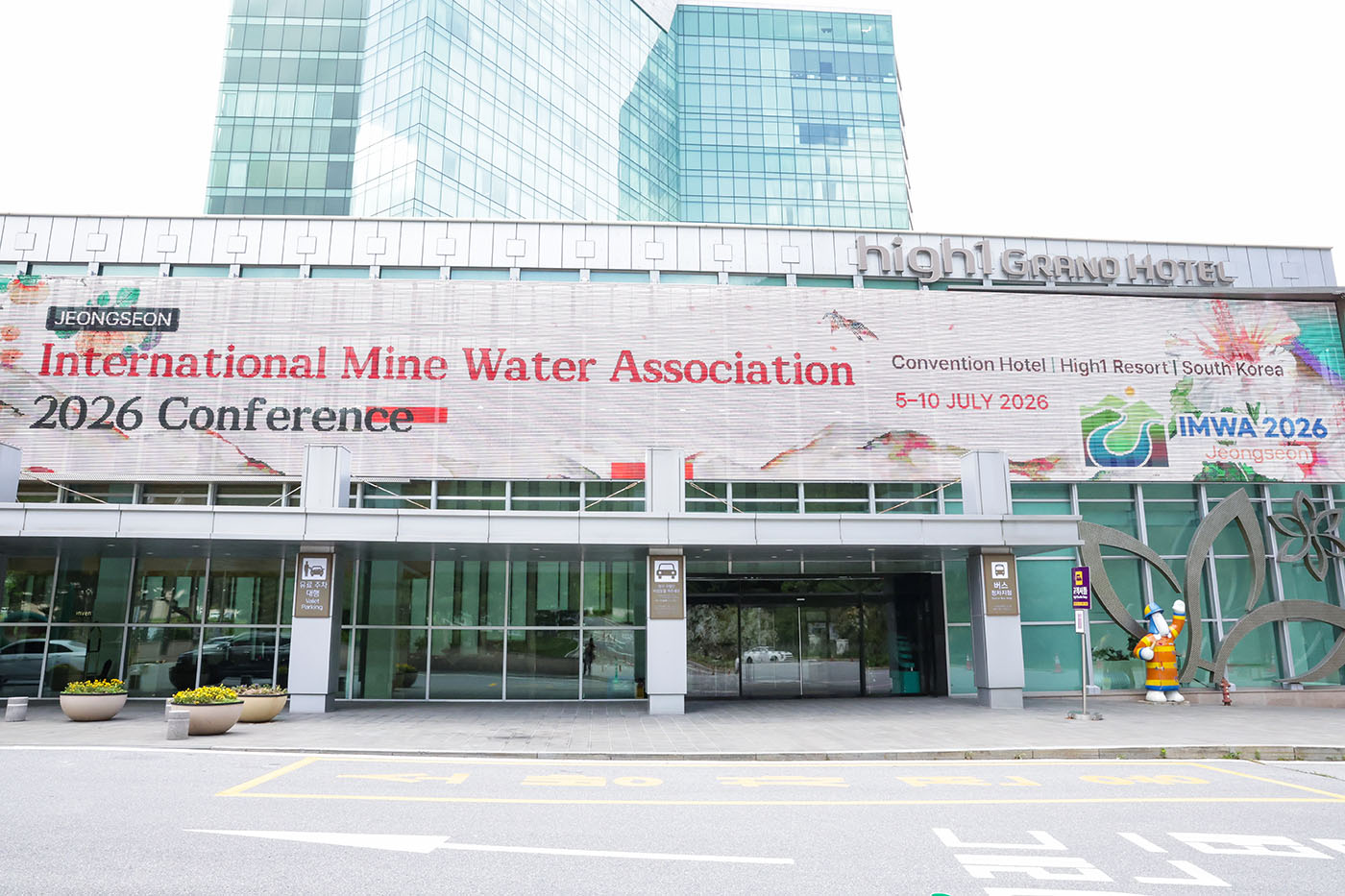
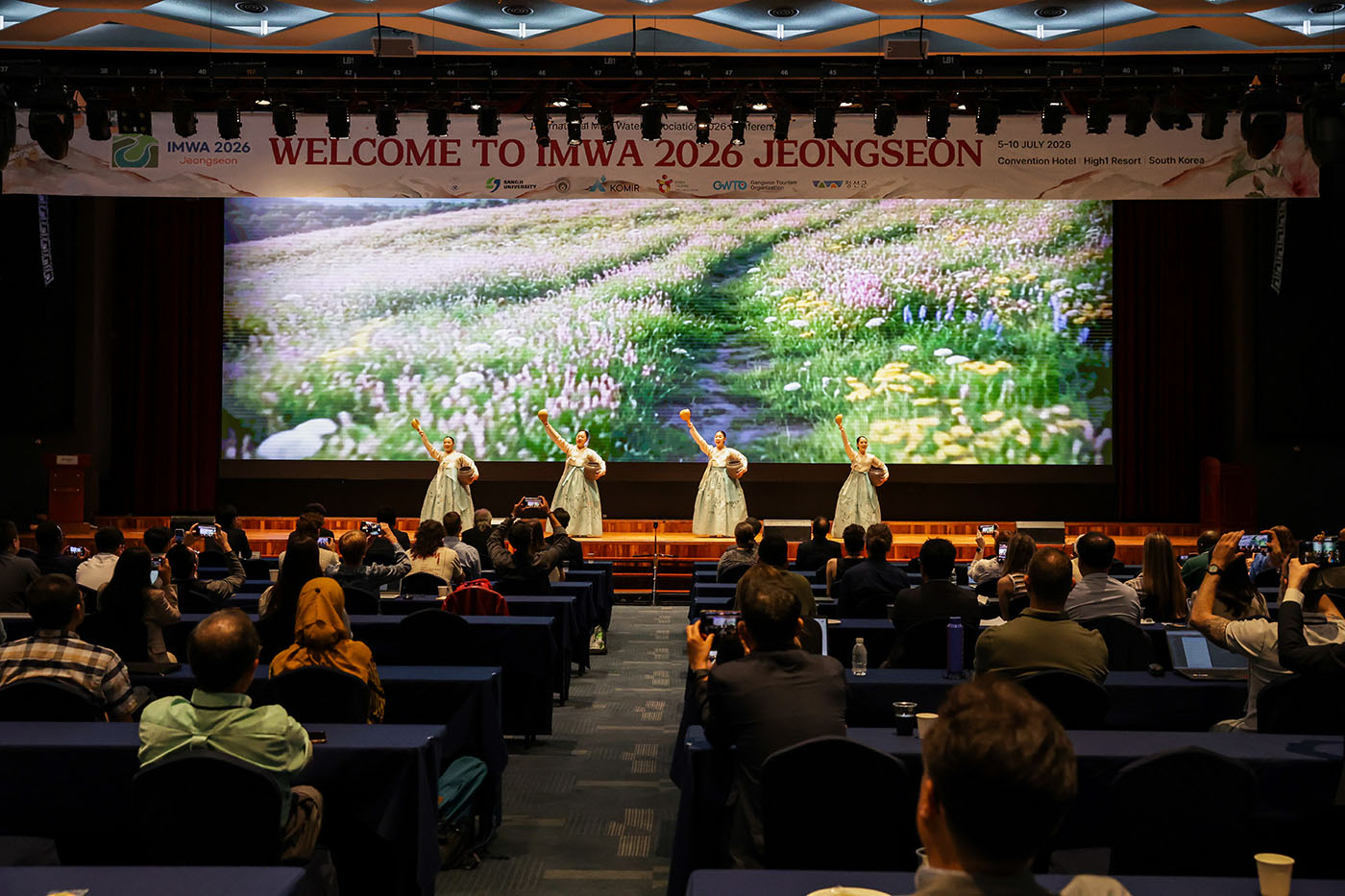
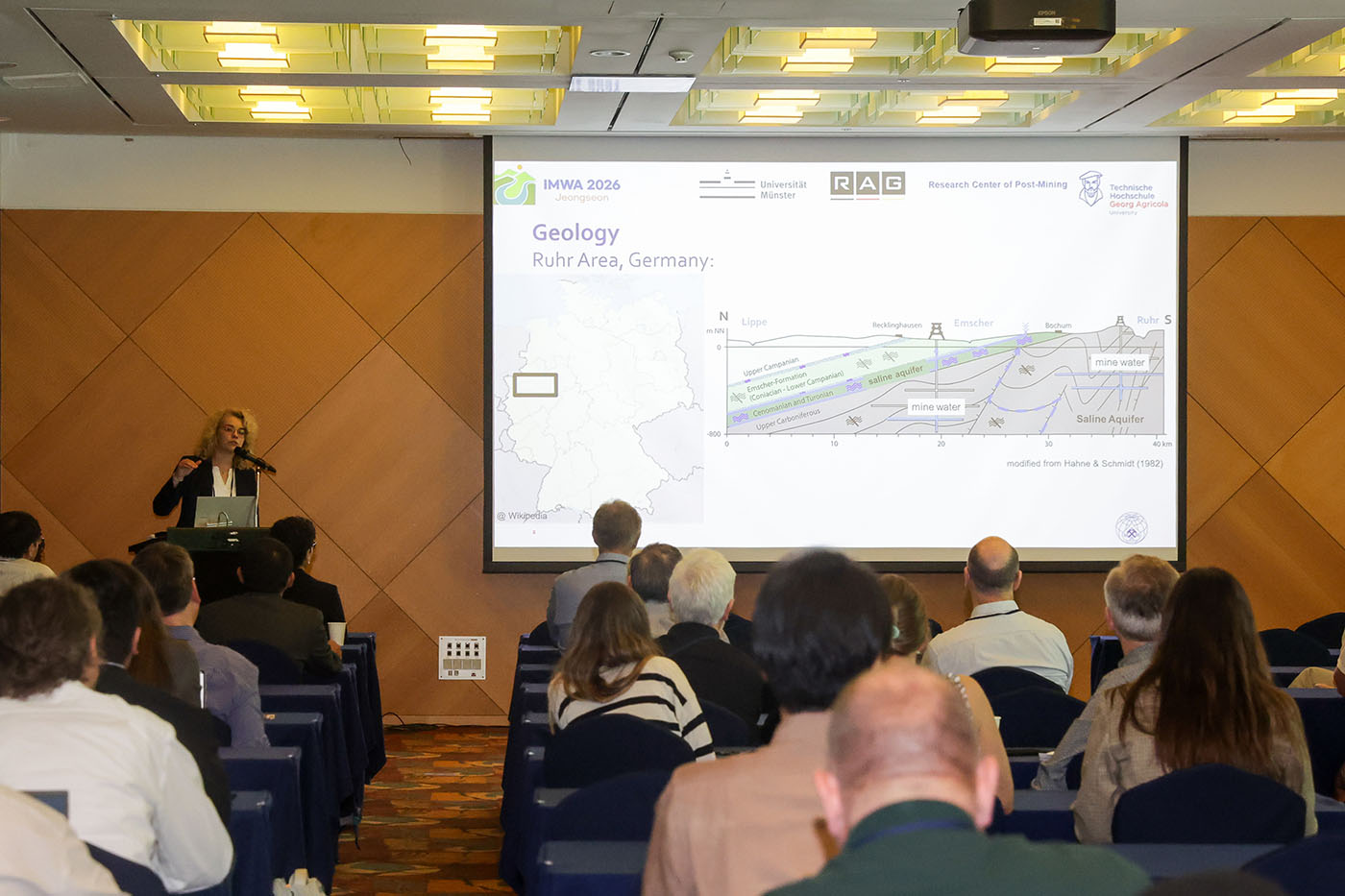
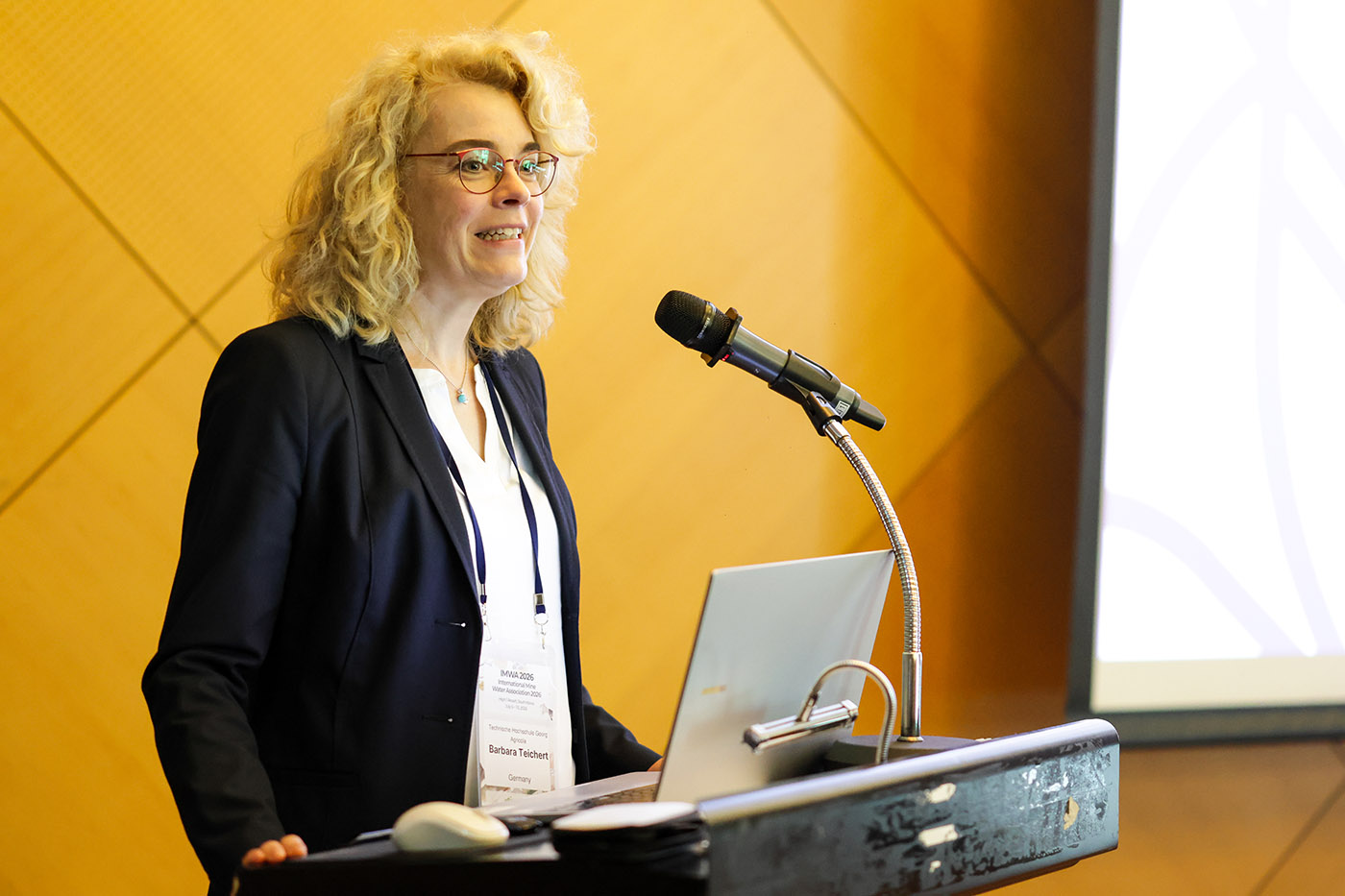
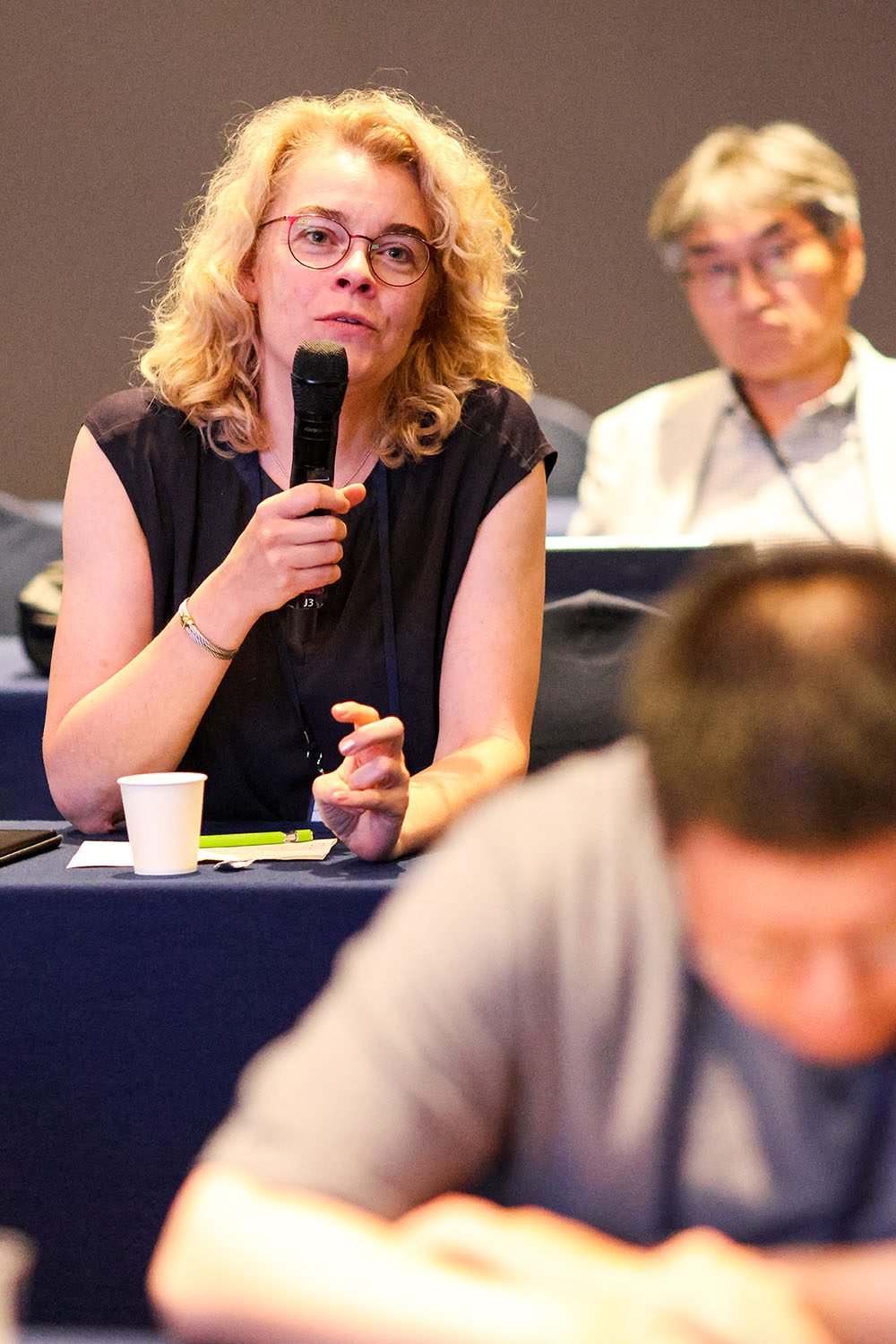
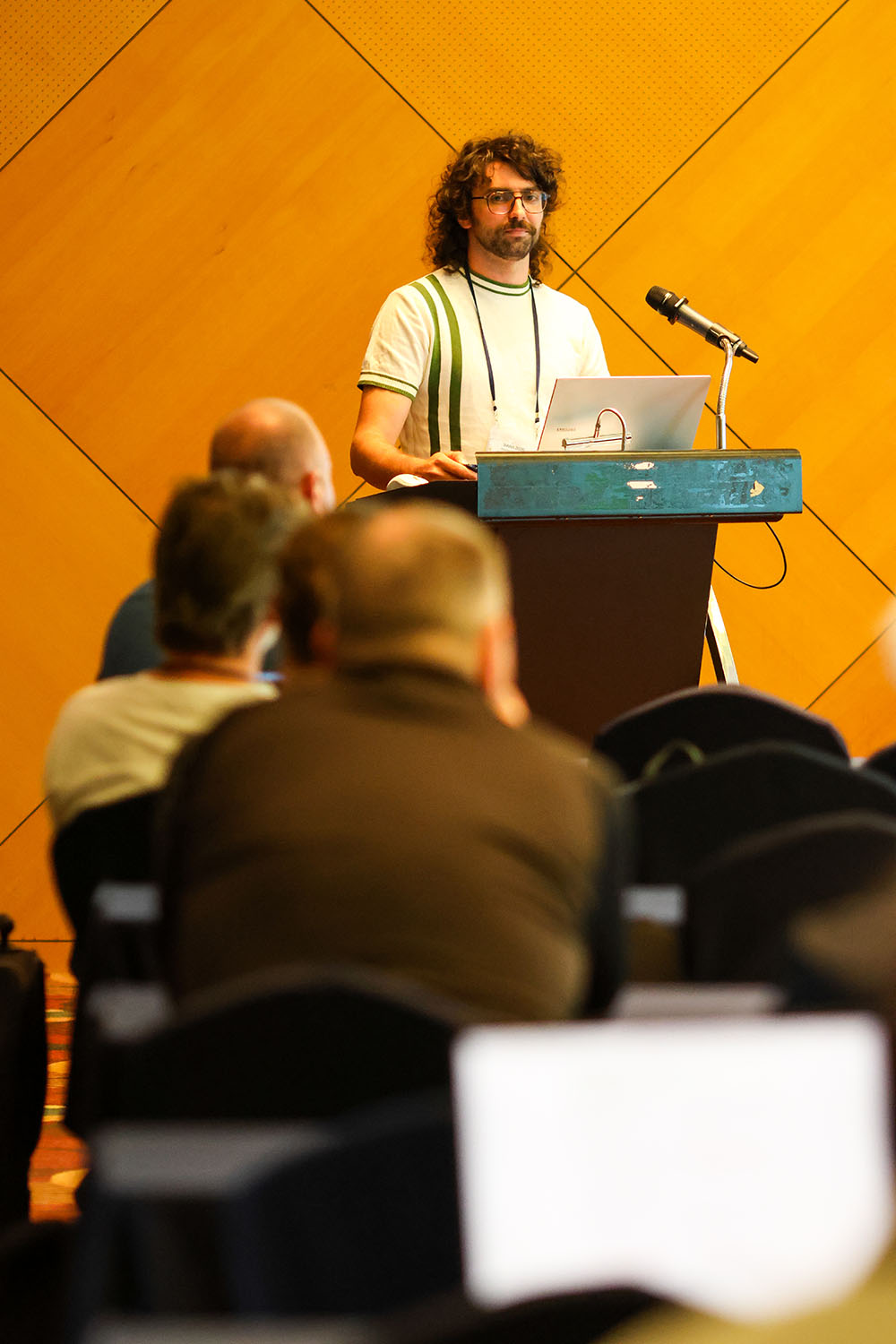
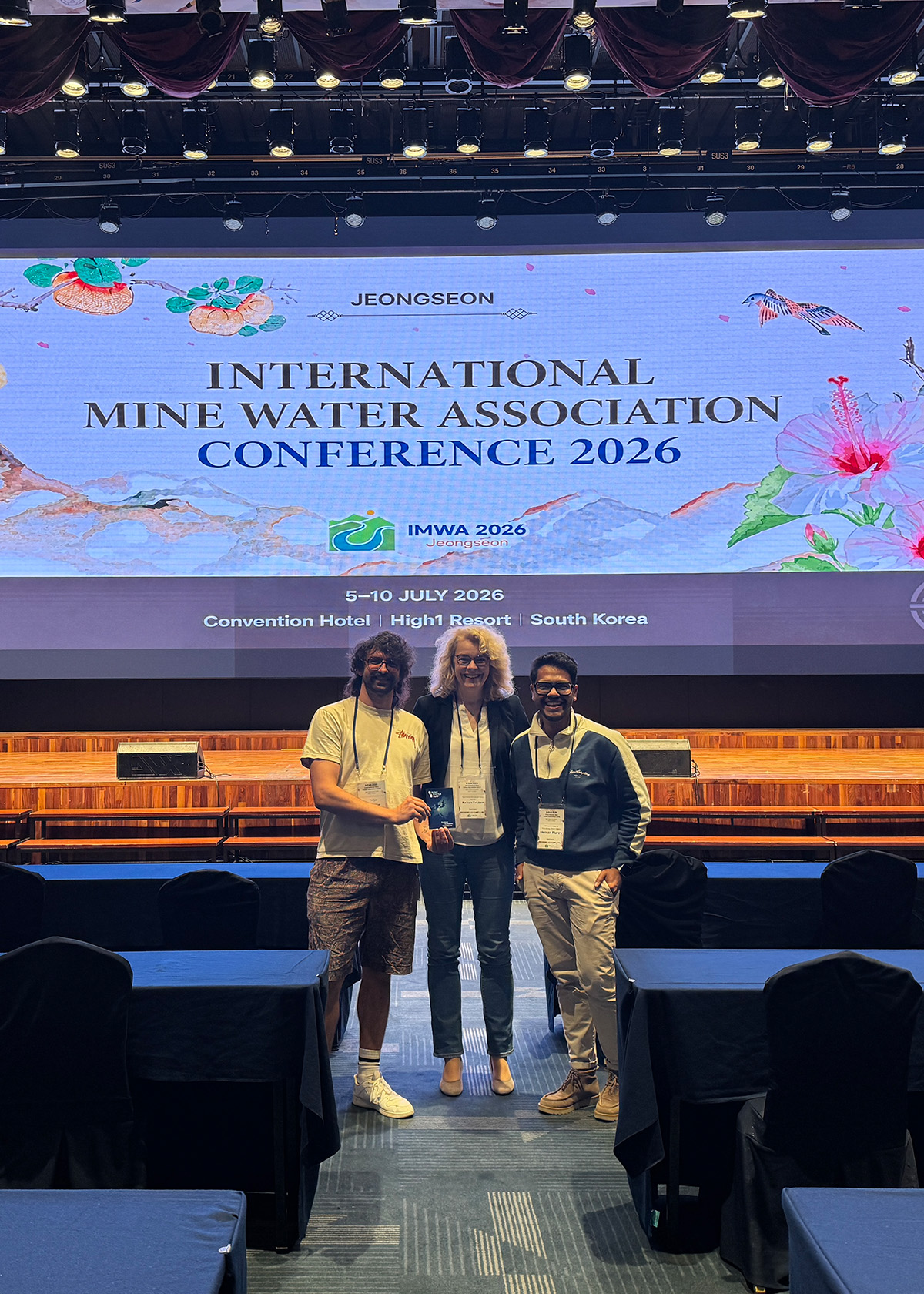
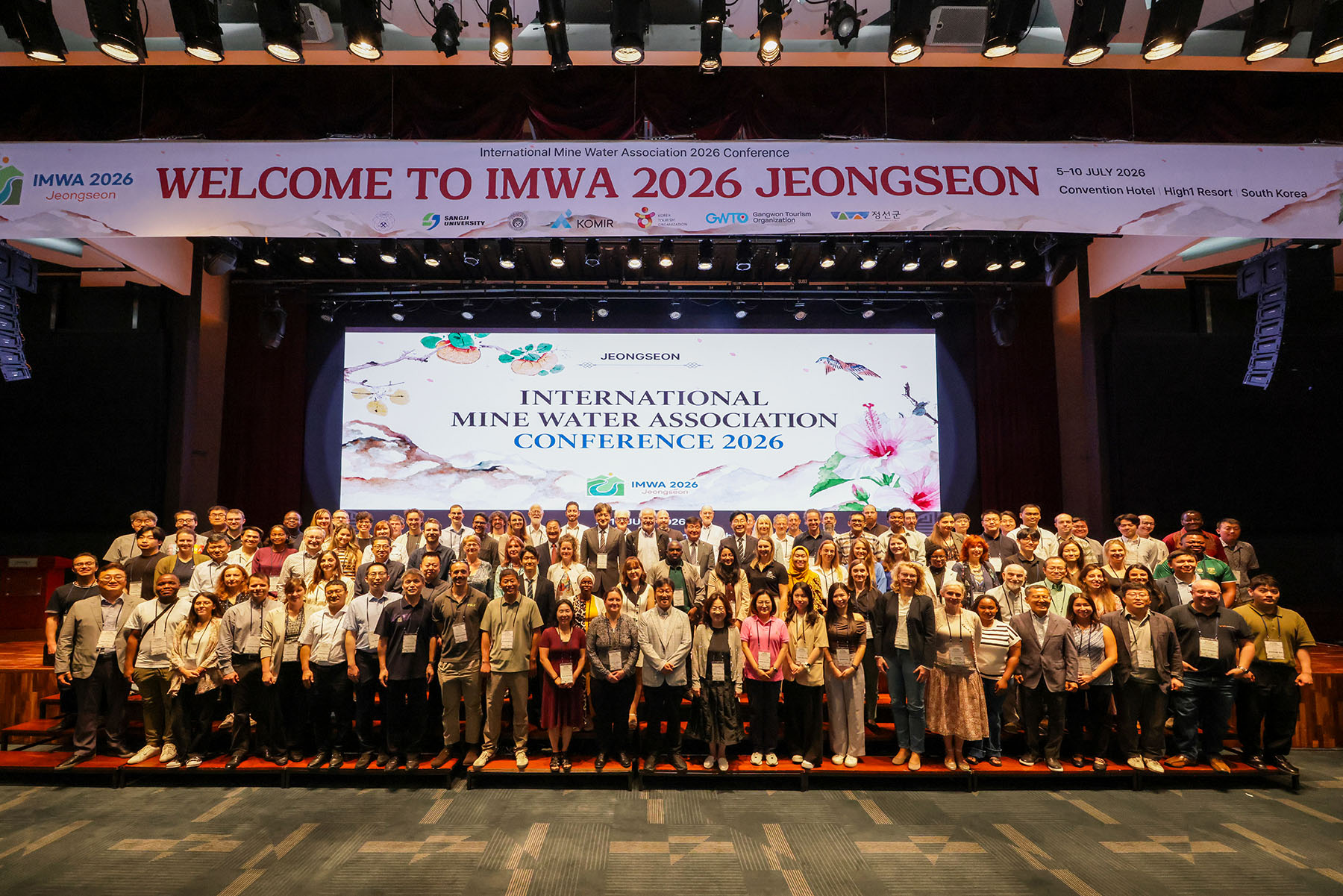
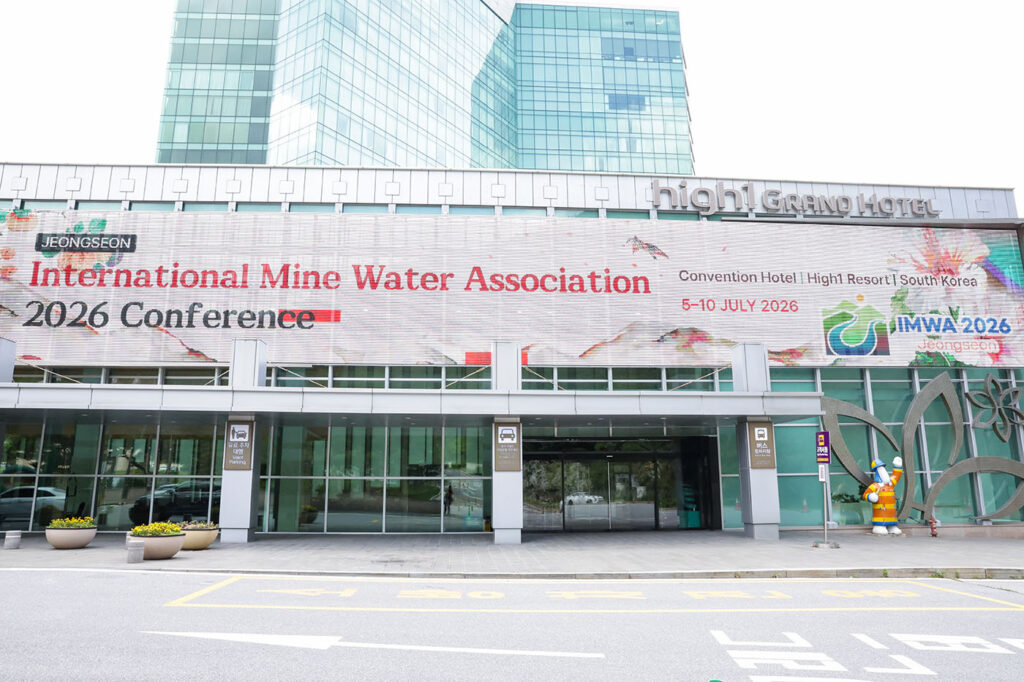
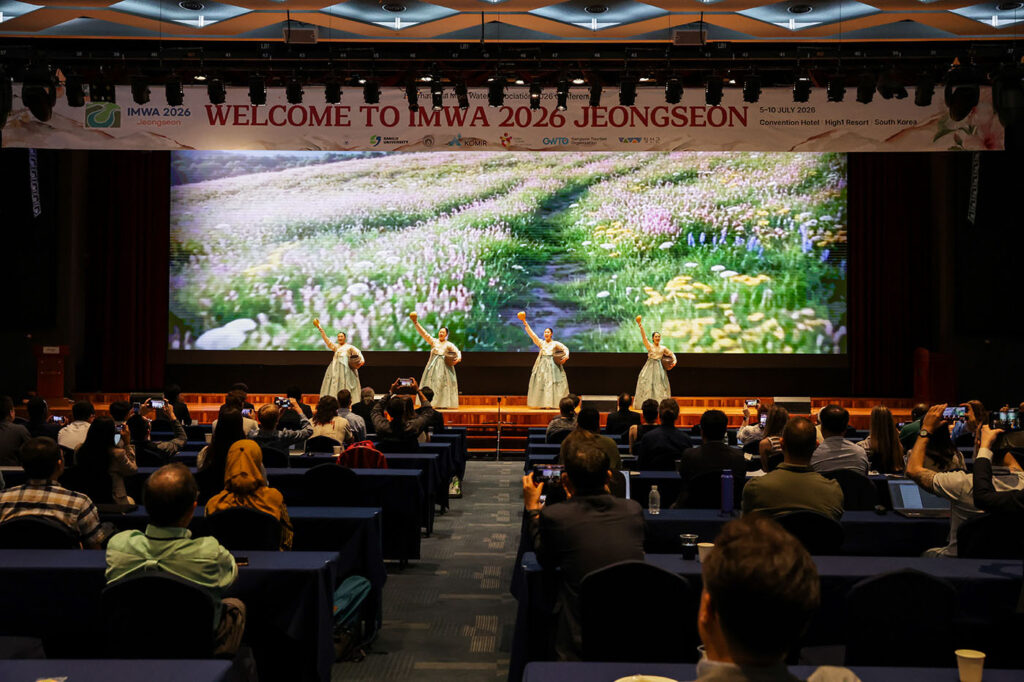
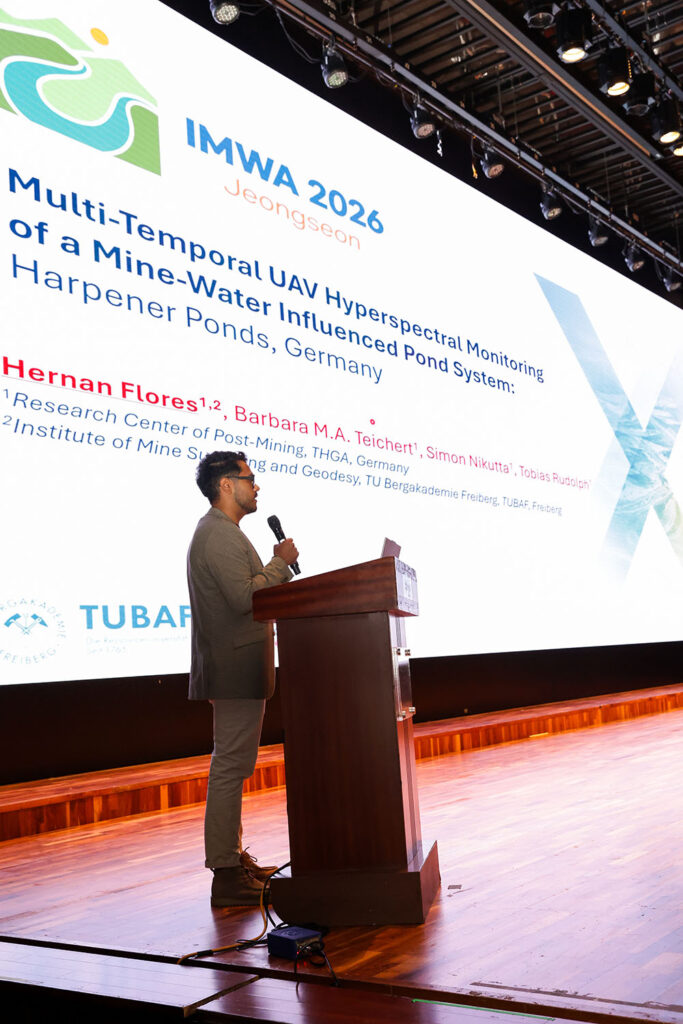
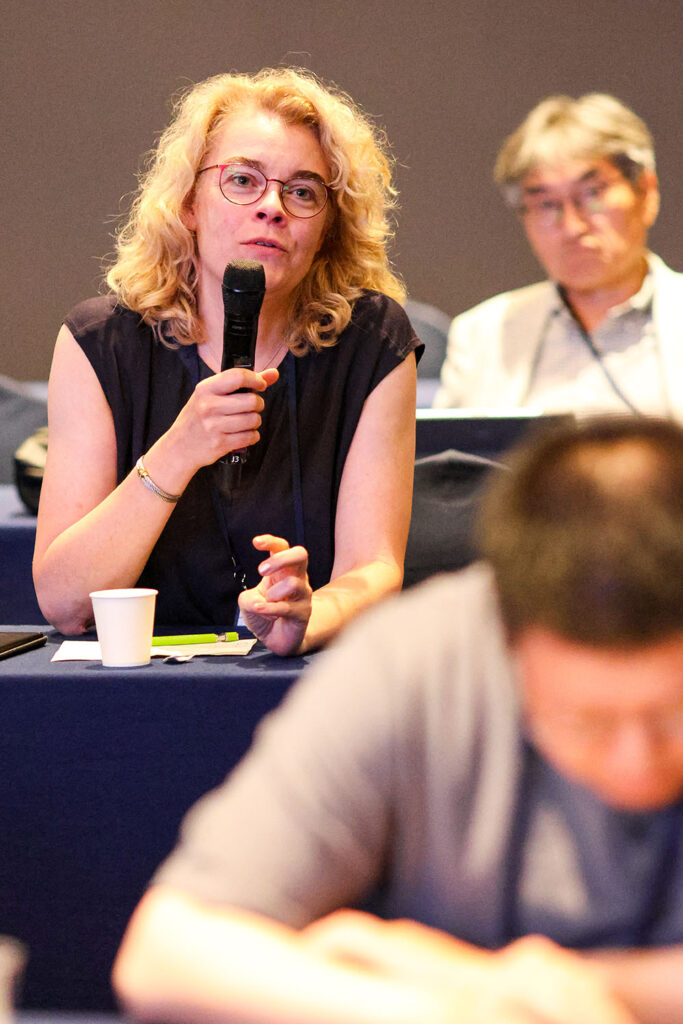
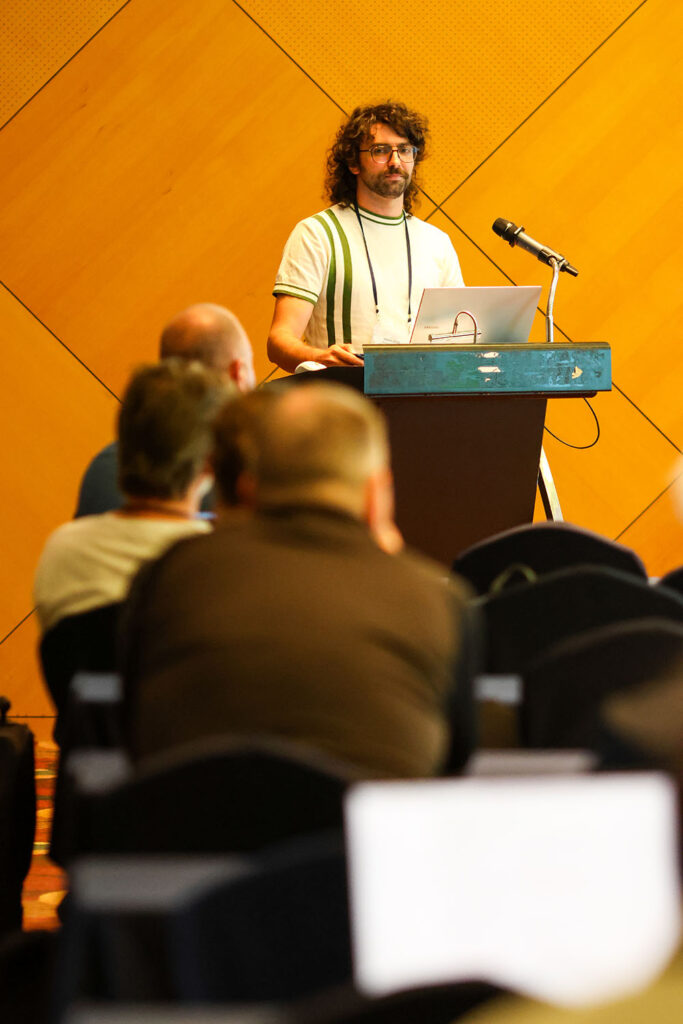
At IMWA 2026, held from 5 to 10 July in Jeongseon, FZN presented its research on mine water, post-mining, and sustainable solutions for former mining regions to an international expert audience. The conference venue in Gangwon-do Province, South Korea, was also of particular strategic importance, as FZN and DMT-LB have maintained close ties with the region since 2025. With a total of four technical contributions, FZN underscored its expertise in the fields of environmental monitoring, mining impacts, and resource recovery.
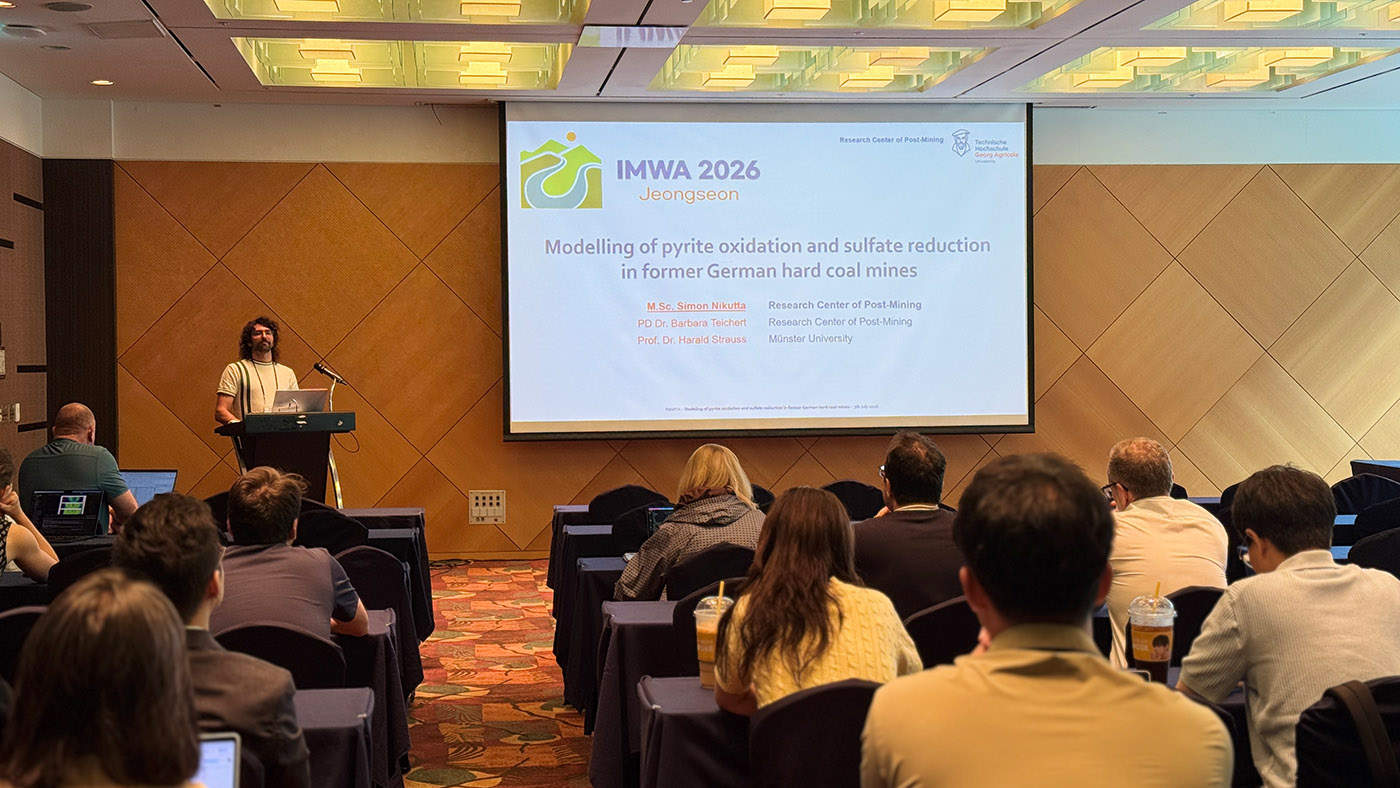
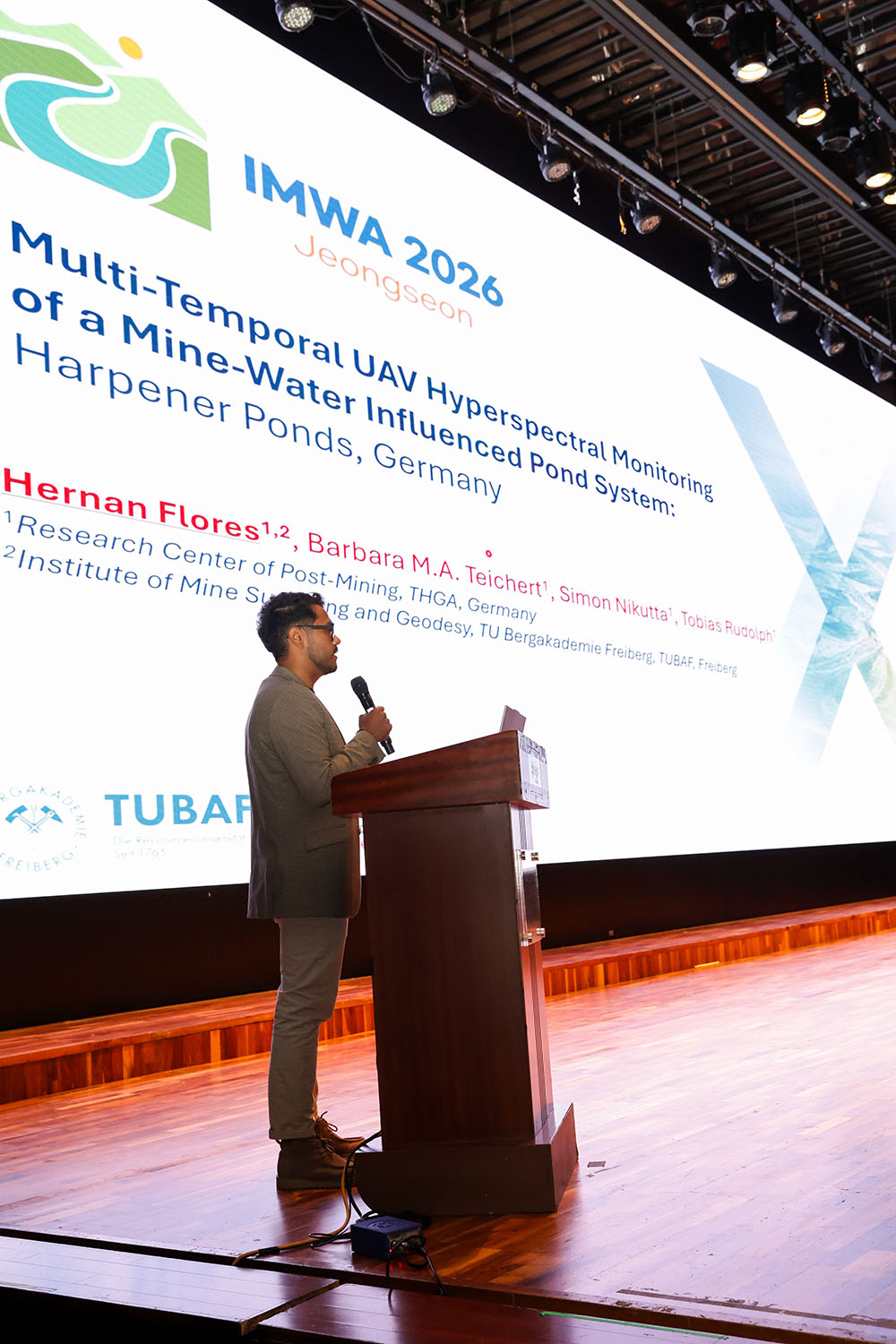
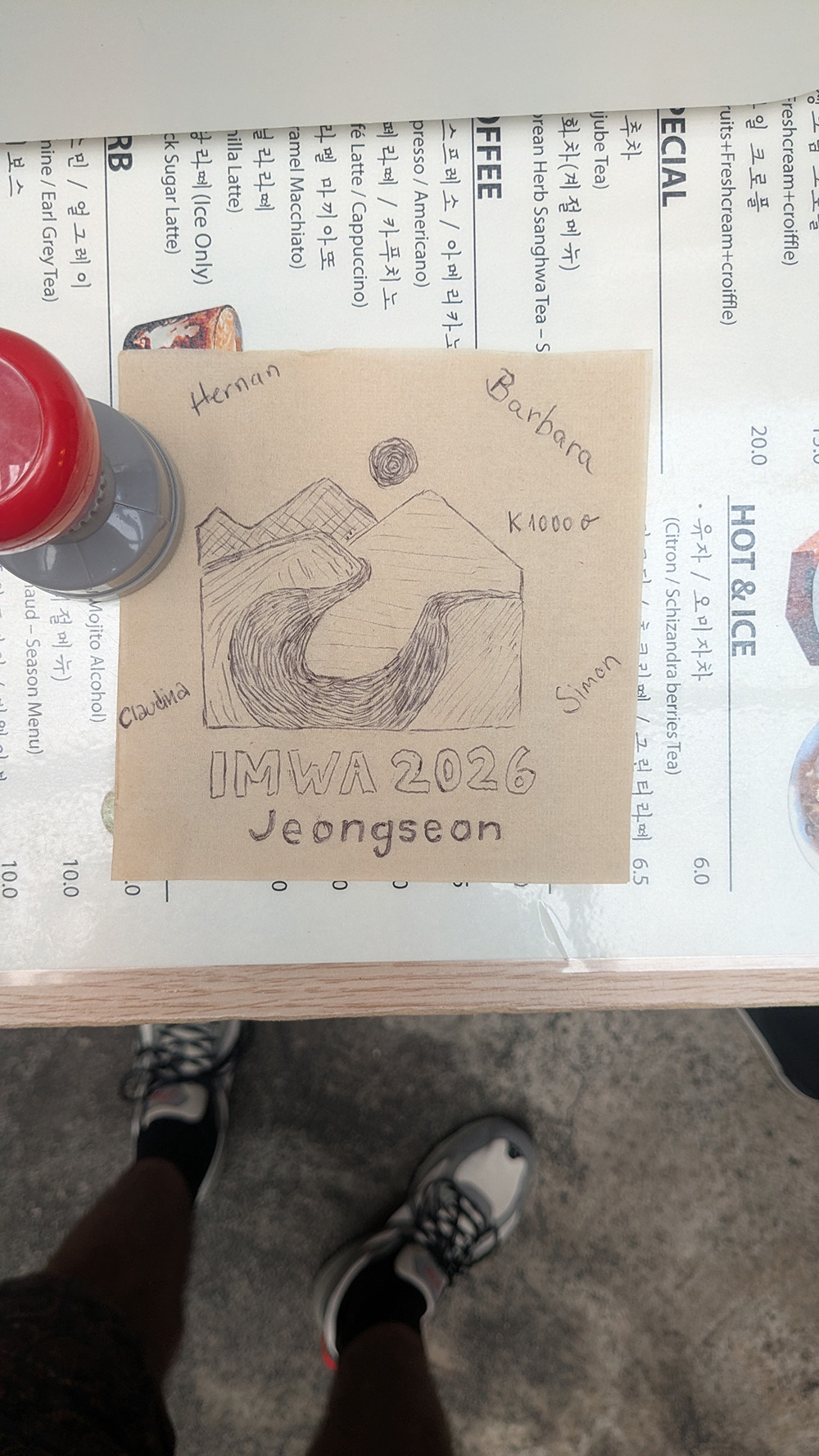
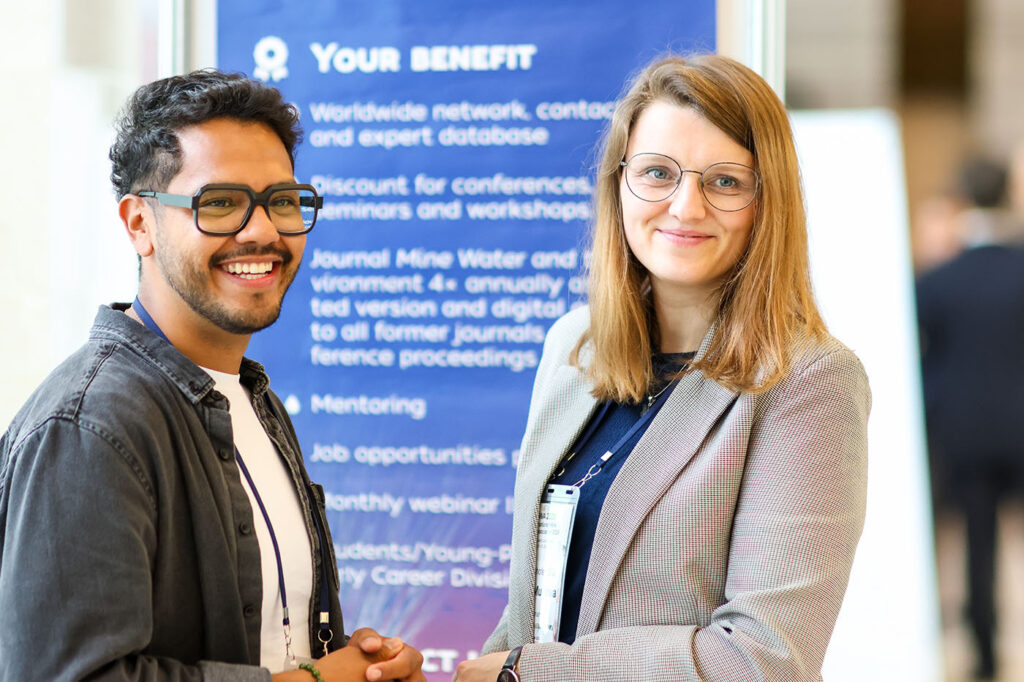
For FZN, participating in the annual conferences of the International Mine Water Association (IMWA) is a well-established tradition. Following previous participation in countries such as South Africa, Portugal, Spain and the United States, South Korea was now on the agenda. During the successful multi-day event, marked by intensive and rewarding exchange, Dr. Barbara Teichert, Hernan Flores, and Simon Nikutta were not only able to gain insight into a fascinating post-mining region, but also to present their research to an international expert audience.
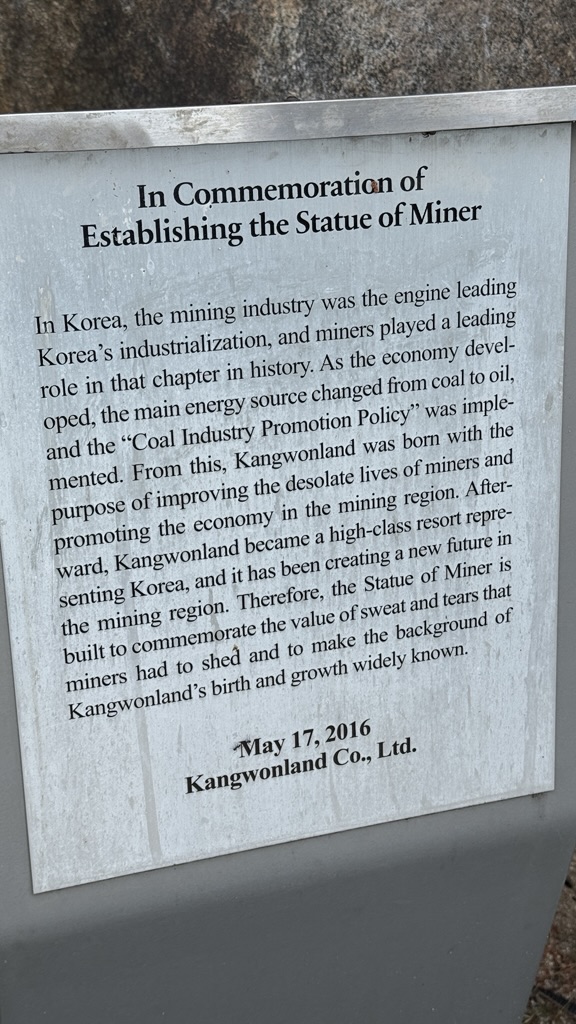
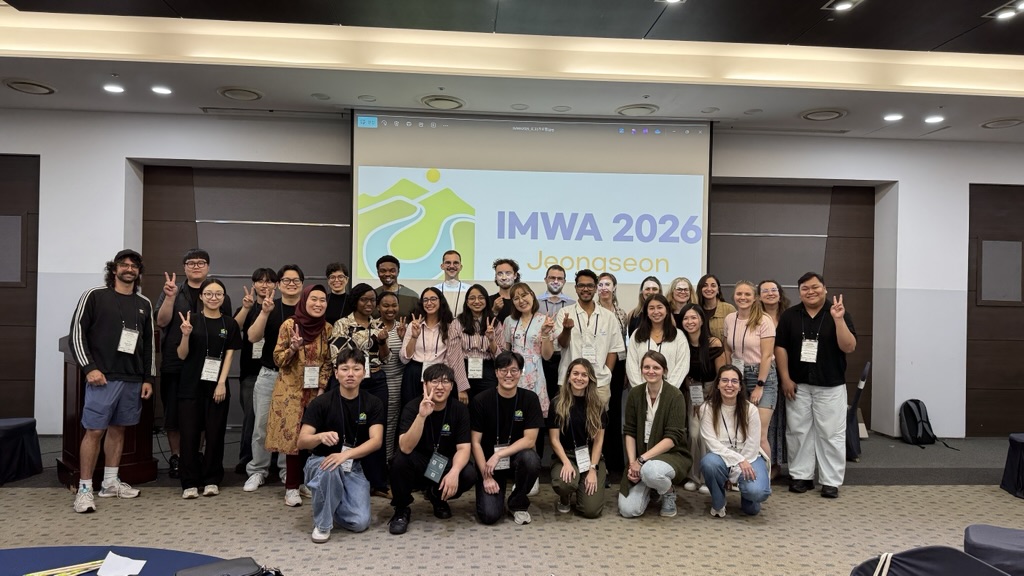
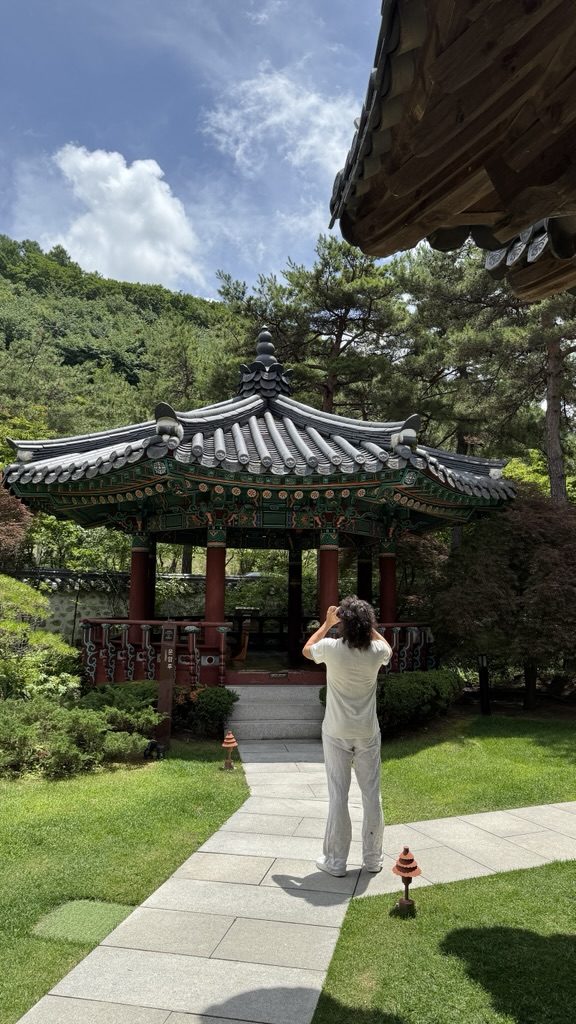
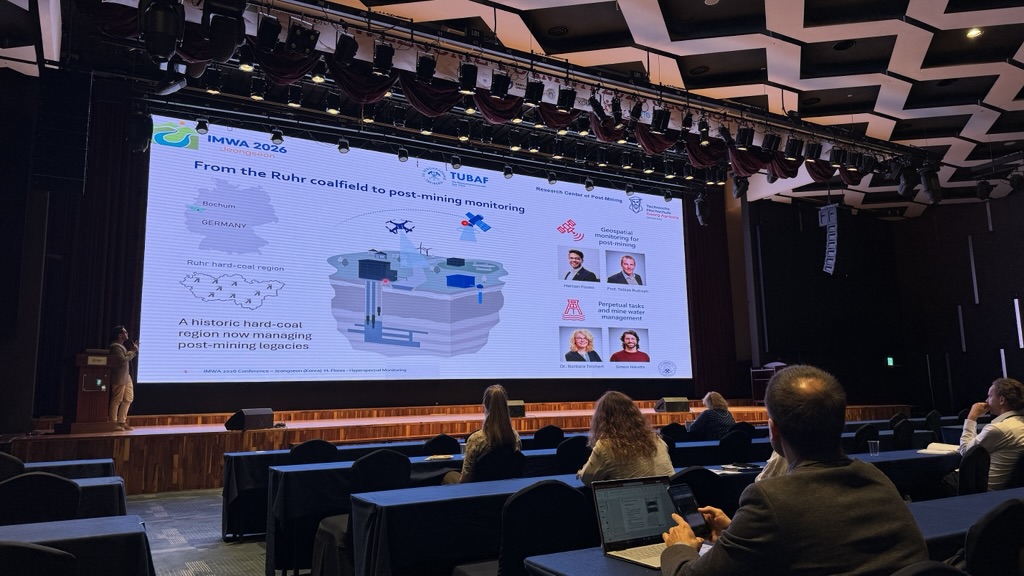
Photos: FZN
Although geographically distant, IMWA 2026 was held in Jeongseon under the motto “Sustainability & Efficiency.” Yet in view of the similar challenges arising from the end of hard coal mining in Germany and FZN’s already close ties with South Korea, that distance seemed to narrow considerably. The conference venue, Jeongseon, is located in Gangwon-do Province, with which FZN and DMT-LB have maintained close relations since 2025, following a delegation visit to Bochum that initiated this partnership. The signing of a cooperation agreement was followed by a trip by Prof. Christian Melchers and Dr. des. Julia Haske a region shaped by the challenges of the hard coal phase-out.
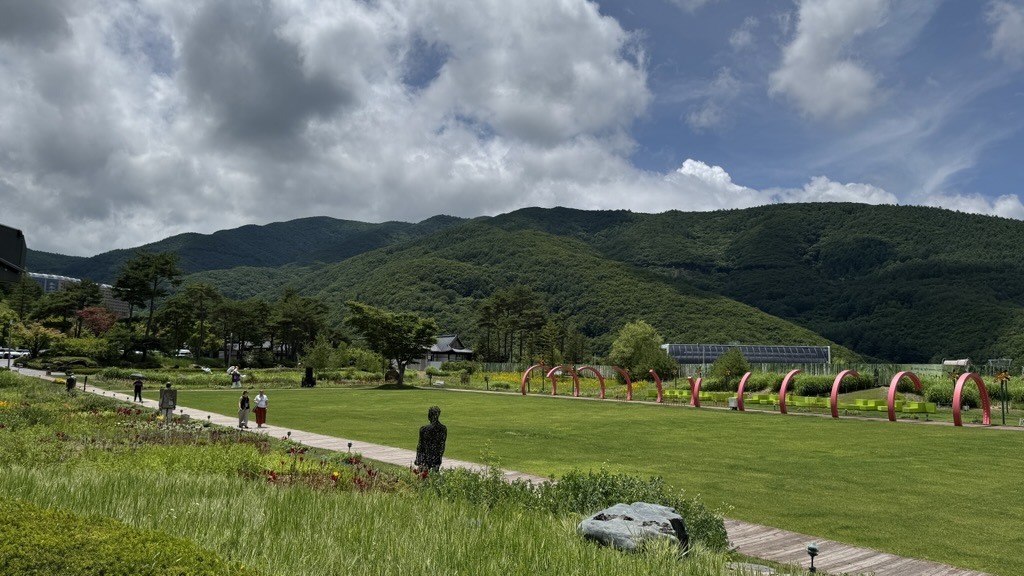
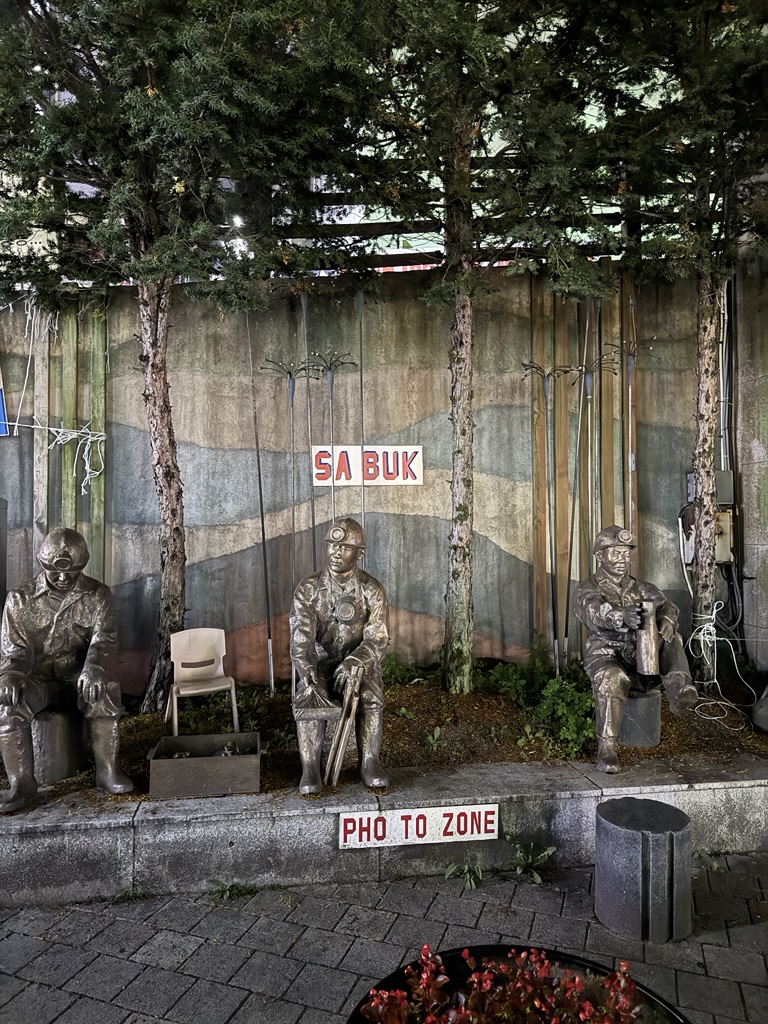
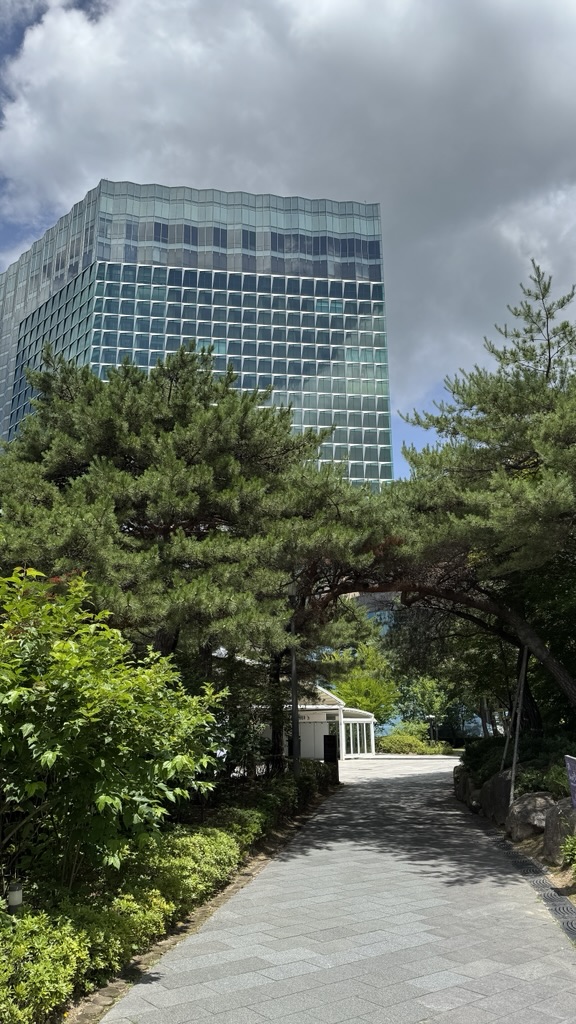
This mining heritage also applies to a great extent to Jeongseon, the venue of the IMWA conference, and in particular to the towns of Gohan and Sabuk, which were strongly shaped by former hard coal mining. Coming from the Ruhr region, the FZN team therefore found it especially interesting to see on site how part of this former mining area has been transformed into a tourism, leisure, and conference destination with the High1 Resort. The region is thus undoubtedly a vivid example of structural change and post-mining development, offering many points of connection for further exchange between Gangwon-do and FZN researchers.
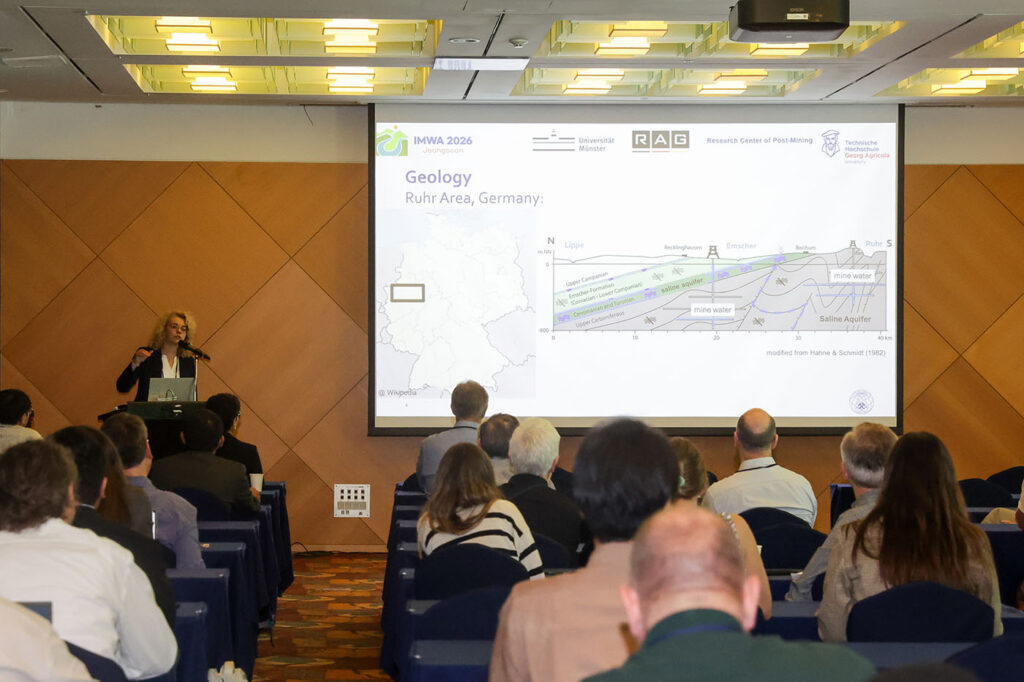
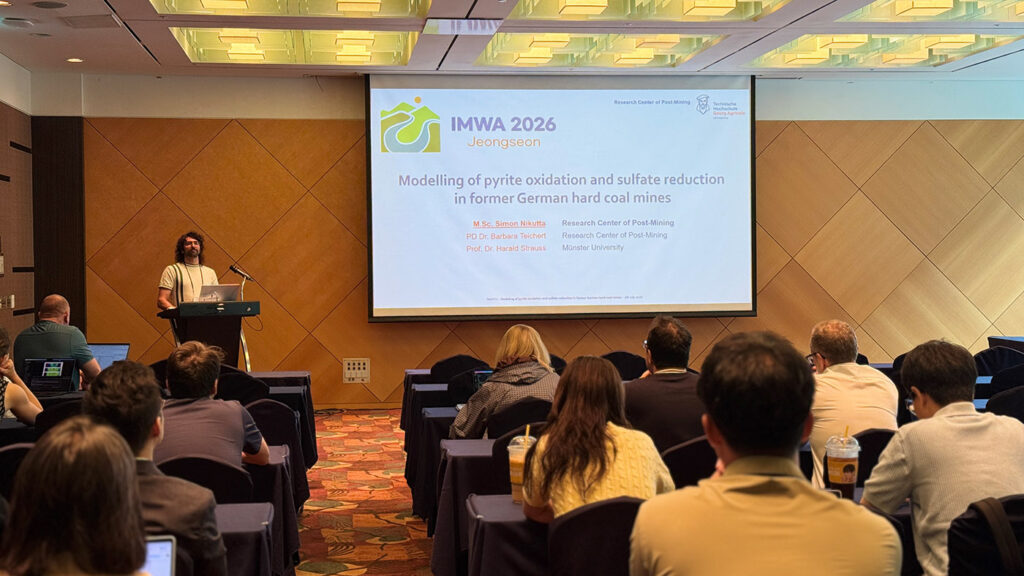
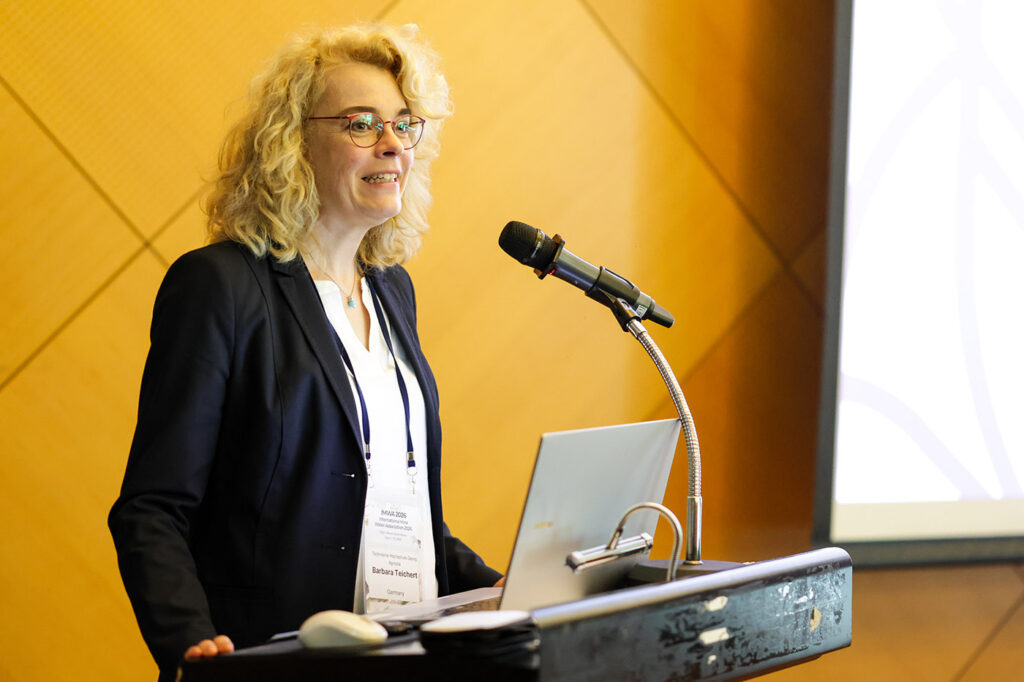
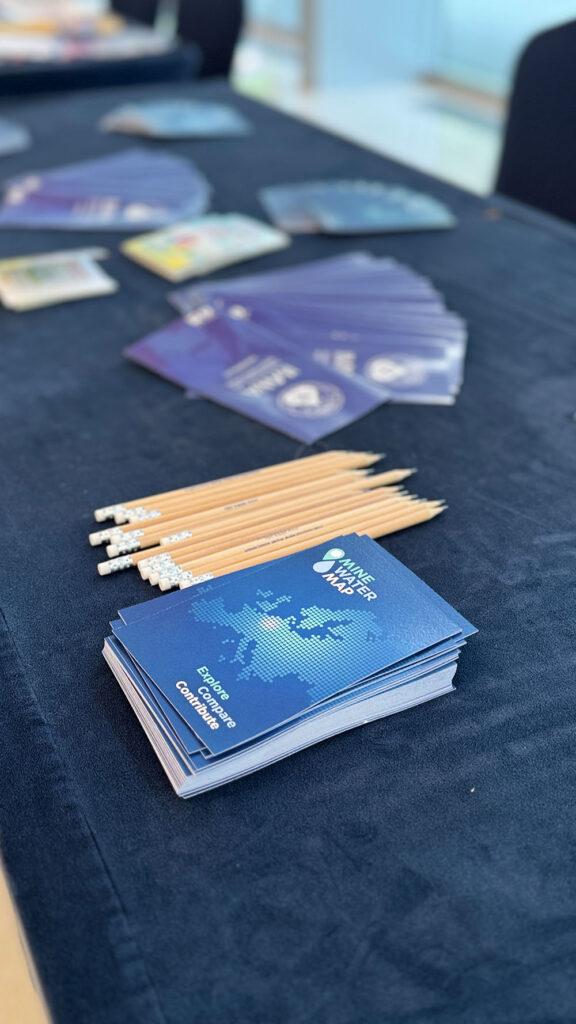
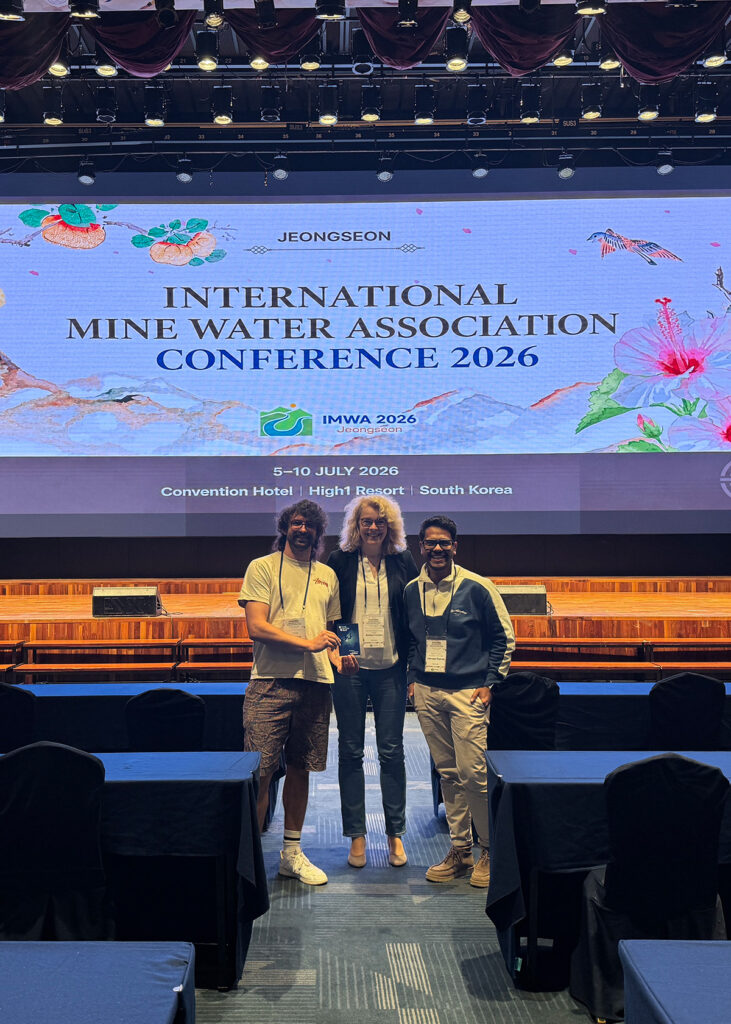
Fotos: © IMWA / FZN
A broad spectrum of topics at IMWA 2026
The conference addressed key challenges and solutions in the management of mine water, ranging from the prevention and treatment of acid mine drainage to hydrogeological and geochemical processes and the sustainable management of water resources. Another focal point of IMWA 2026 was the ecological, social, and economic impacts of active and abandoned mines, including legacy contamination, tailings, land rehabilitation, and the protection of groundwater and surface water. At the same time, innovative approaches took center stage, including active and passive treatment methods, nature-based solutions, and the use of technologies such as AI, sensor systems, drones, and robotics. The program was further complemented by topics such as climate adaptation, the circular economy, the use of mine water for geothermal energy, and international case studies that provided practical insights into successful strategies for addressing post-mining challenges.
Von Seiten des FZN wurden insgesamt vier Beiträge präsentiert:
- FZN presented a total of four contributions:
Multi-Temporal UAV Hyperspectral Monitoring of a Mine-Water Influenced Pond System: Harpener Teiche (Germany)
Download (PDF) - Barbara Teichert, Simon Nikutta, Harald Strauss, Svenja Weinand und Sebastian Westermann:
Impacts of Extreme Precipitation on Abandoned Mines: A Case Study from North Rhine-Westphalia, Germany
Download (PDF) - Simon Nikutta, Barbara Teichert und Harald Strauss:
Modeling of Pyrite Oxidation and Sulfate Reduction in Former German Hard Coal Mines
Download (PDF) - Hernan Flores, Bastian Reker, Tansel Dogan, Antonio Marquez, Alicja Krzemień und Vlad Mihai Păsculescu:
Revalorization of Coal Waste Facilities: The CRMsDataSpace EU Approach
Download (PDF)
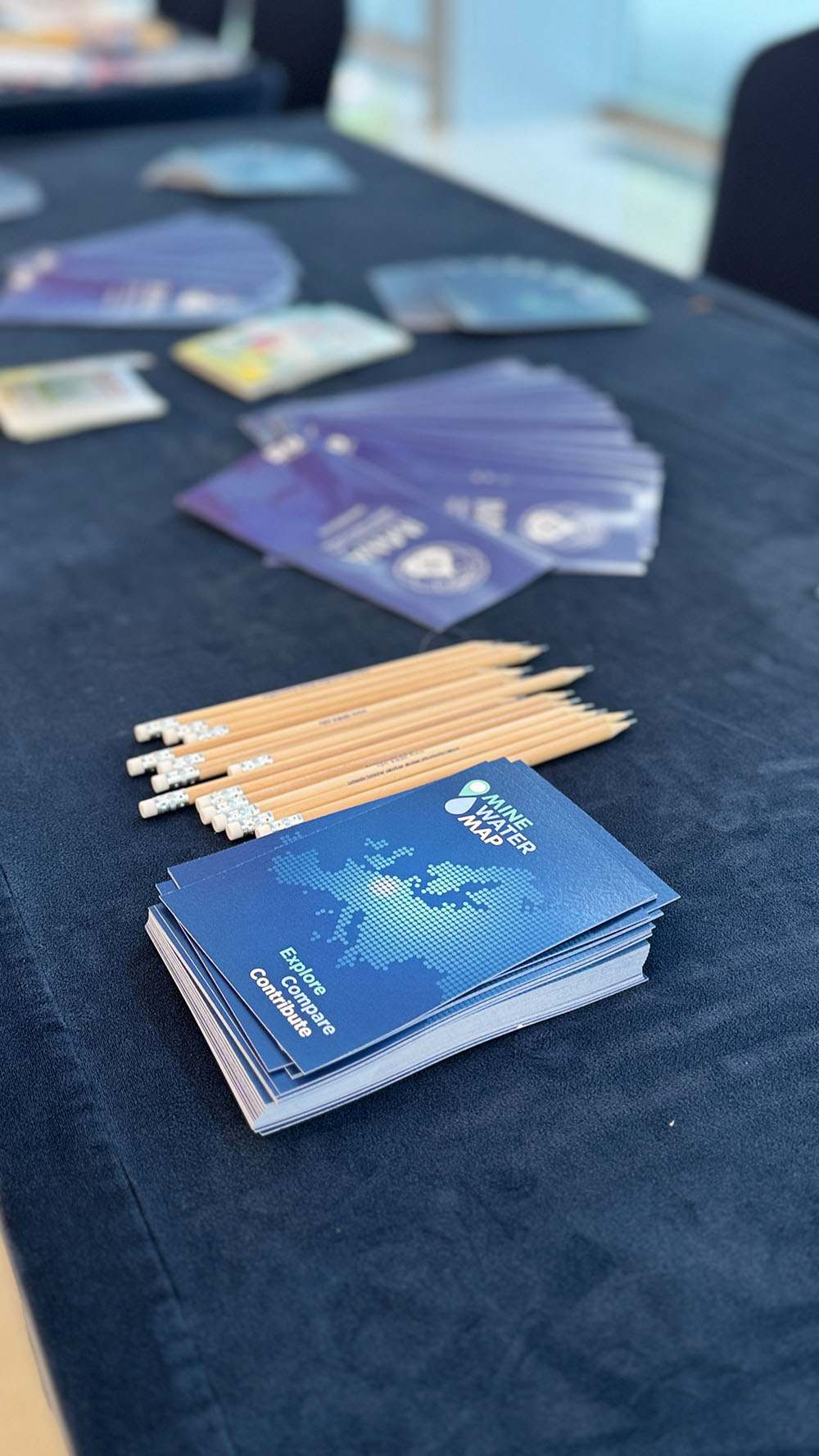
Beyond the technical exchange and presentations, IMWA 2026 also provided an excellent opportunity for FZN’s researchers to present the recently completed Mine Water Map and raise its visibility within the international IMWA community. The Mine Water Map, a GIS-based scientific database, already includes around 11,000 flooded or abandoned mines in Europe in the form of an interactive map and offers open access to information on mine water, mine water rise curves, geology, and hydrogeology.
The international exchange will continue at the next IMWA Congress, which will take place in Košice, Slovakia, from 6 to 9 September 2027 under the motto “Mining Legacy and Opportunities” .
About the International Mine Water Association (IMWA)
The International Mine Water Association (IMWA) is an international professional network dedicated to all topics related to mine water and the water-related impacts of mining.
It brings together experts from academia, industry, engineering practice, and public authorities who work on issues such as the following:
- Water in active and abandoned mines
- Mine water management and water treatment
- Environmental impacts of mining
- Legacy issues and post-mining challenges
- Sustainable solutions for former mining regions