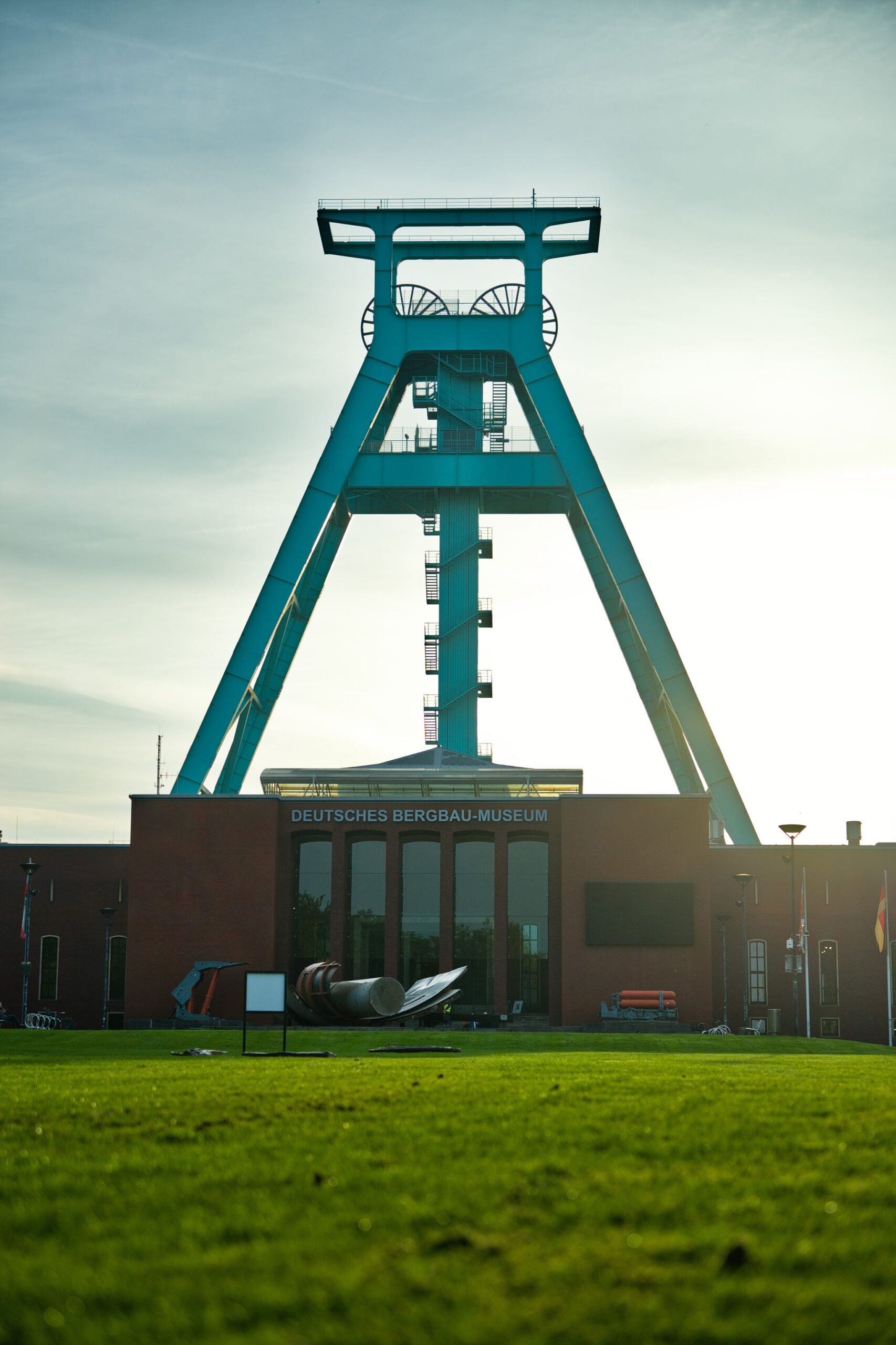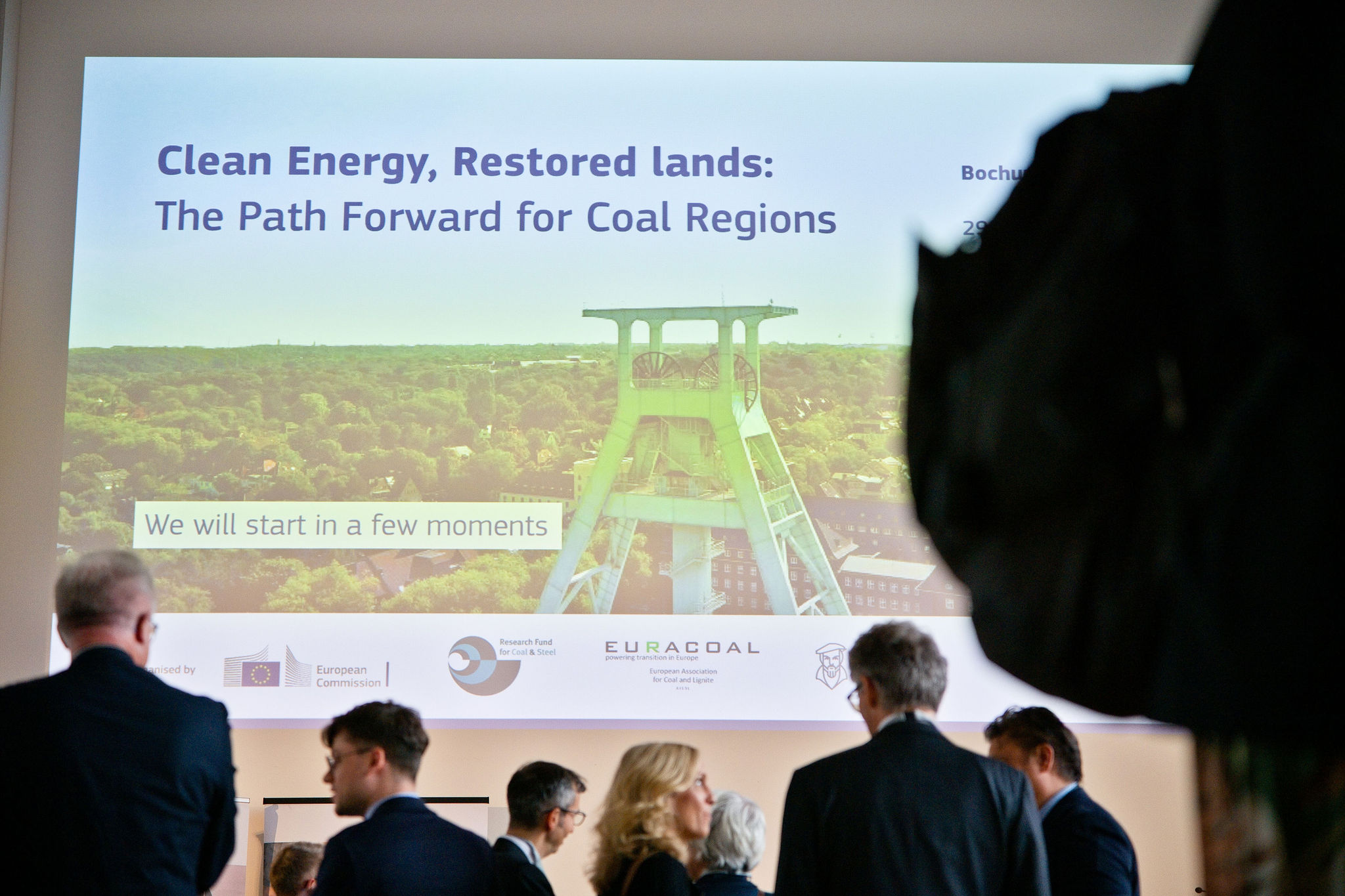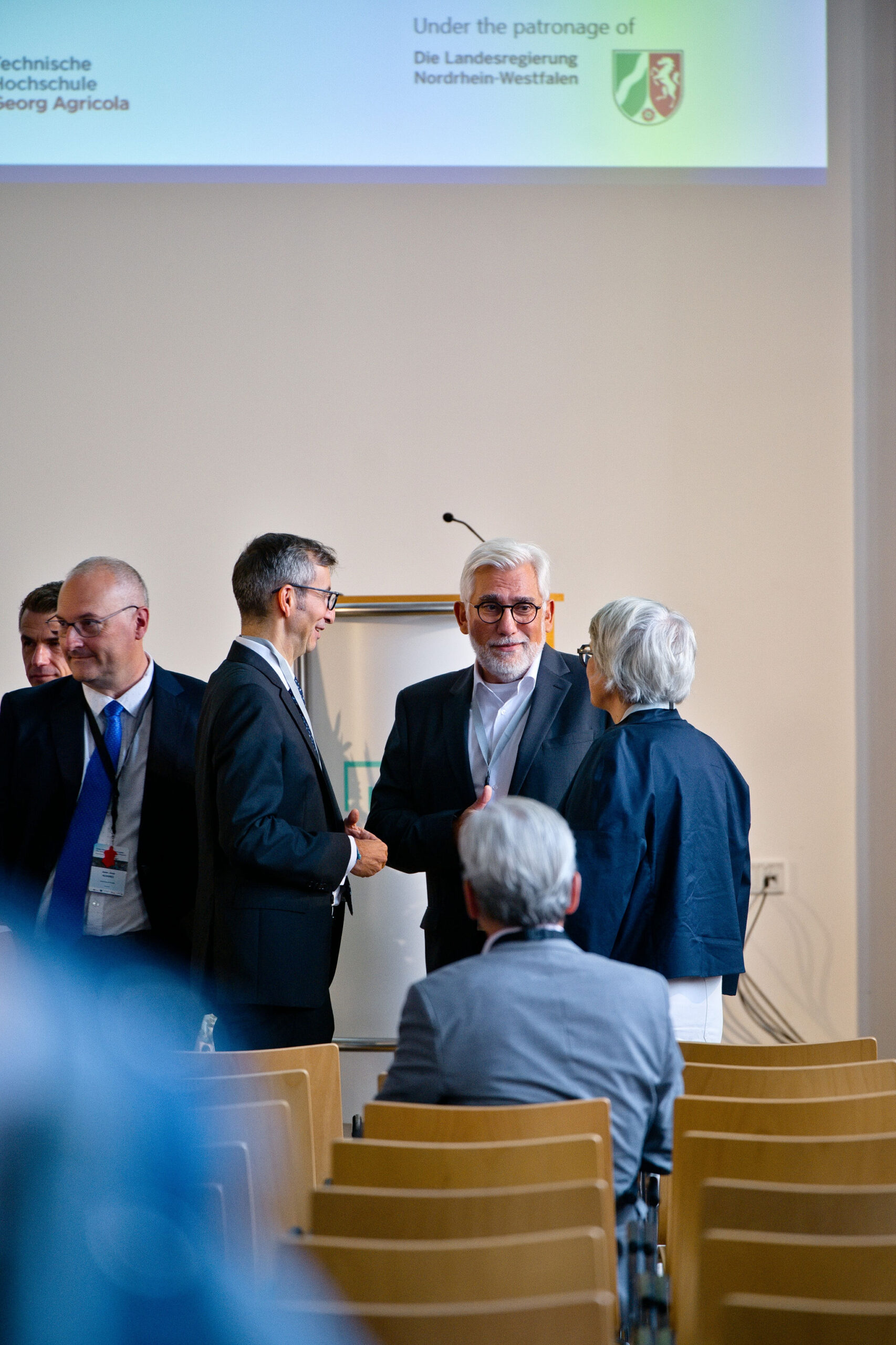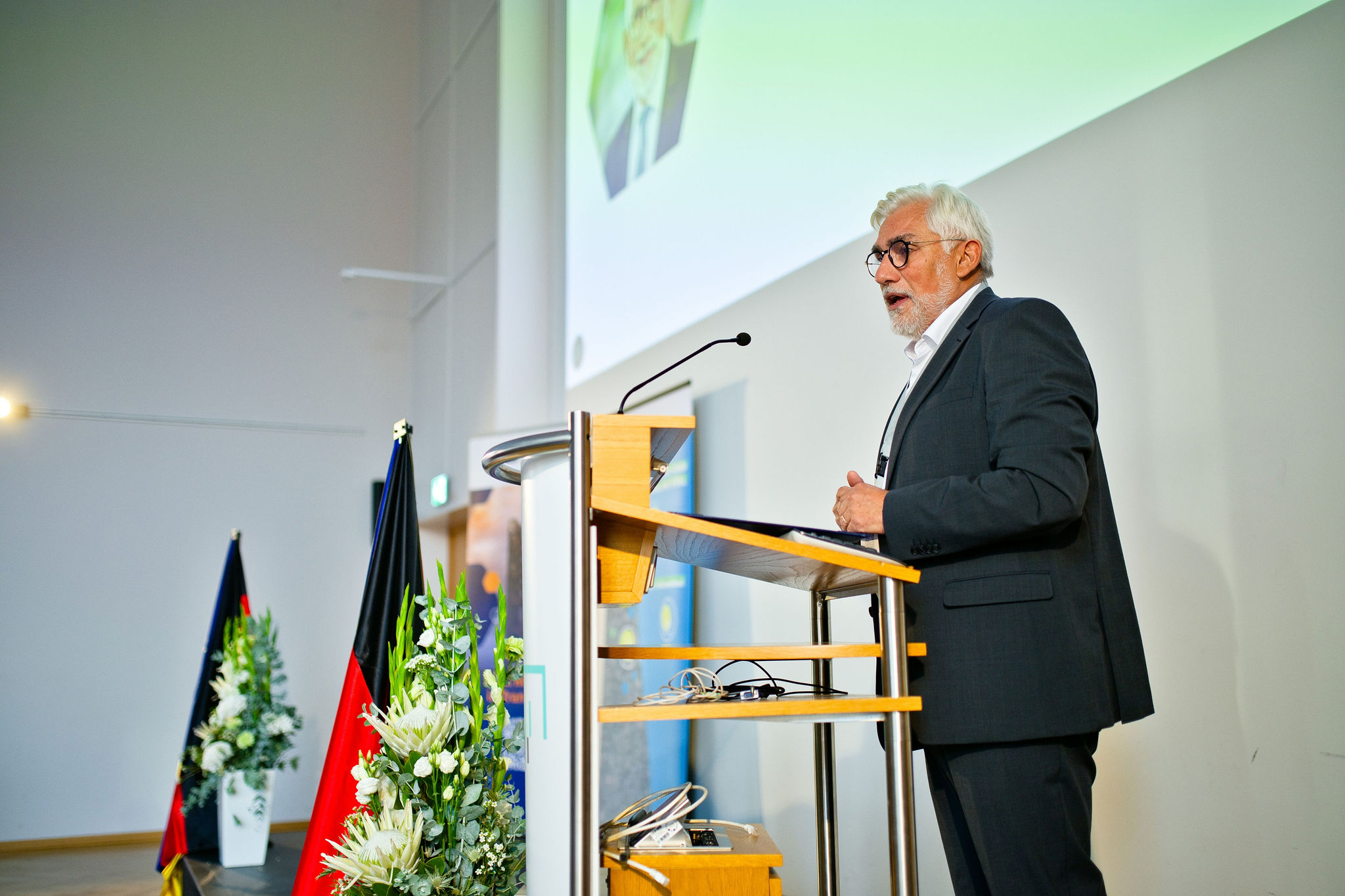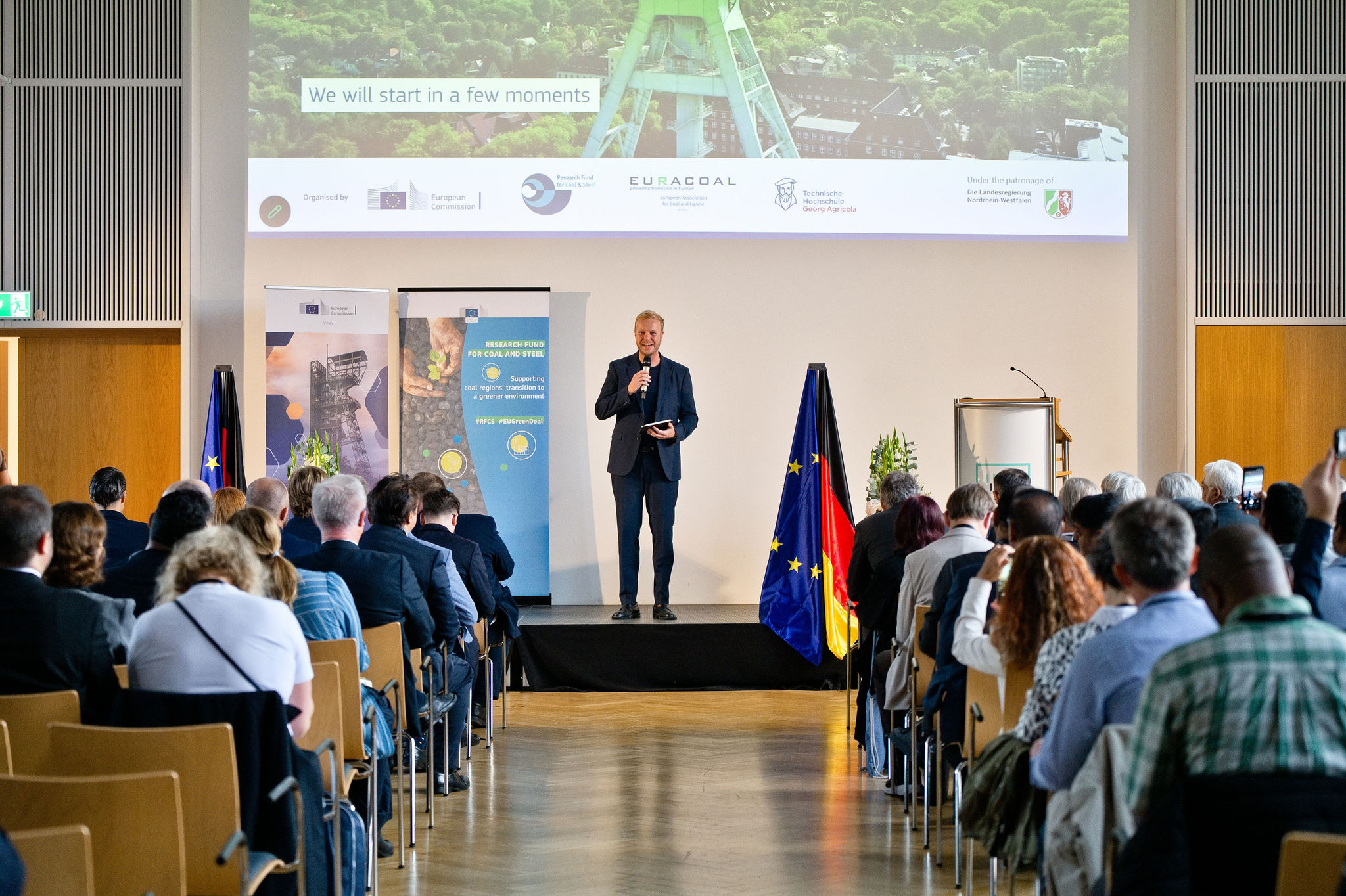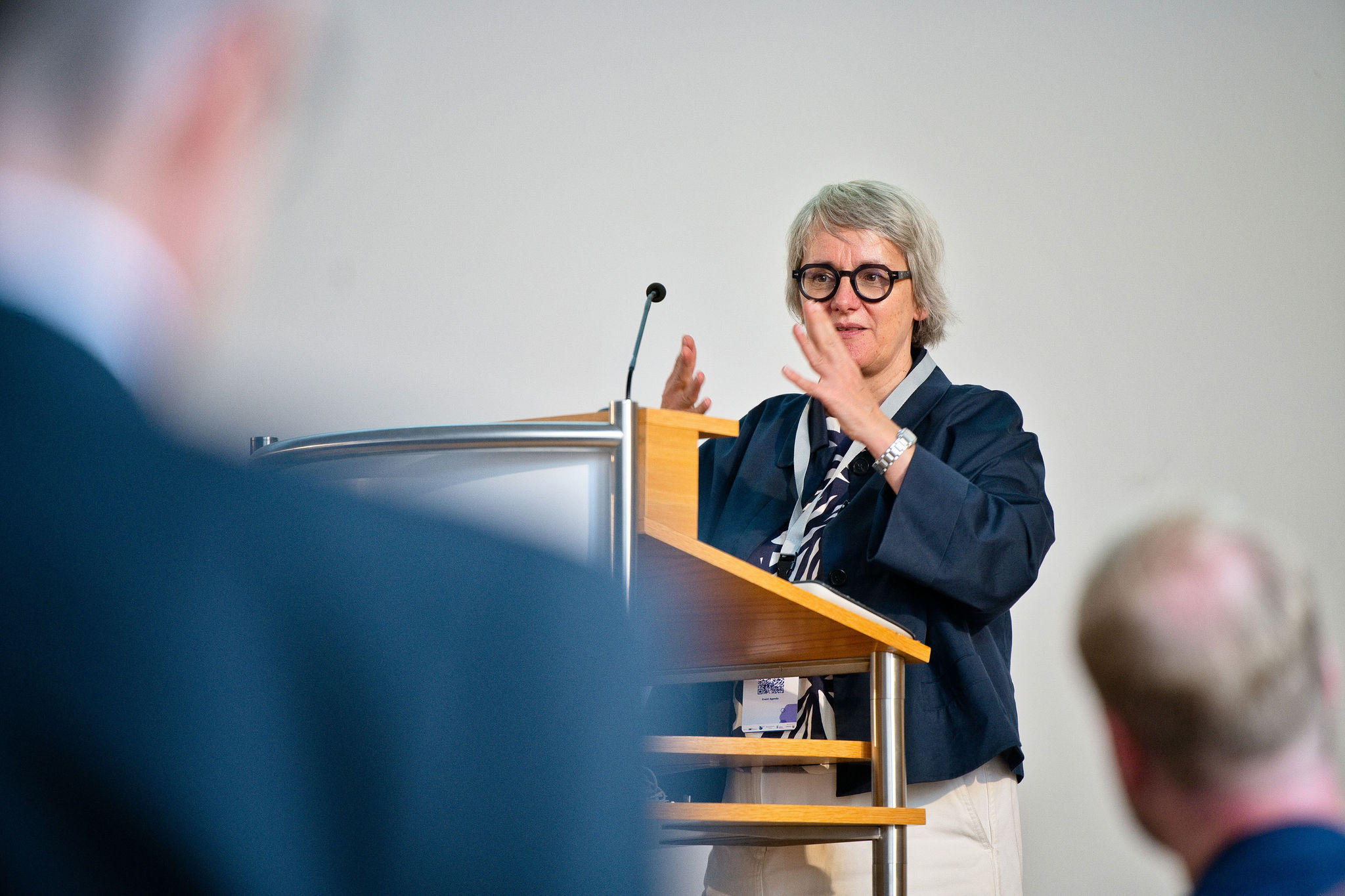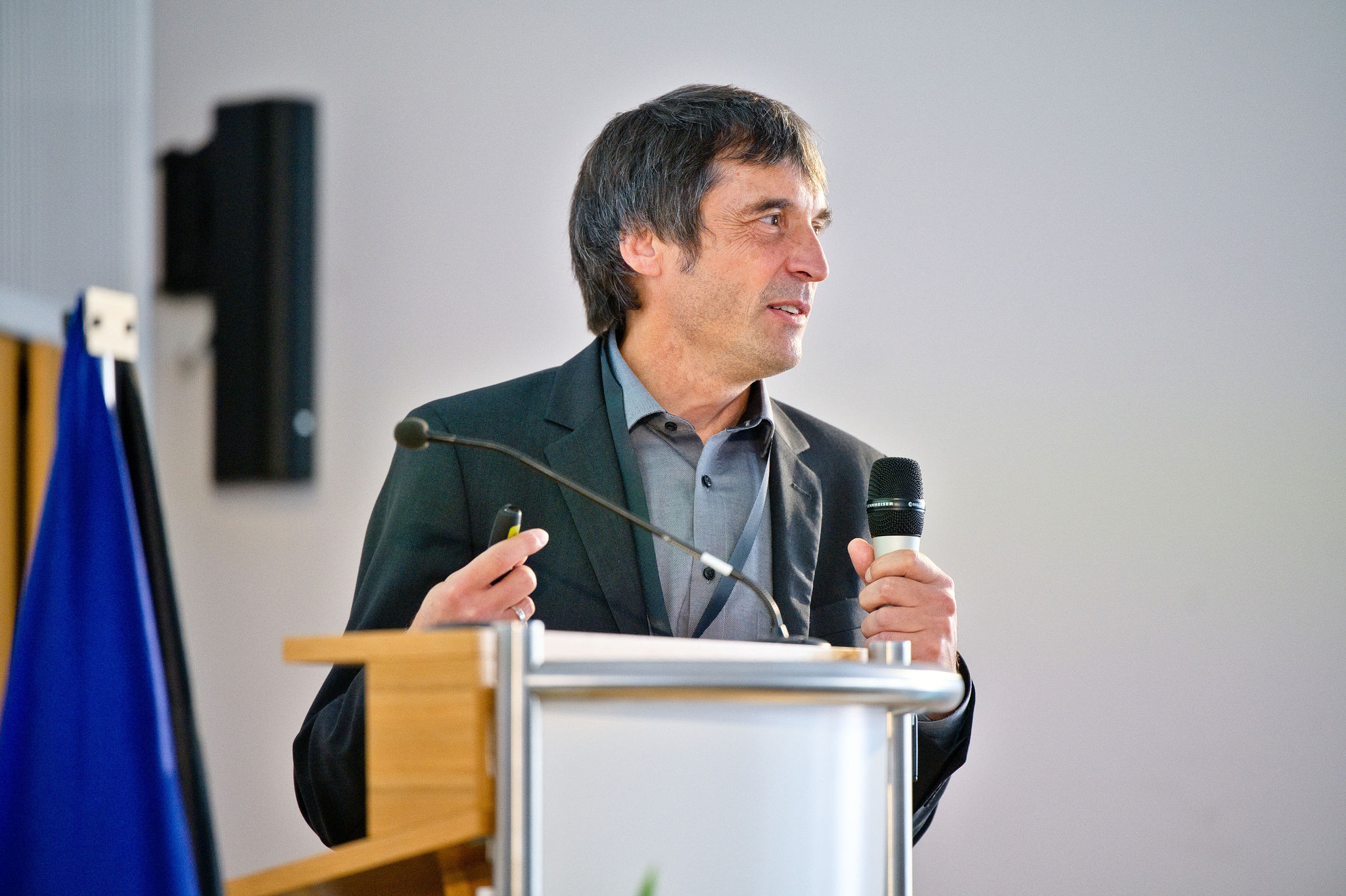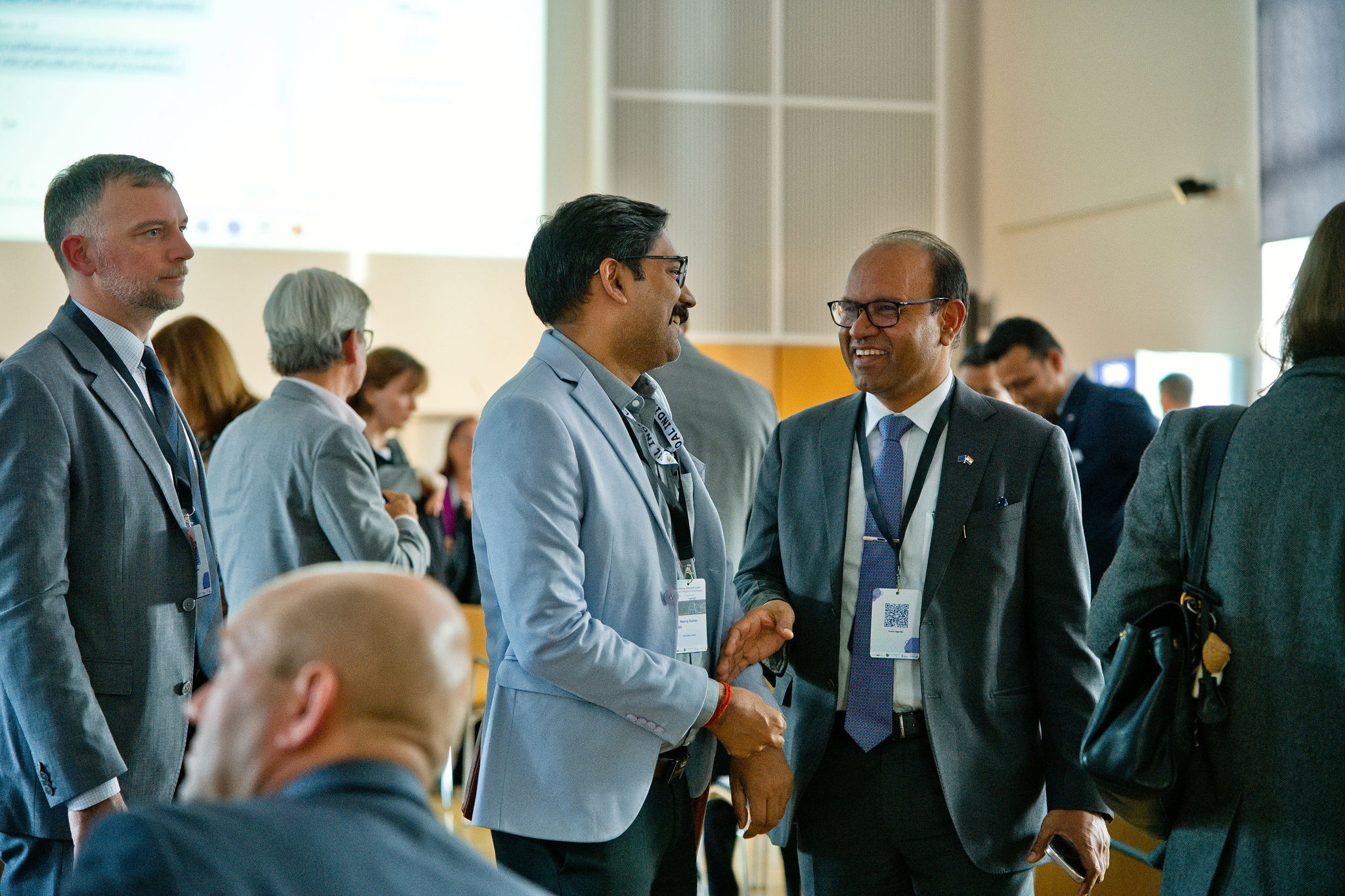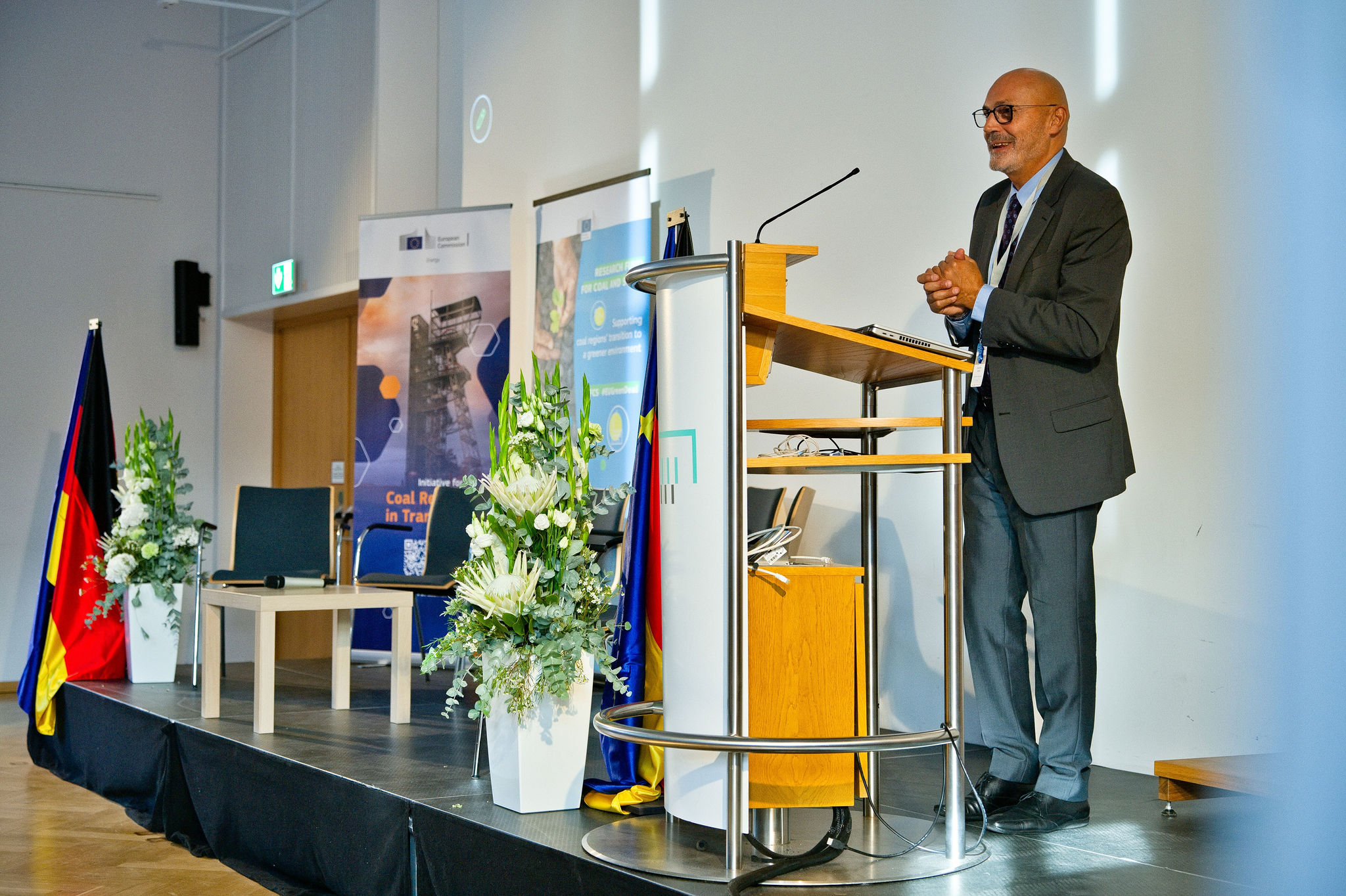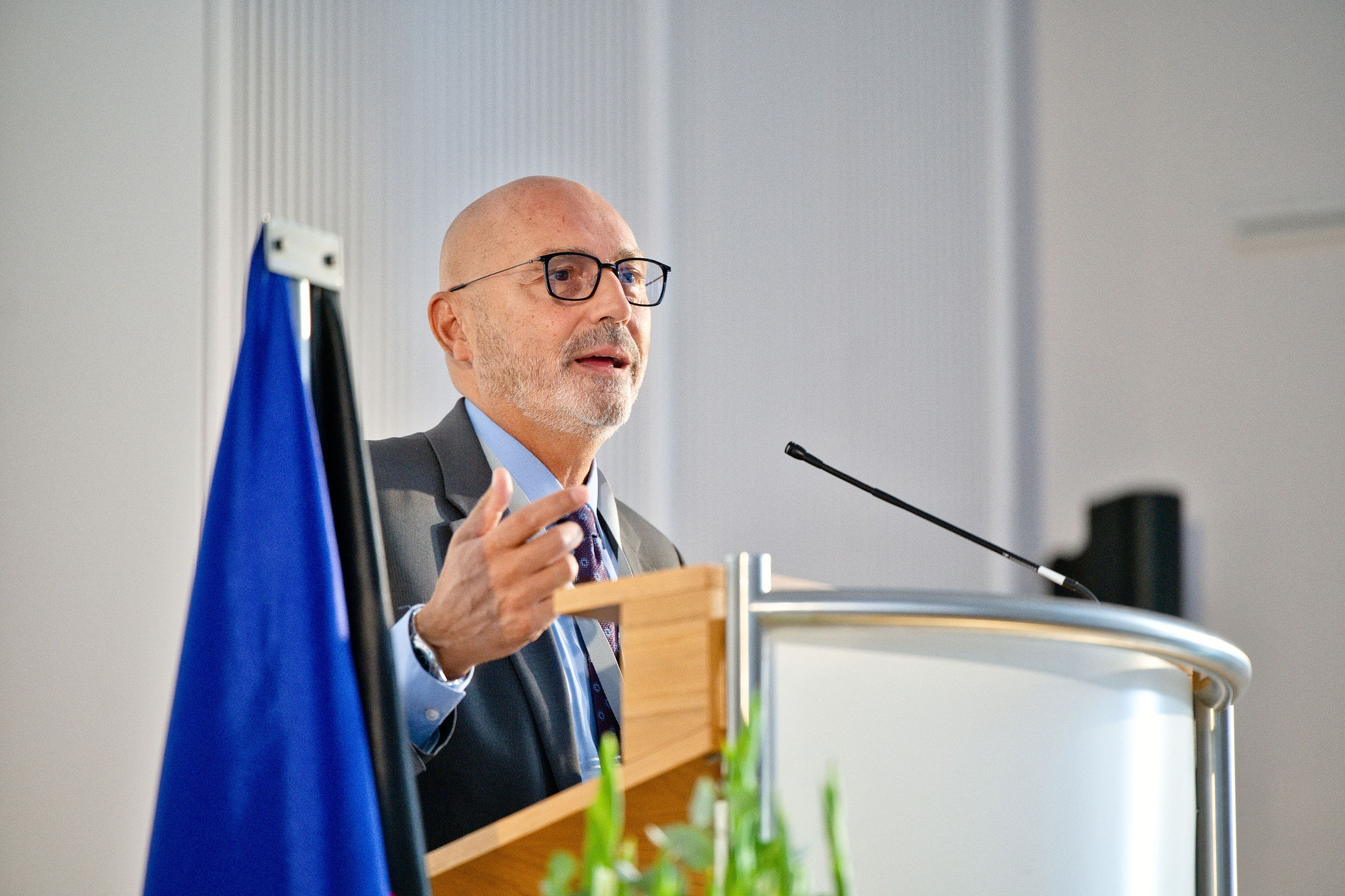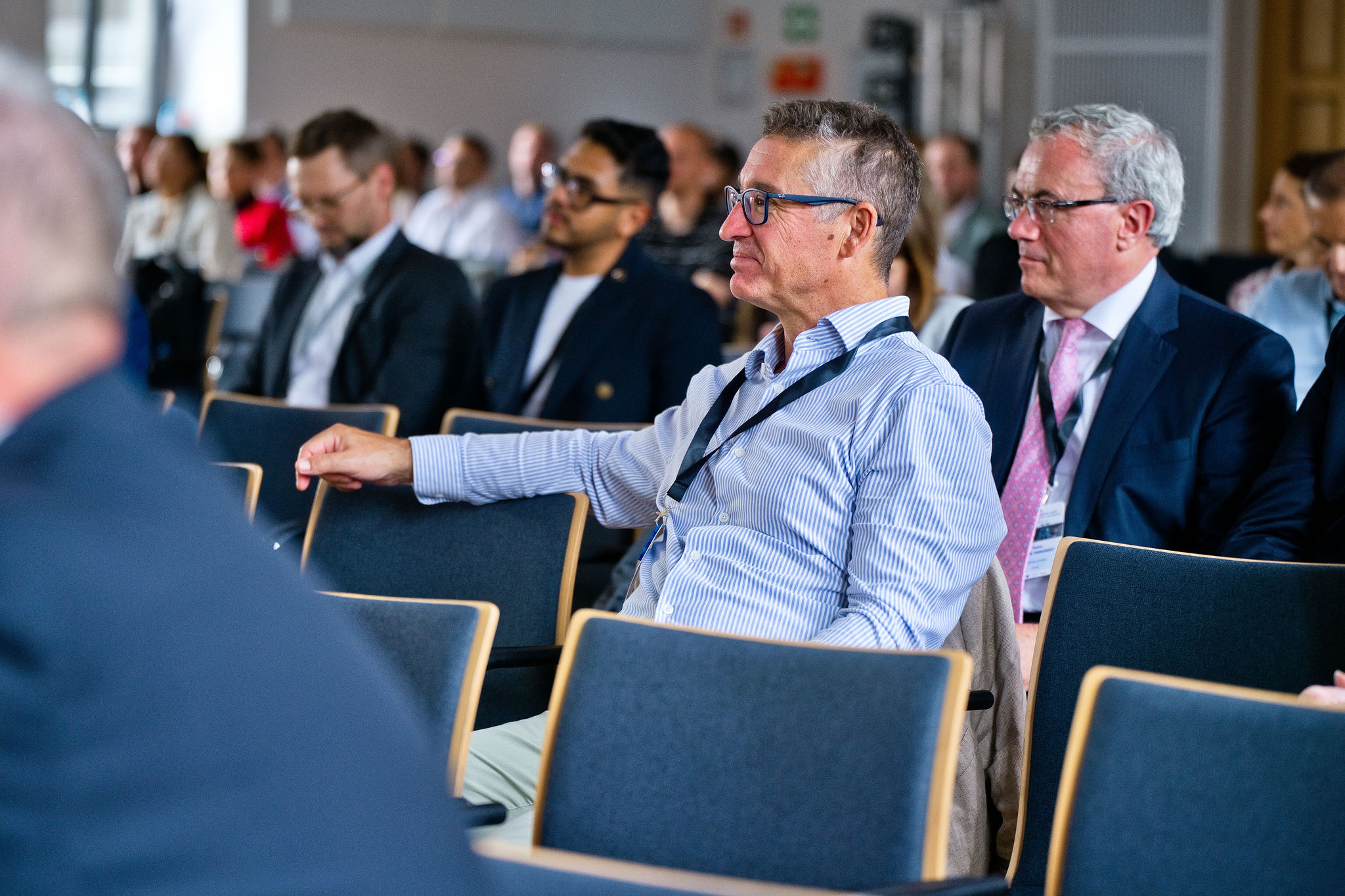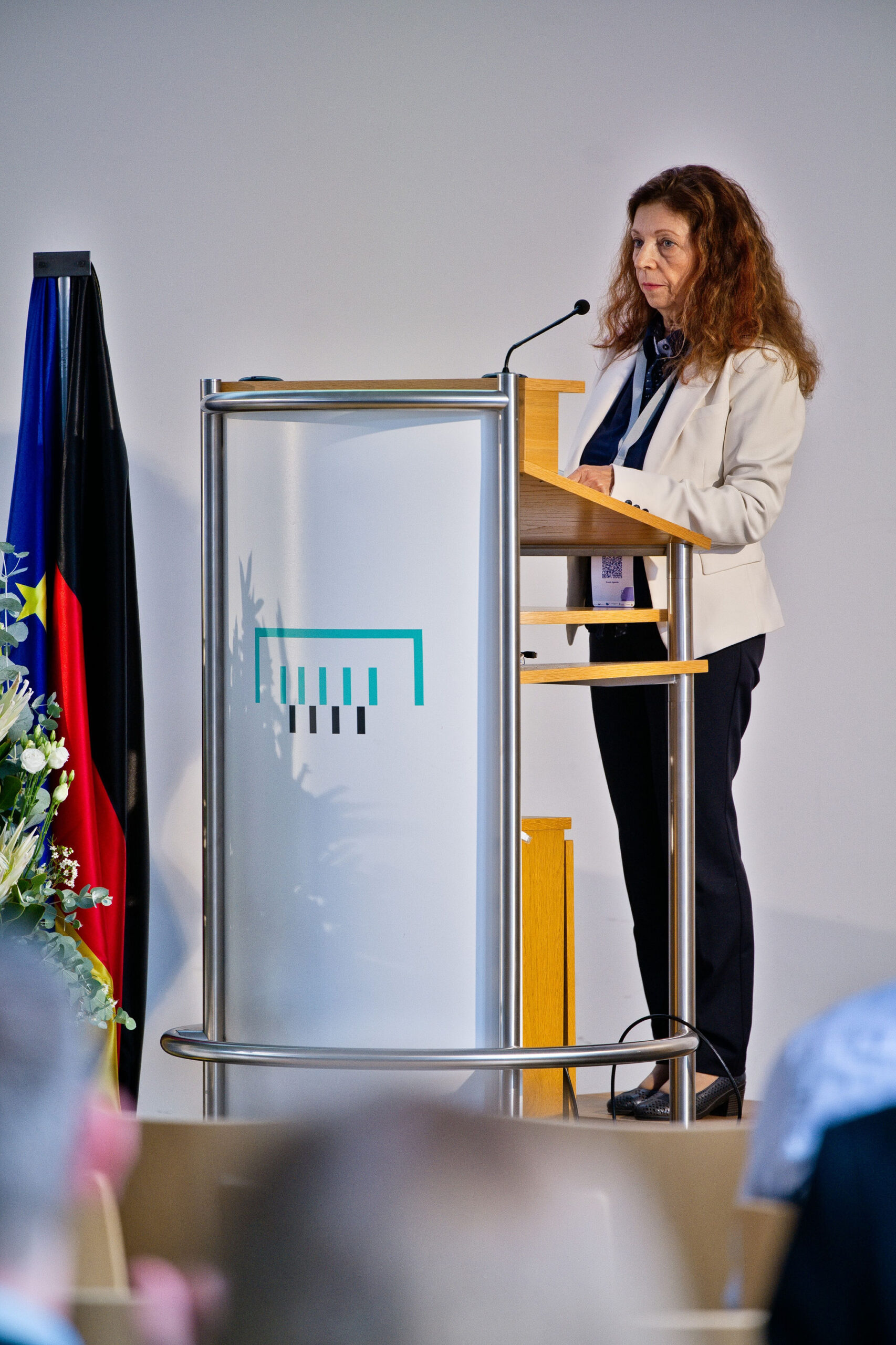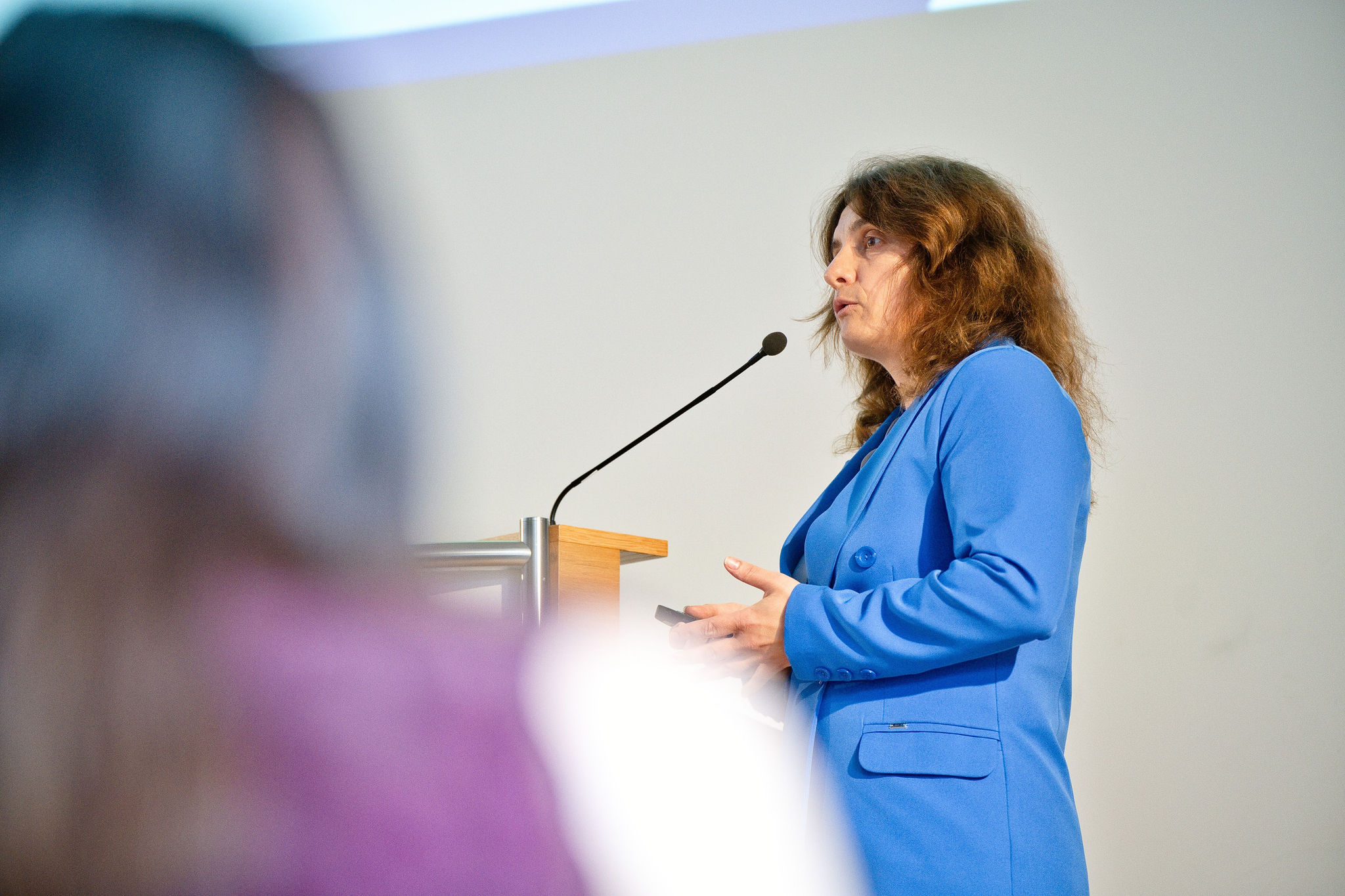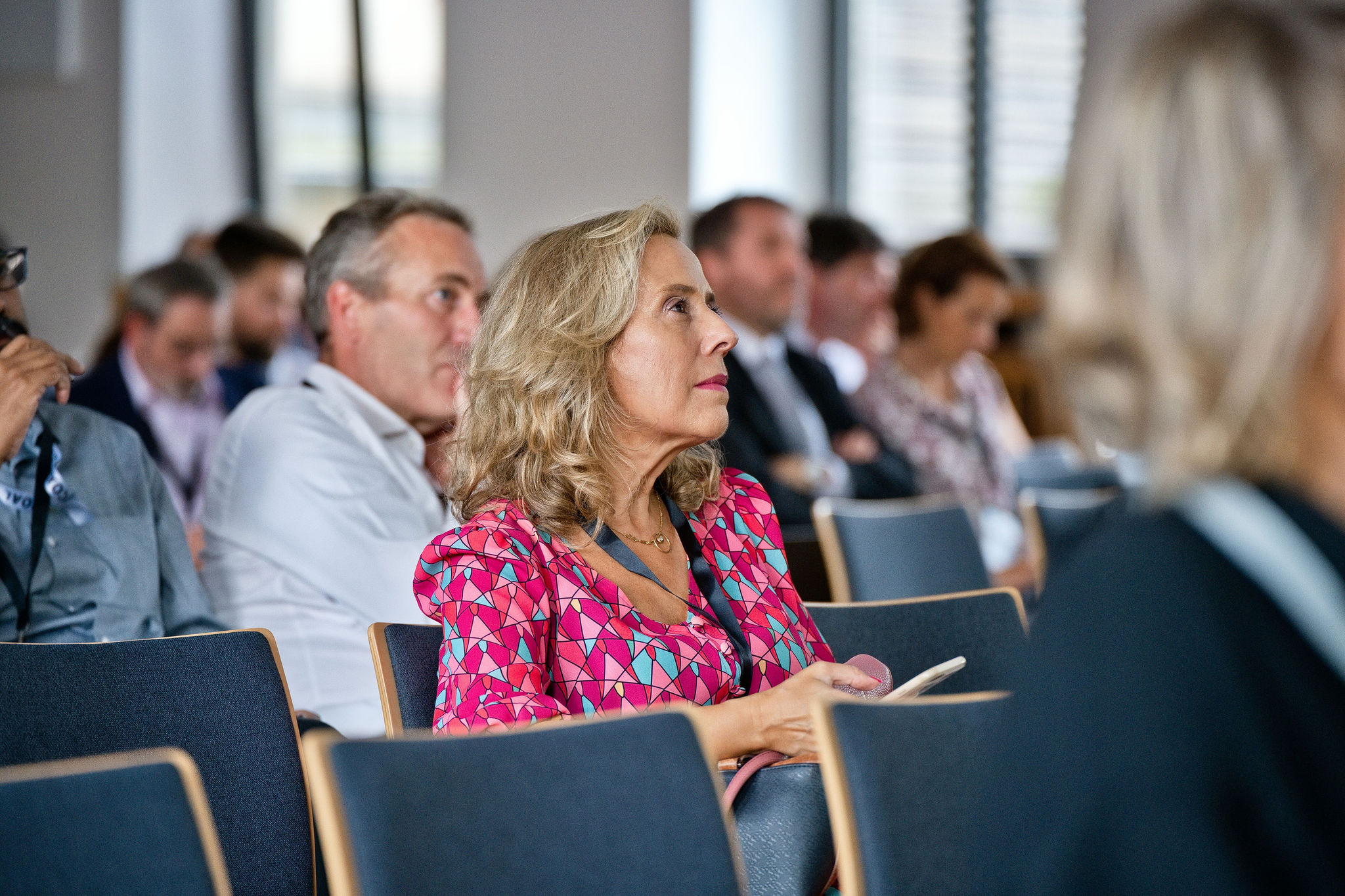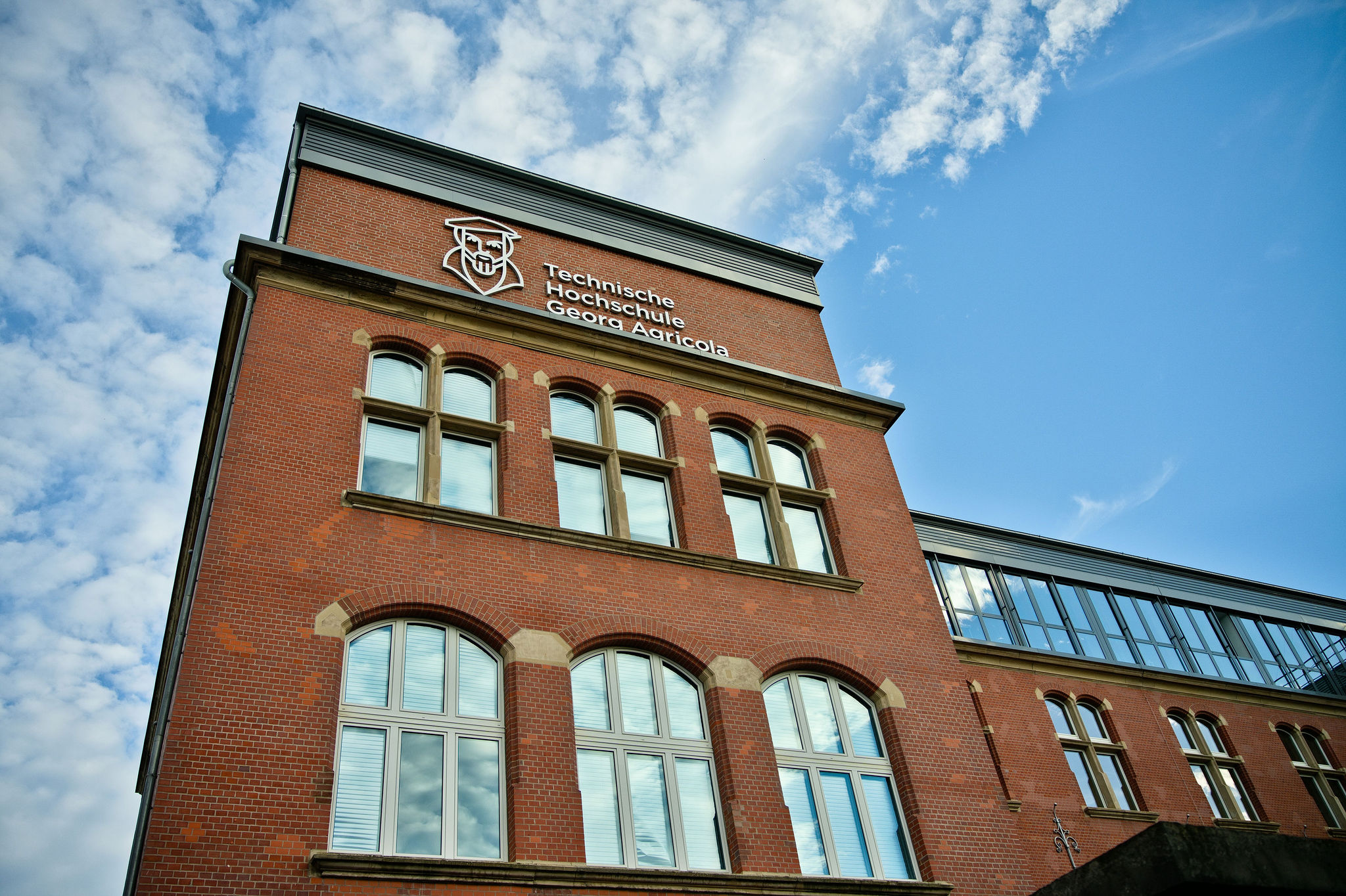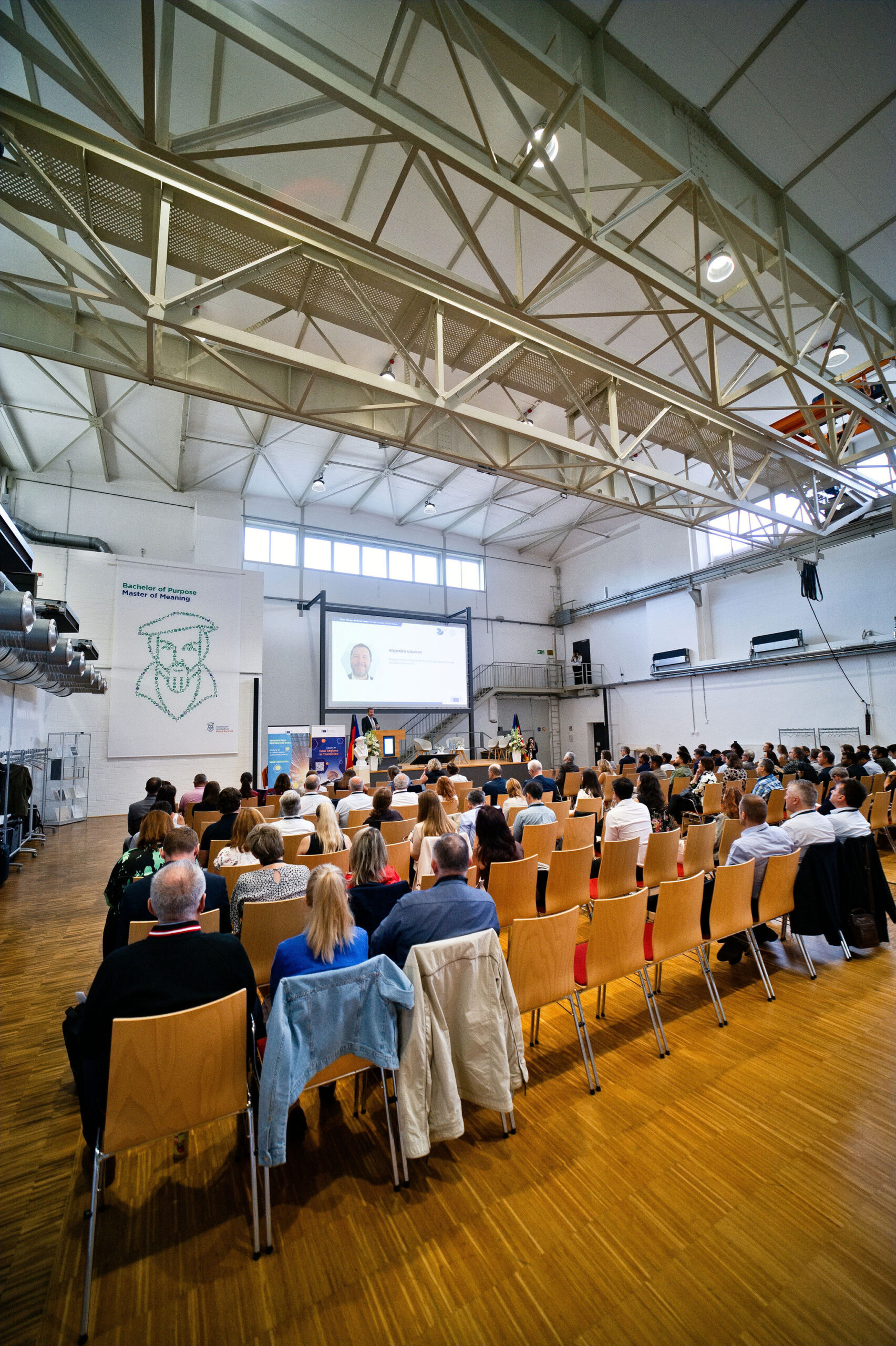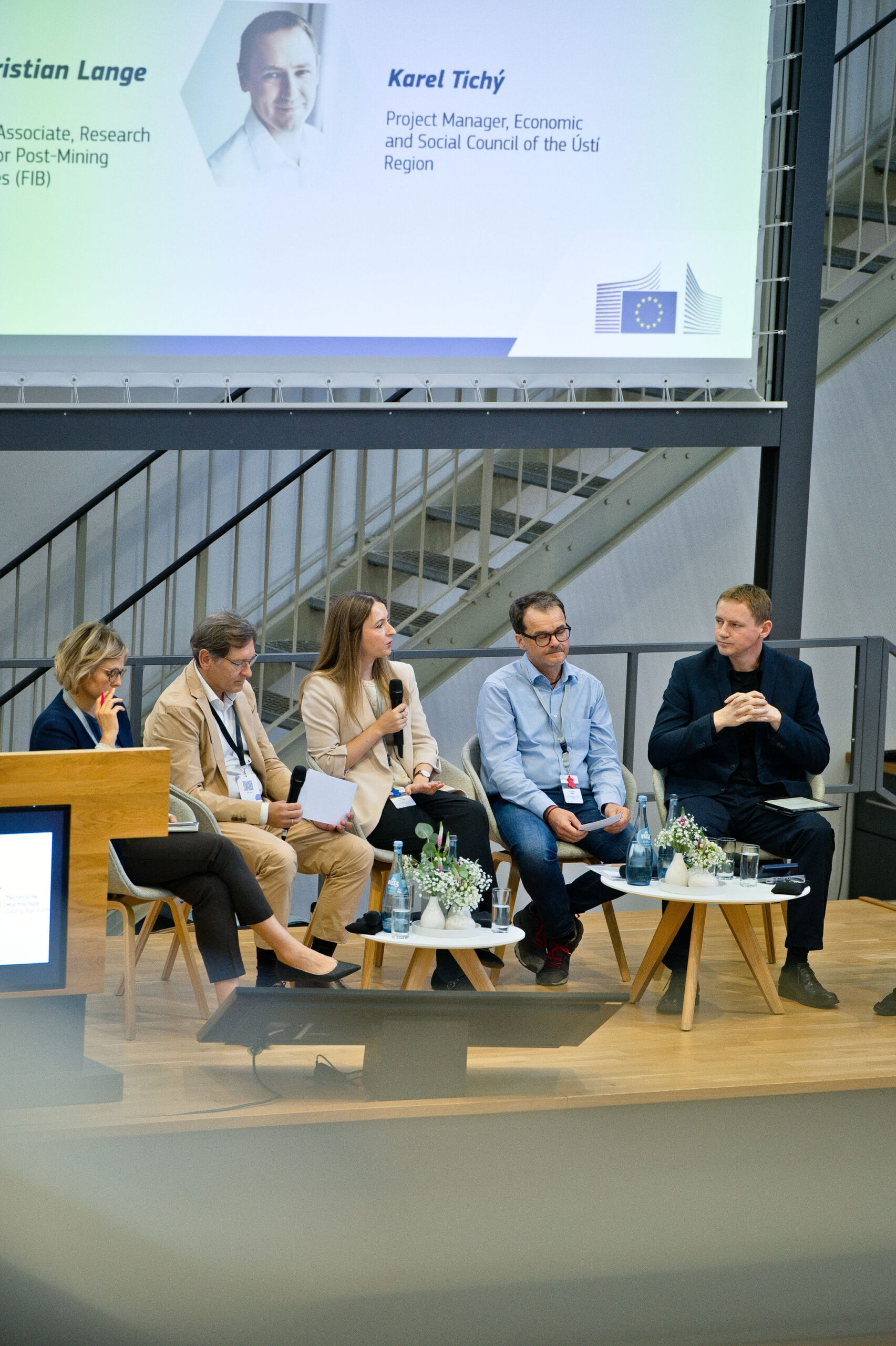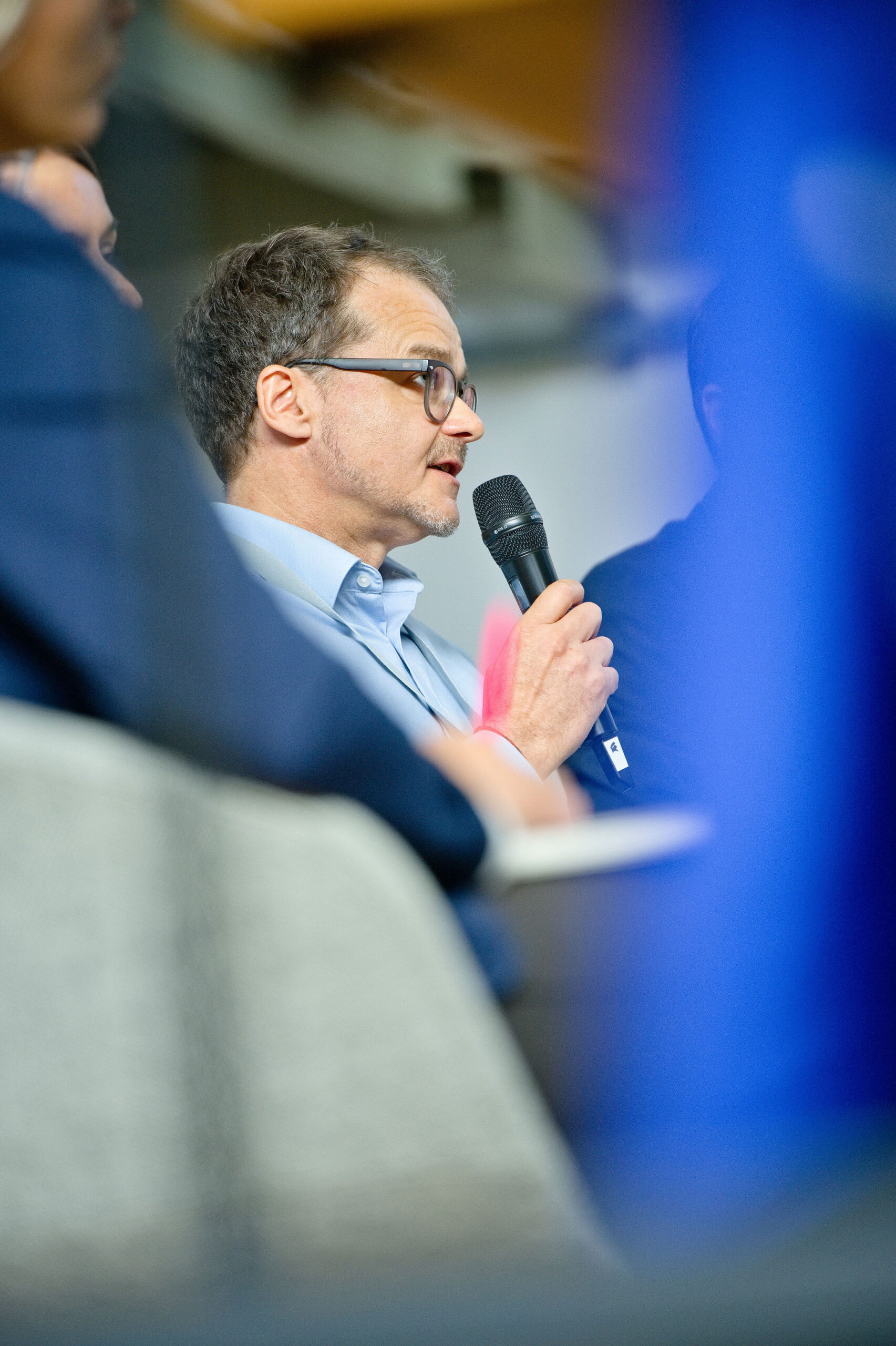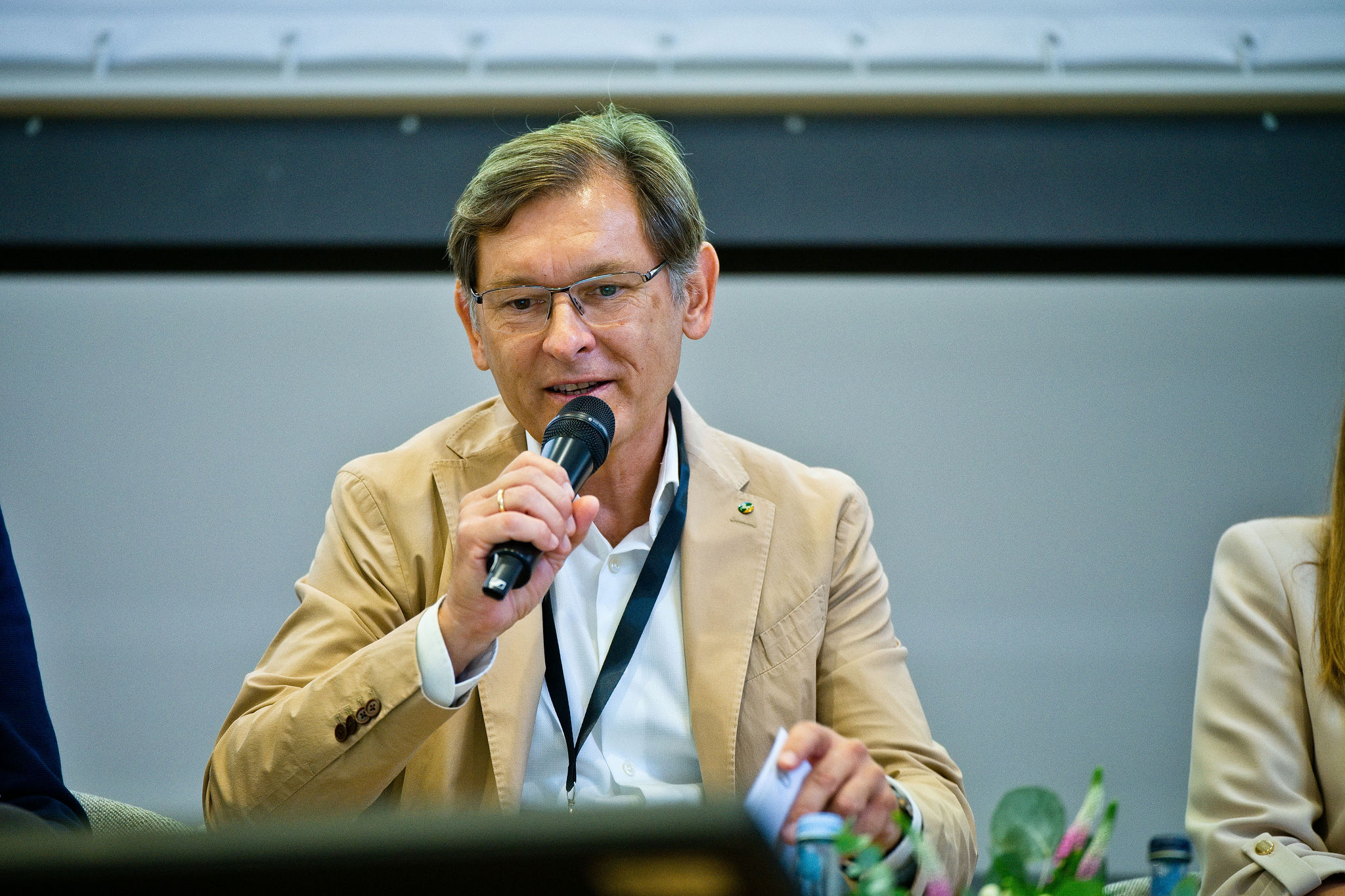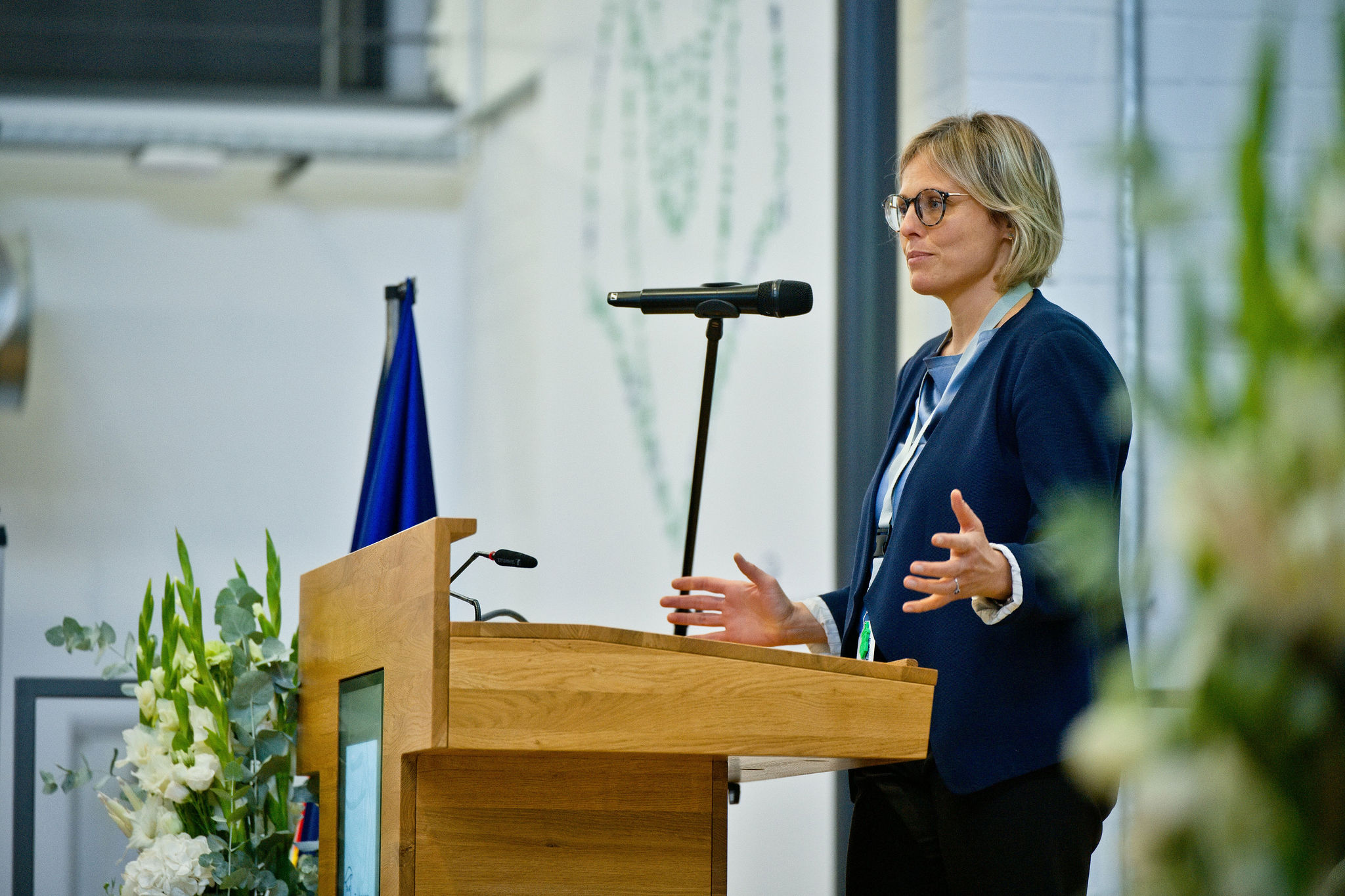
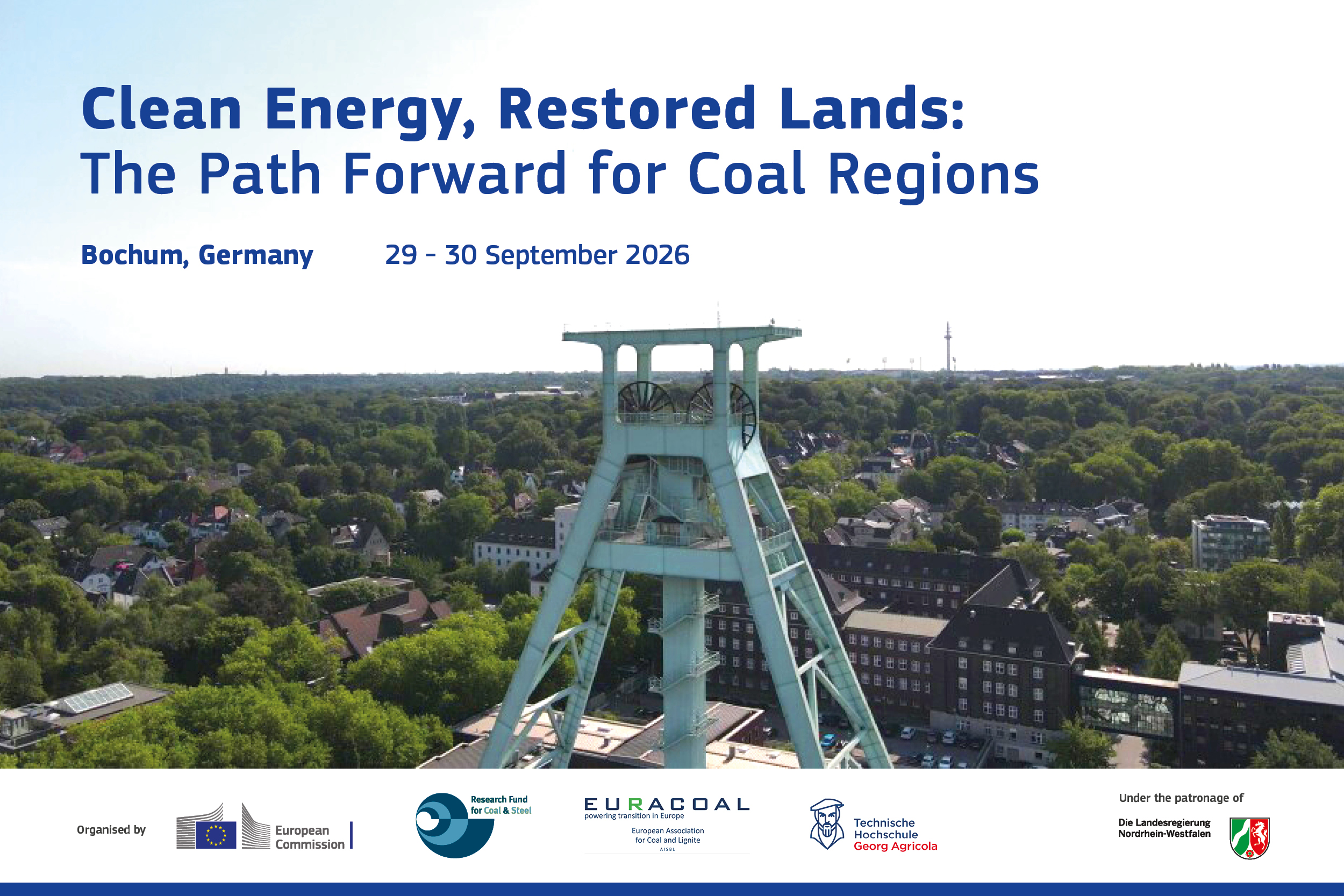
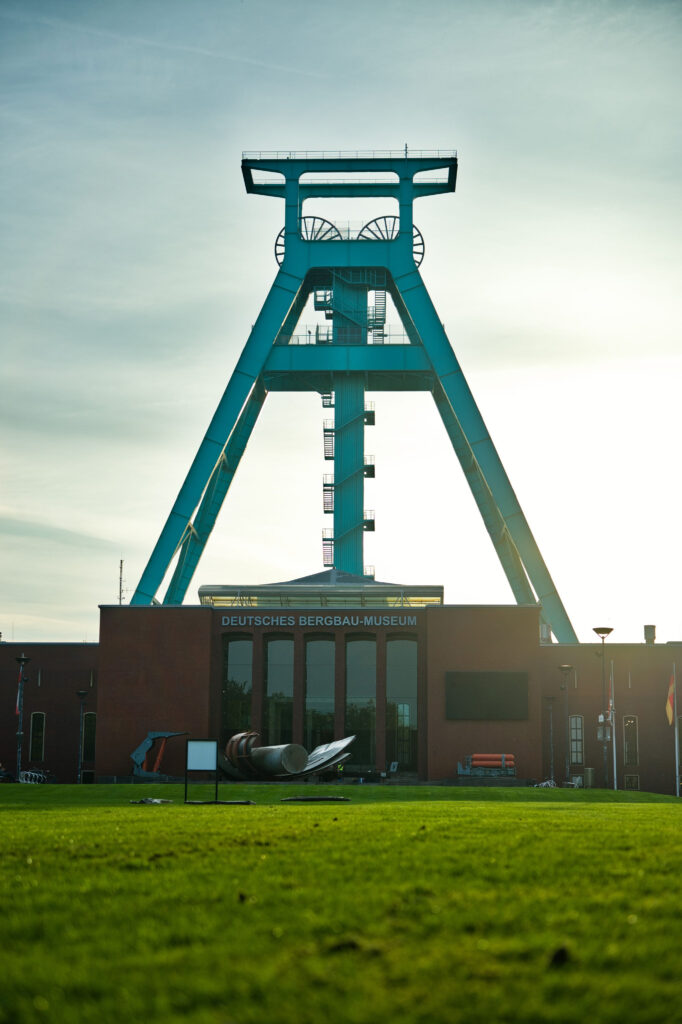
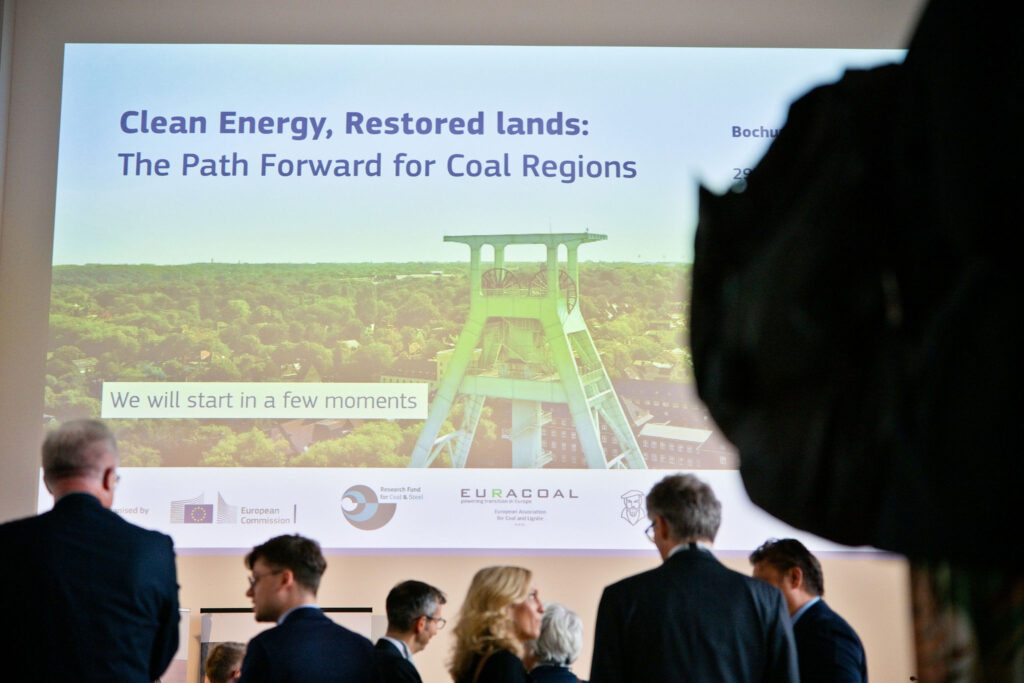
The international conference “Clean Energy, Restored Lands: The Path Forward for Coal Regions,” held in Bochum on 29 and 30 September 2026 organised by the Research Executive Agency (REA), the European Commission and Euracoal, demonstrated how sustainable and just structural transformation can succeed in coal regions. Drawing on projects funded by the Research Fund for Coal and Steel (RFCS) and work of the Coal Regions in Transition Initiative, it presented successful transformation approaches from across the EU in a concrete, accessible, and practice-oriented manner. High-level representatives from politics, academia, industry, and regional practice discussed pathways towards the future-oriented development of former coal sites. As the event host, FZN is pleased to have contributed to these successful days at the German Mining Museum and THGA, and would like to thank all participants for the inspiring exchange on key issues shaping Europe’s future.
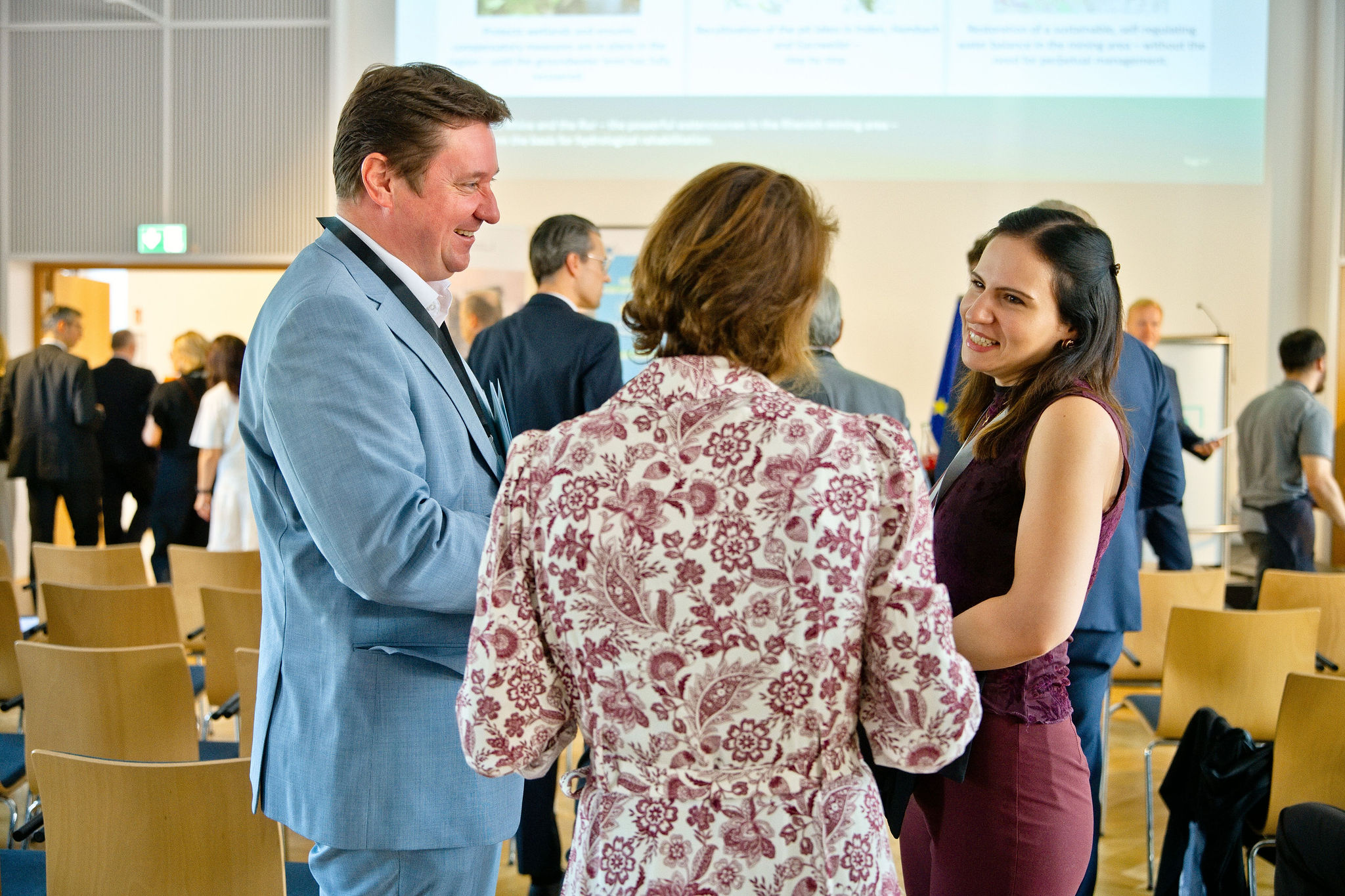
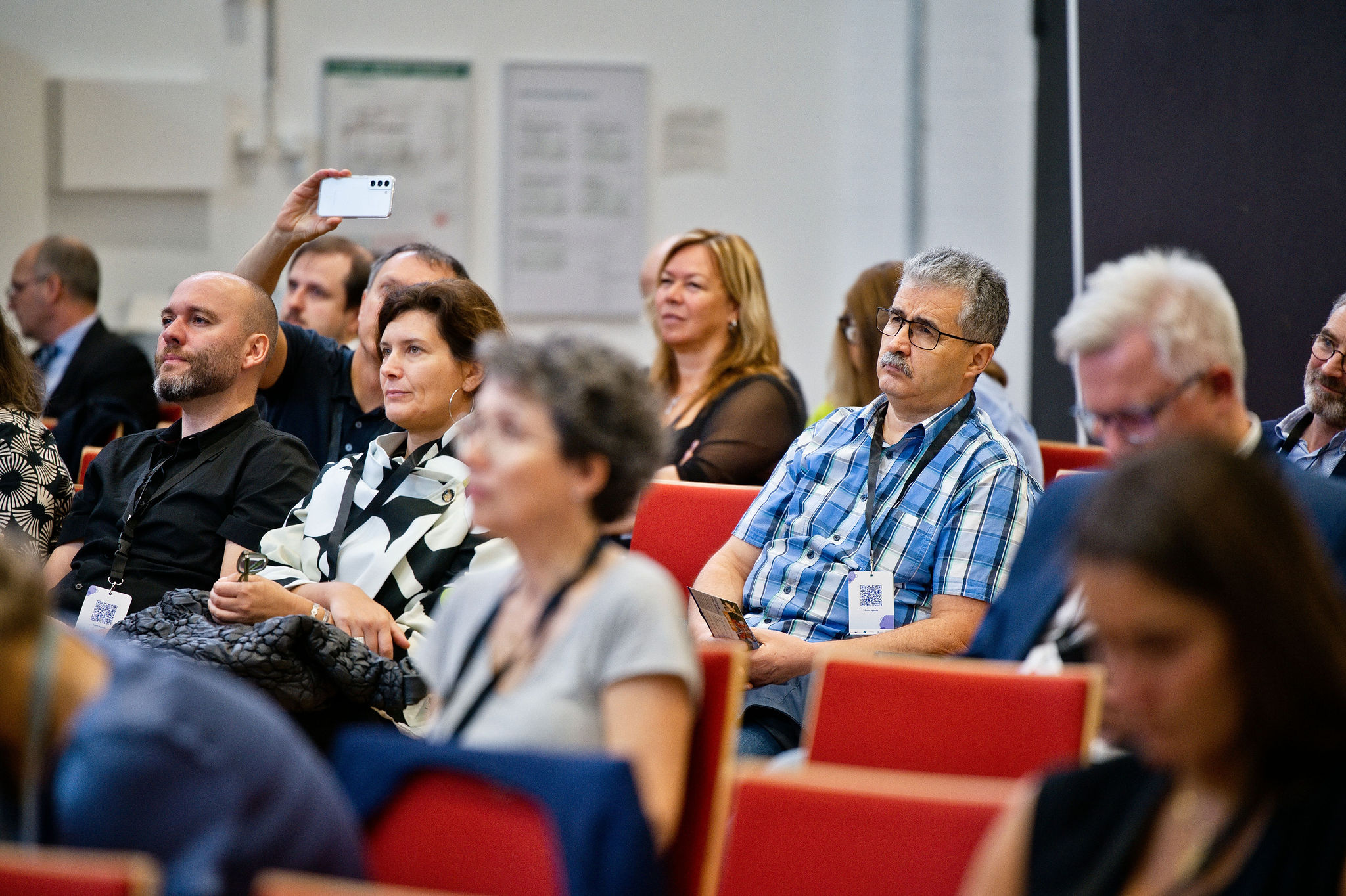
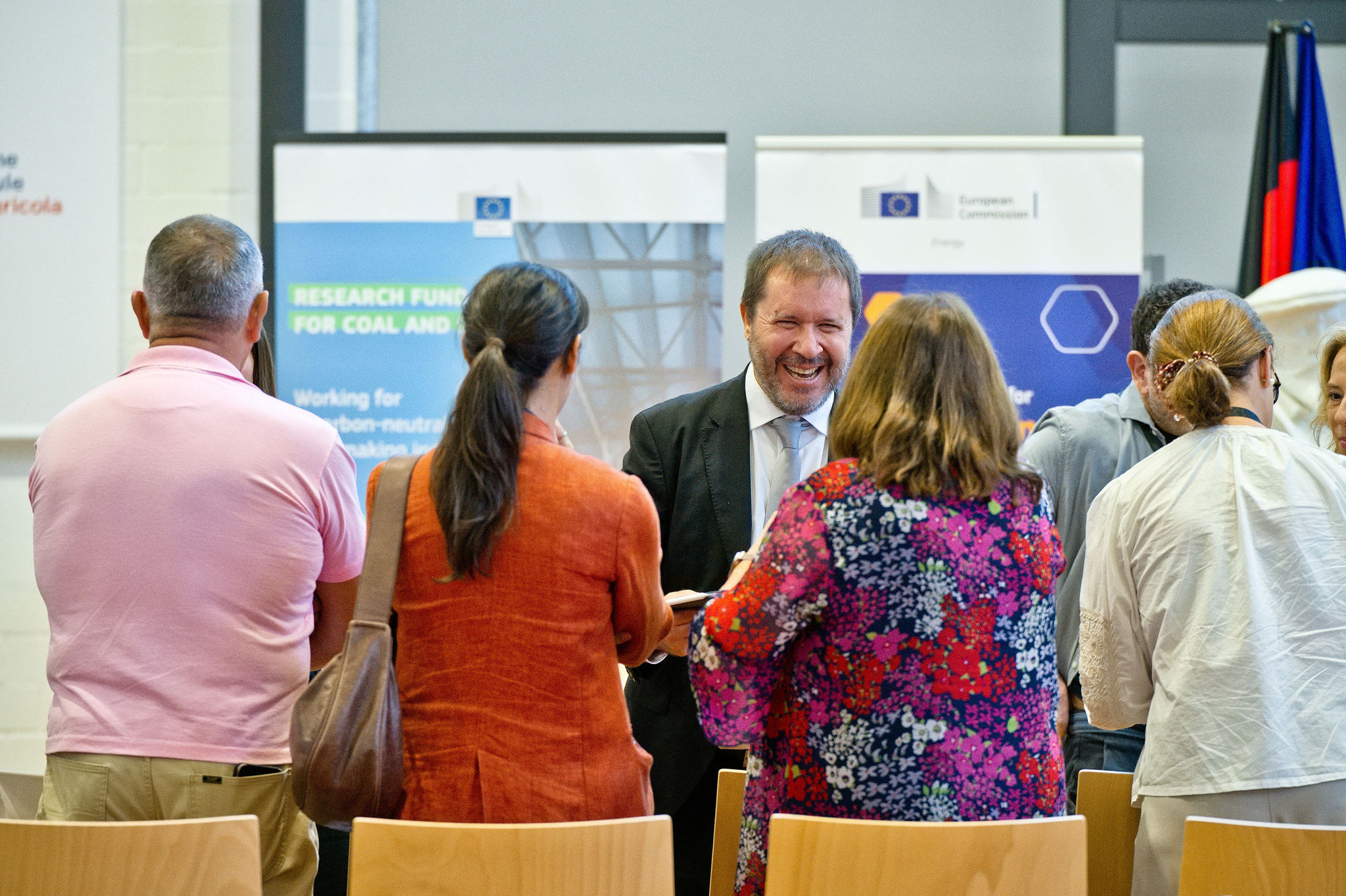
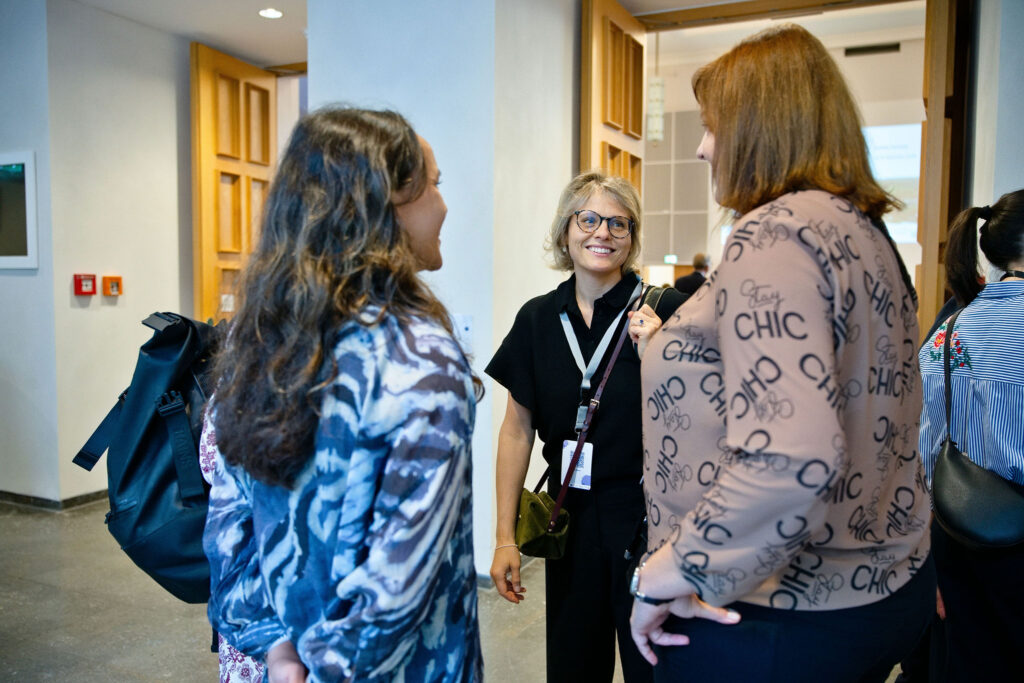
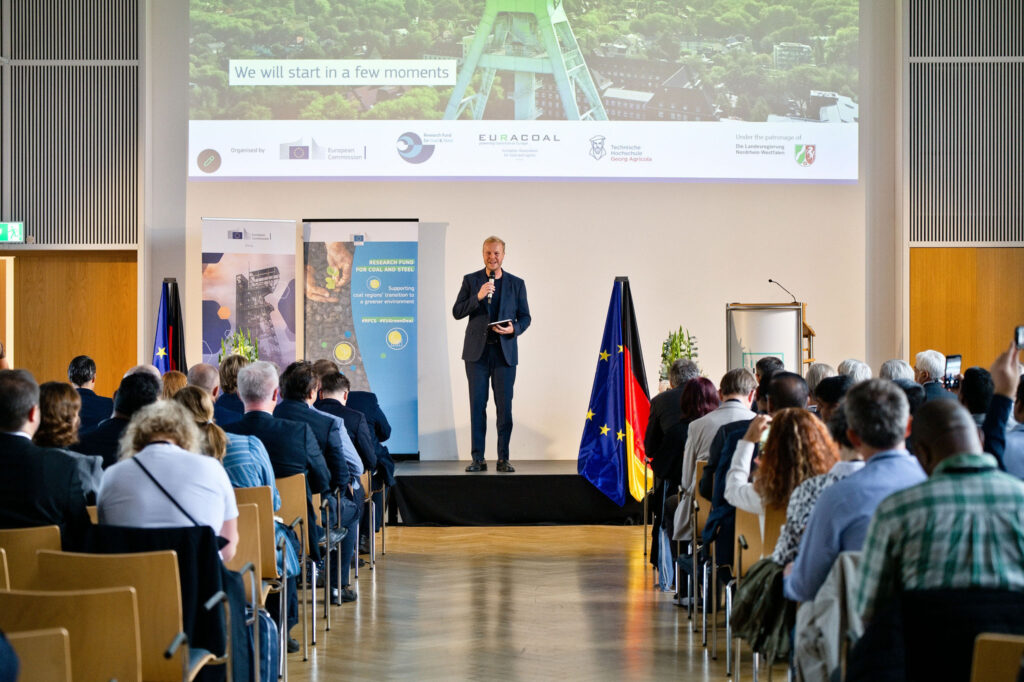
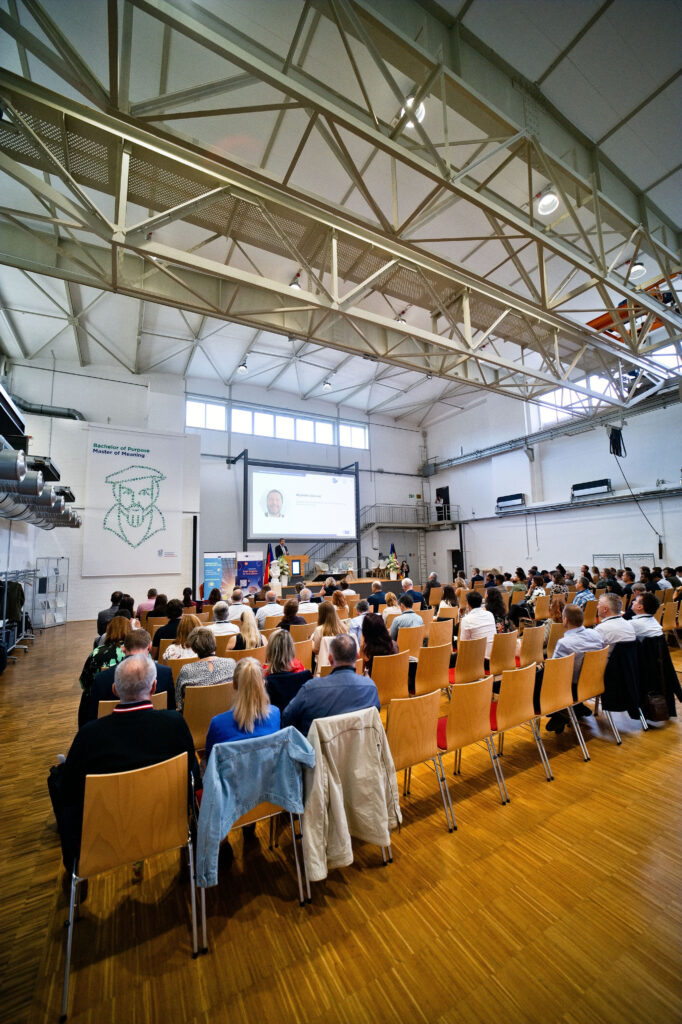
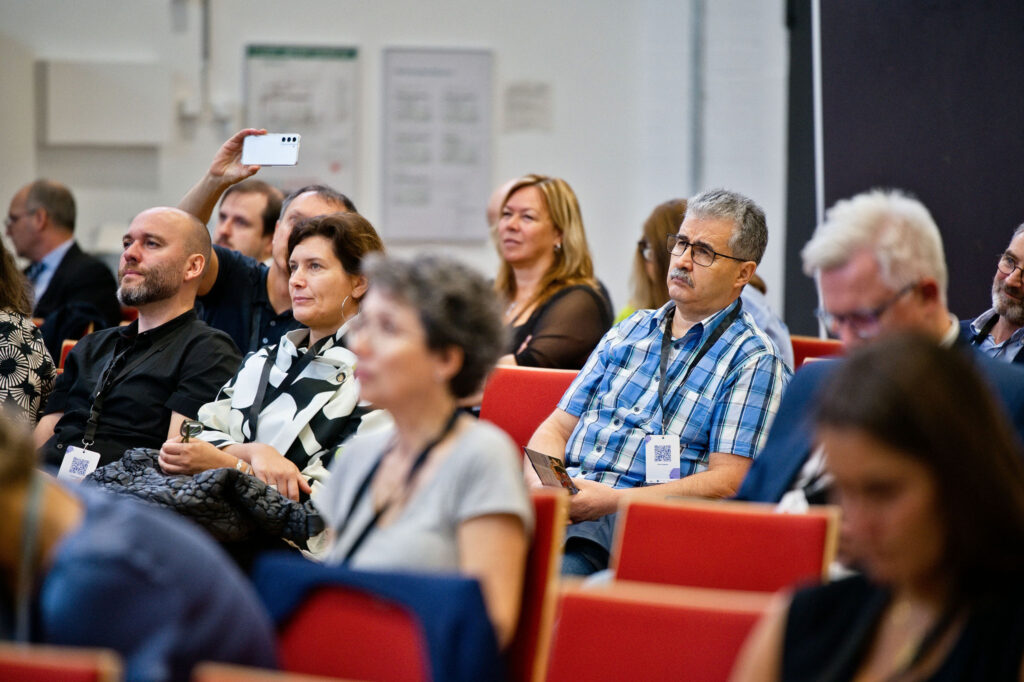
For two days, Bochum was the setting for a European exchange on the future of former coal sites. The conference, “Clean Energy, Restored Lands: The Path Forward for Coal Regions,” brought together stakeholders from European institutions, municipalities, research institutes, energy companies, and the mining sector. The central question was how research findings can be translated more rapidly into policy decisions and tangible local projects – and how coal regions can not only manage the transition but actively shape it. In addition to more than 200 participants attending in person, many others took advantage of the opportunity to join the event online via livestreams.
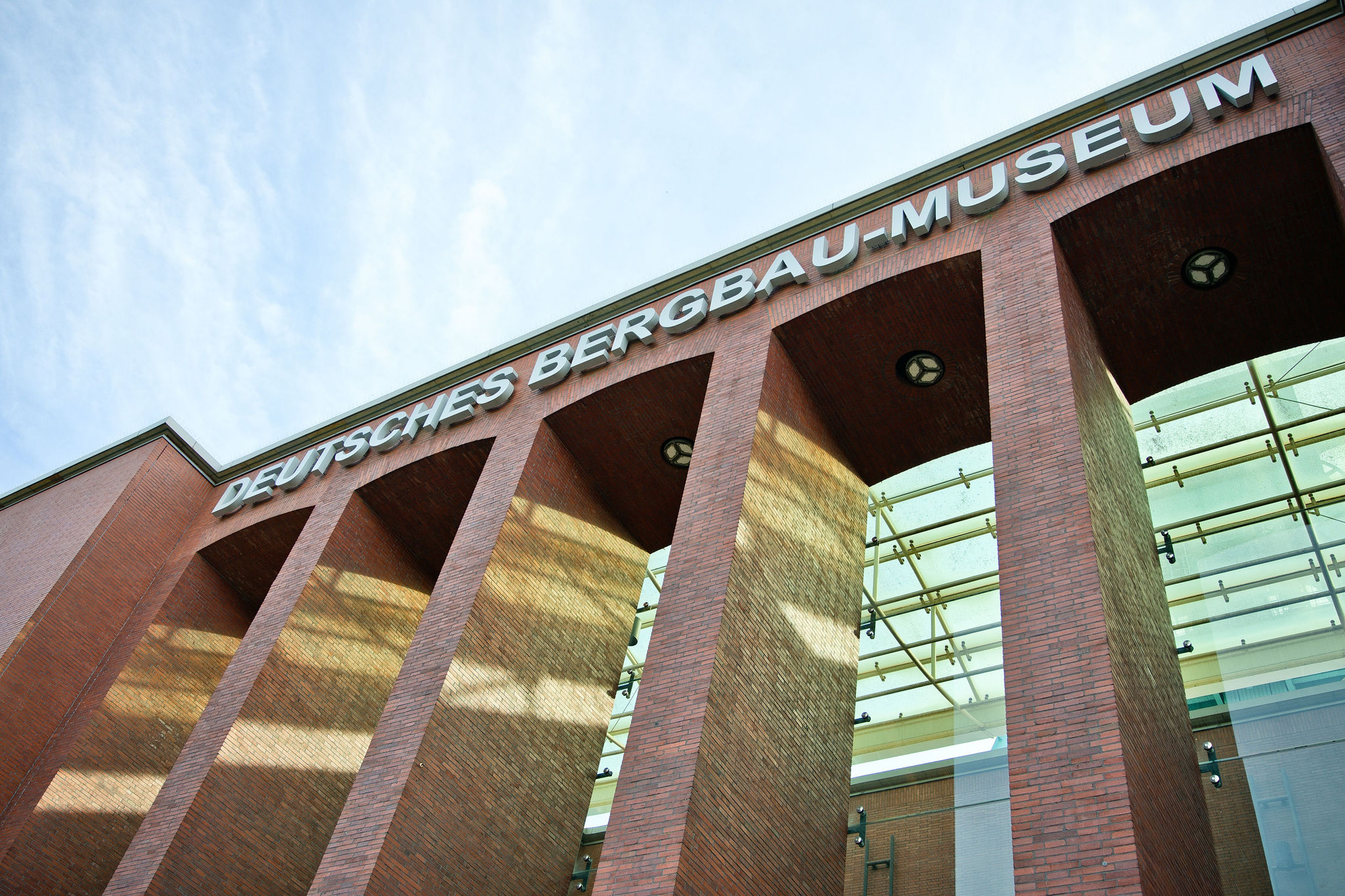
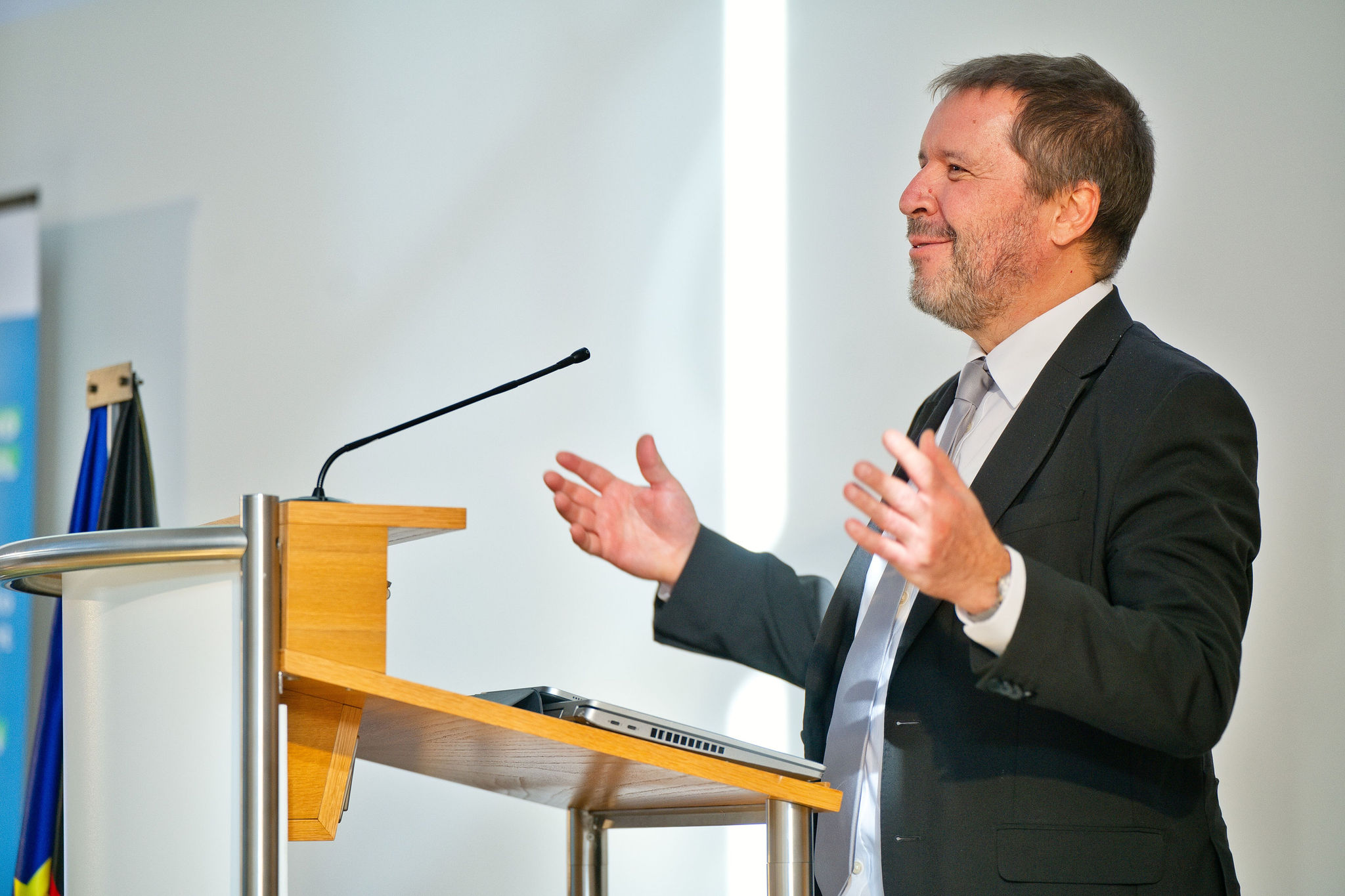
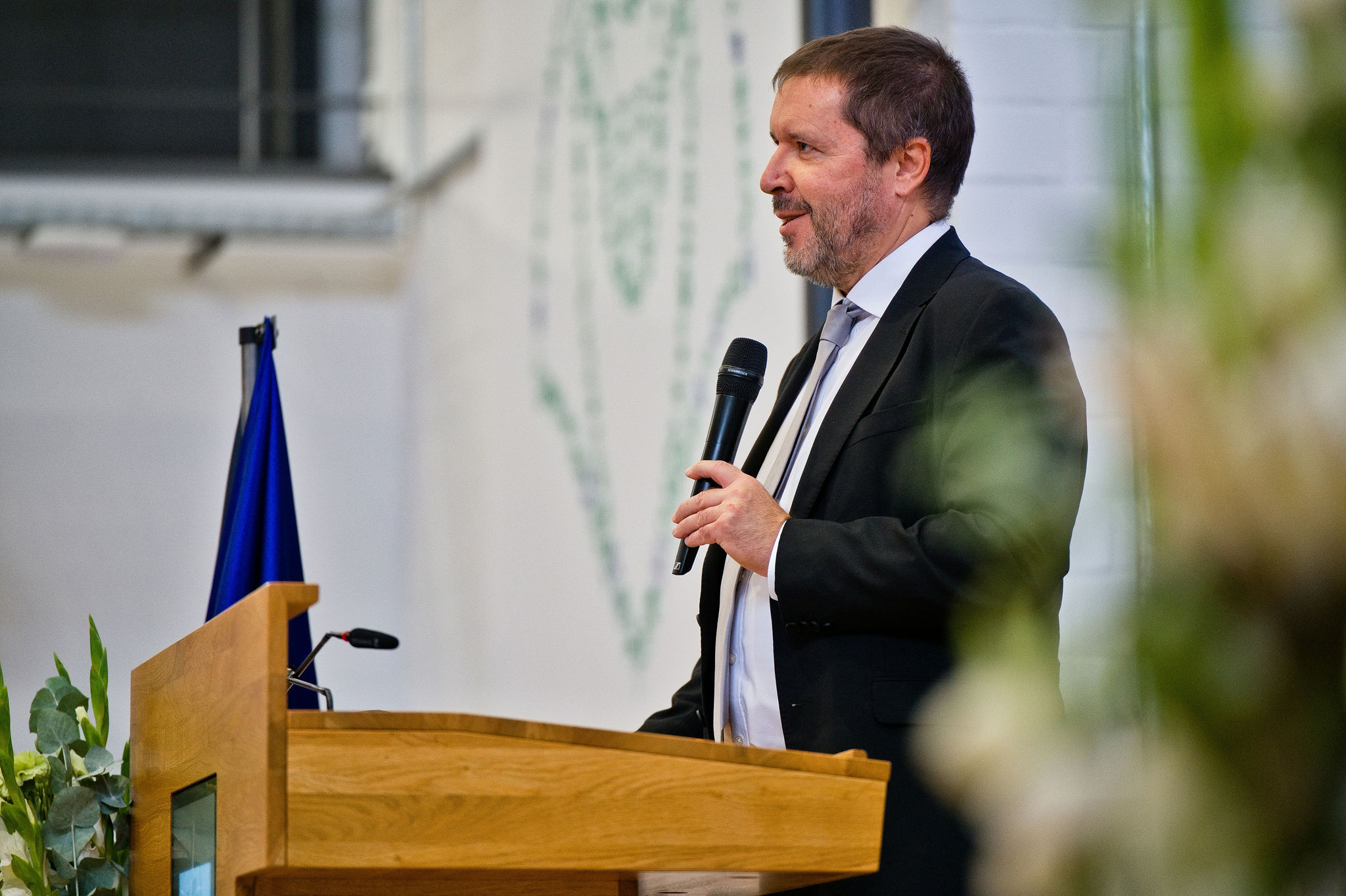
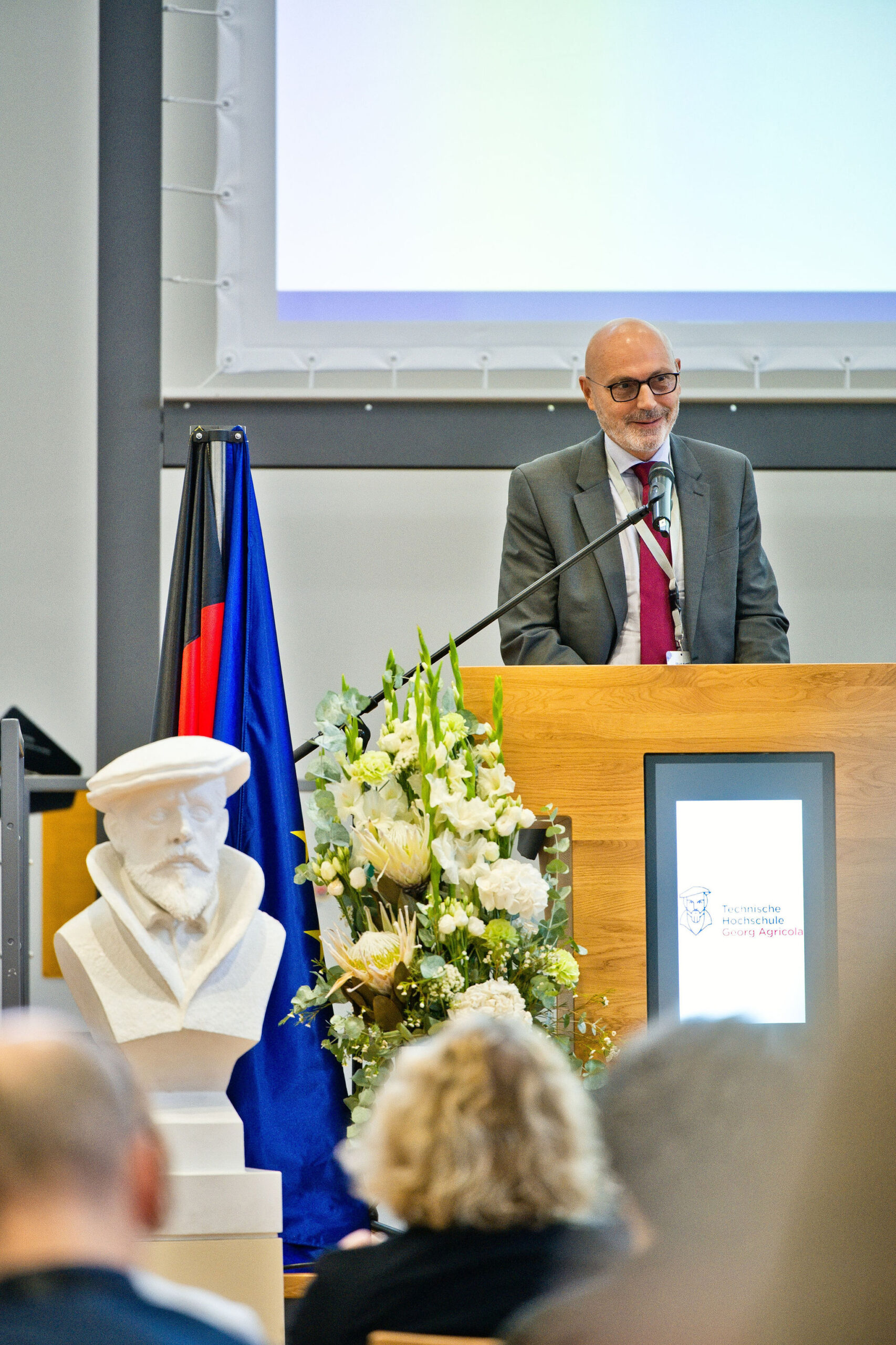
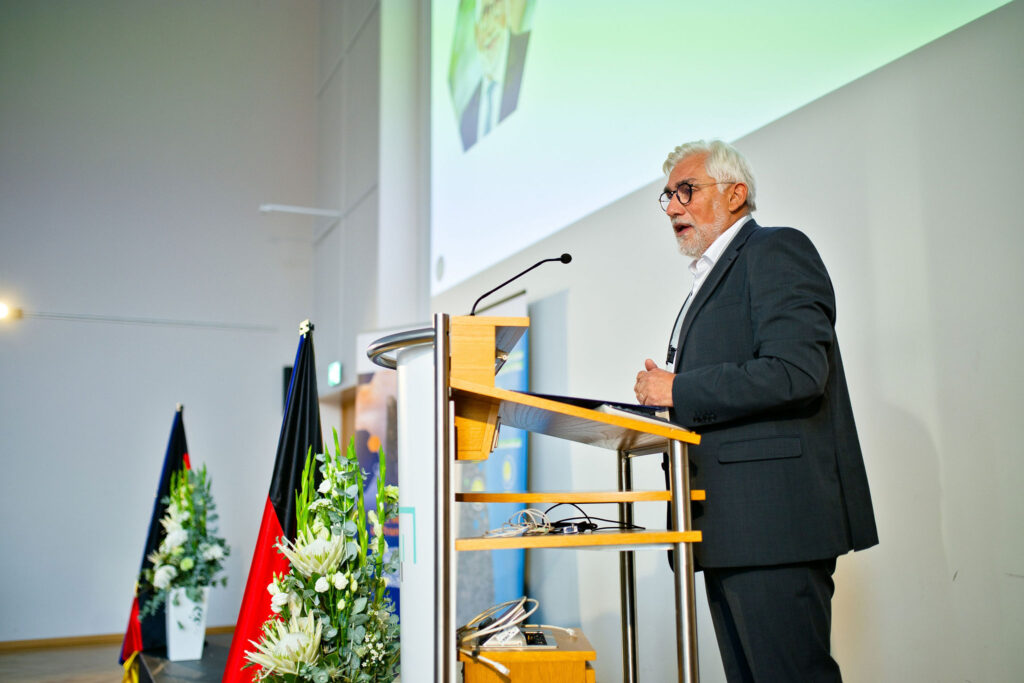
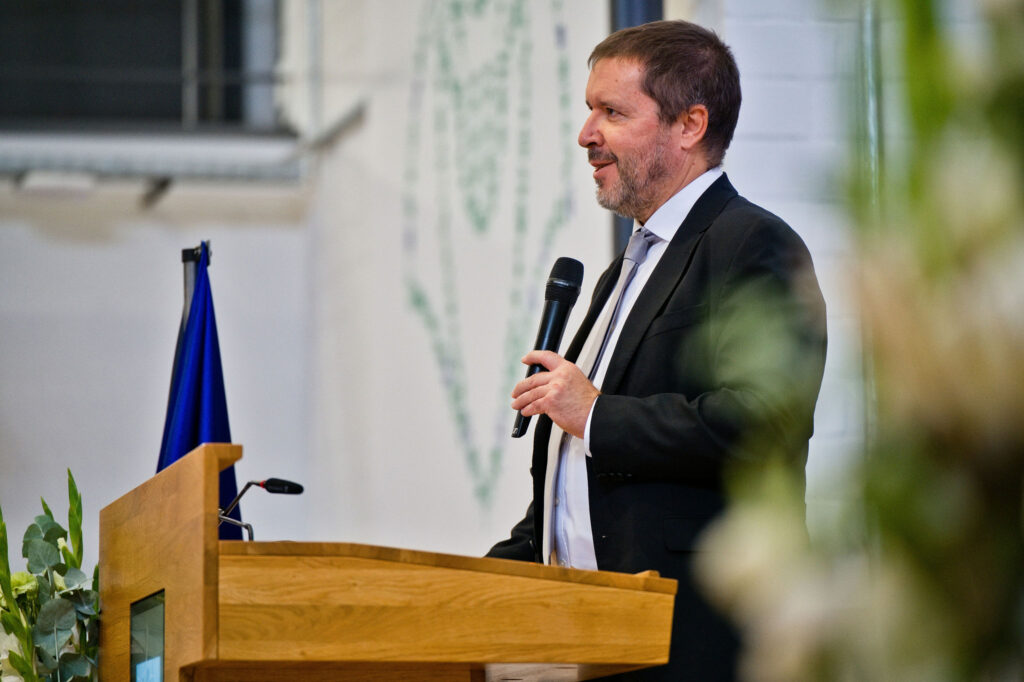
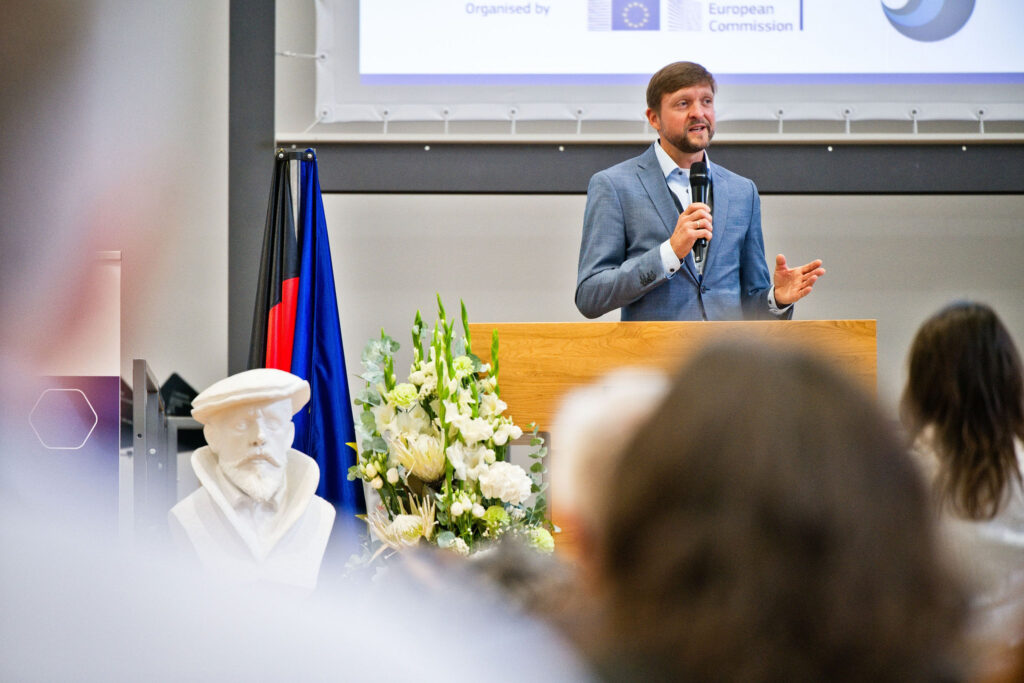
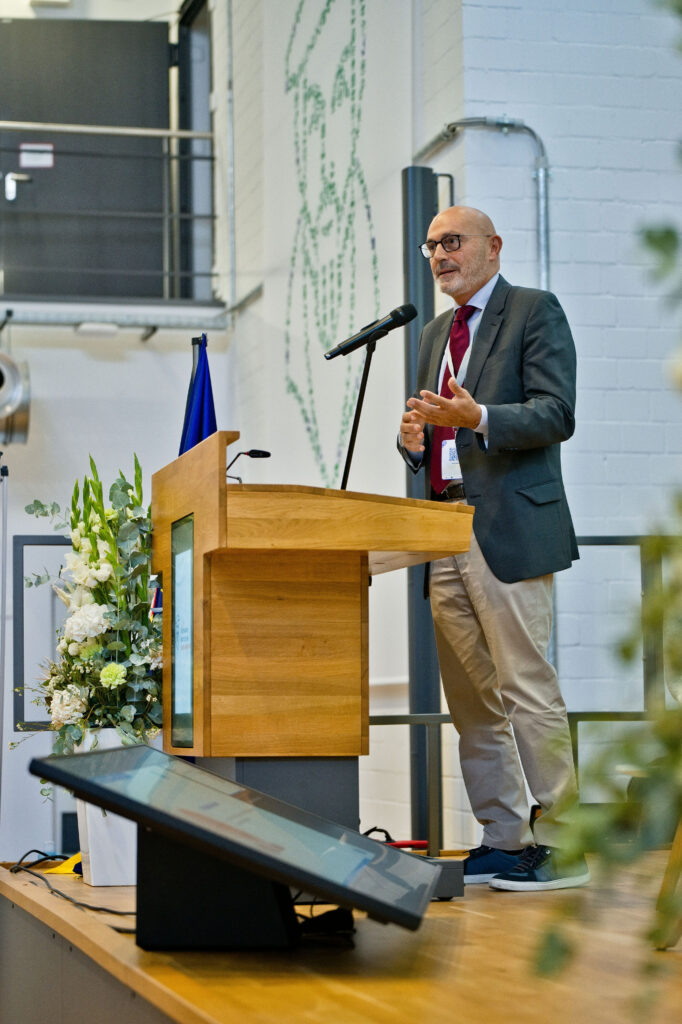
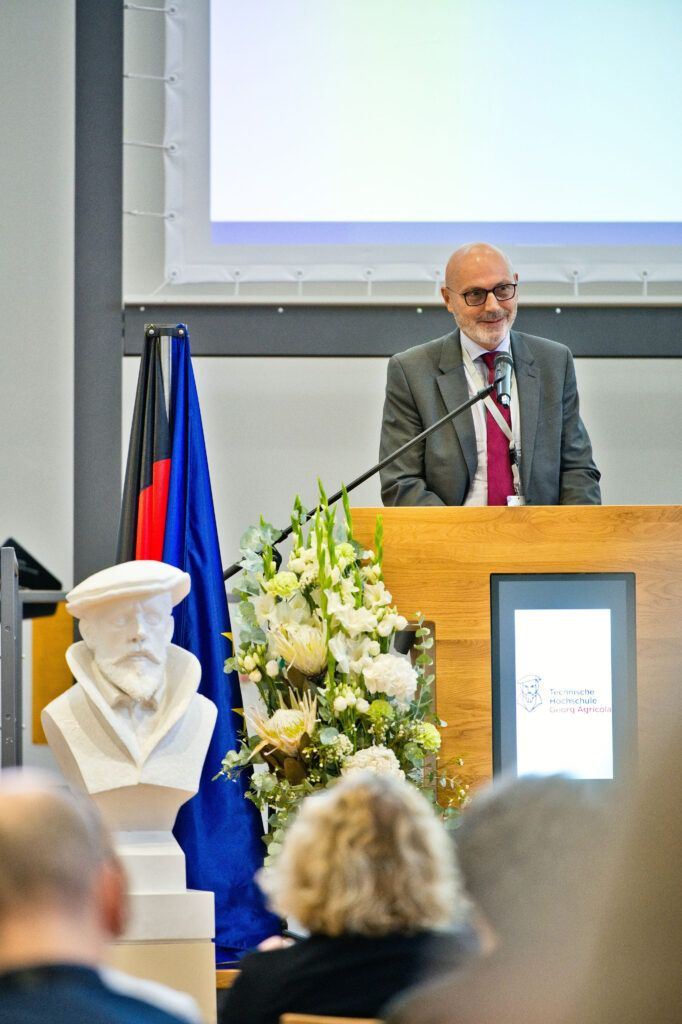
The event at the German Mining Museum was opened by Jörg Lukat, Mayor of the City of Bochum. In his welcome address, he highlighted the significance of the Ruhr region as a place of learning and experience for structural transformation. He illustrated this through Bochum’s development—from mining and the steel industry, via automobile production, to the digital economy and hubs of technology and innovation—emphasising that these upheavals and far-reaching reorientations took place at Bochum as a business location within only a few decades. Jörg Lukat stressed: “Structural transformation is part of our DNA!” For decades, the region has demonstrated that industrial heritage can give rise to new spaces for science, culture, recreation, business, and innovation. As an example, Bochum’s mayor referred to the establishment of the Transformation Centre for Geo-resources and Ecology (TGÖ) in Herne.
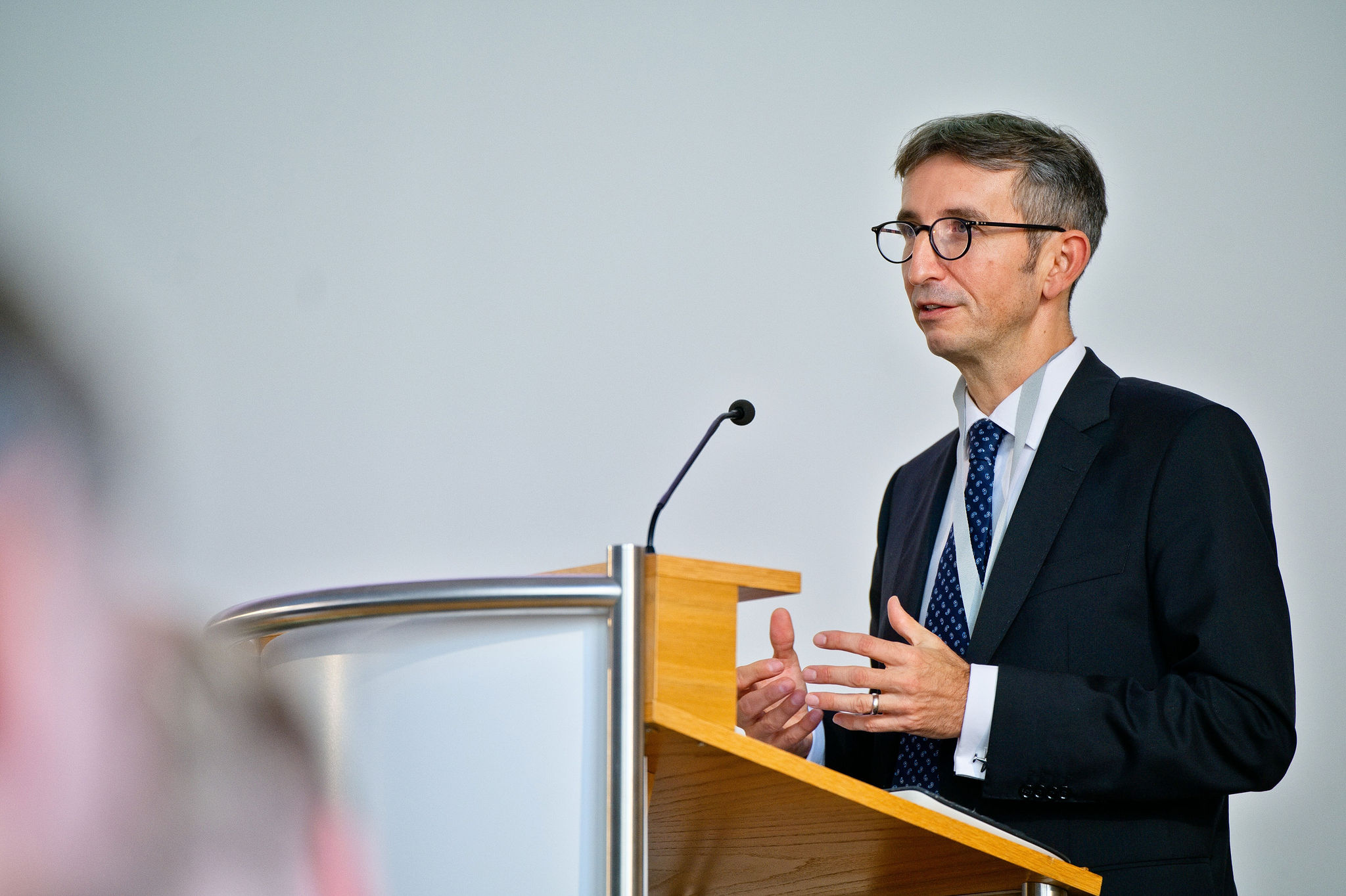
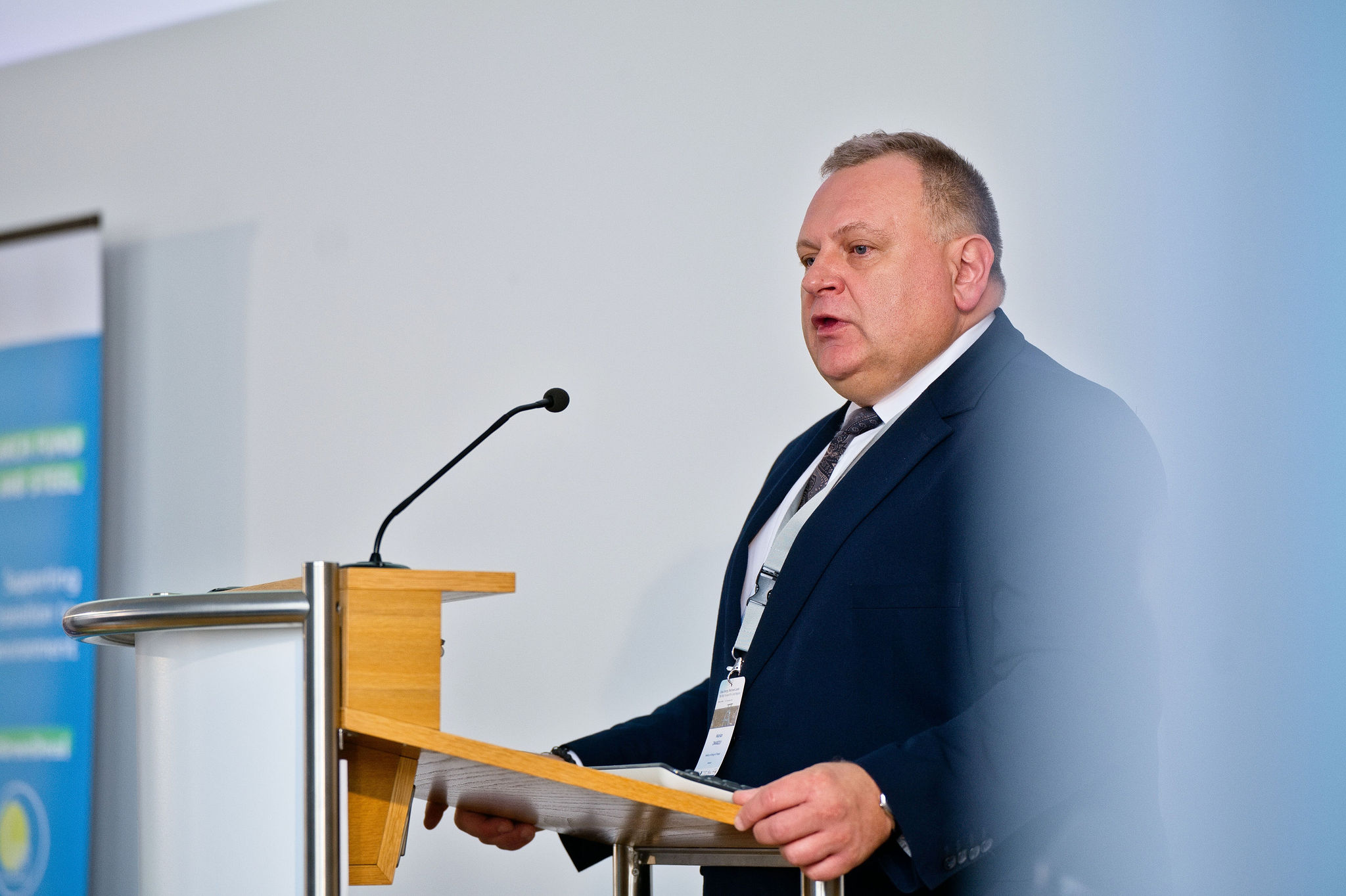
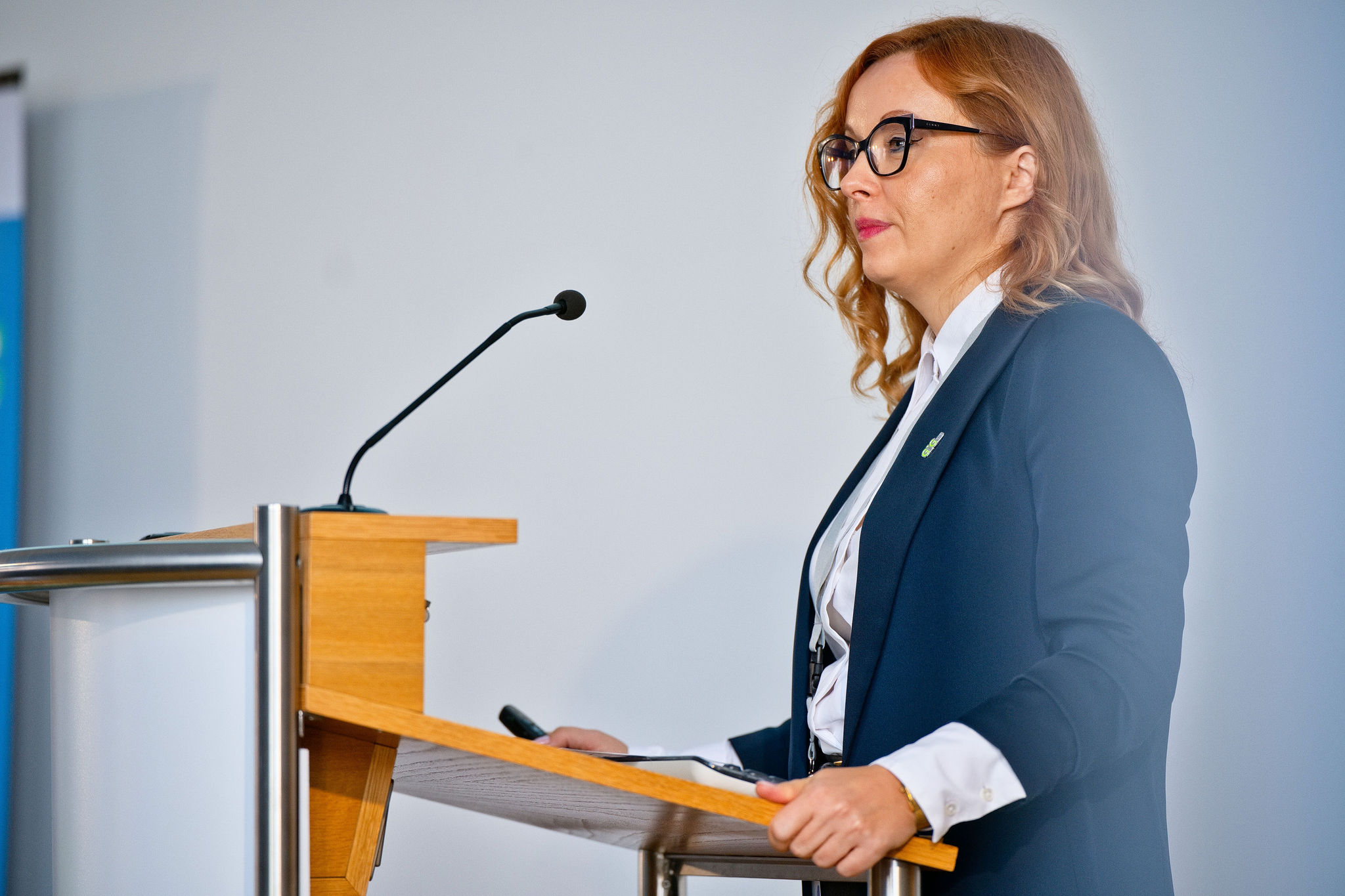
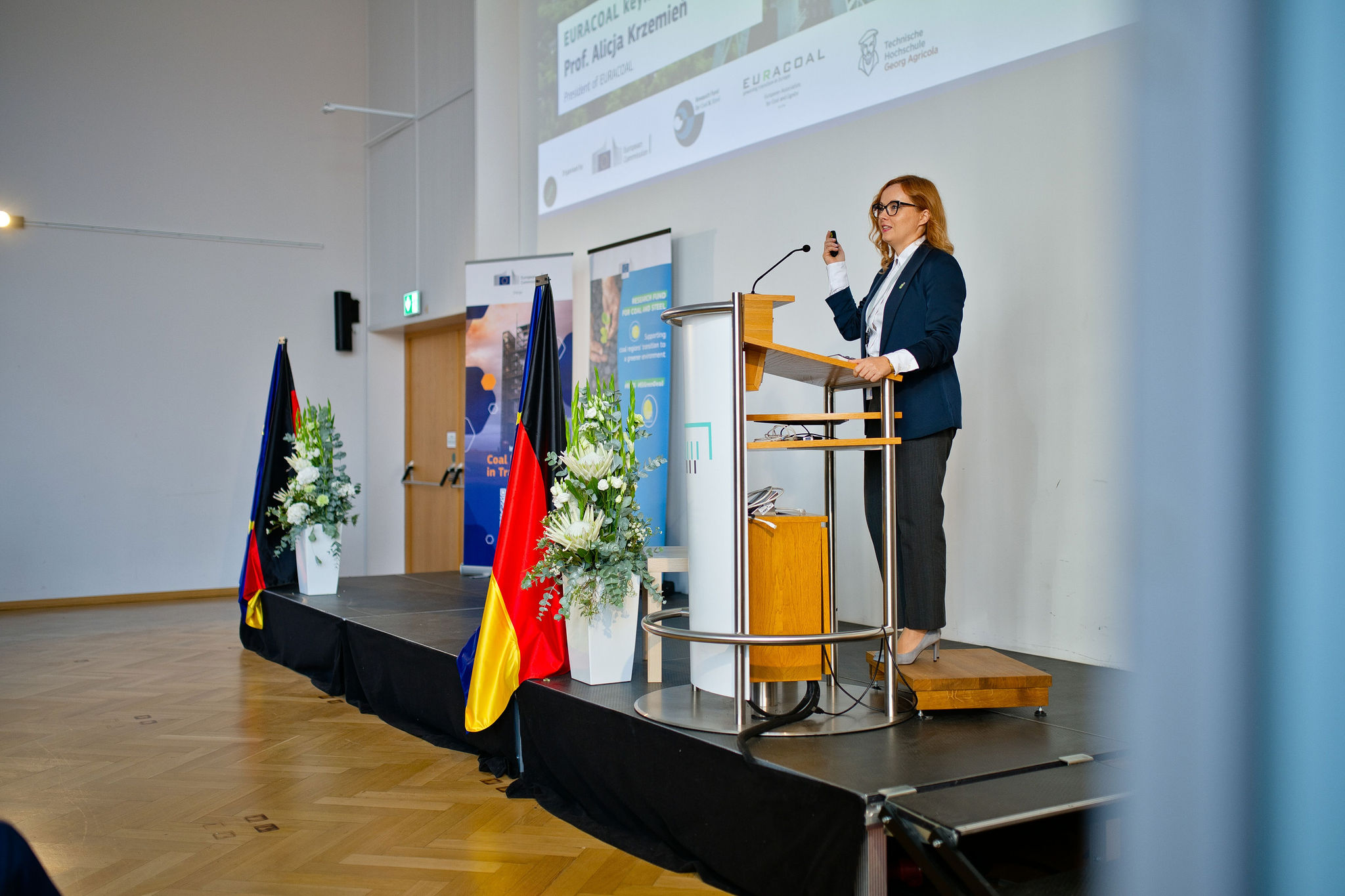
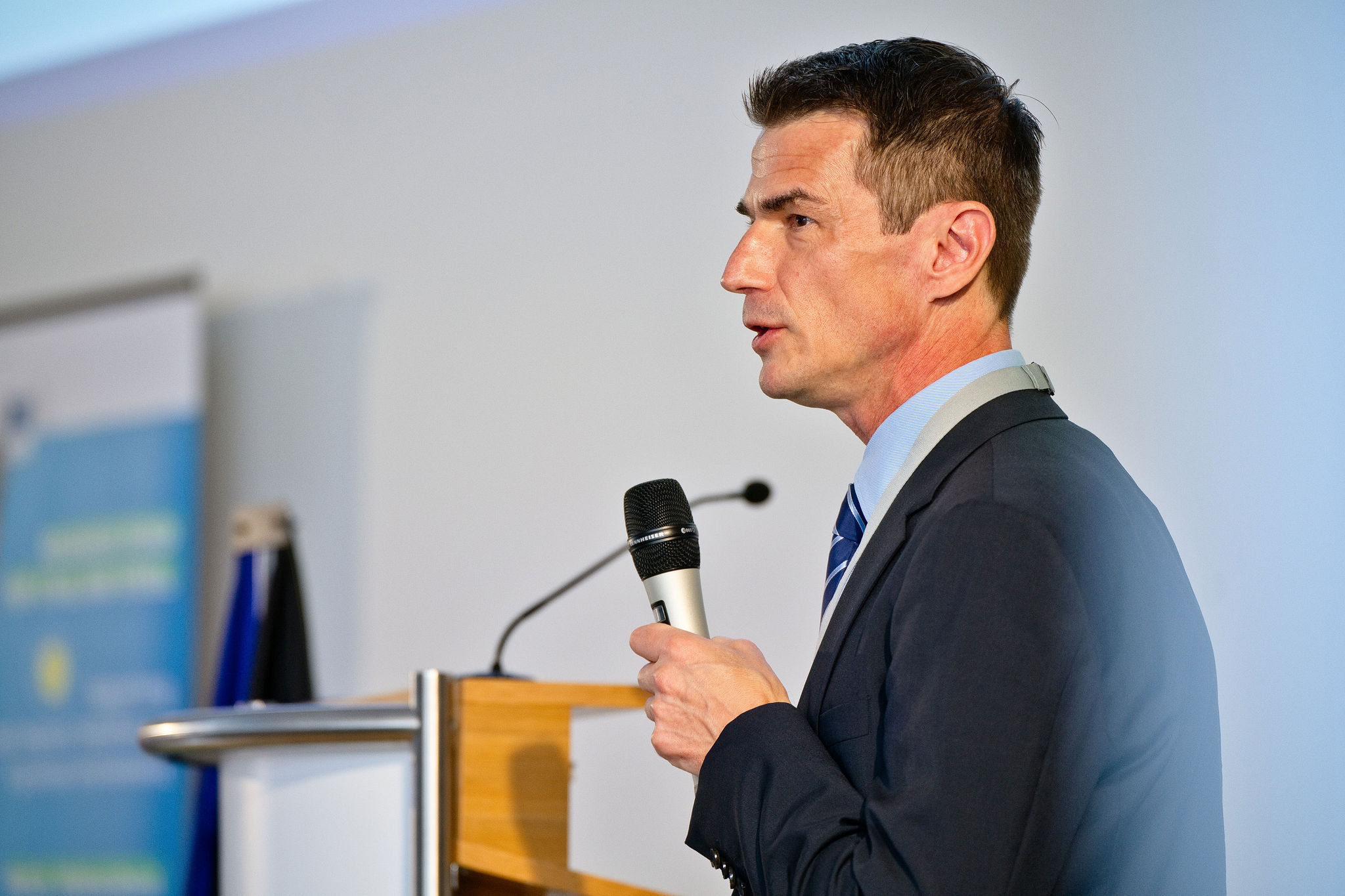
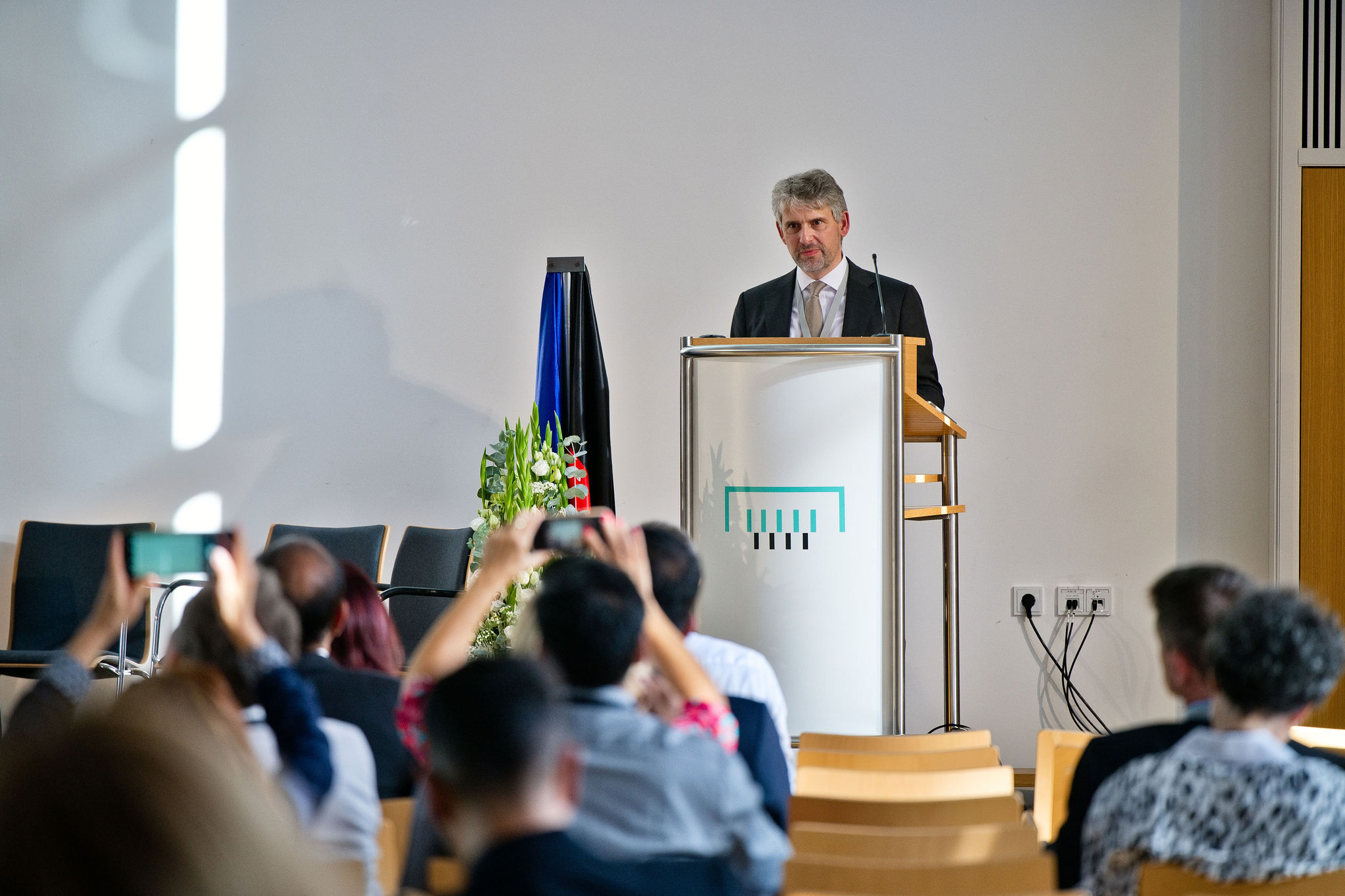
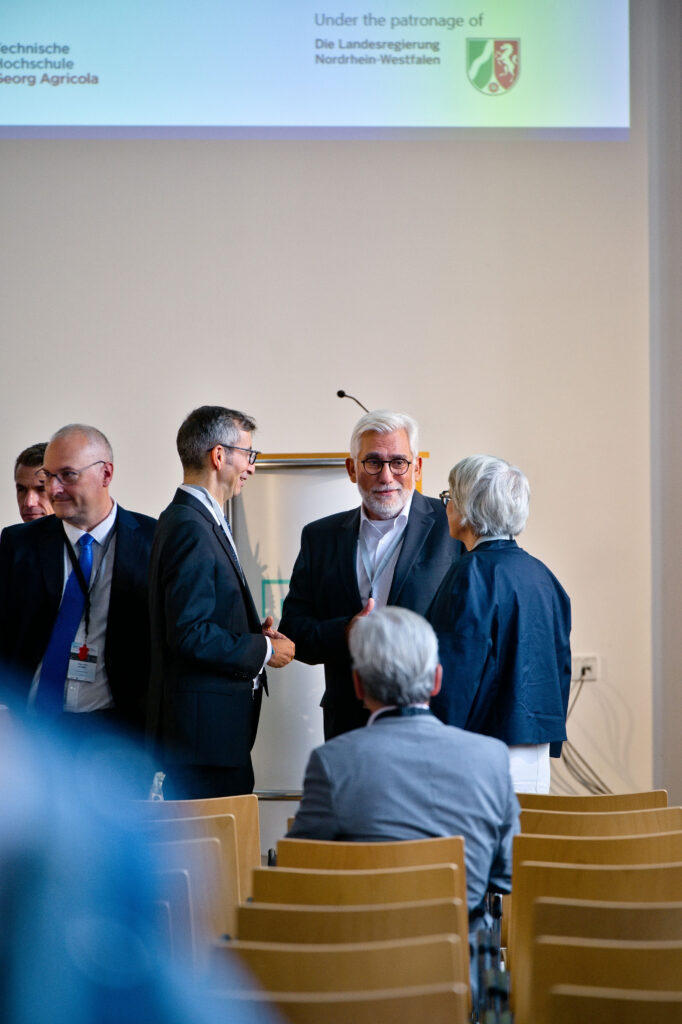
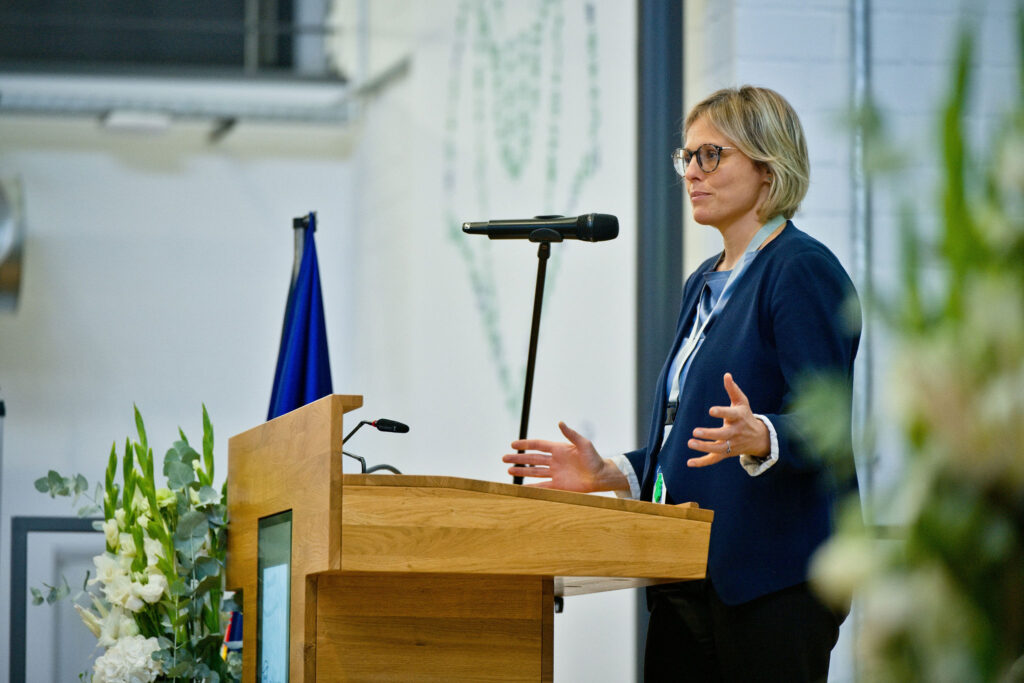
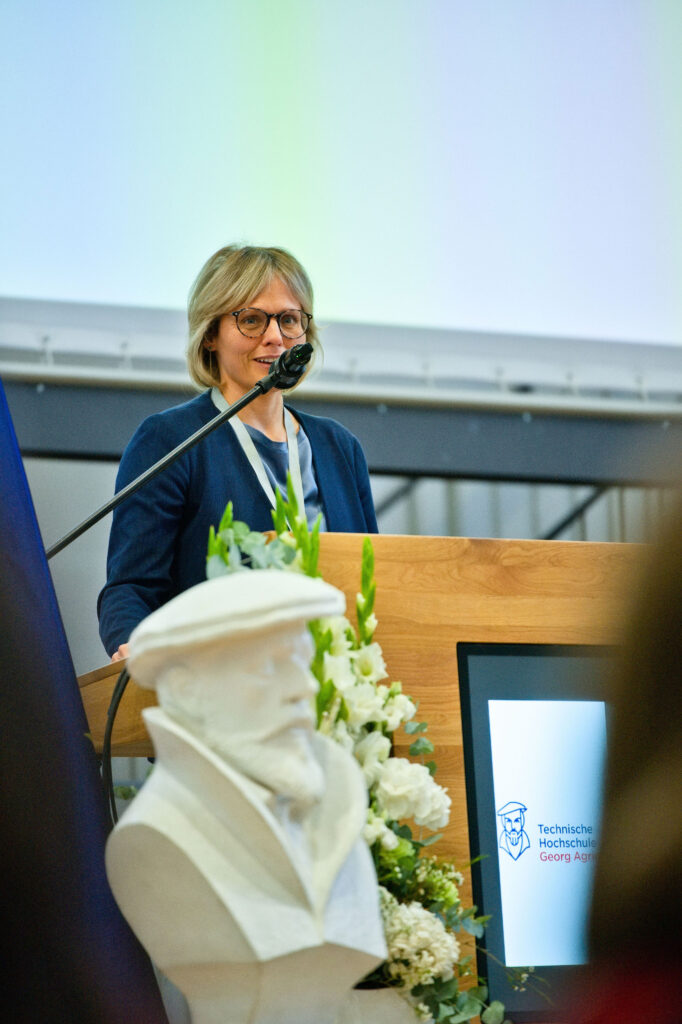
The distinguished speakers also included Silke Krebs, State Secretary for Economic Affairs, Industry, Climate Action and Energy of the State of North Rhine-Westphalia, Martin Špolc, Director for Prosperity at the European Commission’s Directorate-General for Research and Innovation; and Marian Zmarzły, Undersecretary of State at the Polish Ministry of Energy. Prof. Alicja Krzemień, President of the European Association for Coal and Lignite (EURACOAL), also provided important impetus for European dialogue. In her welcome address, State Secretary Silke Krebs conveyed greetings from Mona Neubaur, Deputy Minister-President of North Rhine-Westphalia, and addressed the importance of achieving climate neutrality. Alongside the major current geopolitical challenges, climate change, and digital transformation, she highlighted the extent to which North Rhine-Westphalia benefits from the Just Transition Fund.
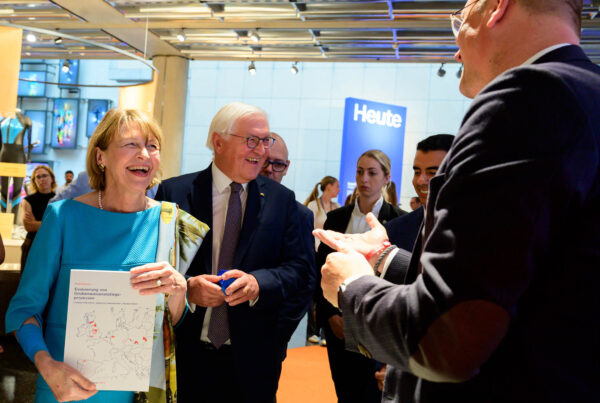
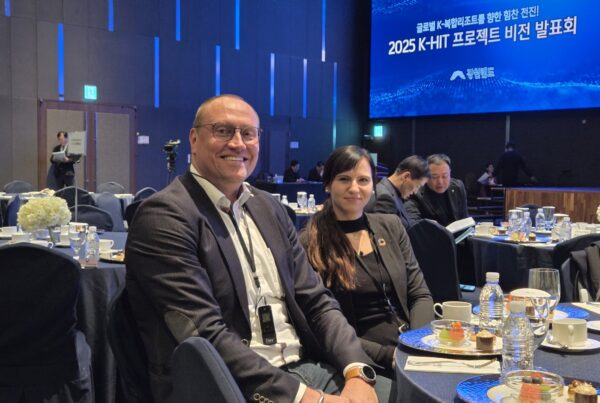
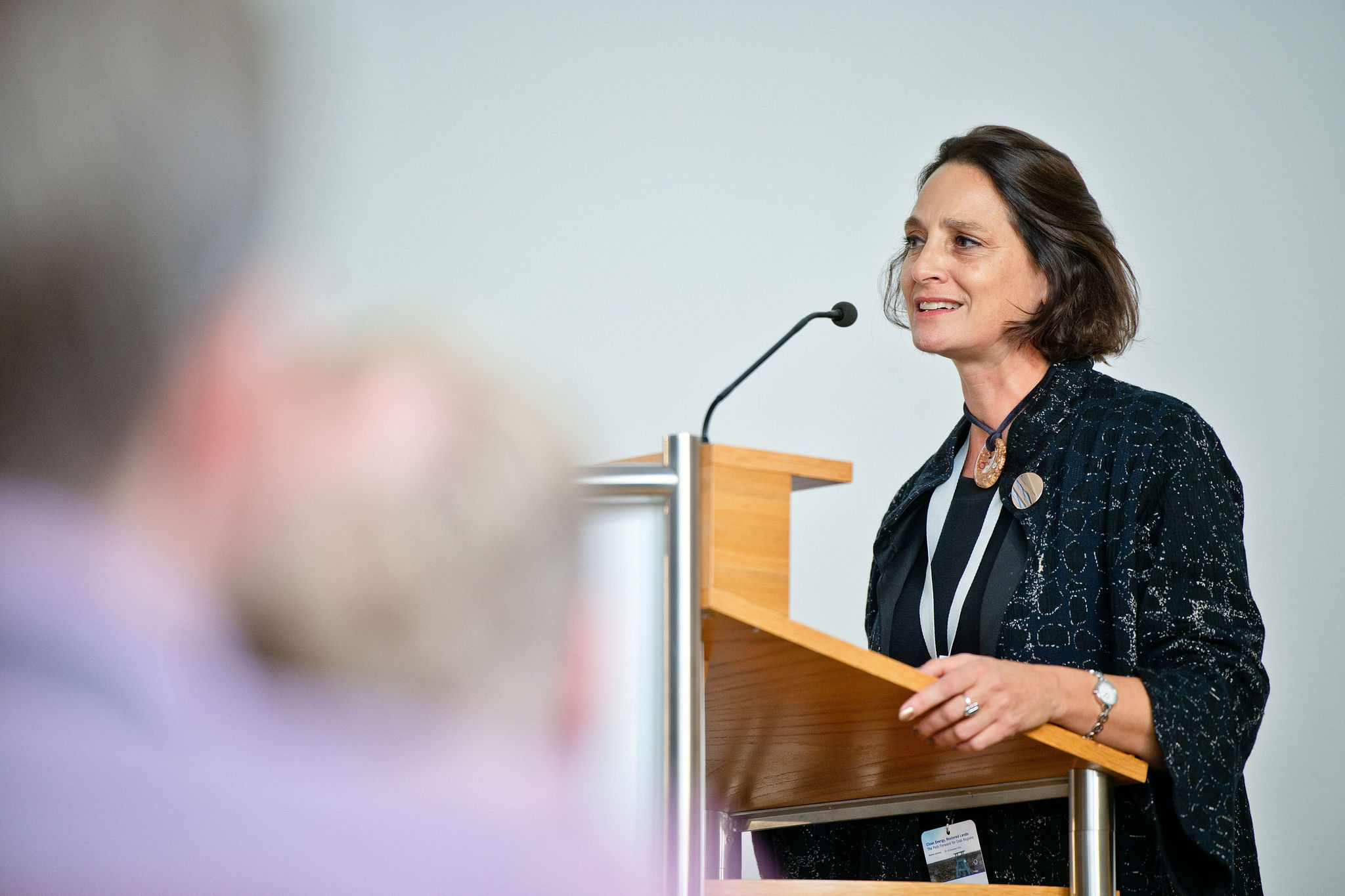
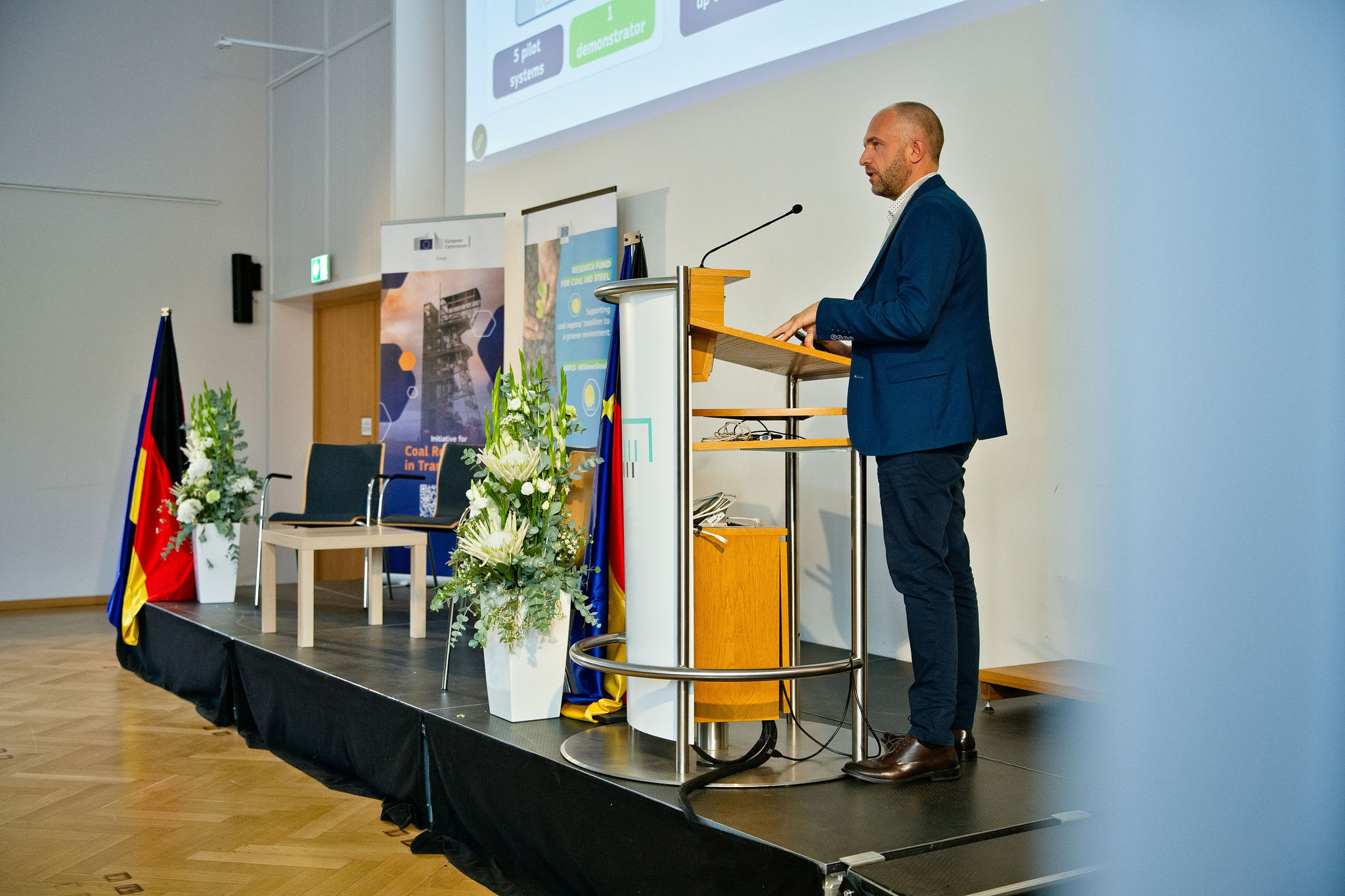
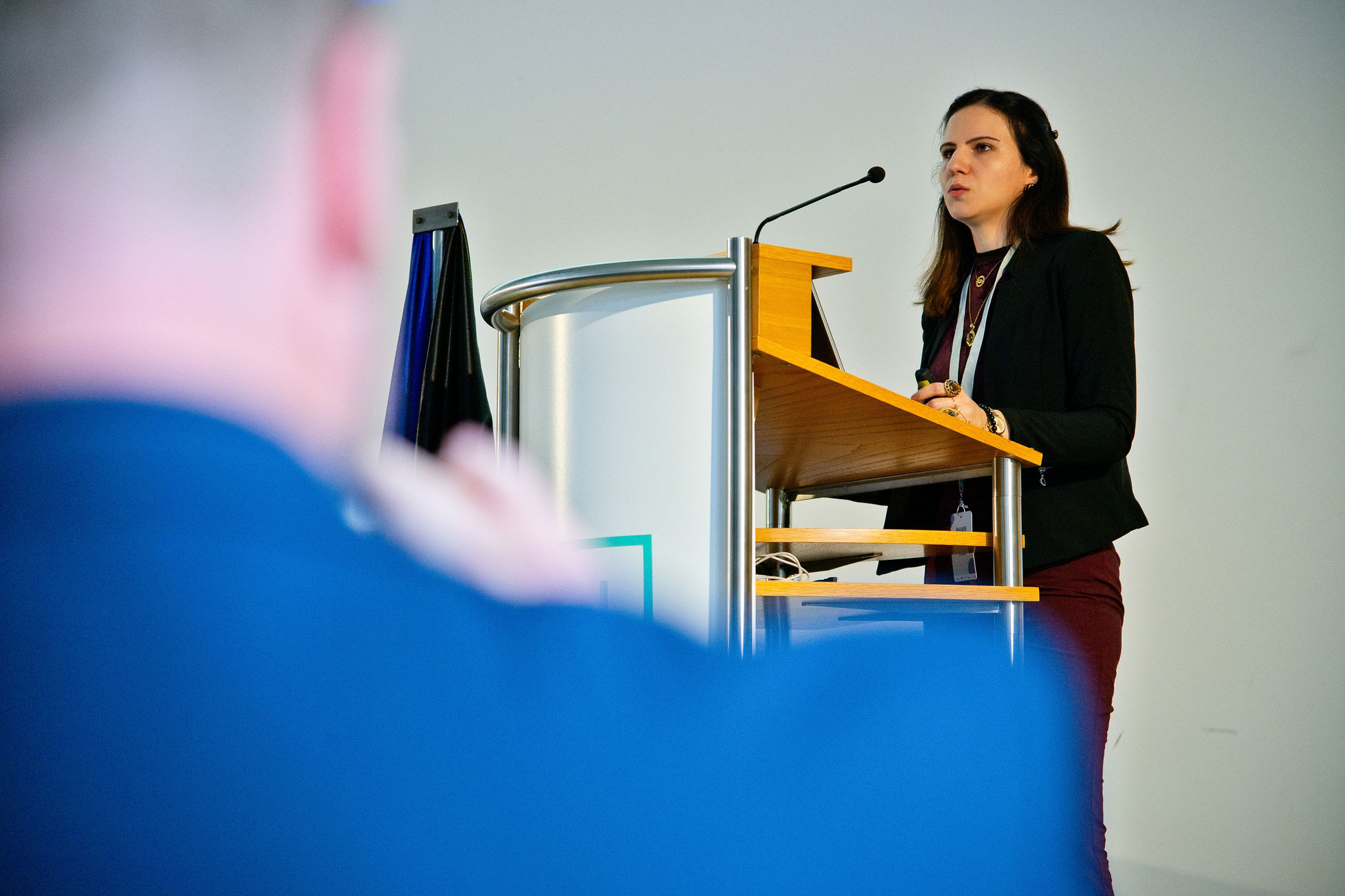
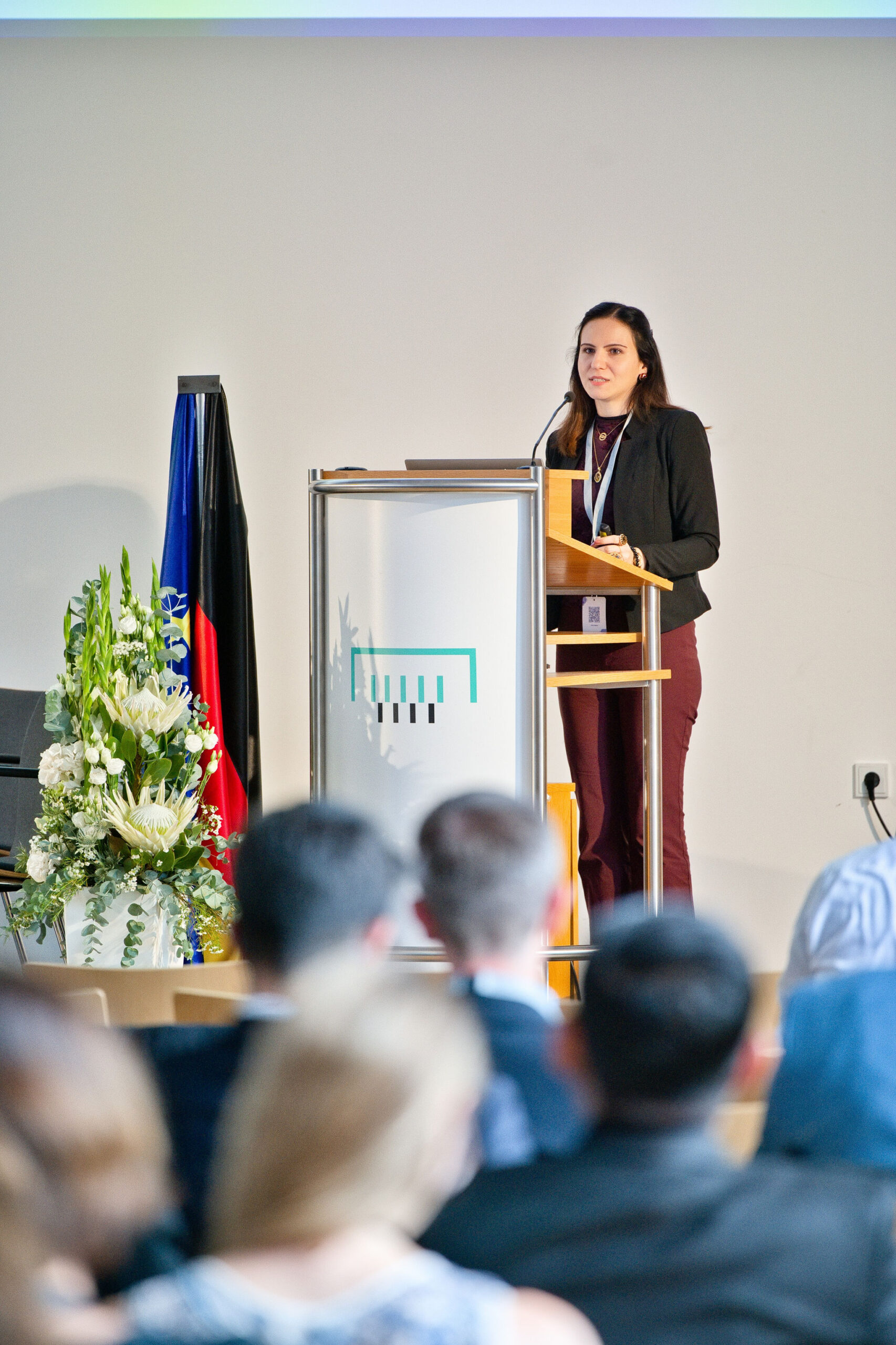
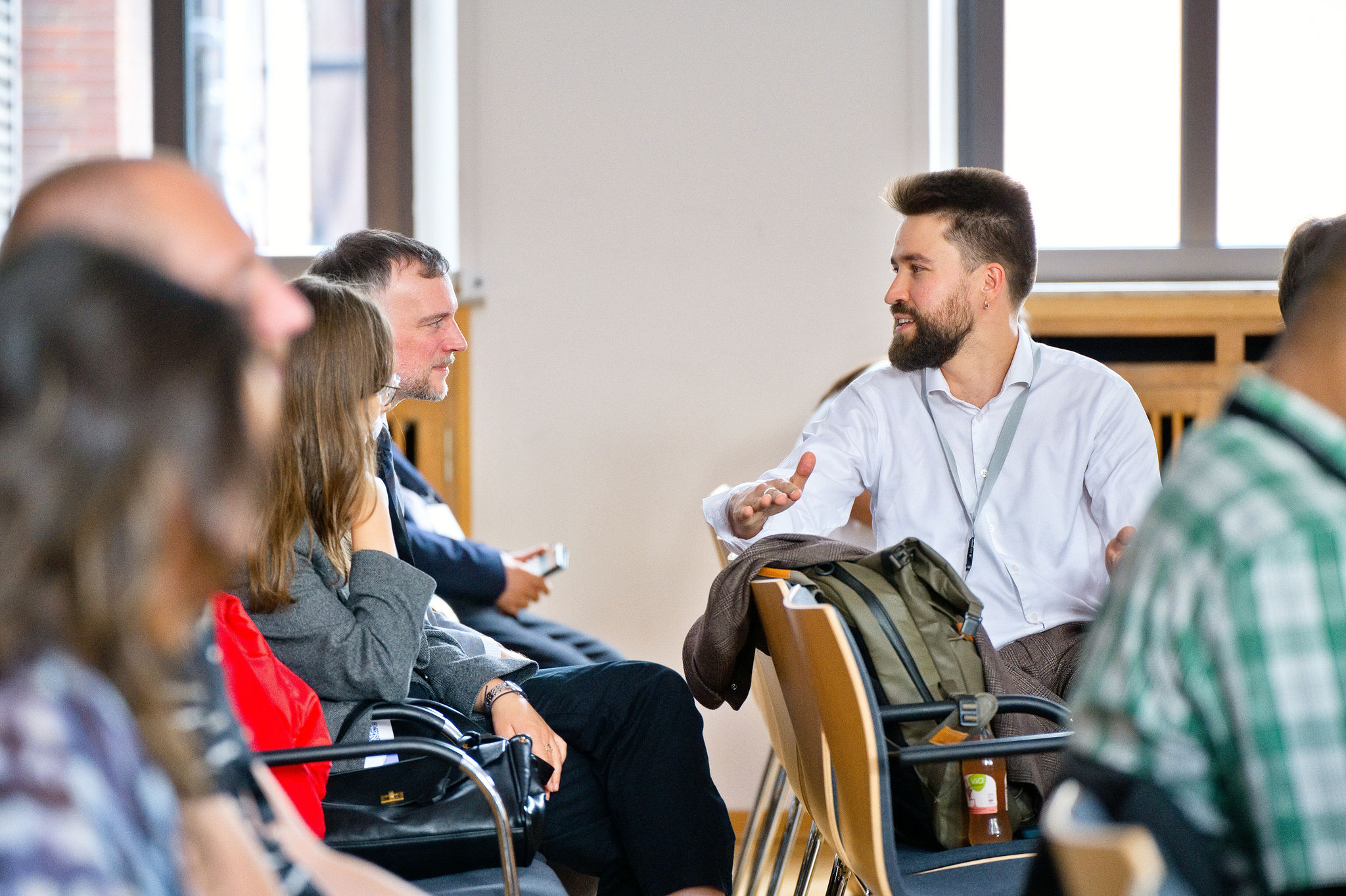
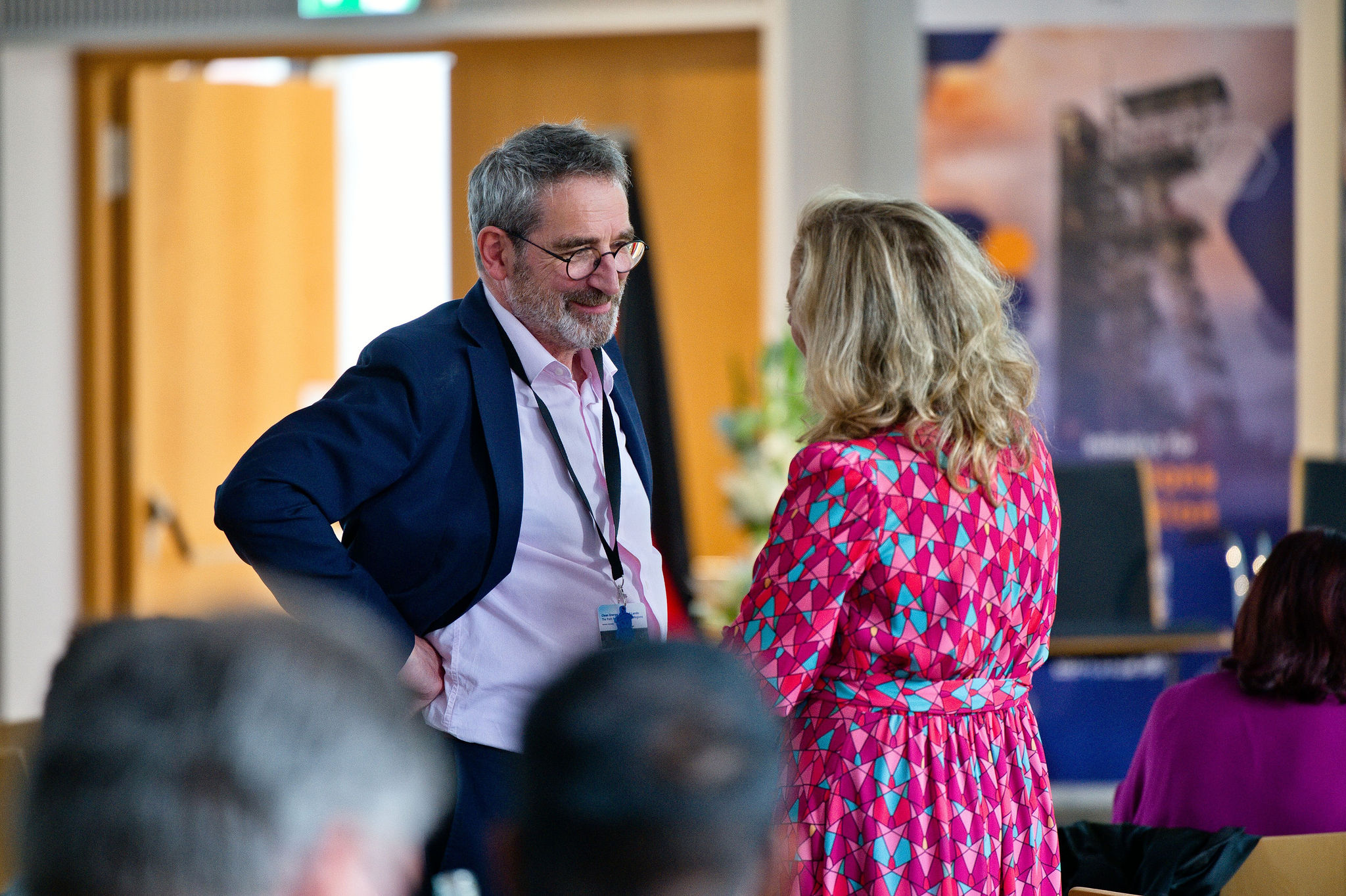
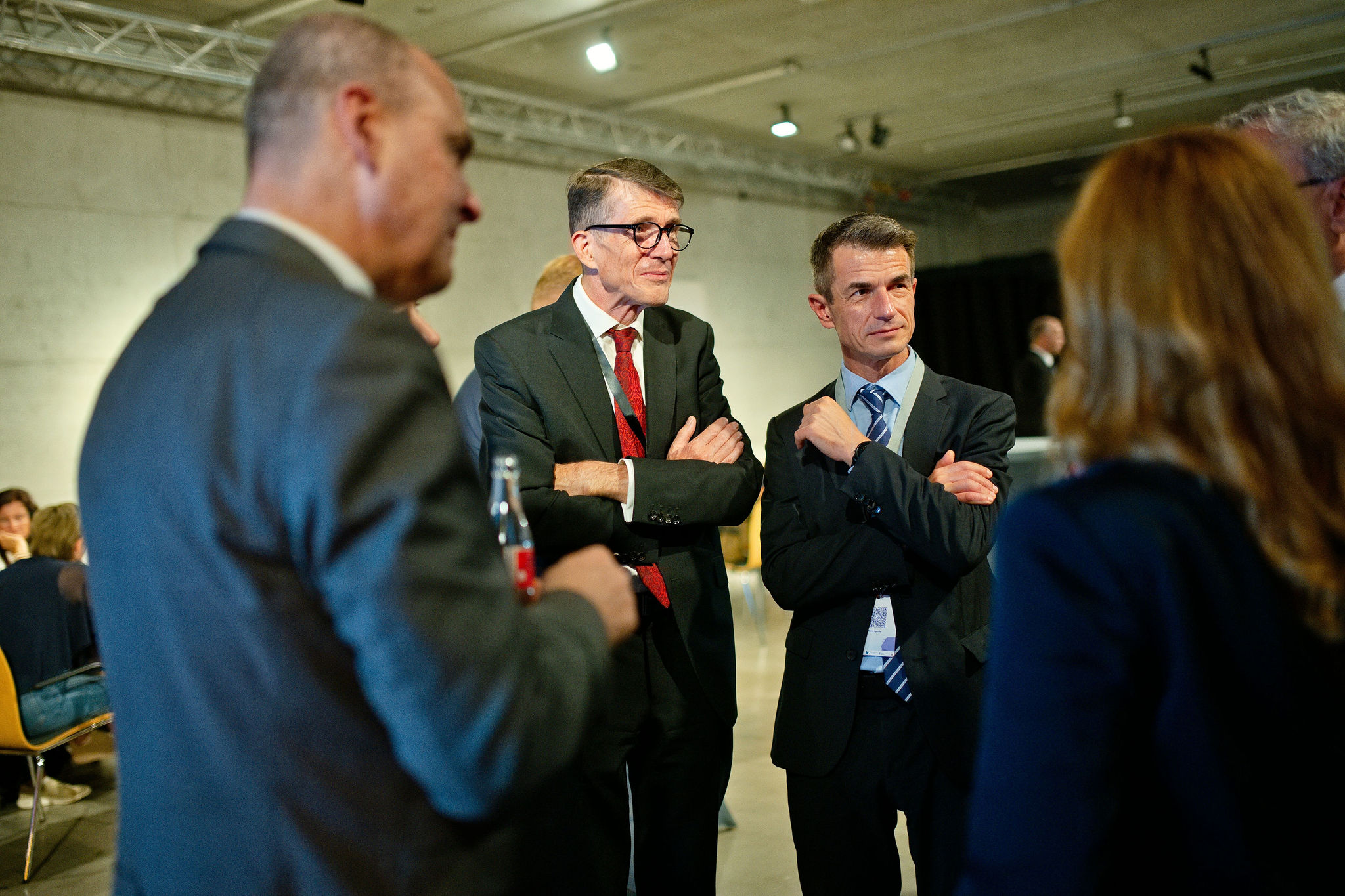
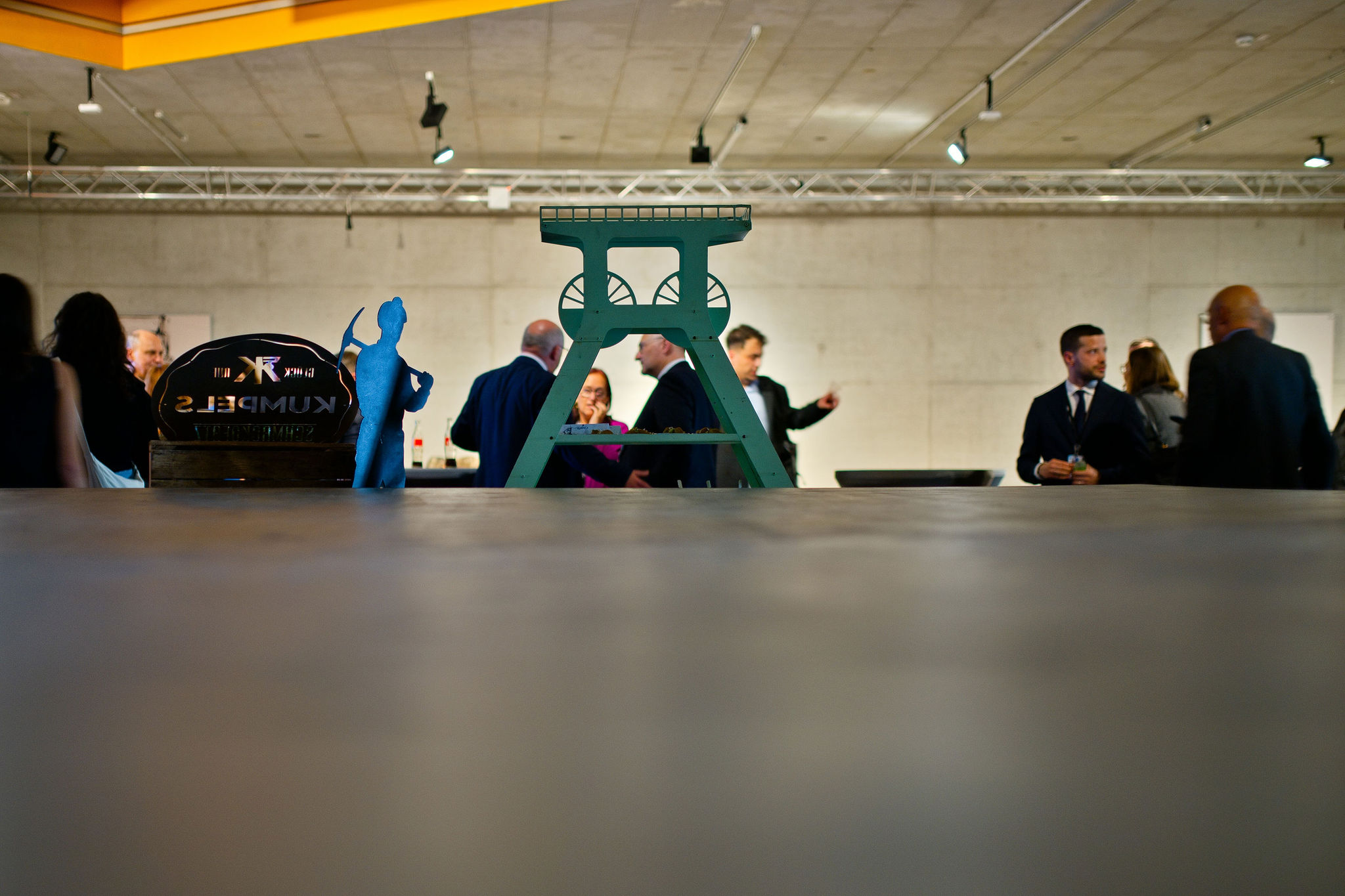
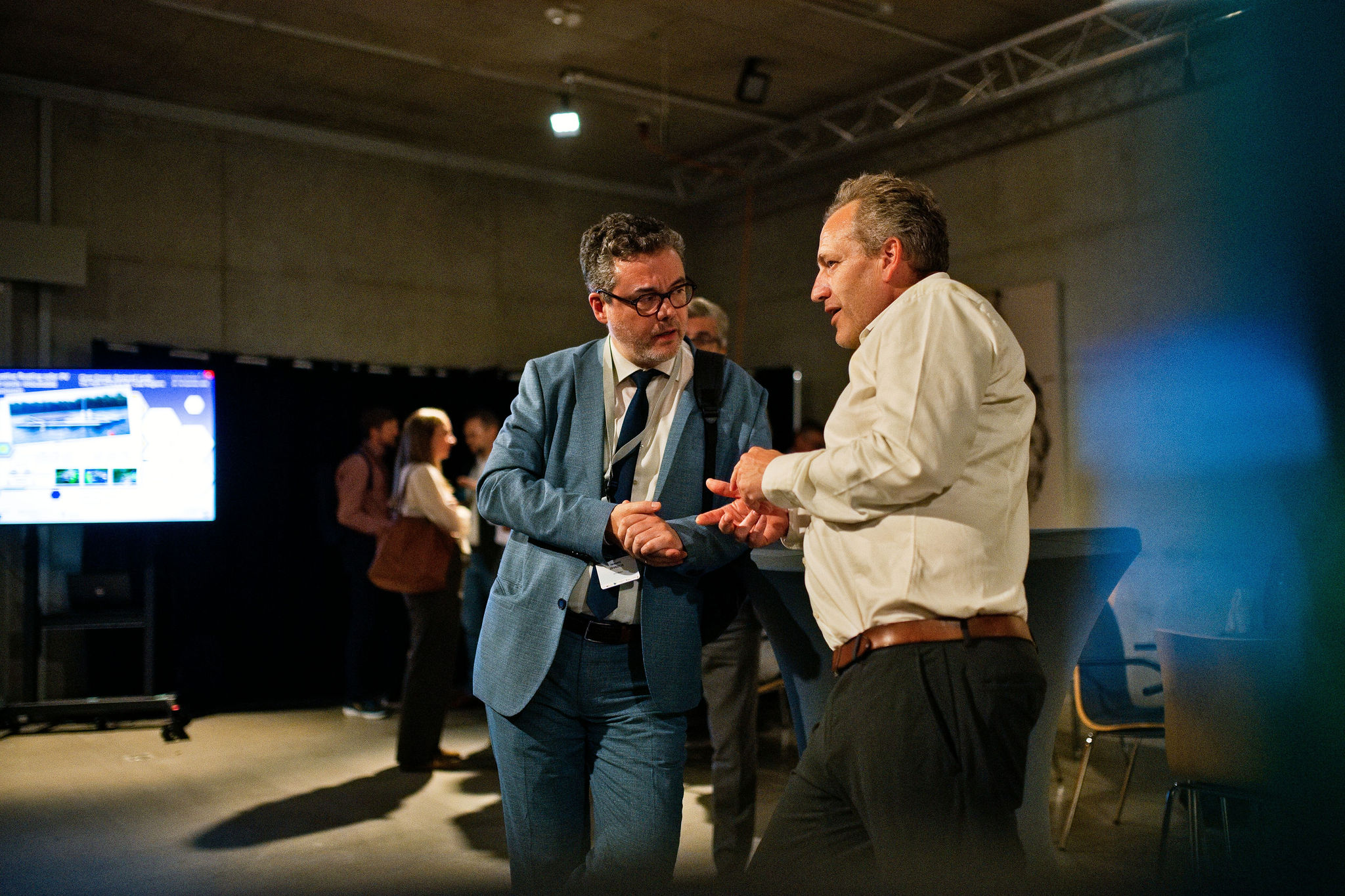
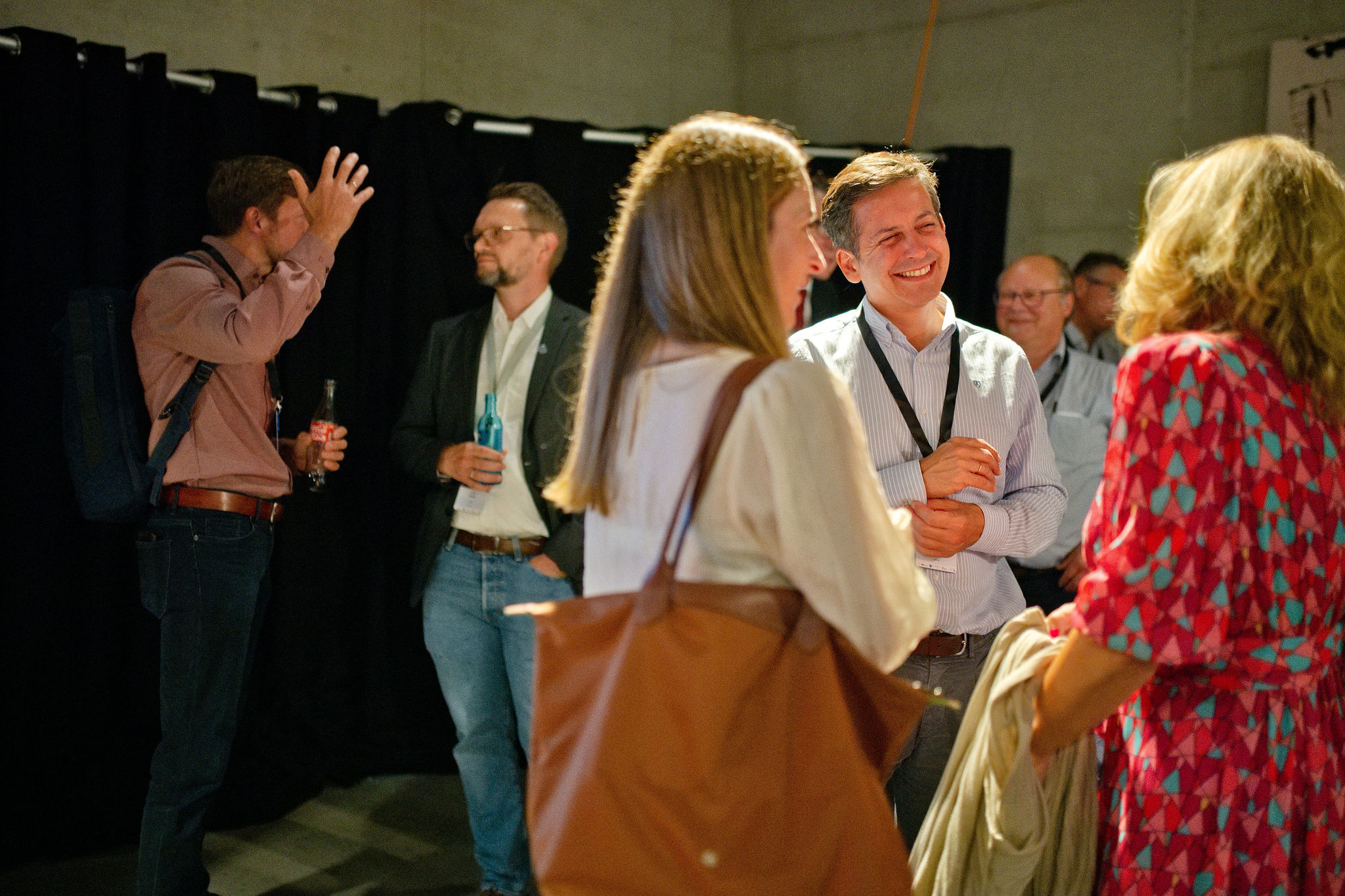
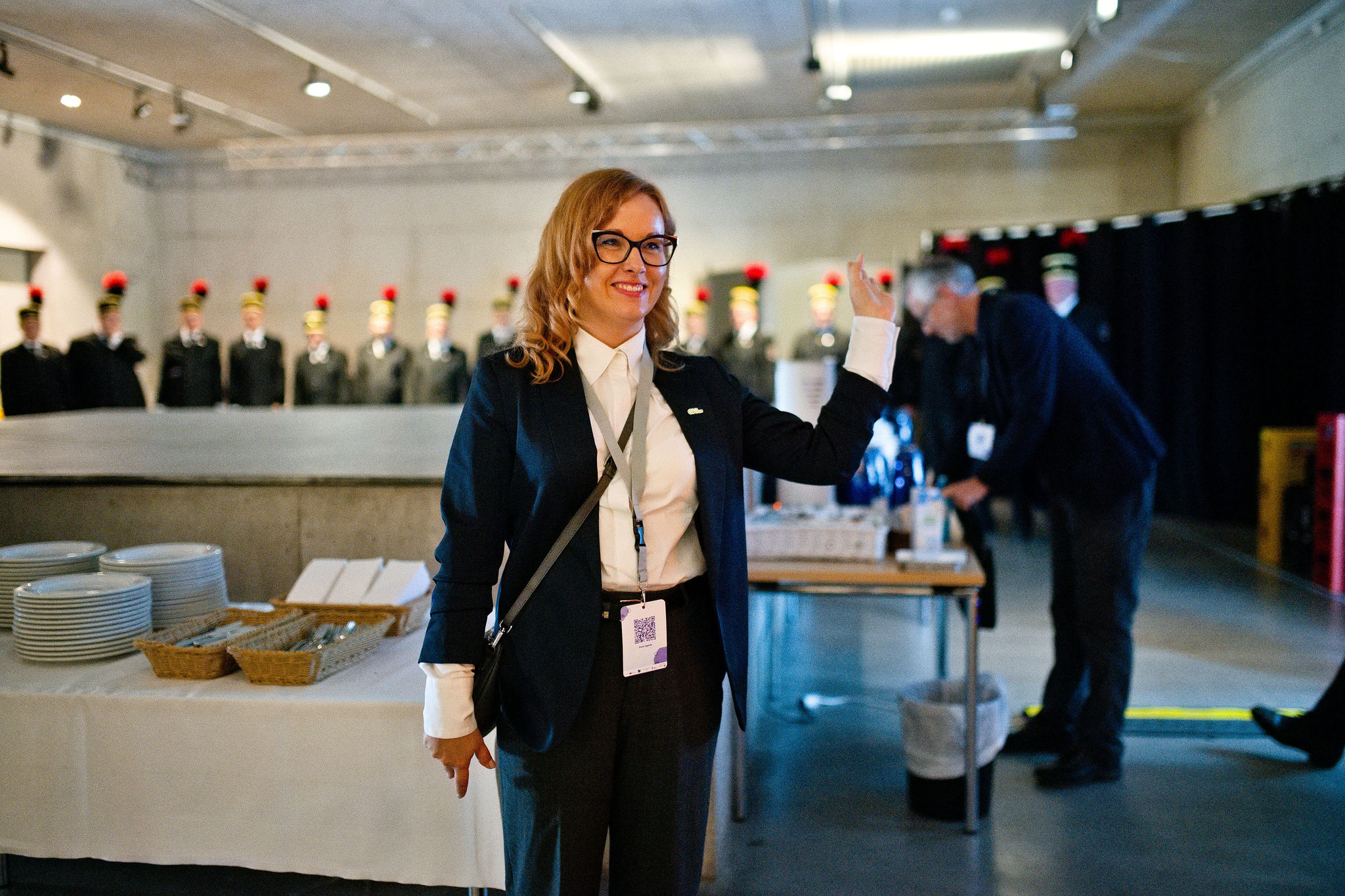
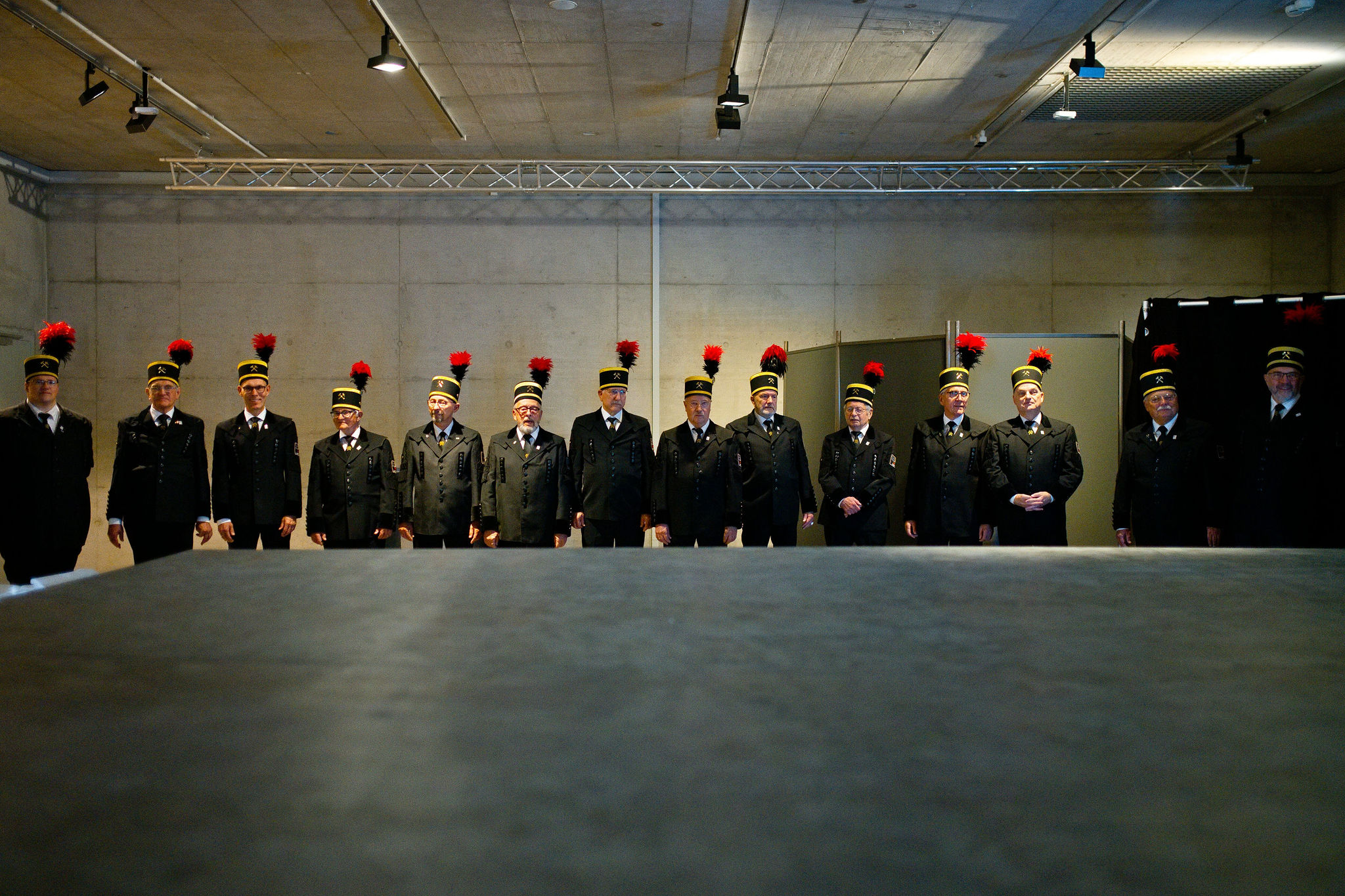
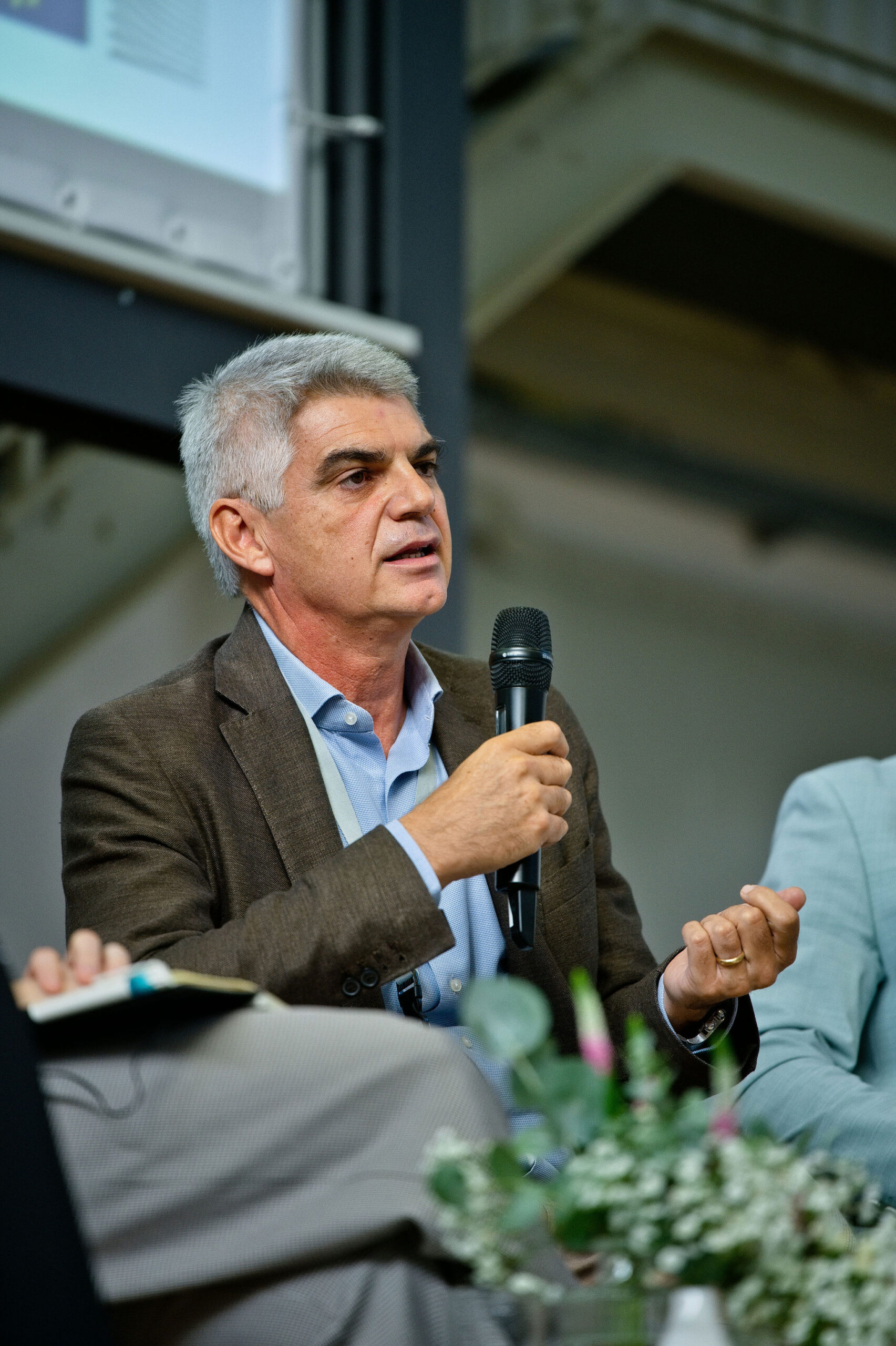
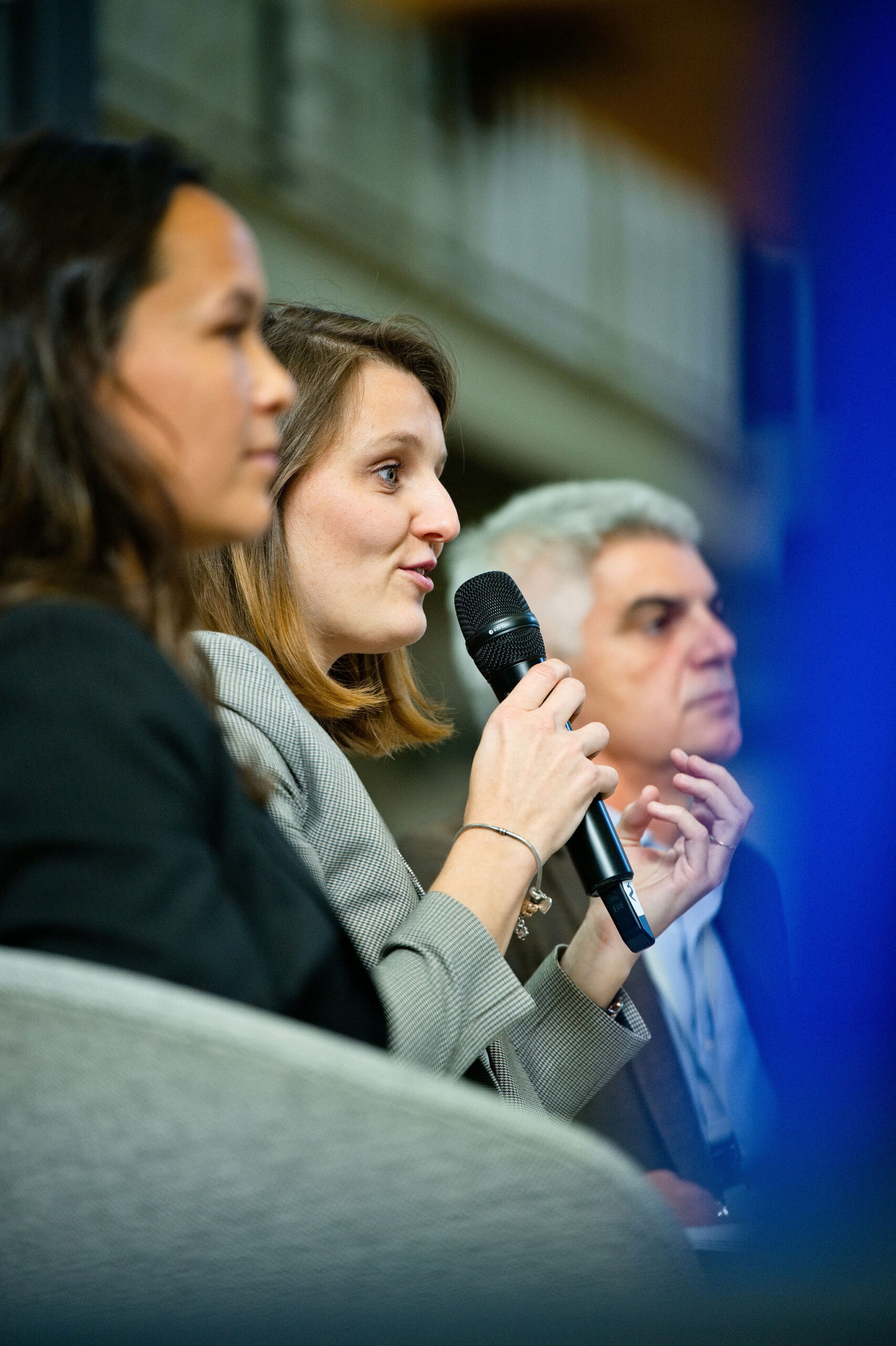
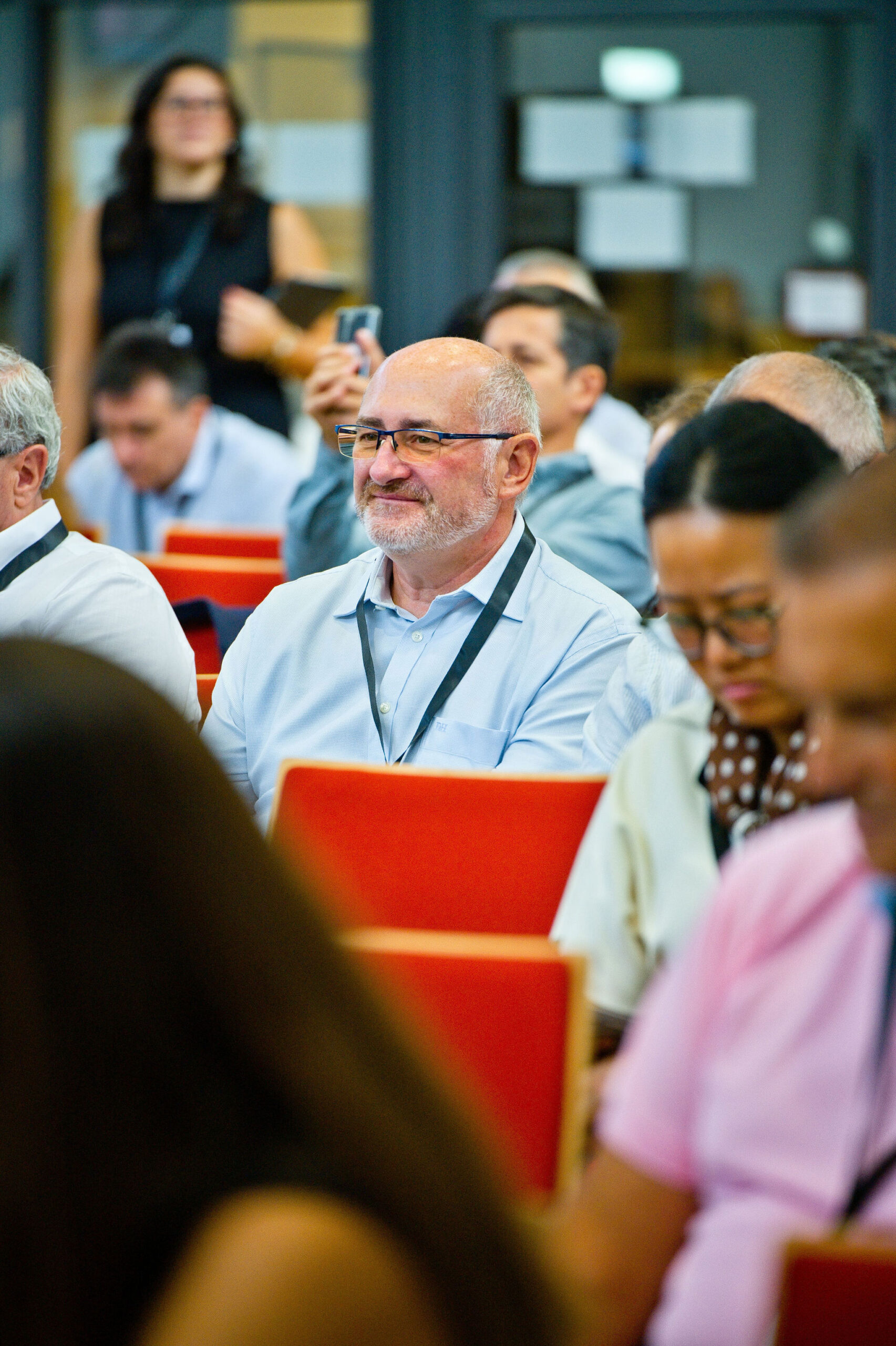
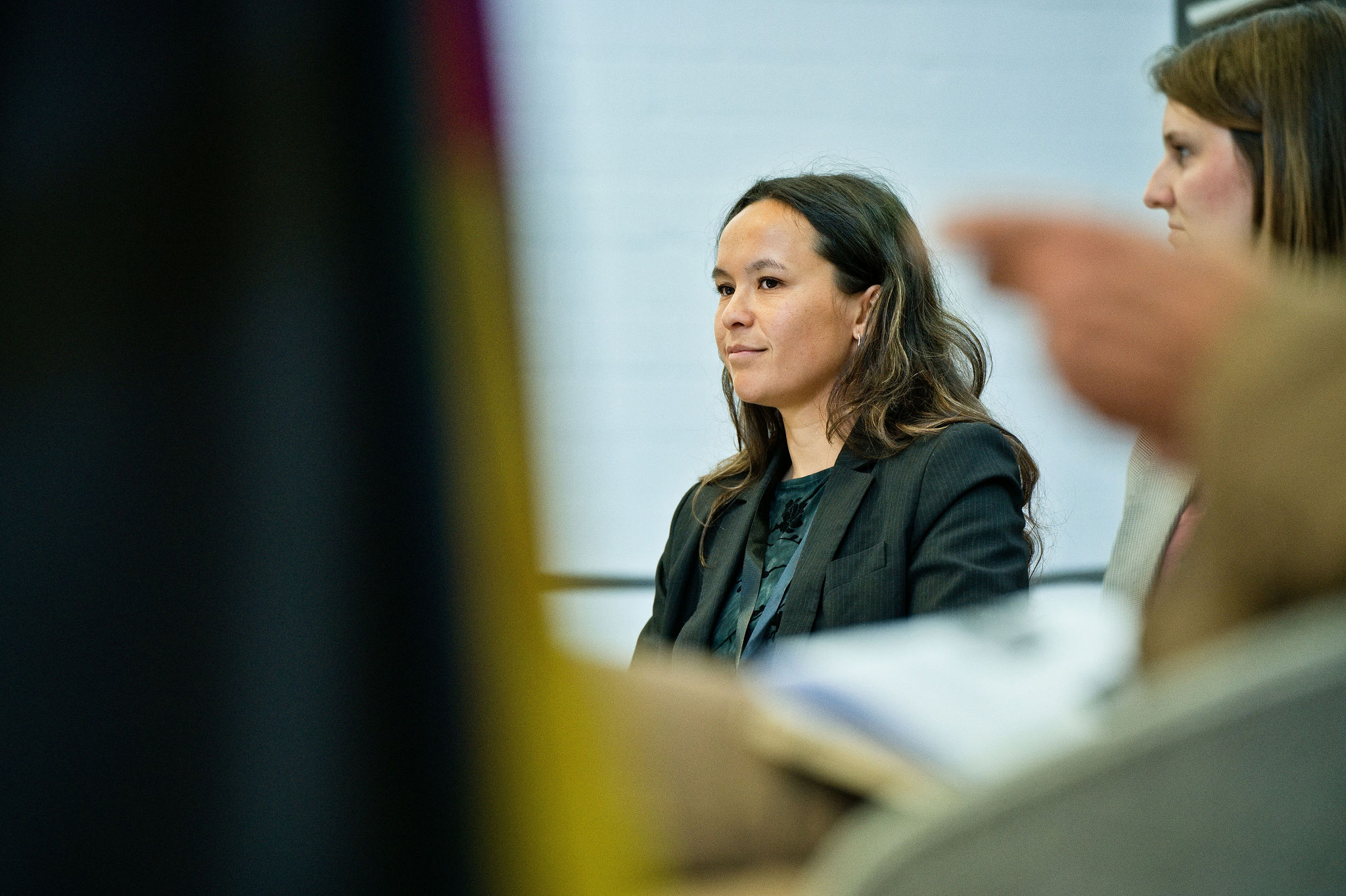
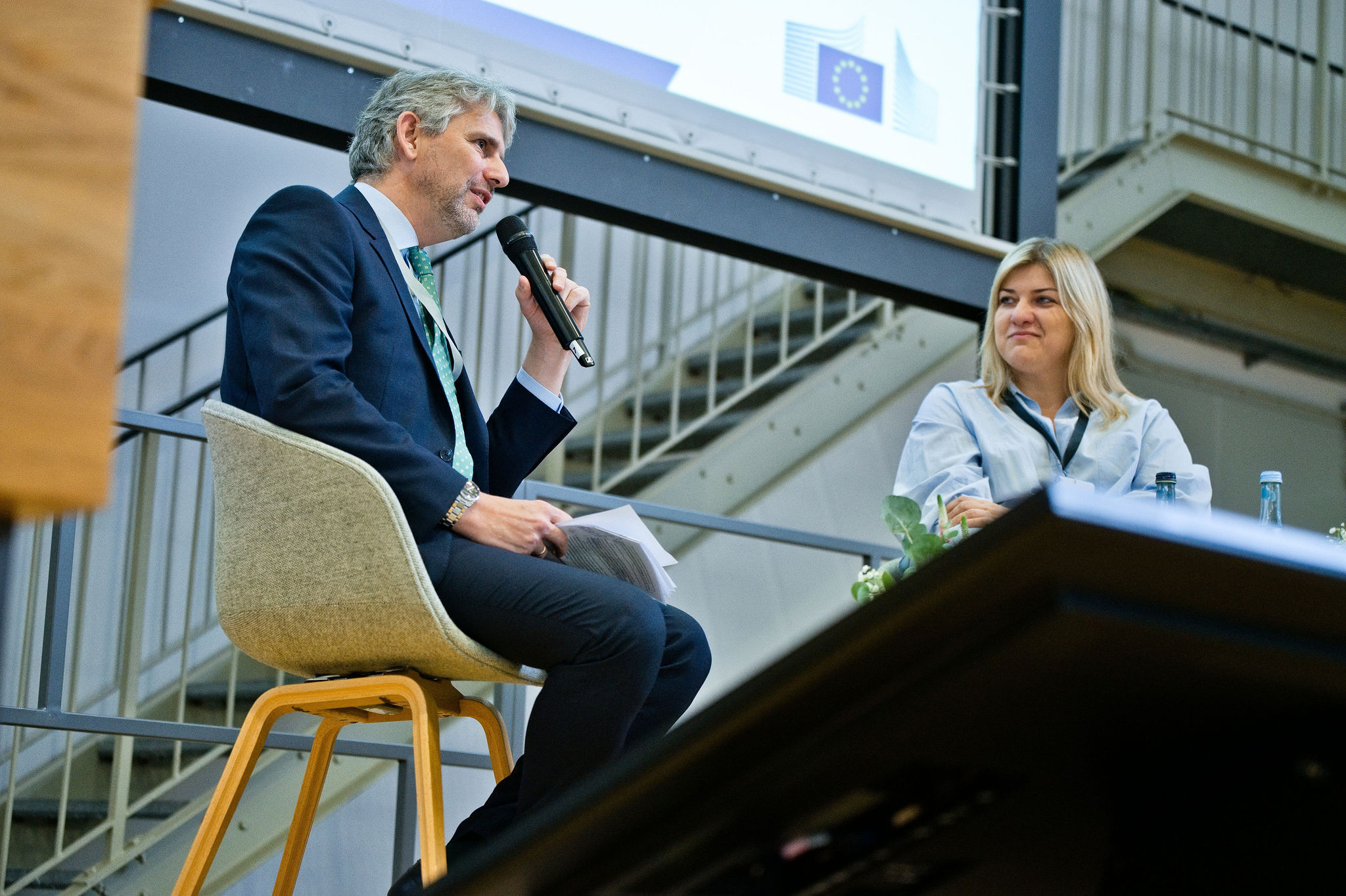
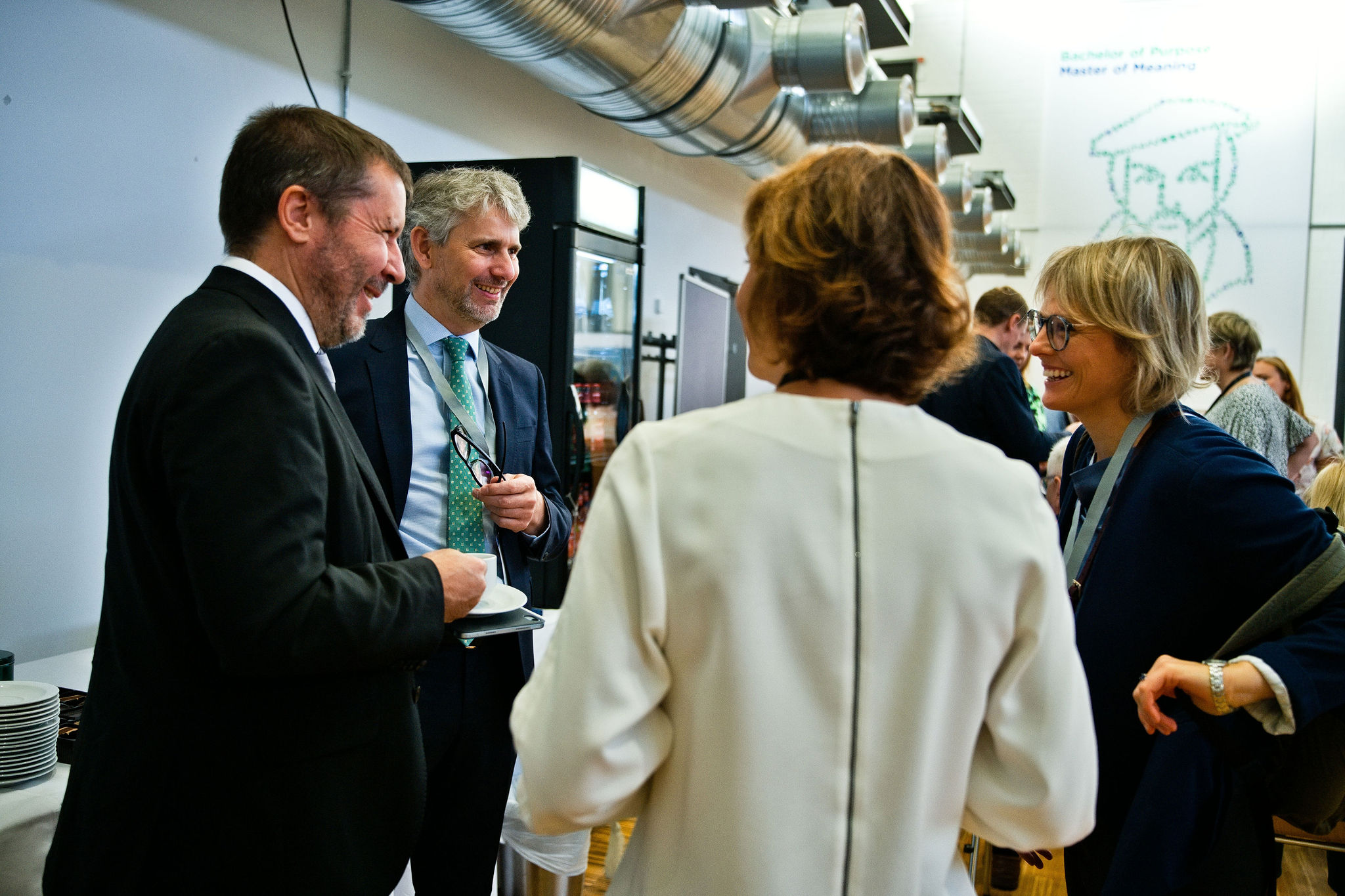
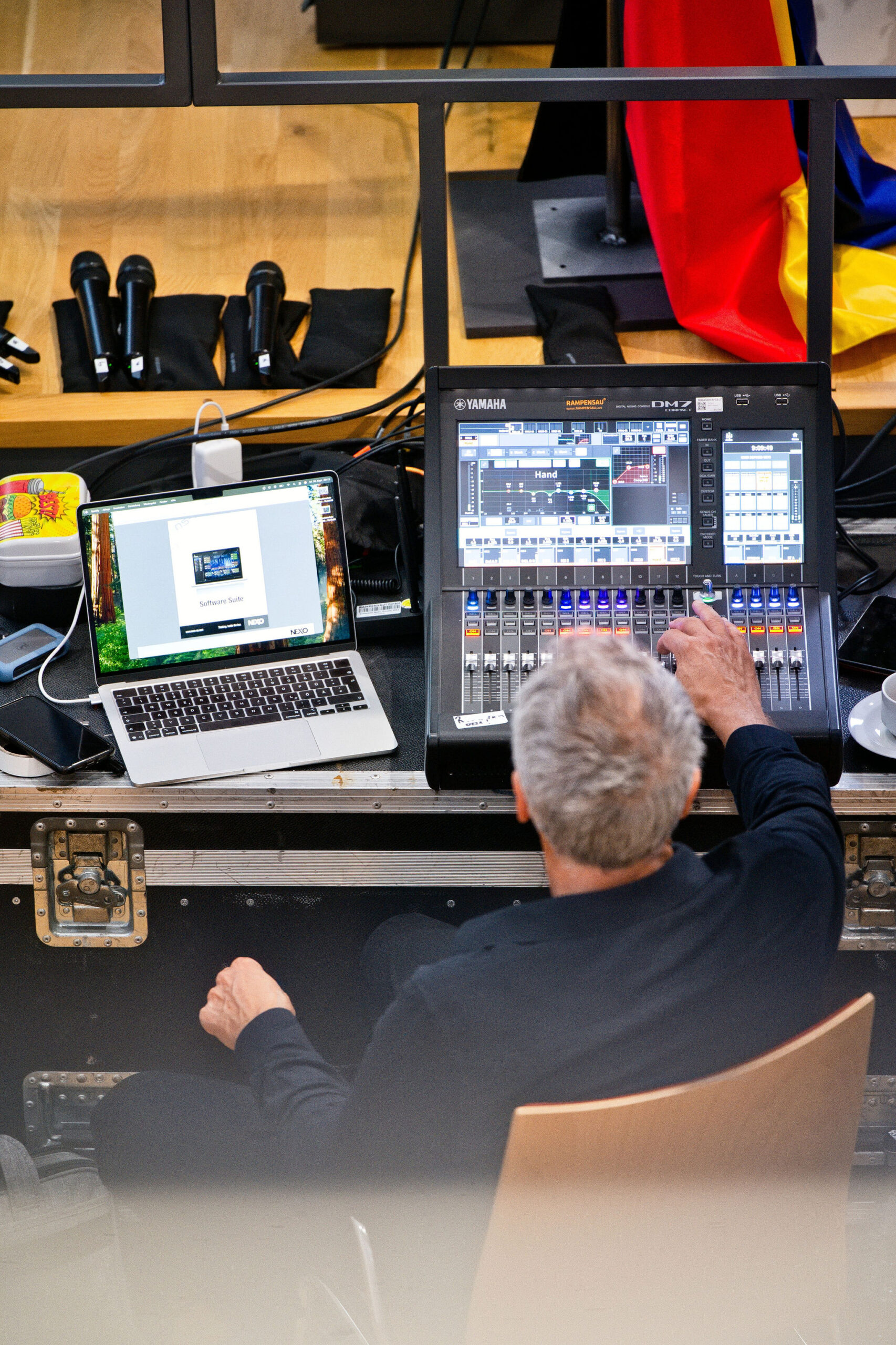
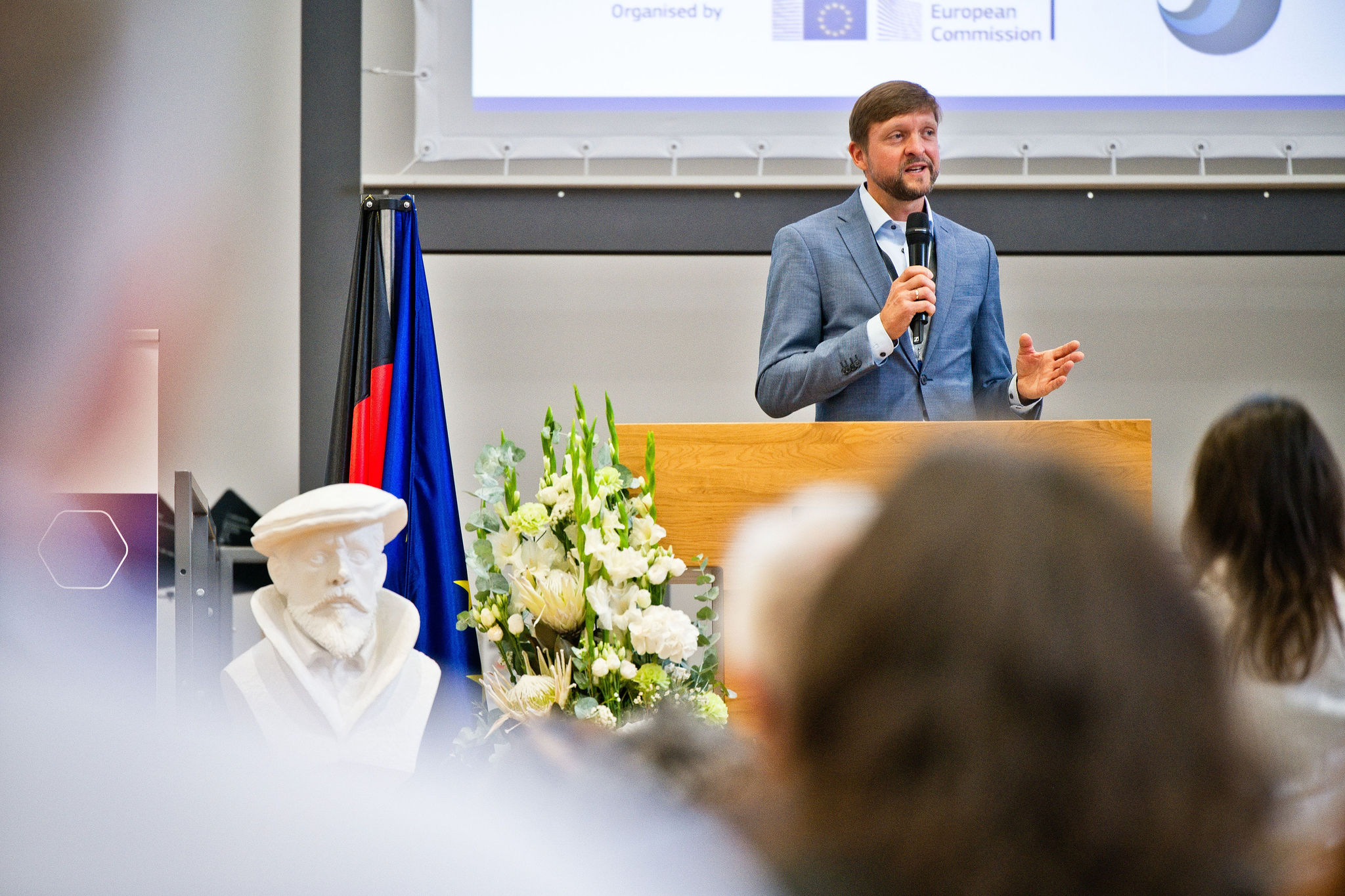
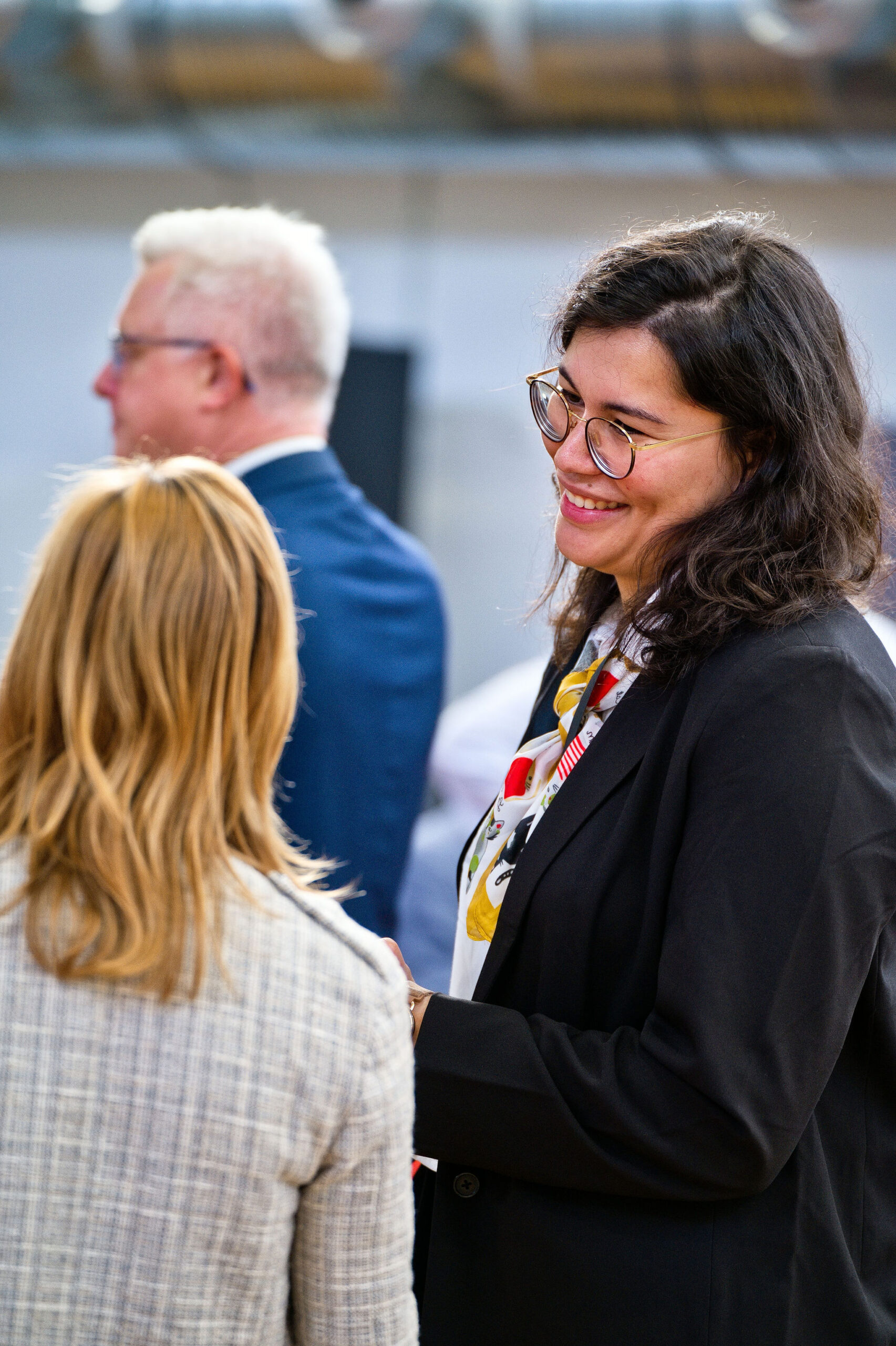
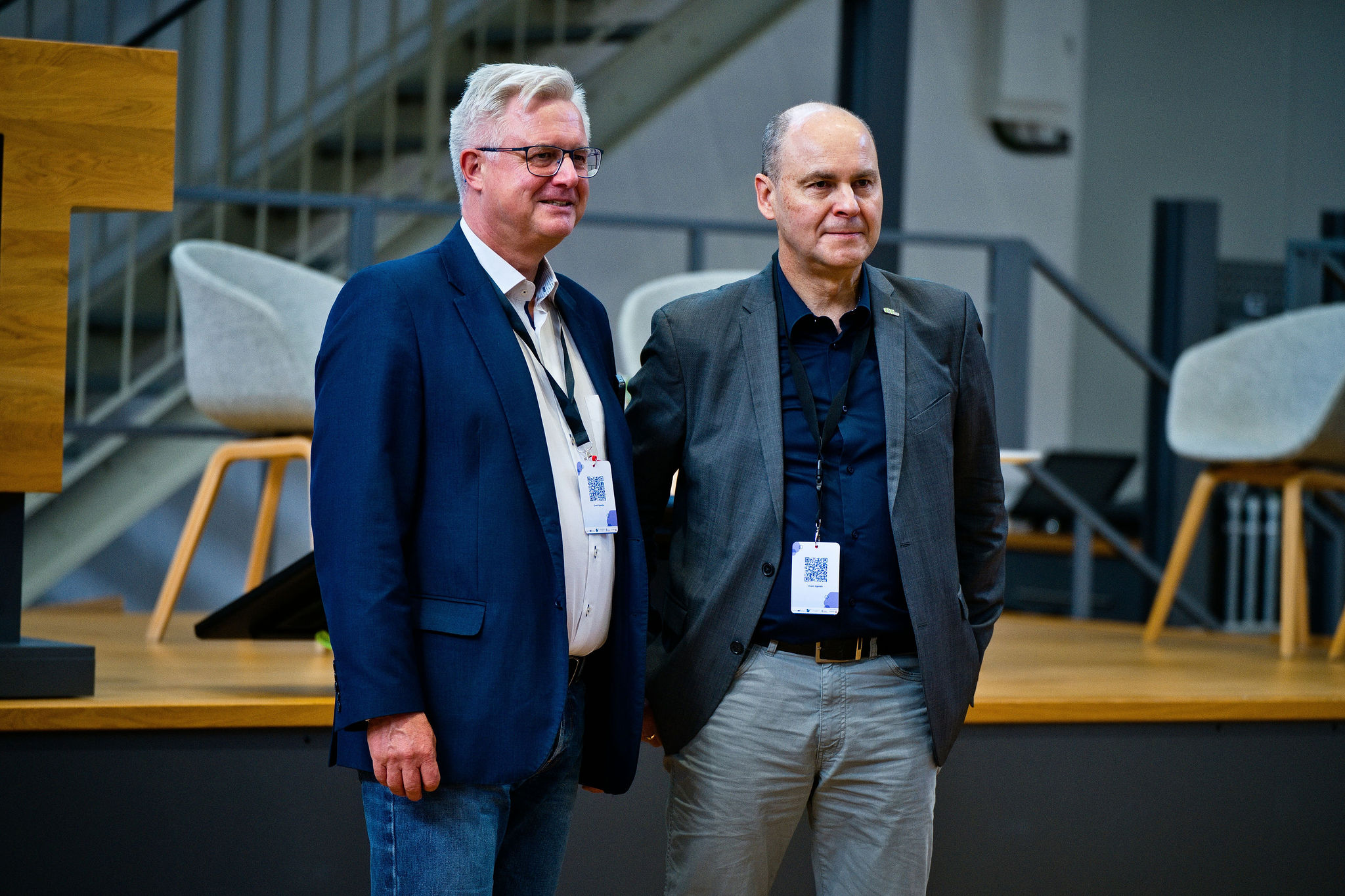
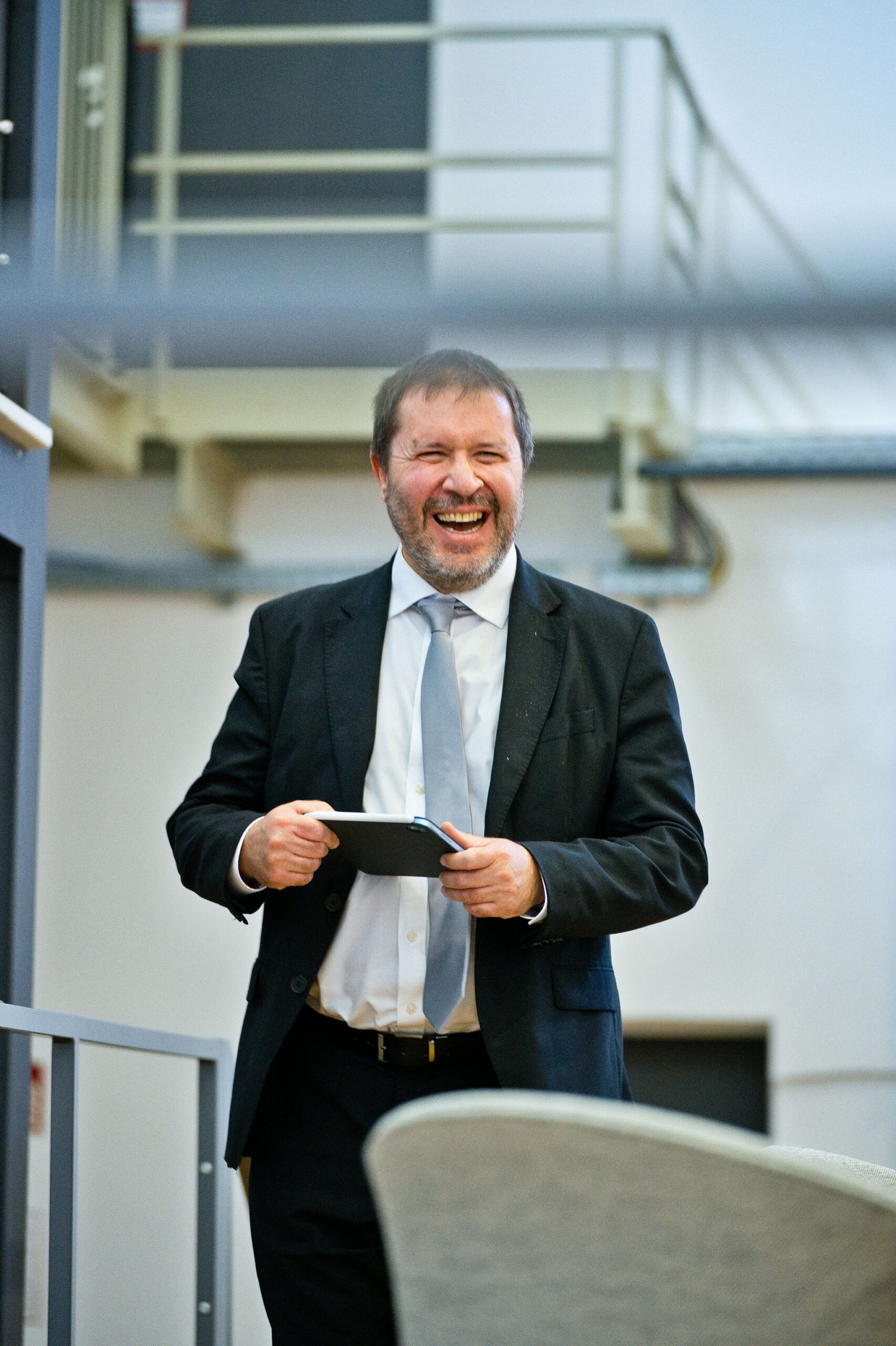
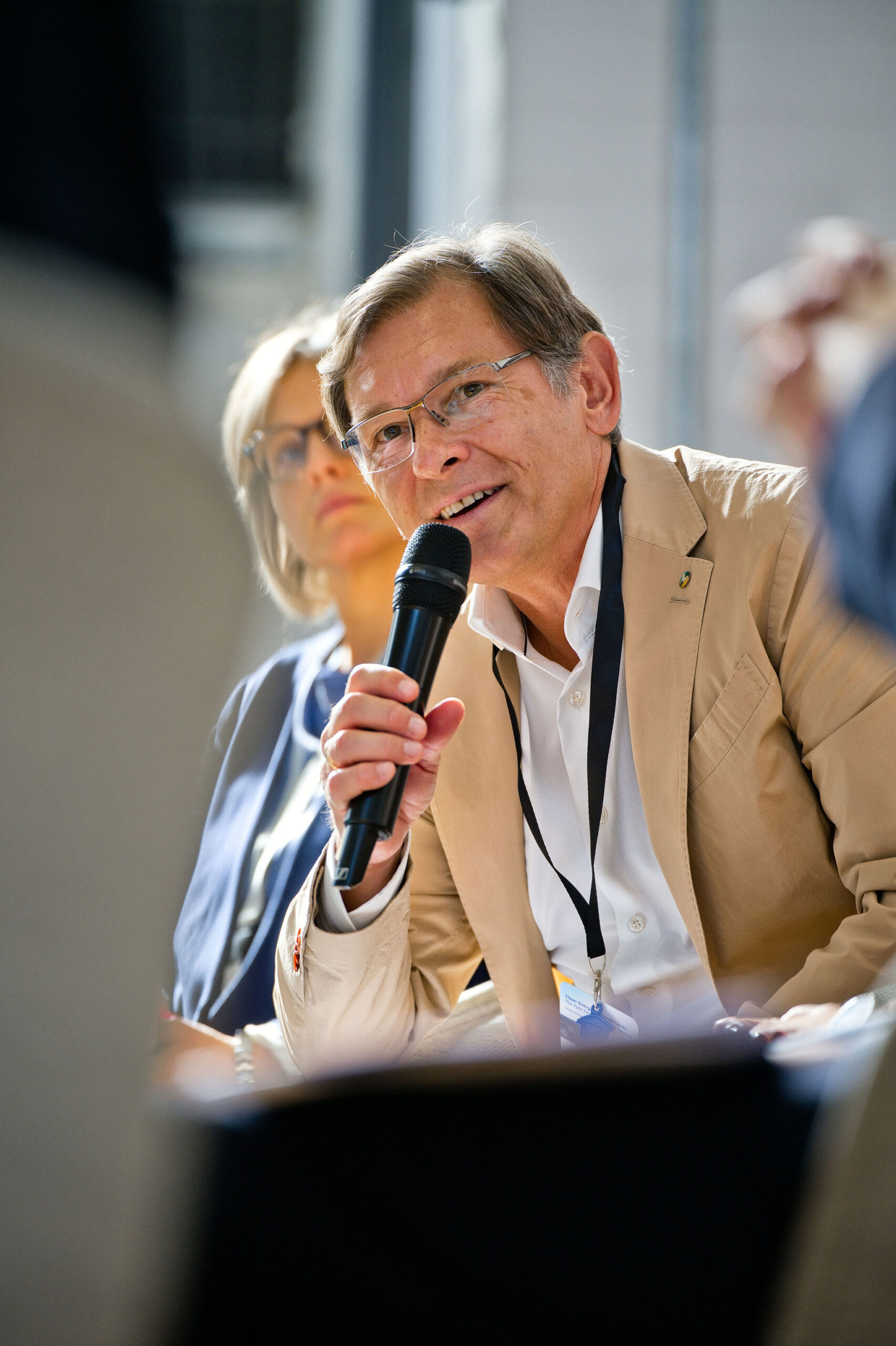
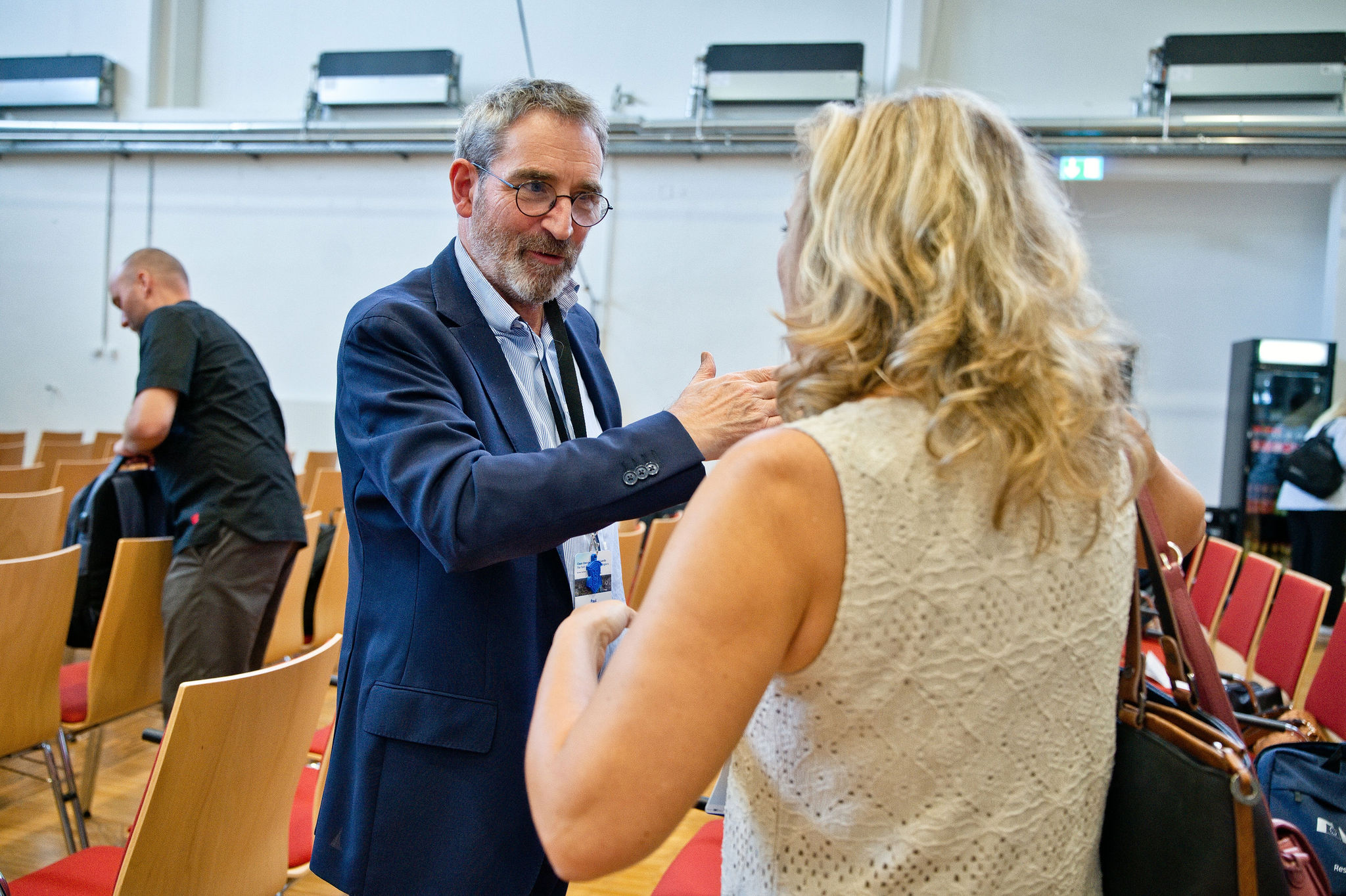
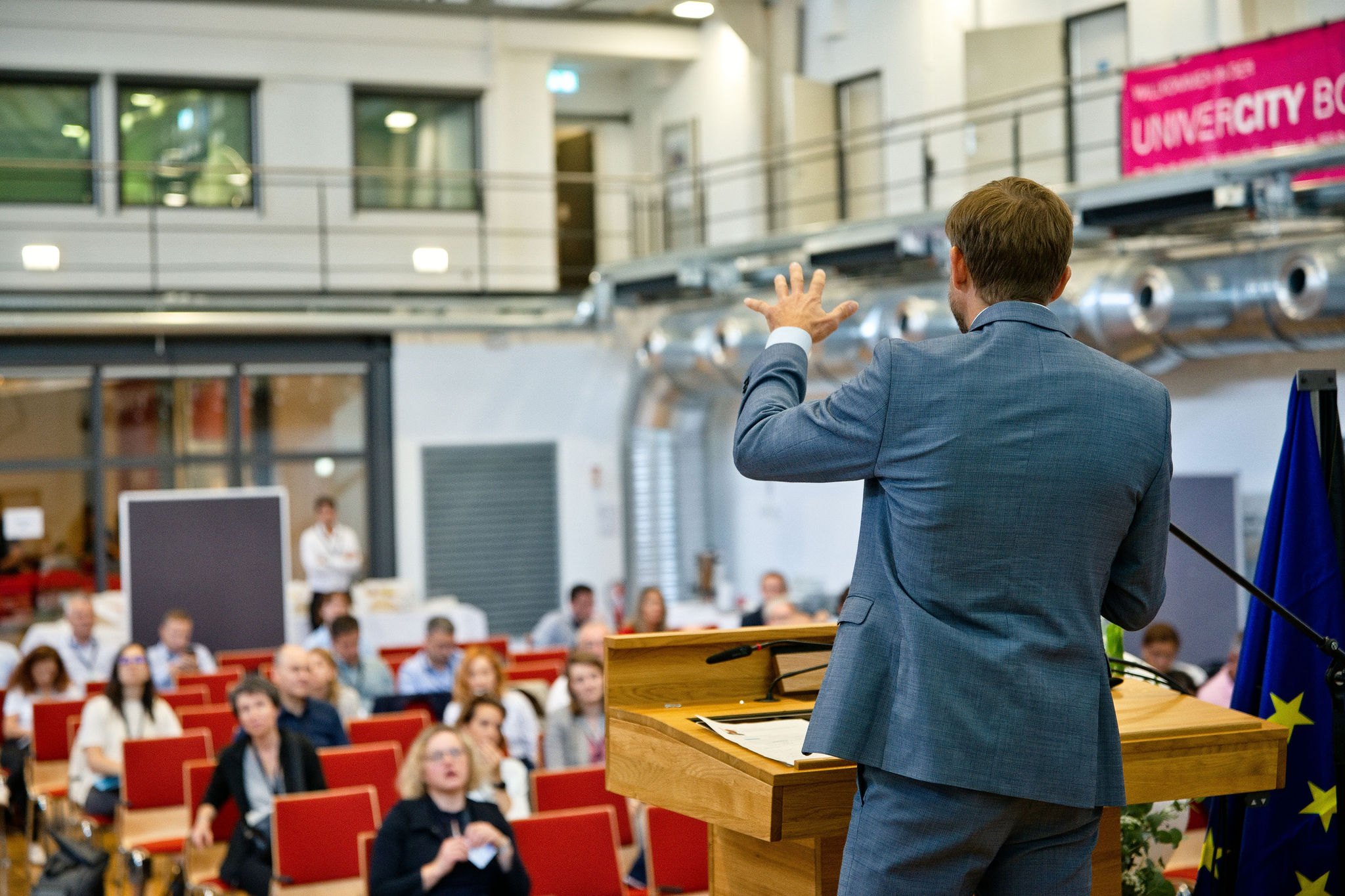
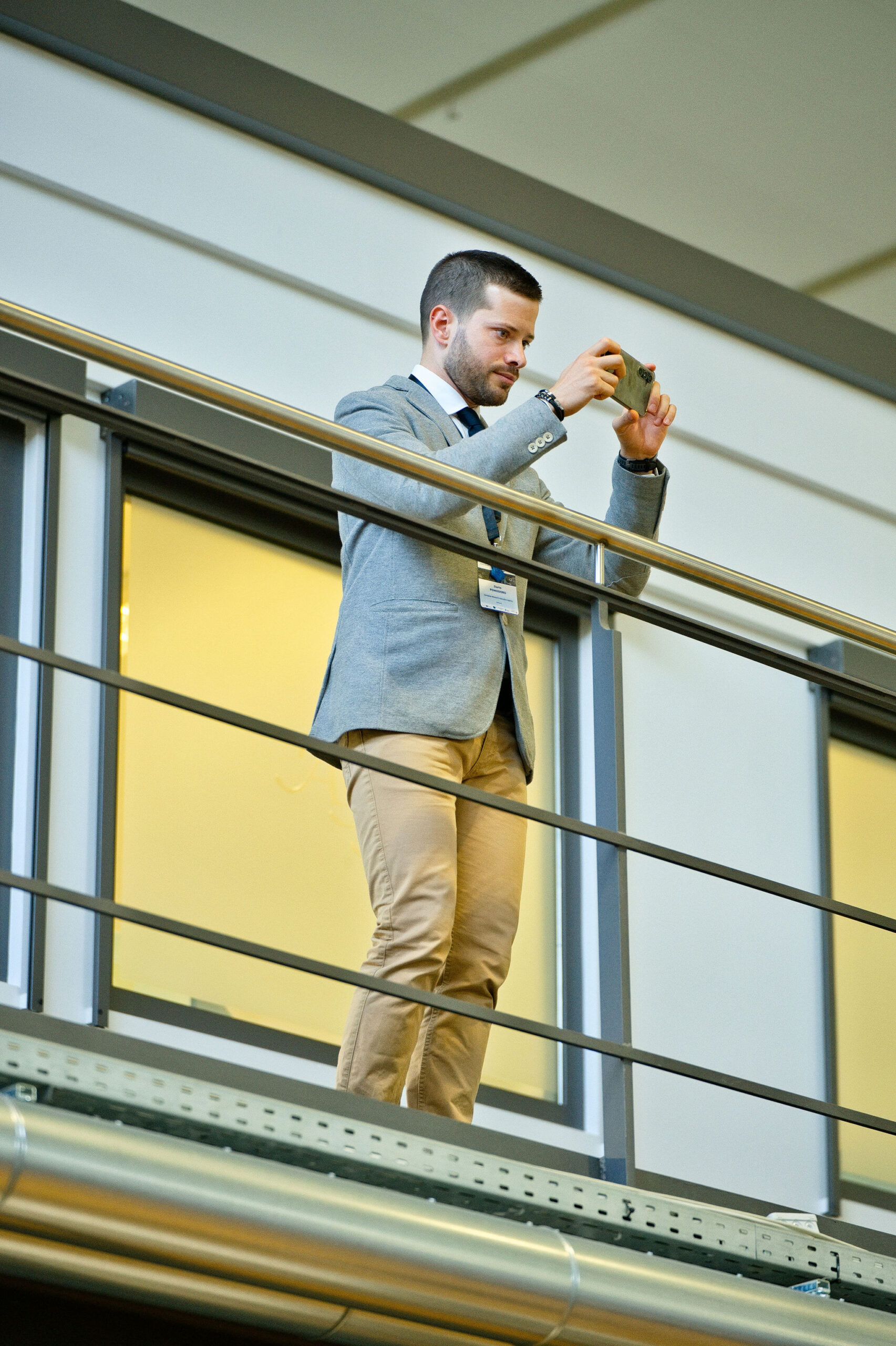
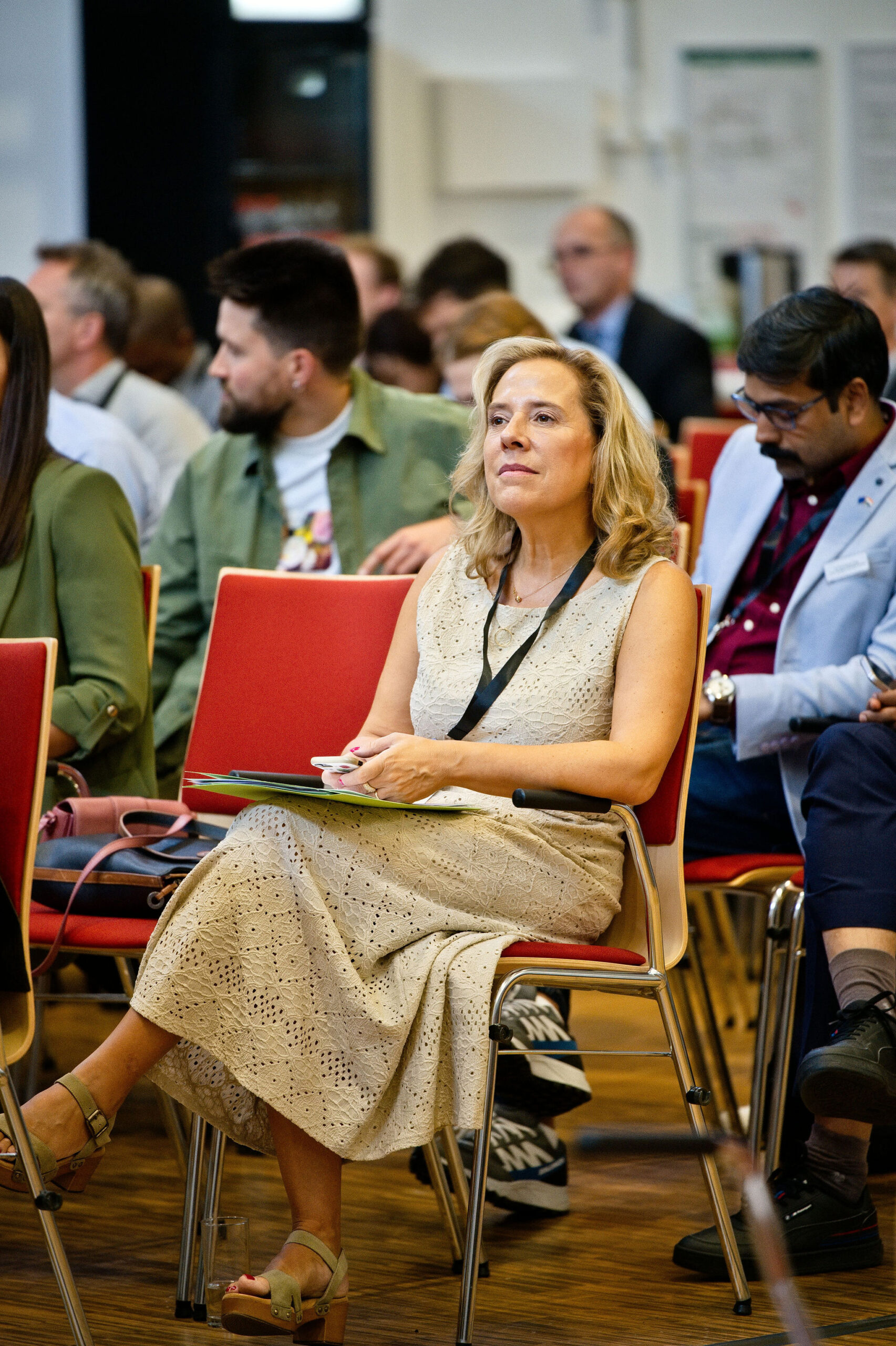
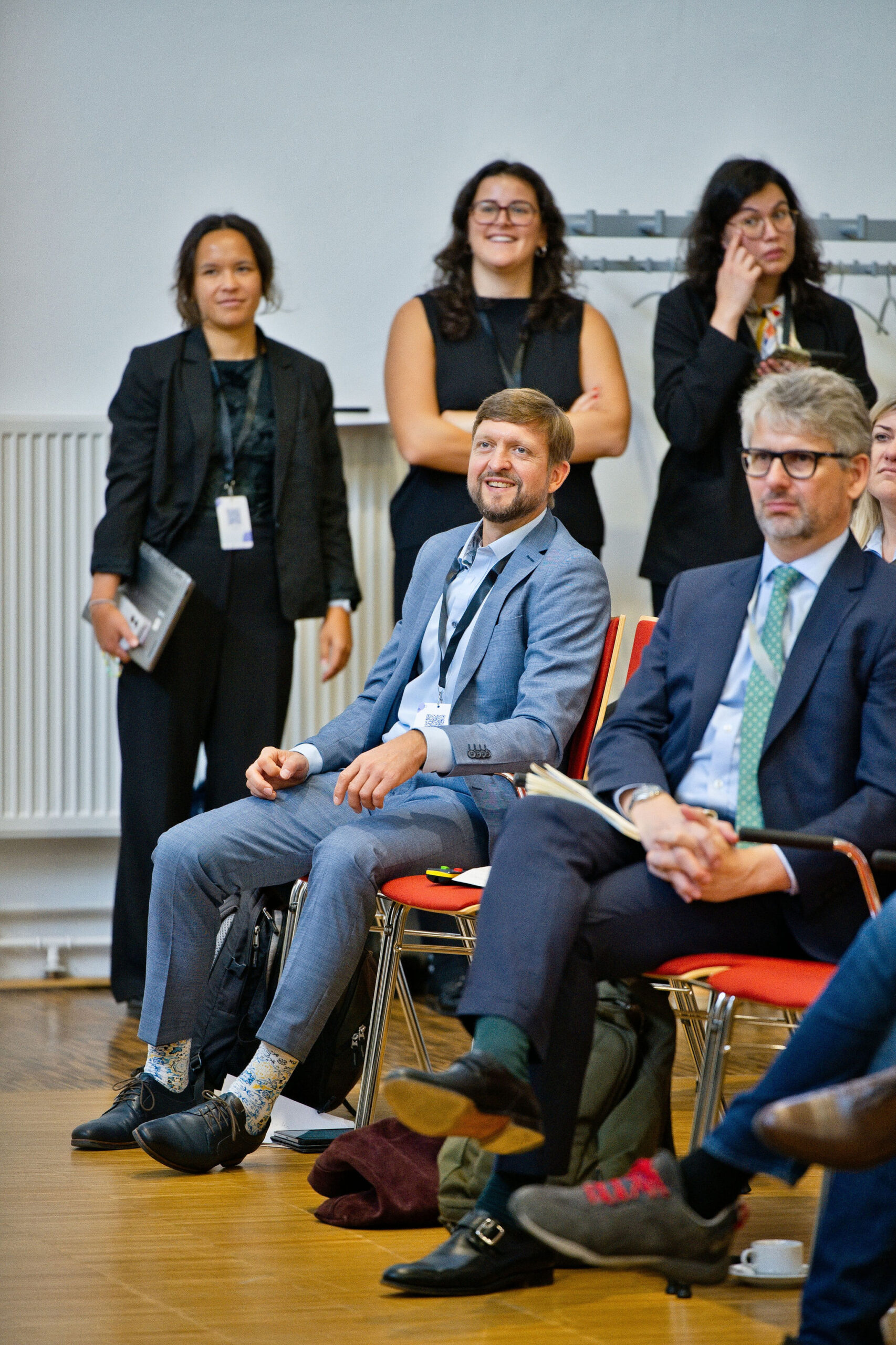
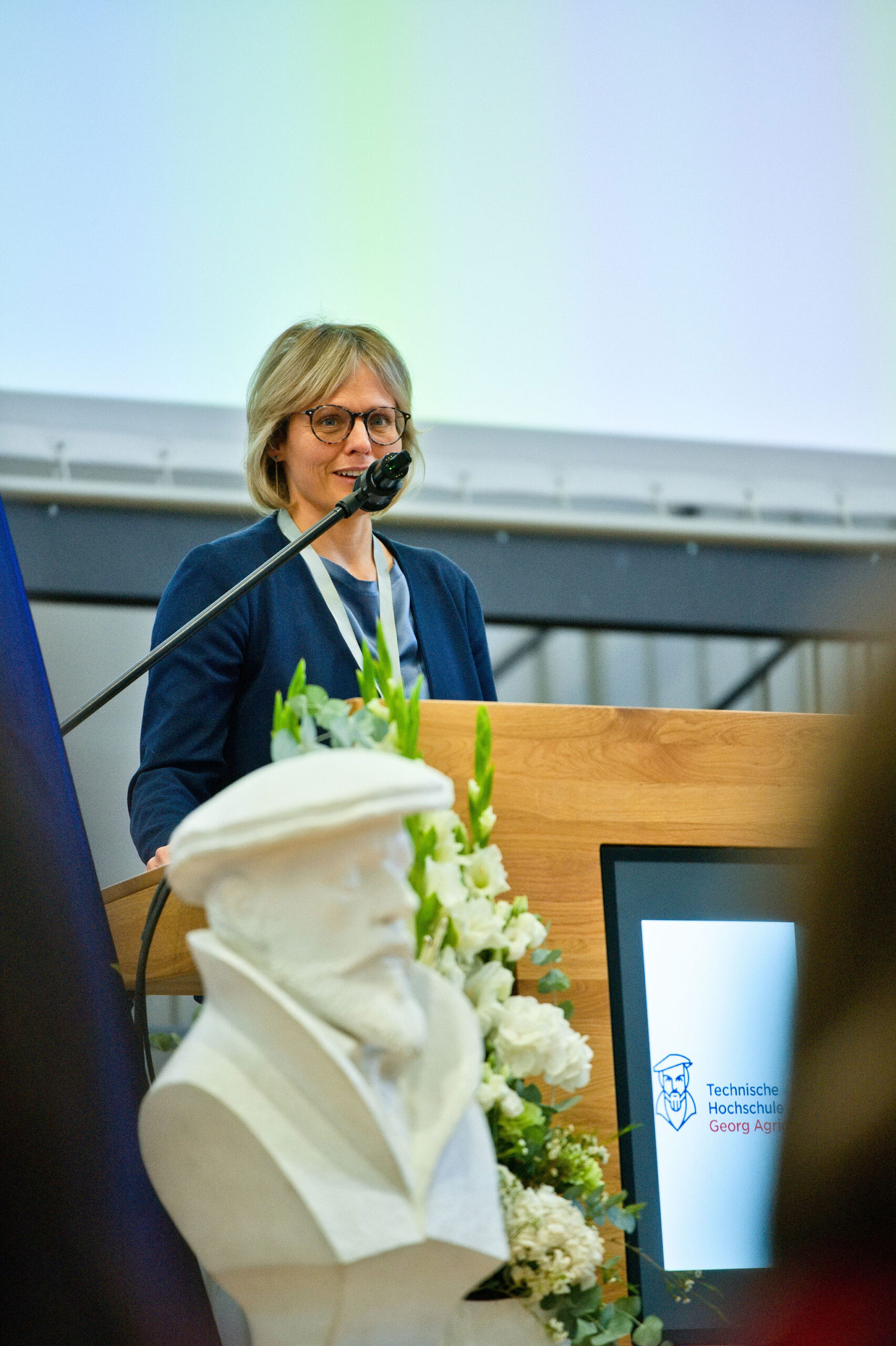
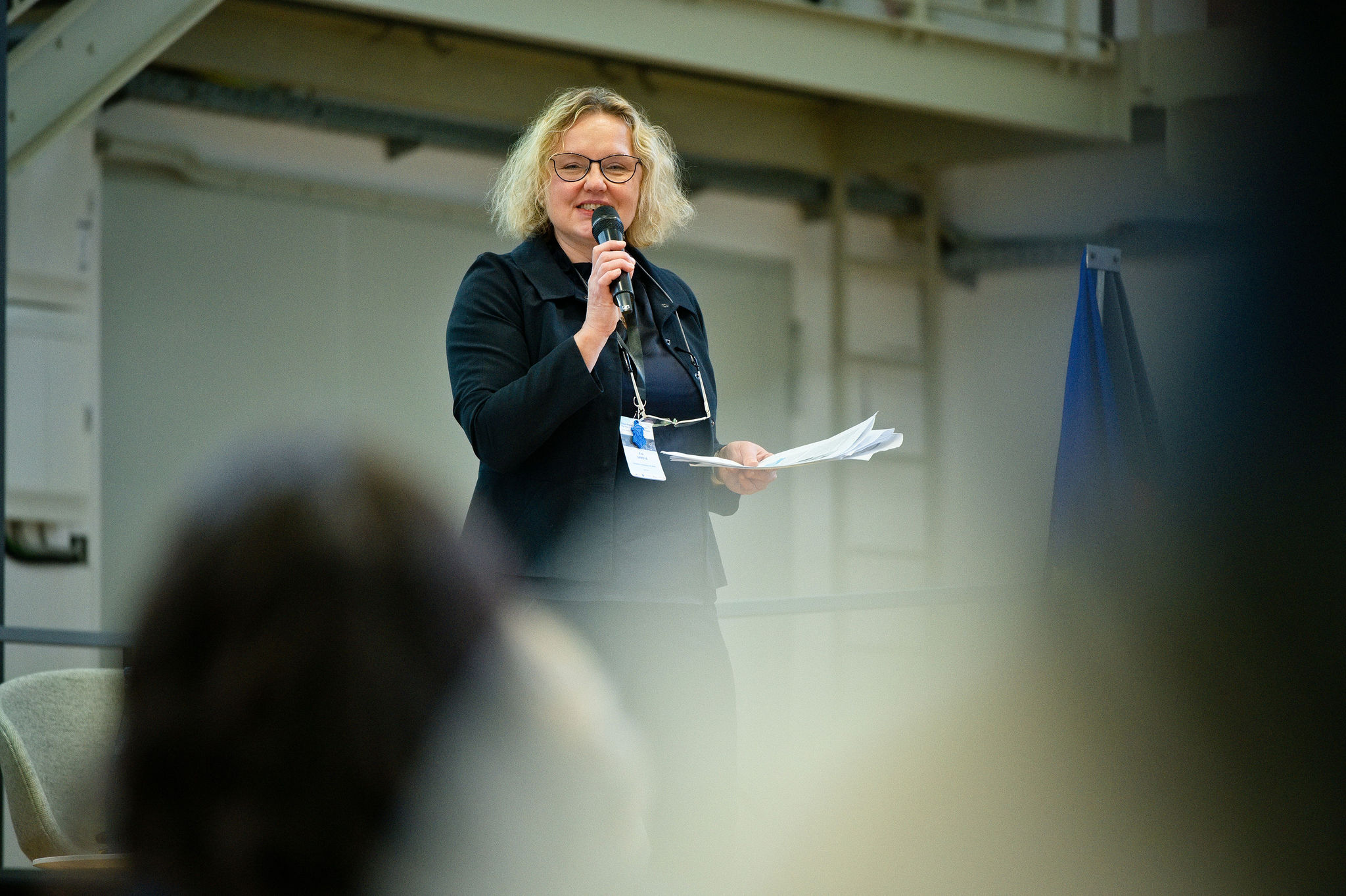
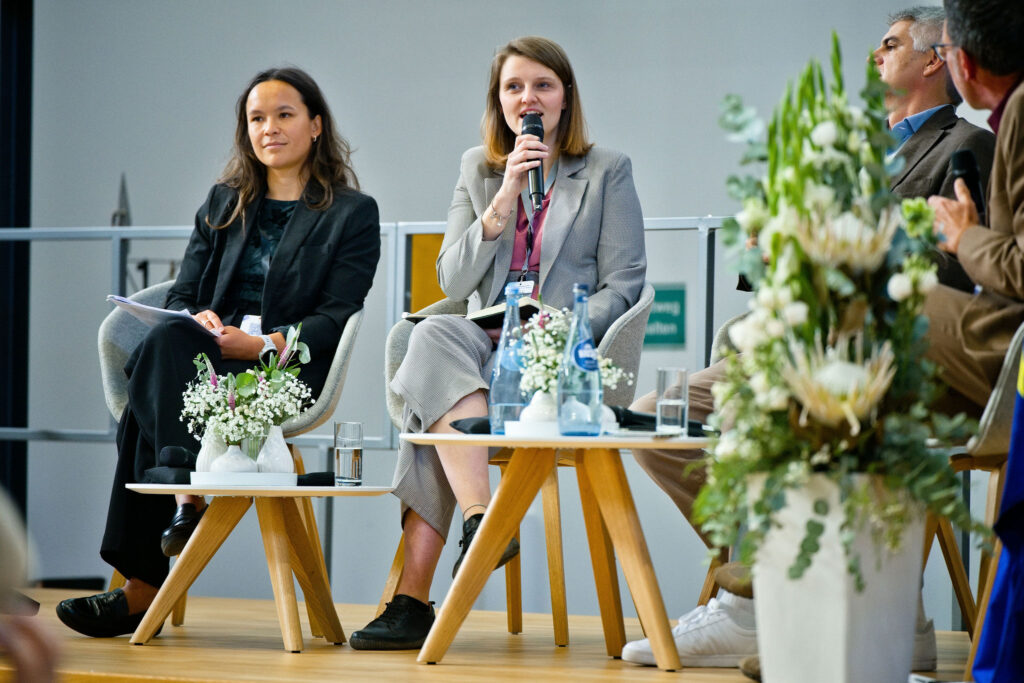
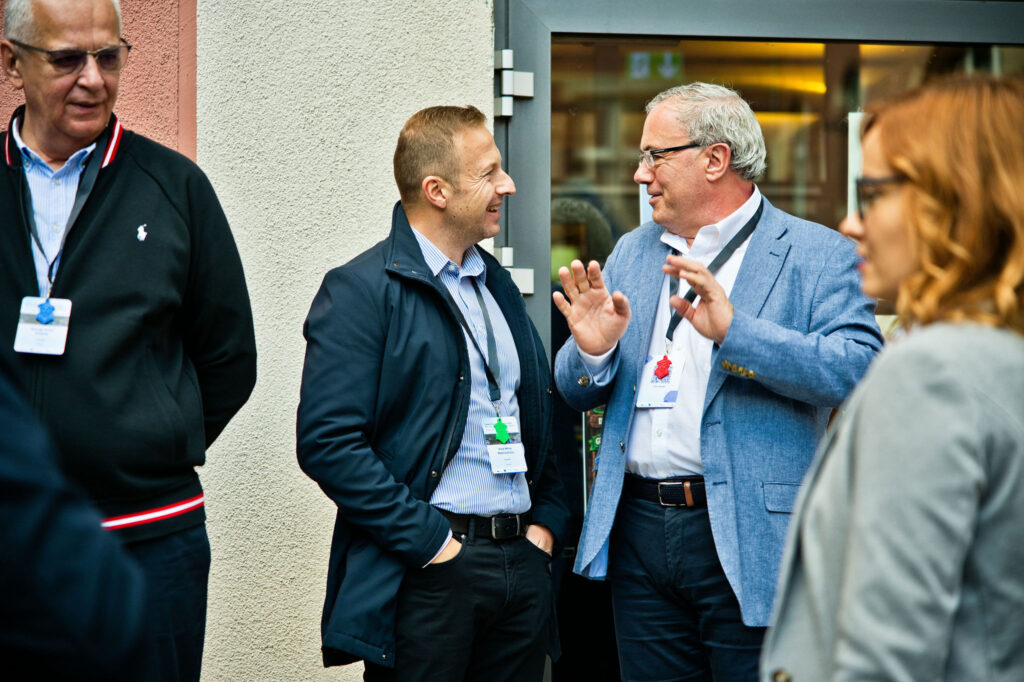
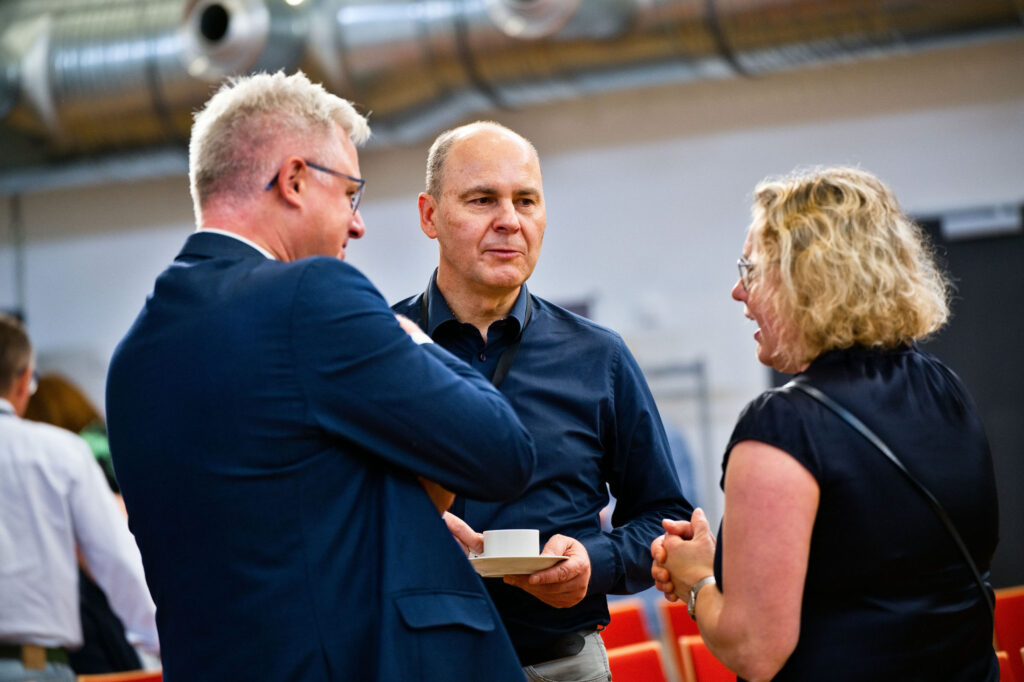
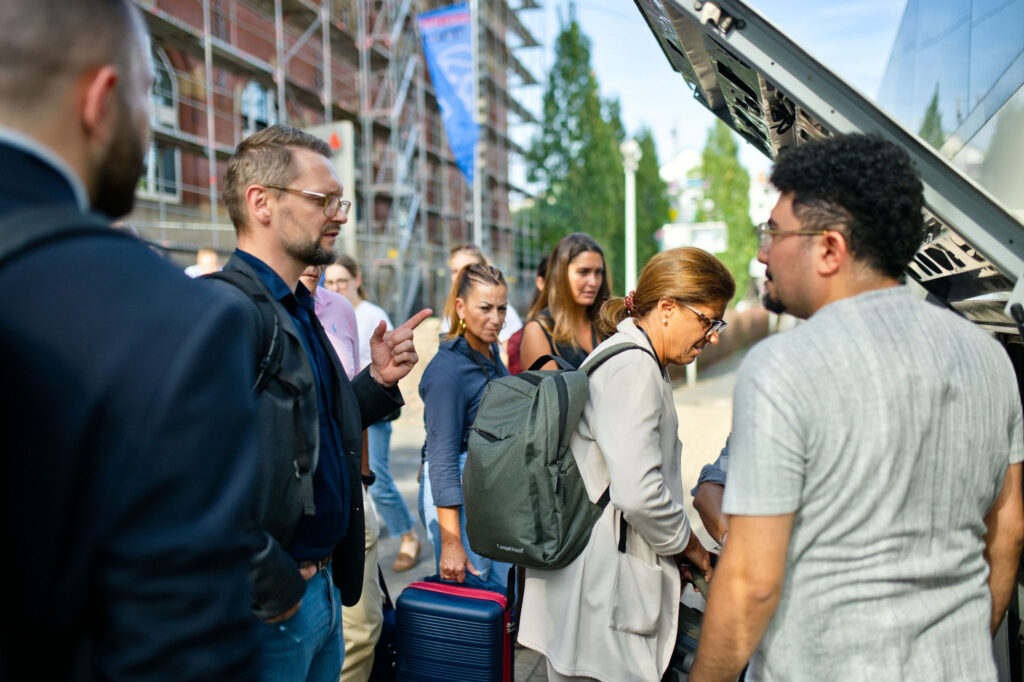
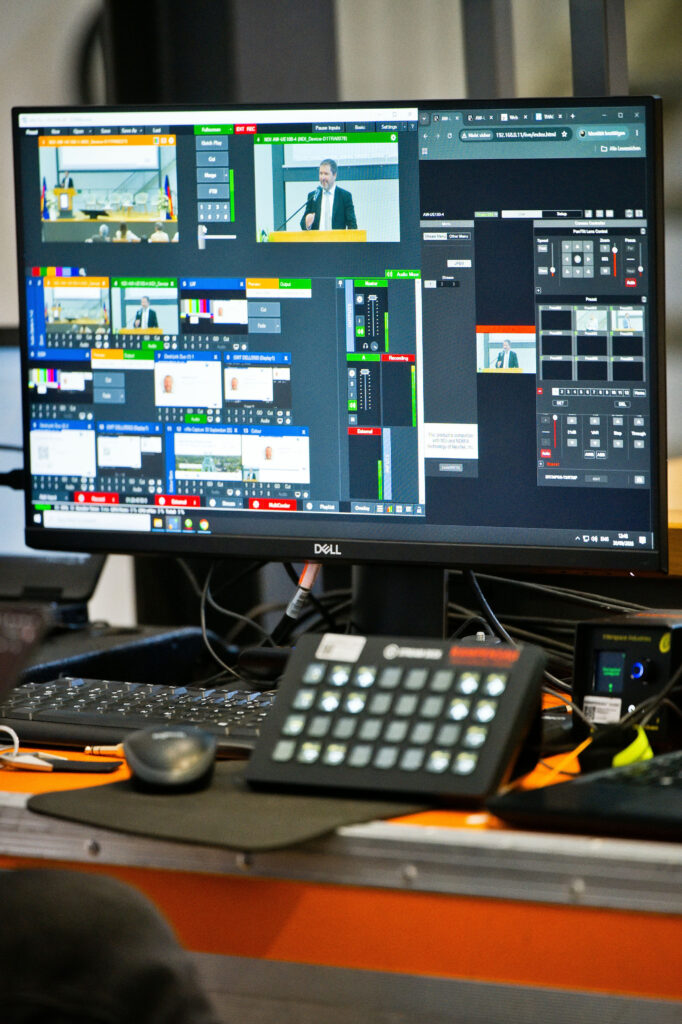
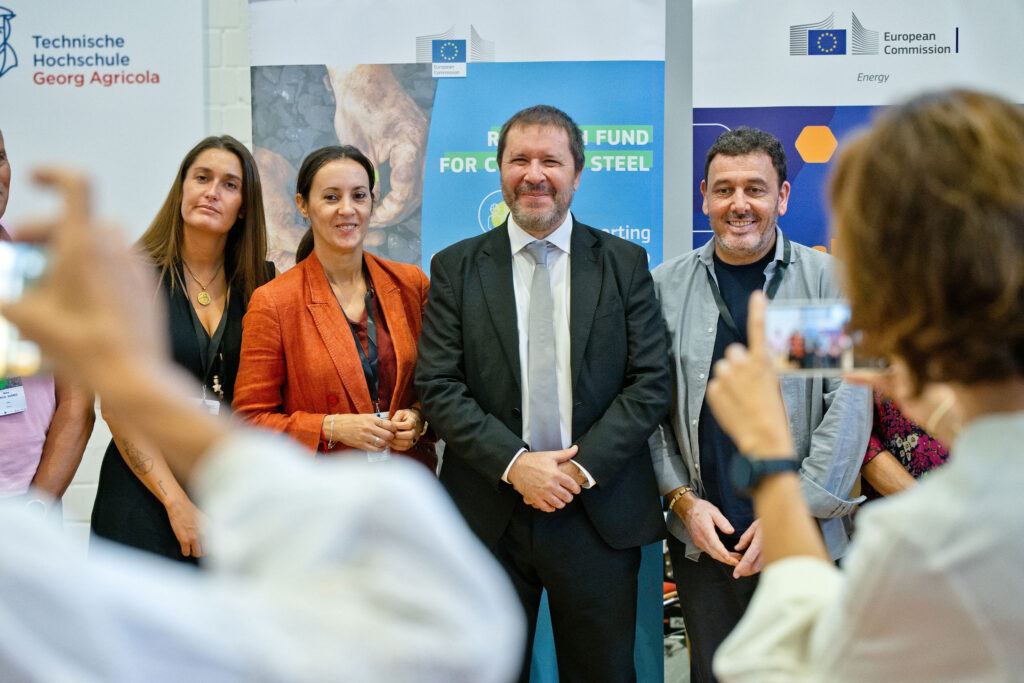
Impressions (Day 1)
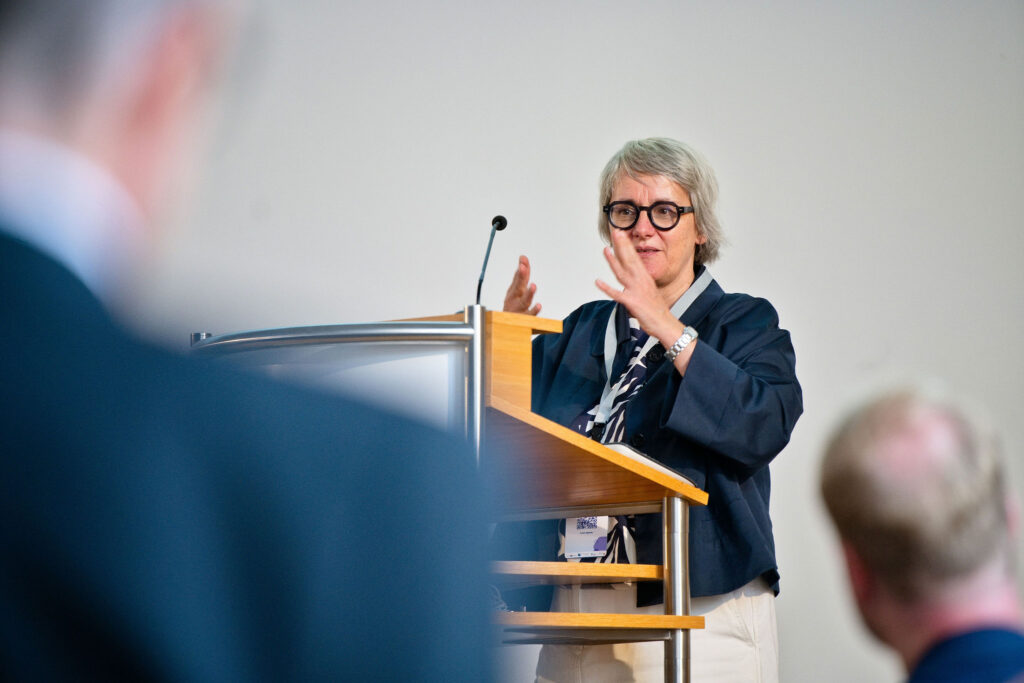
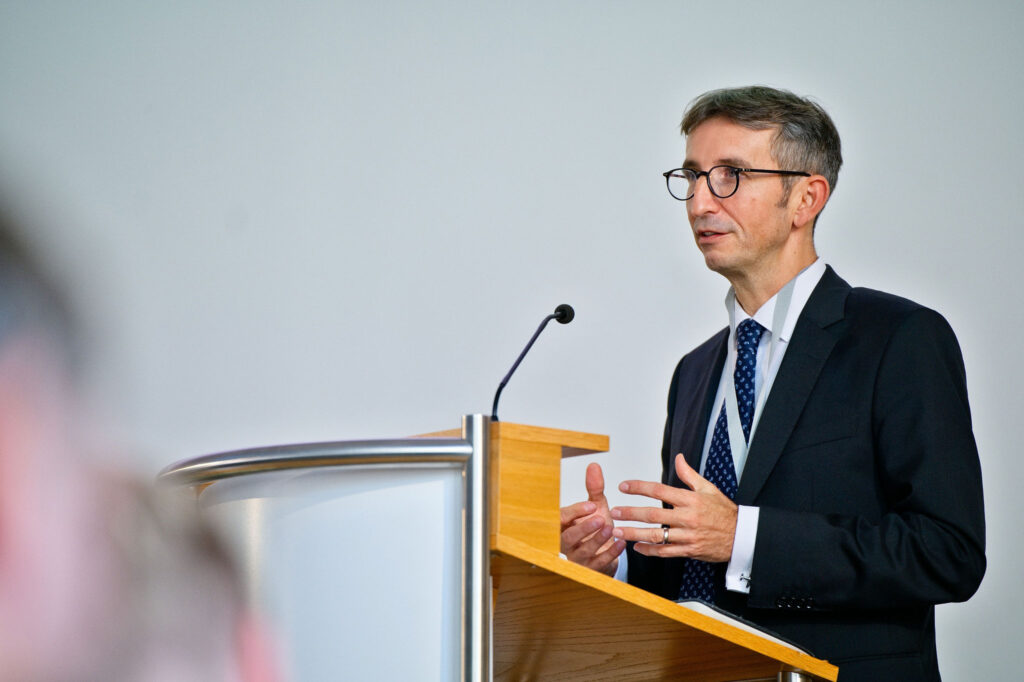
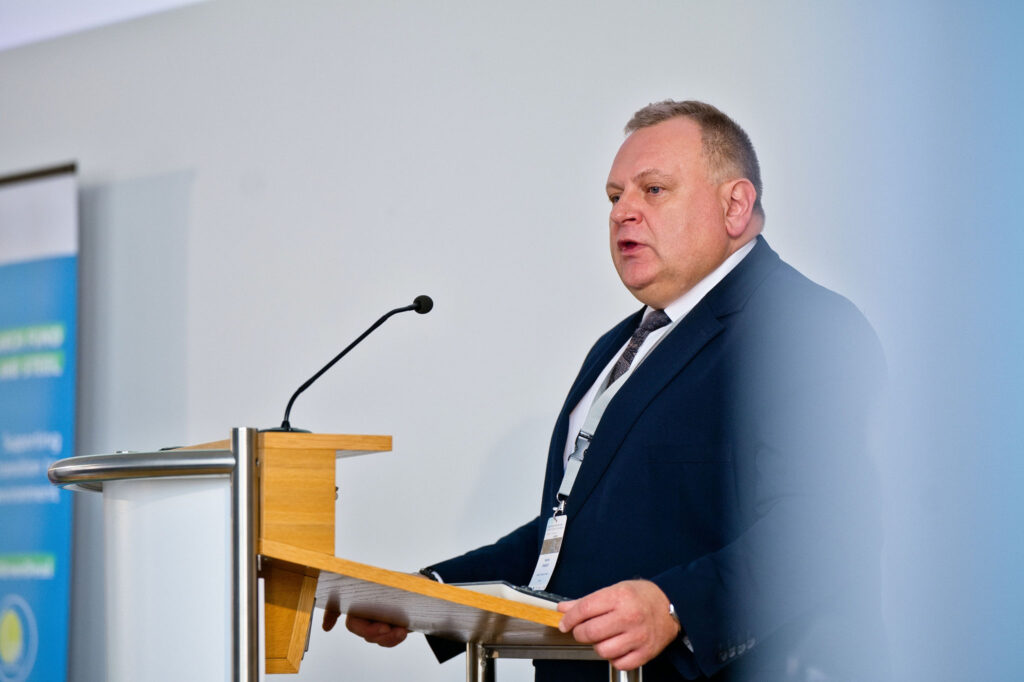
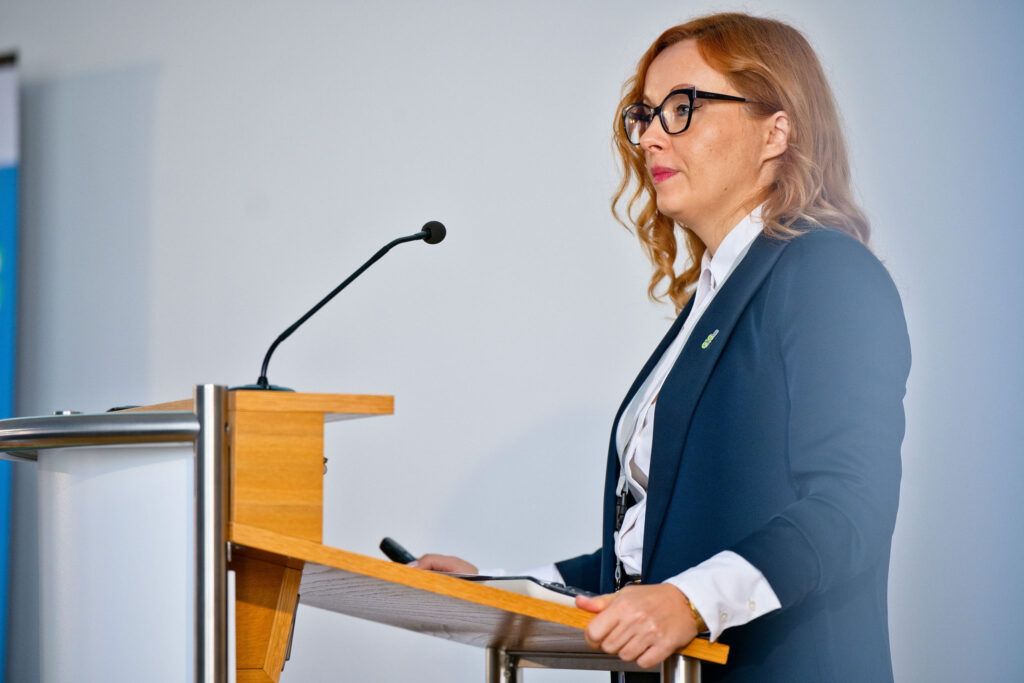
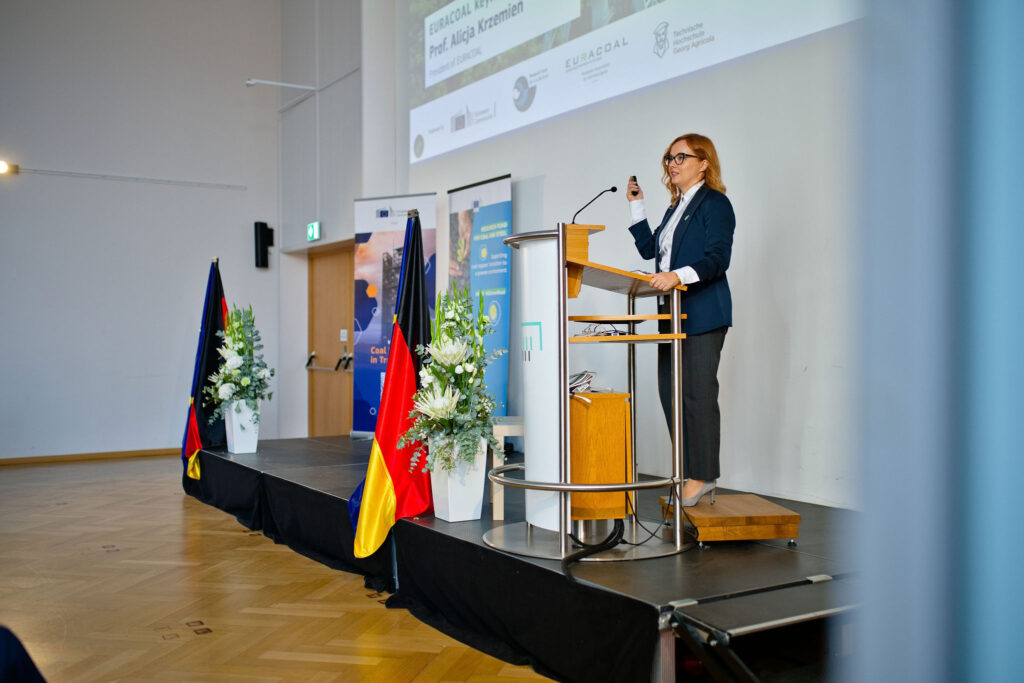
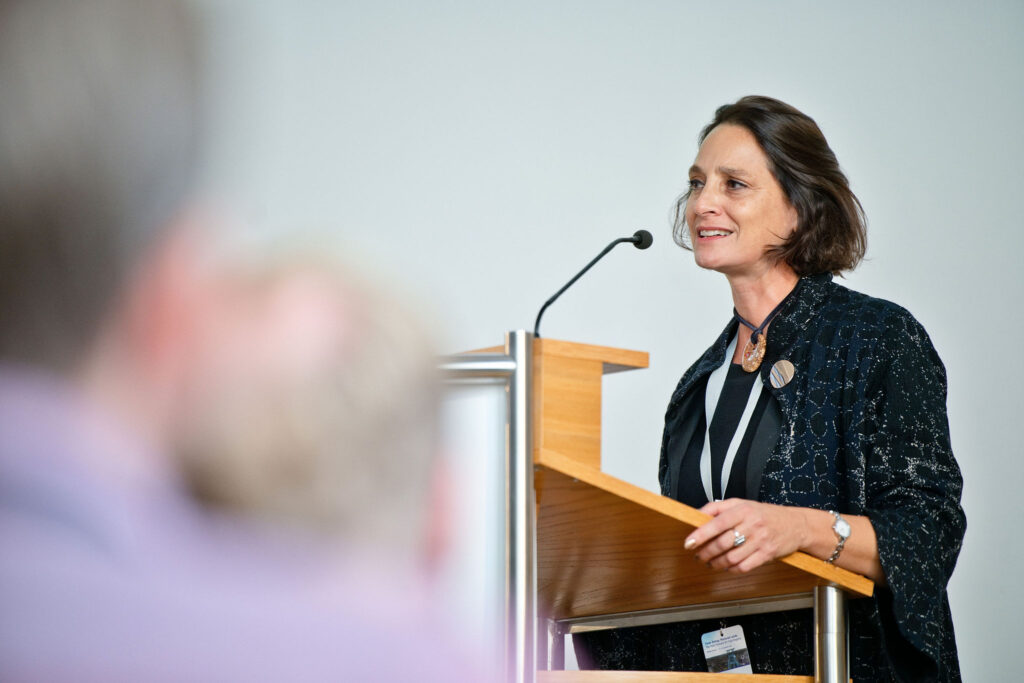
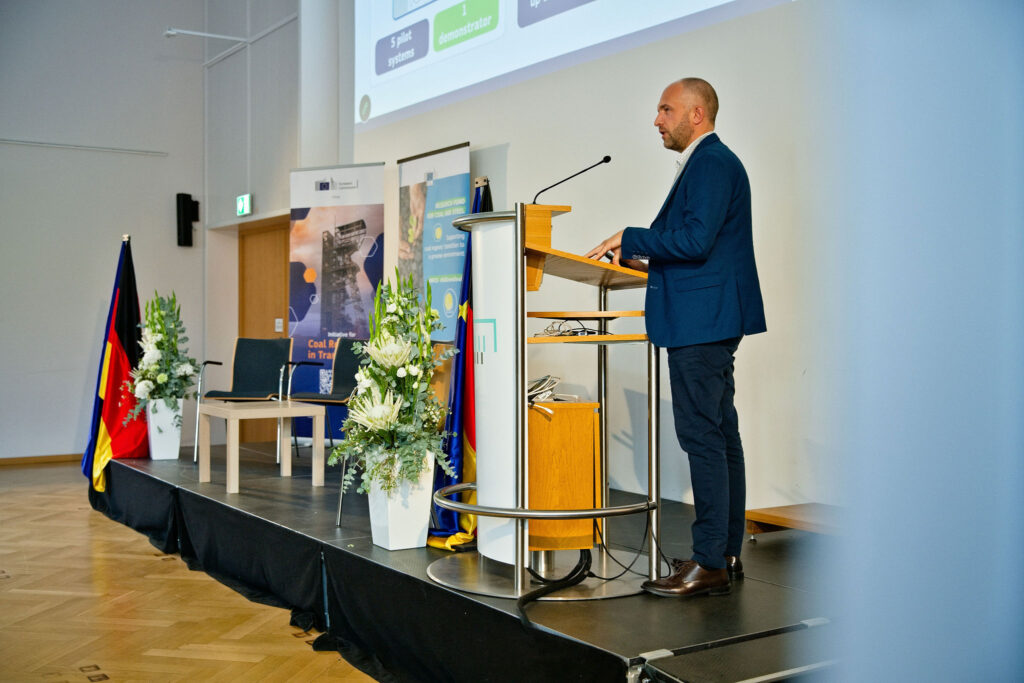
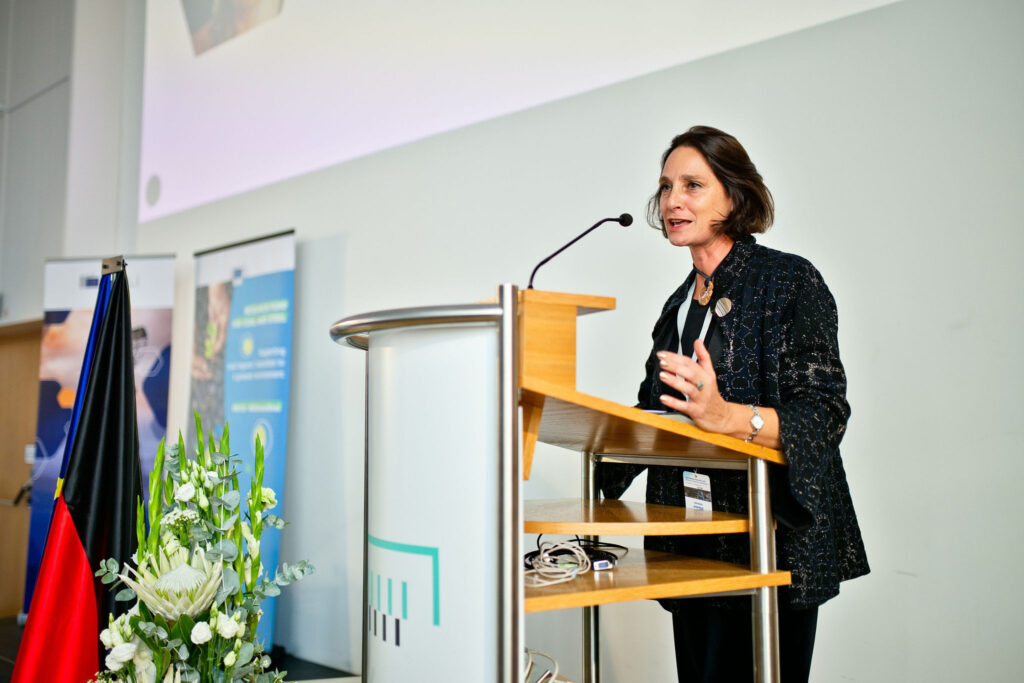
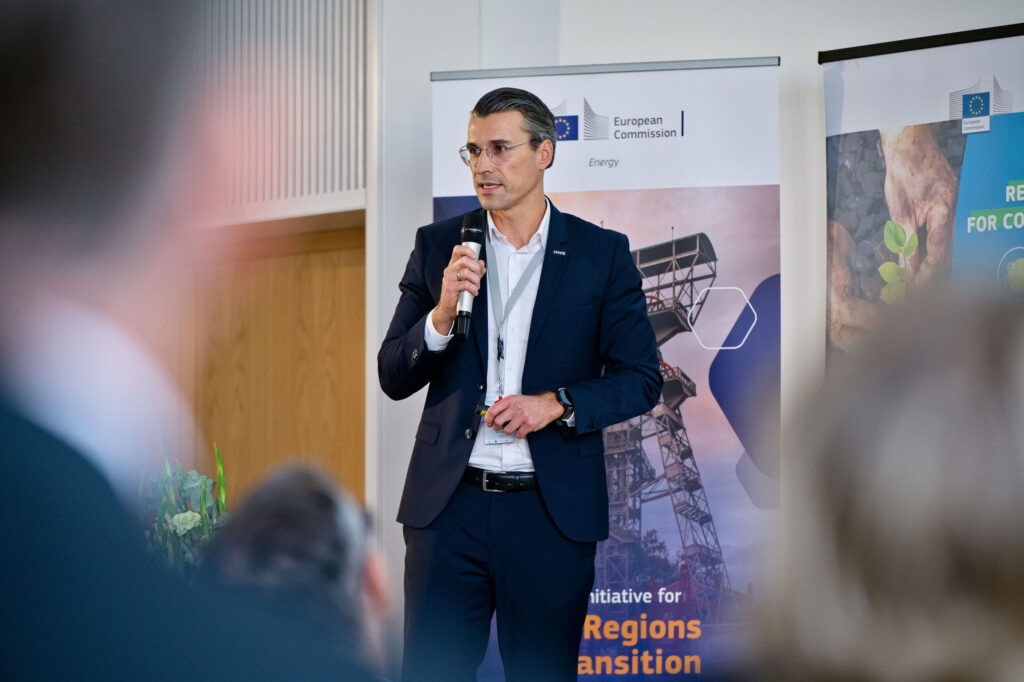
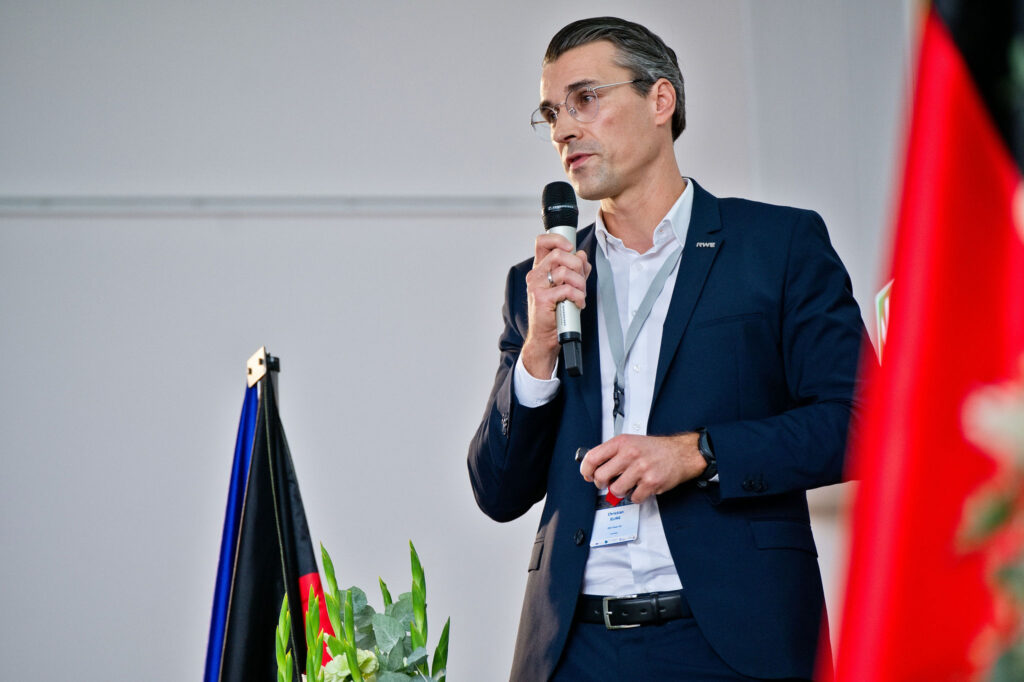
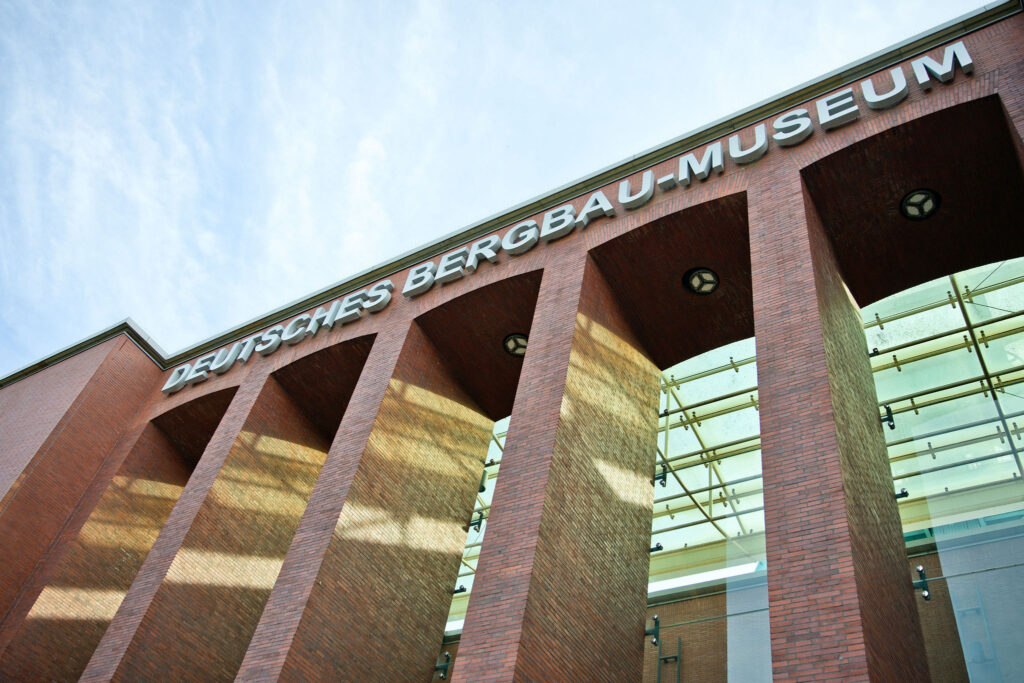
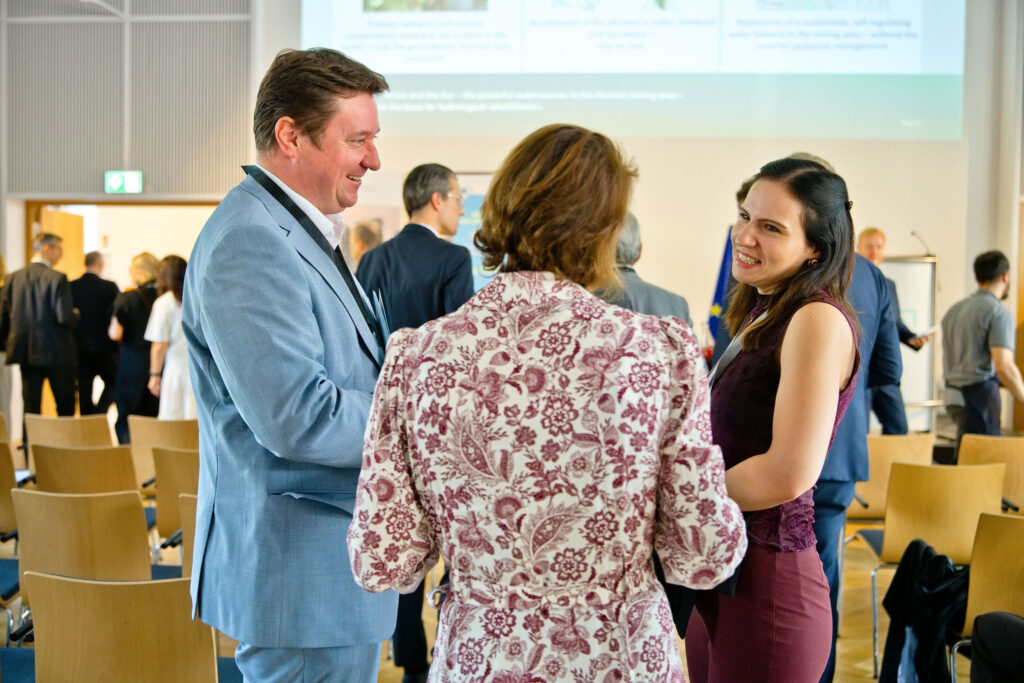
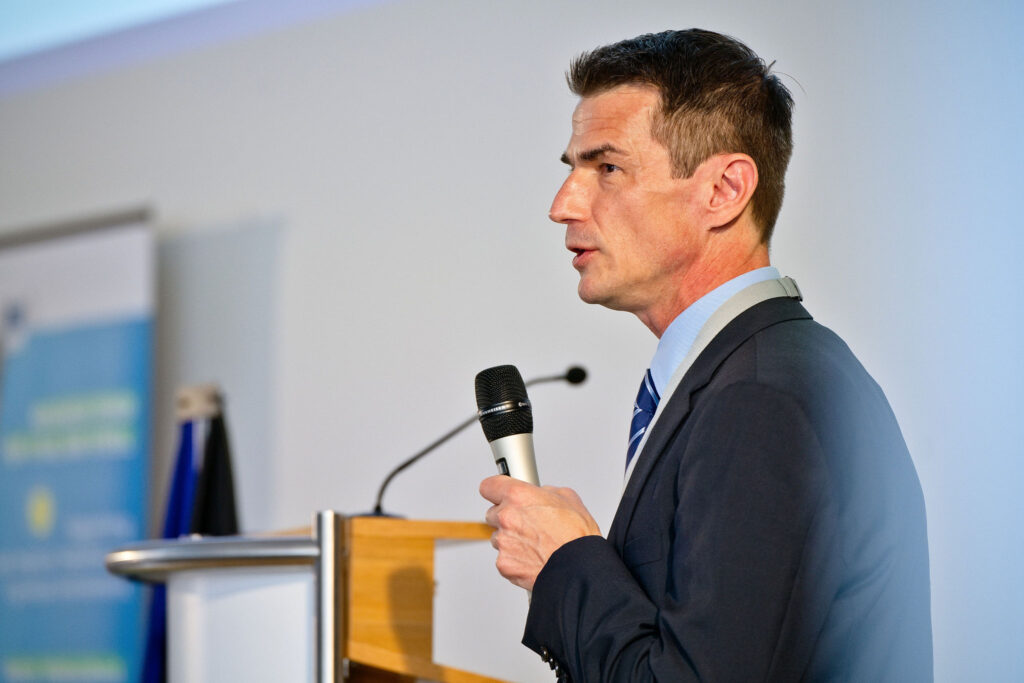
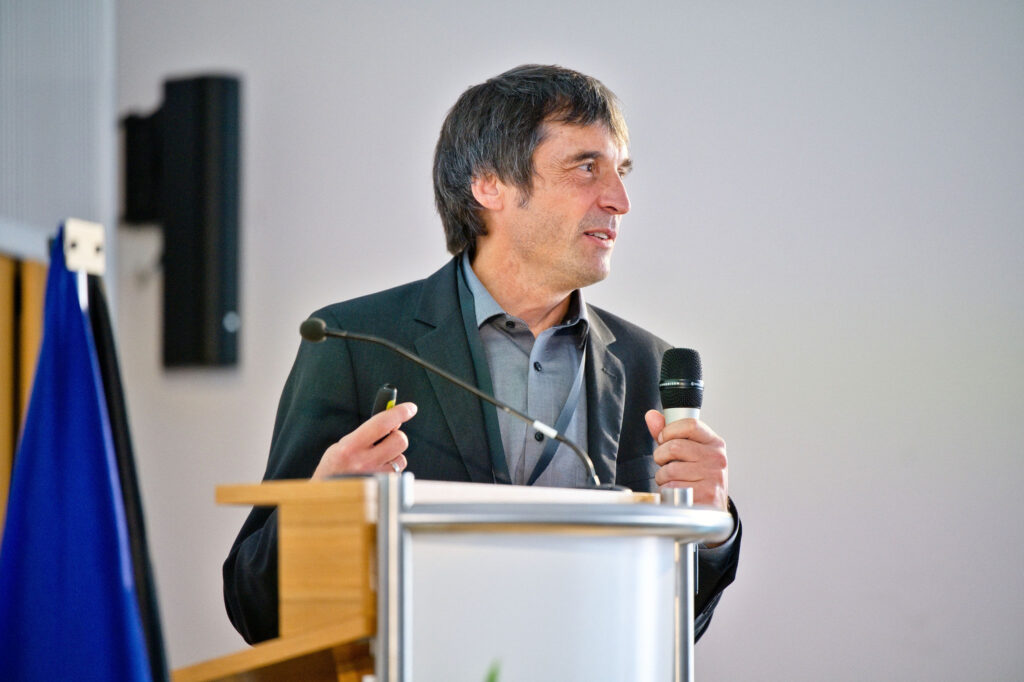
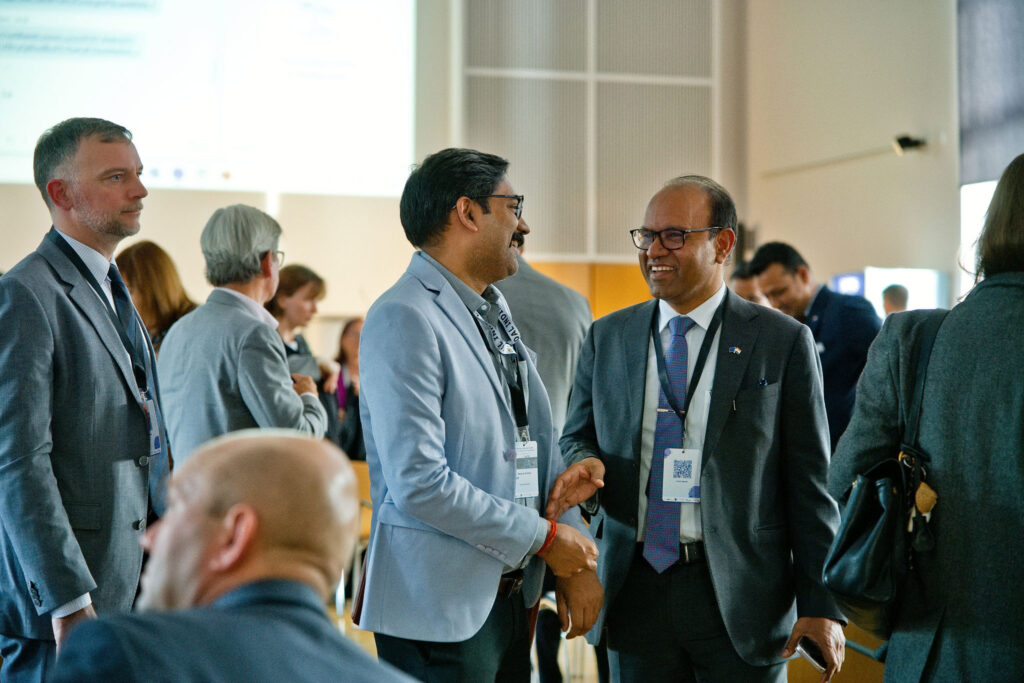
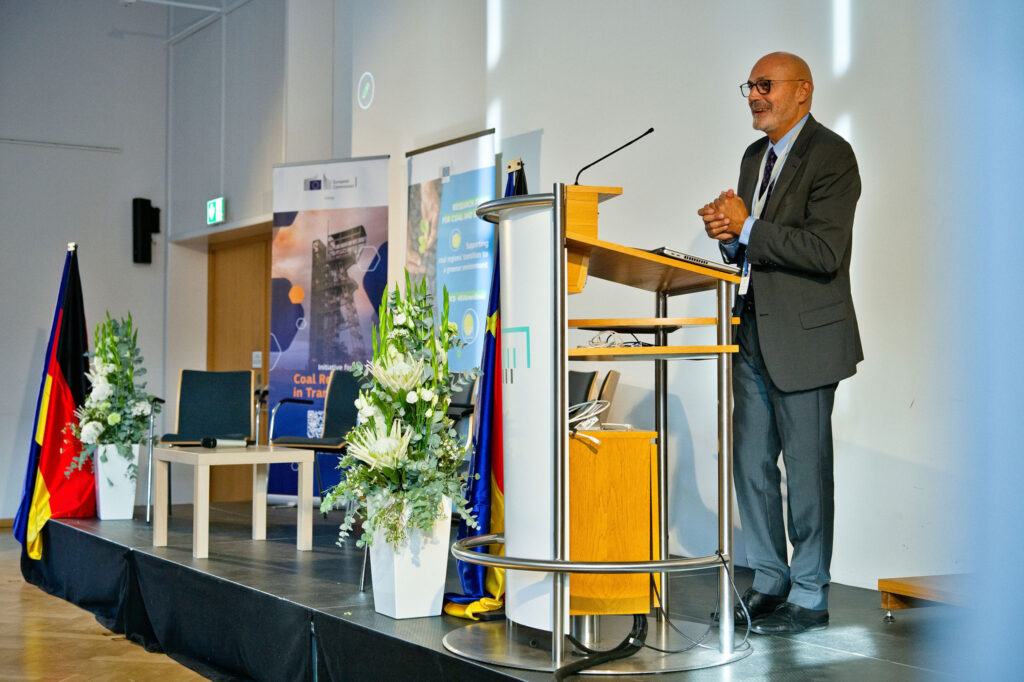
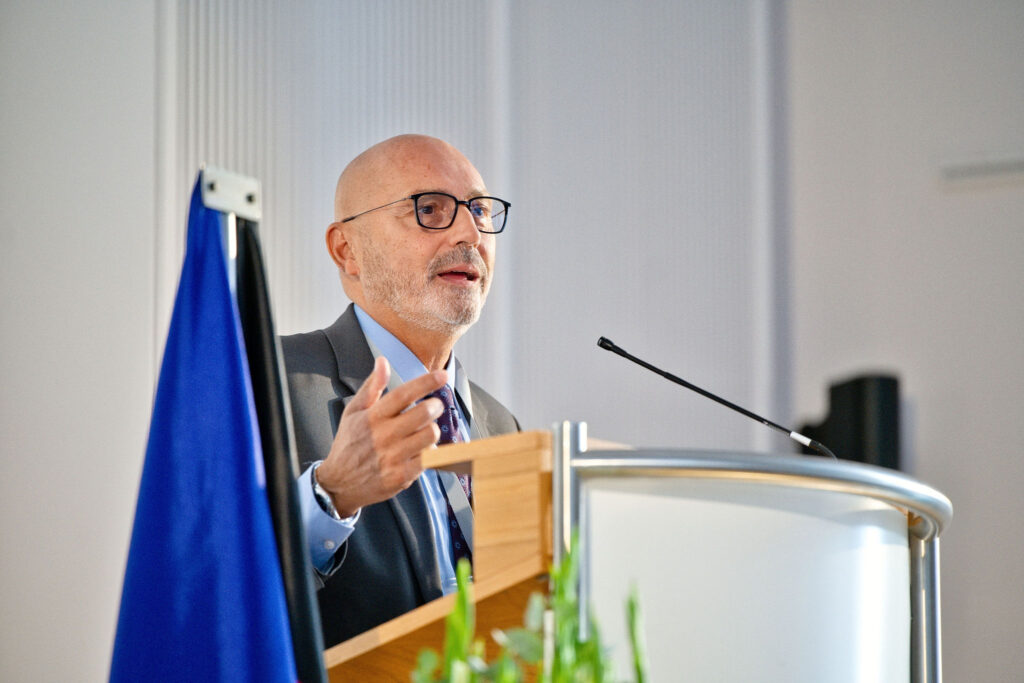
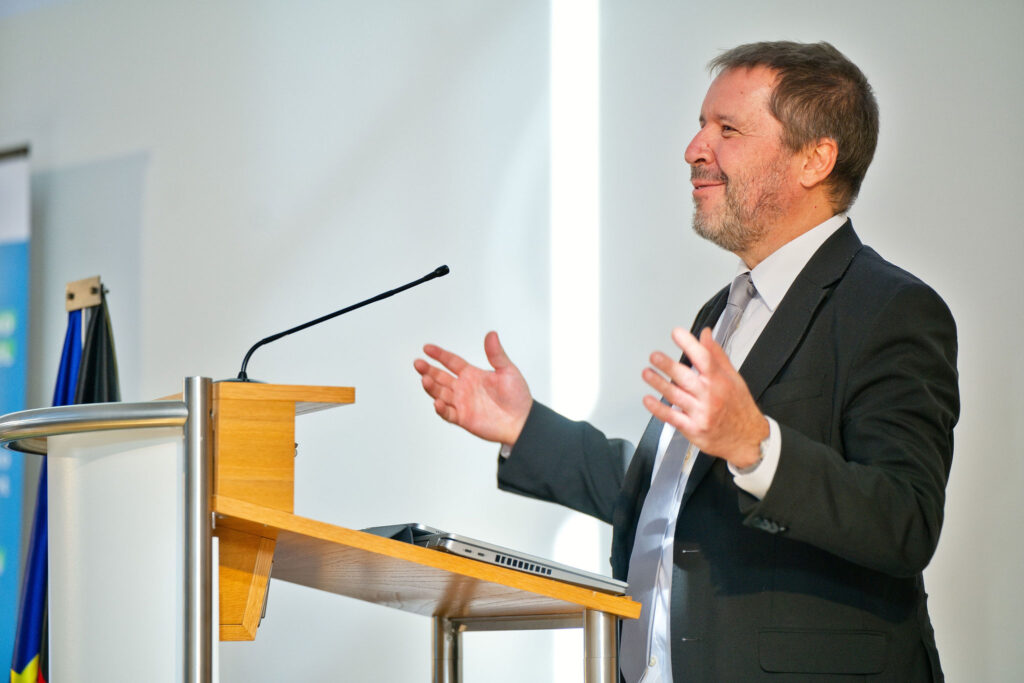
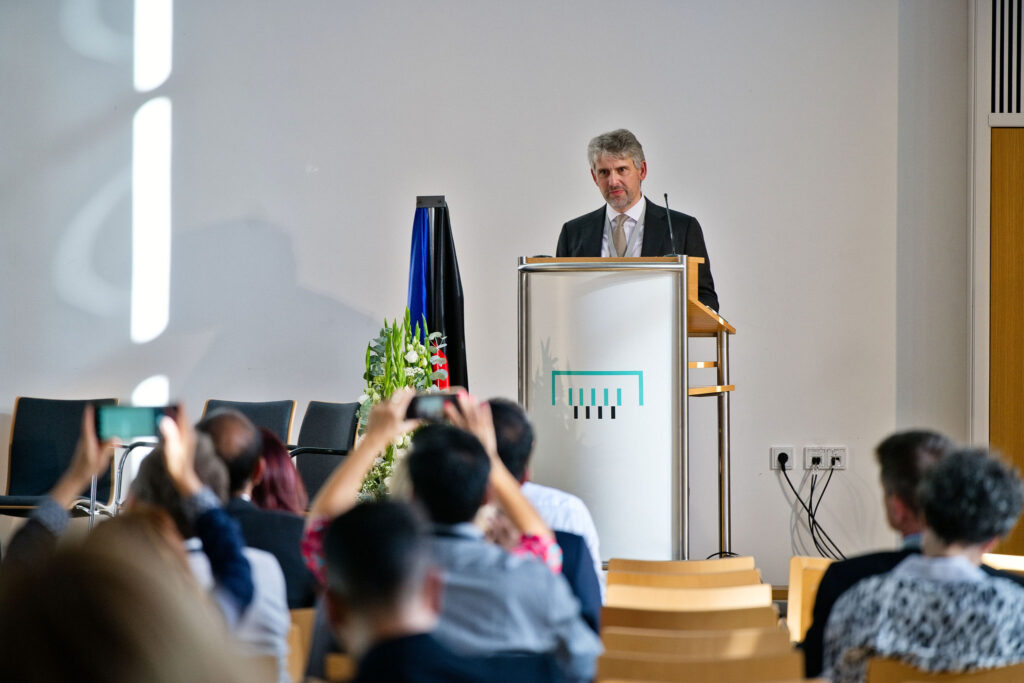
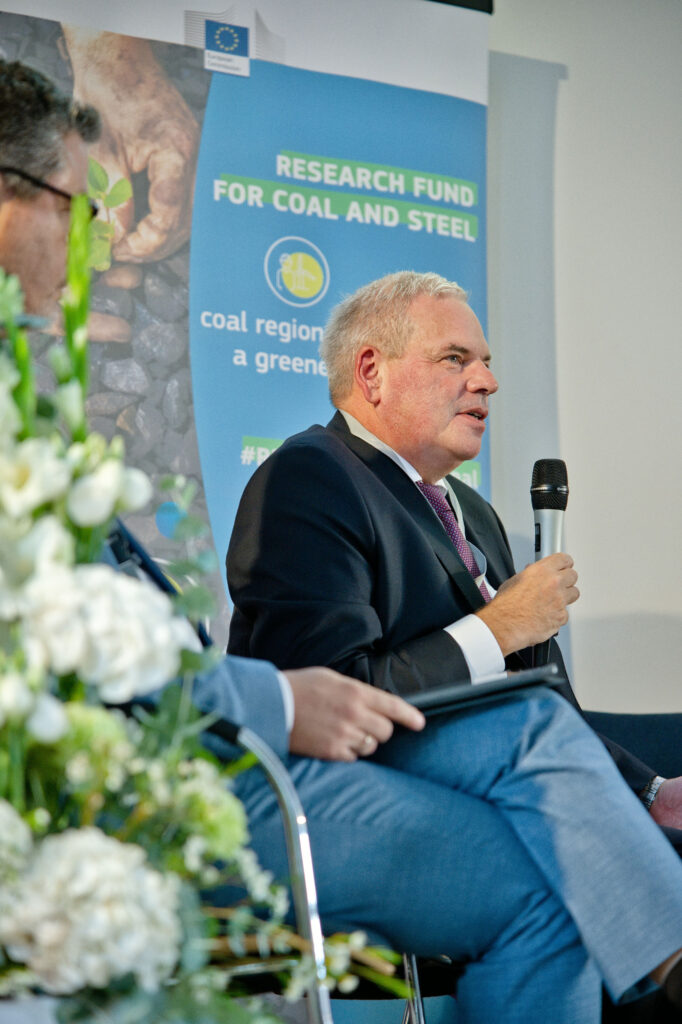
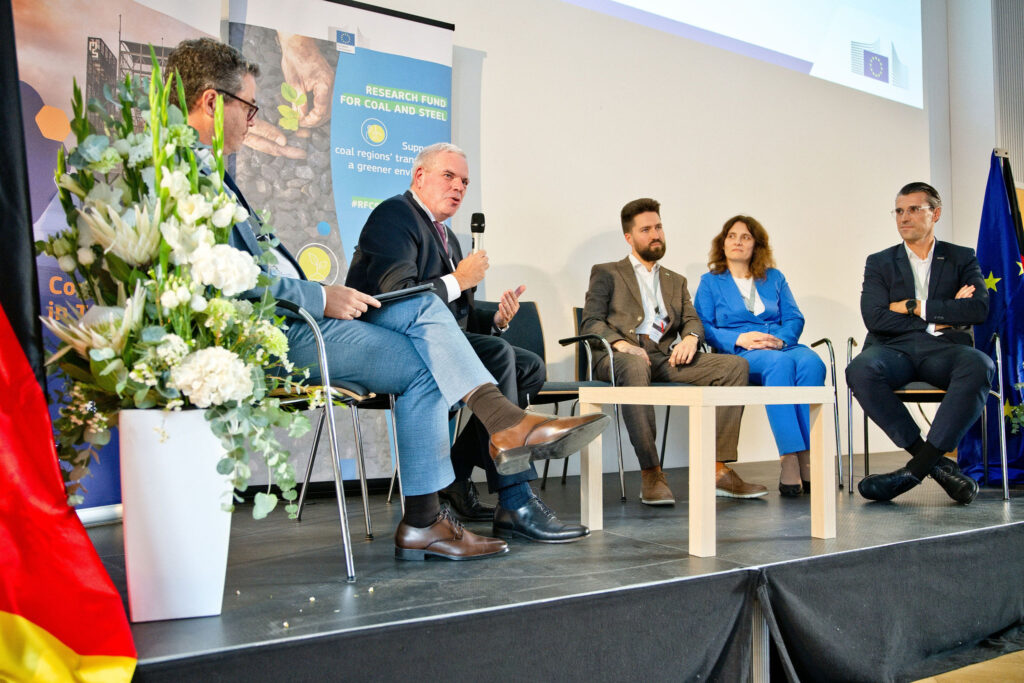
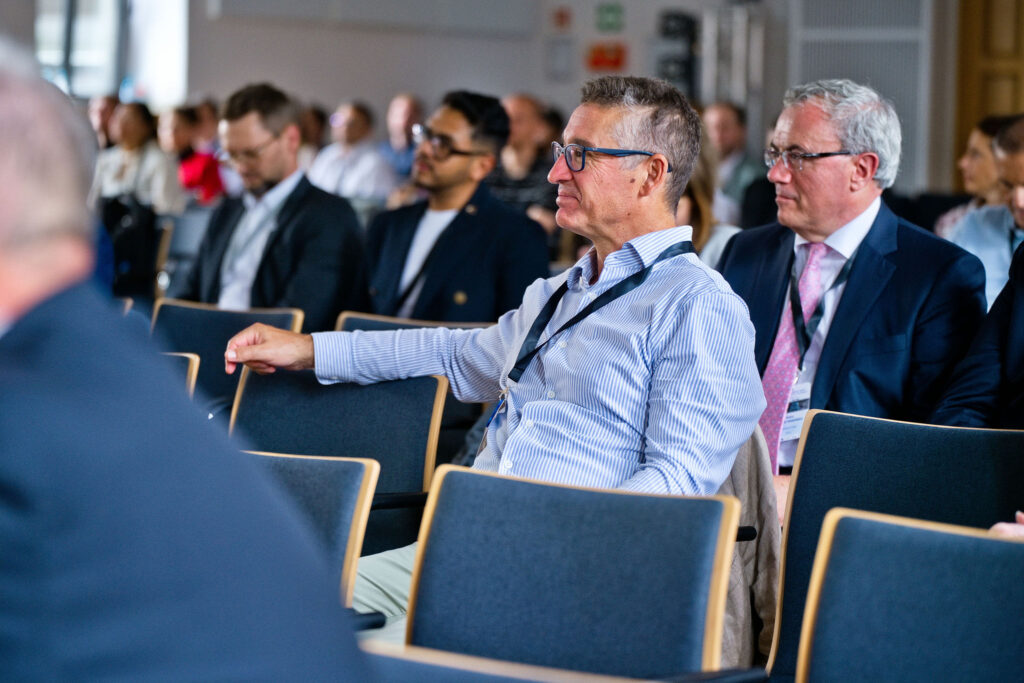
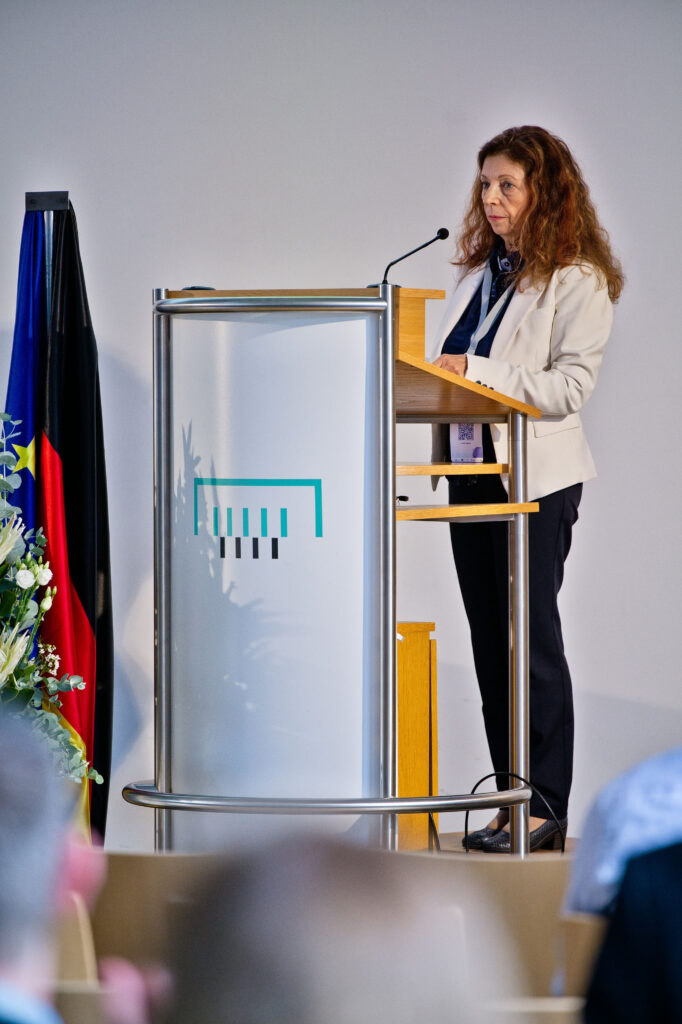
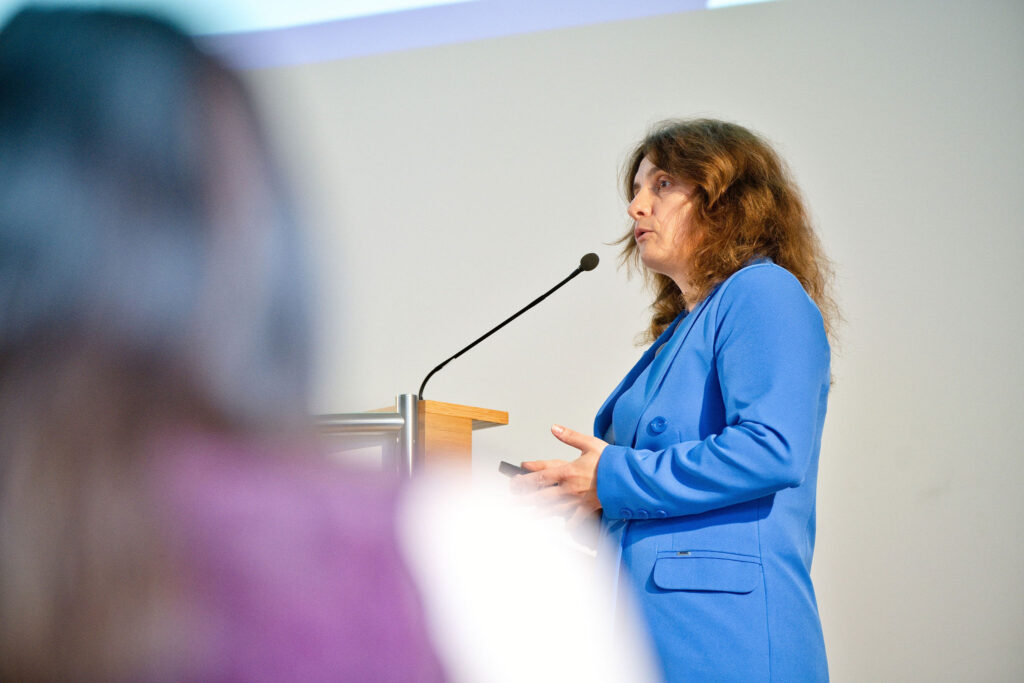
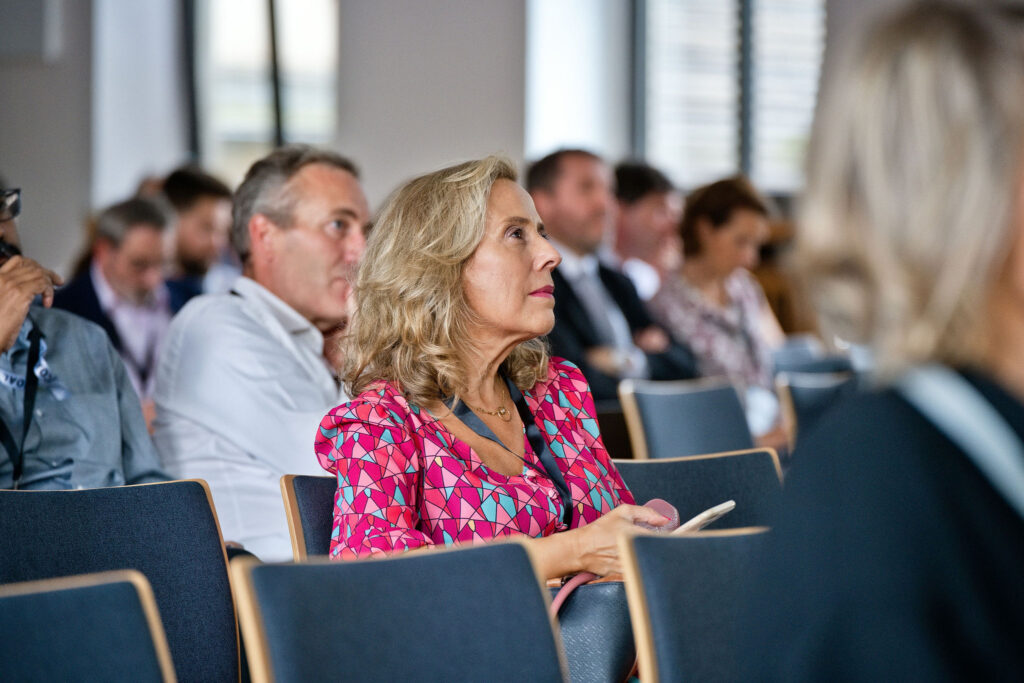
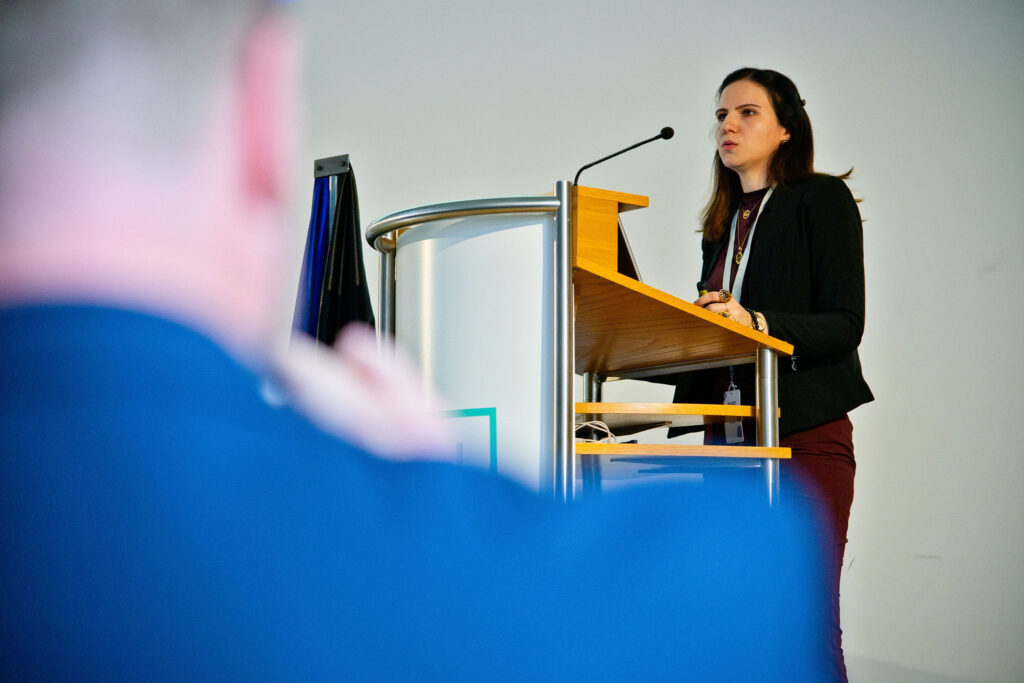
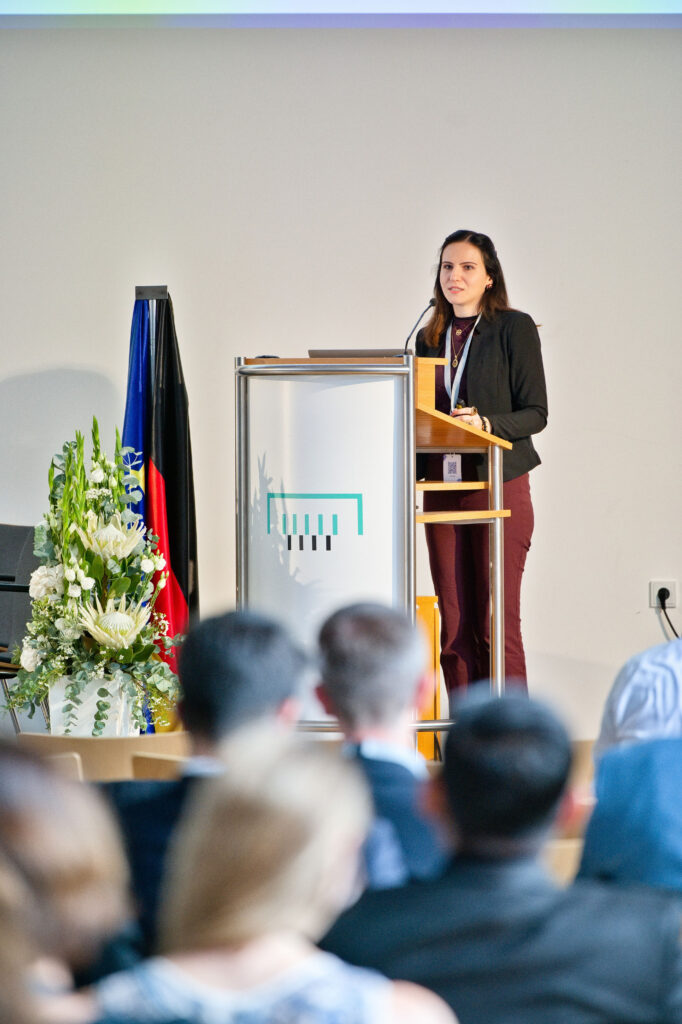
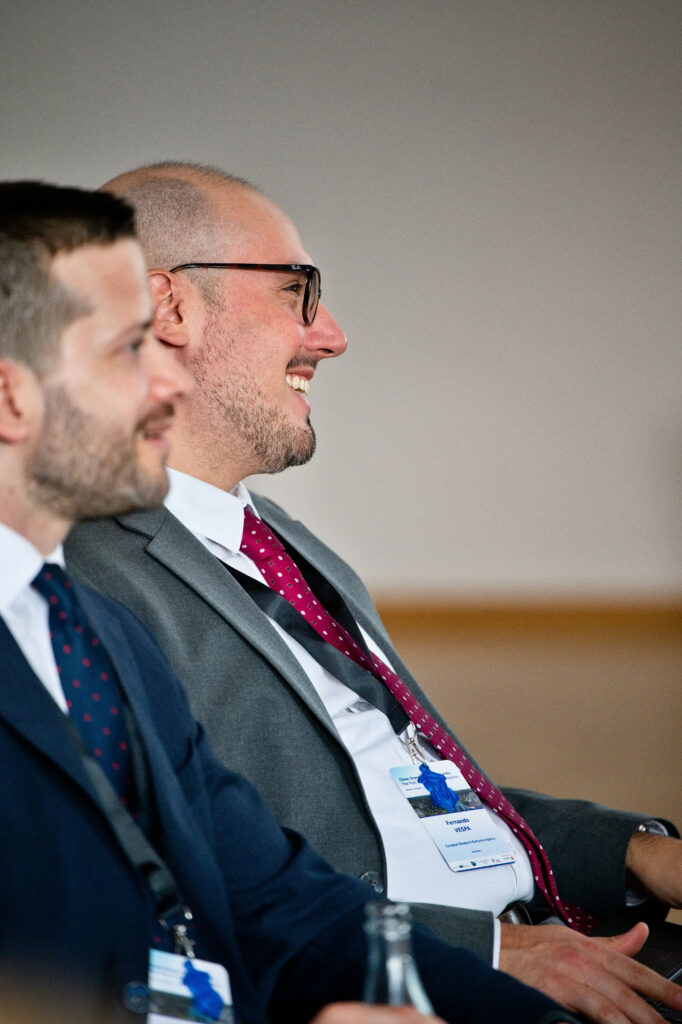
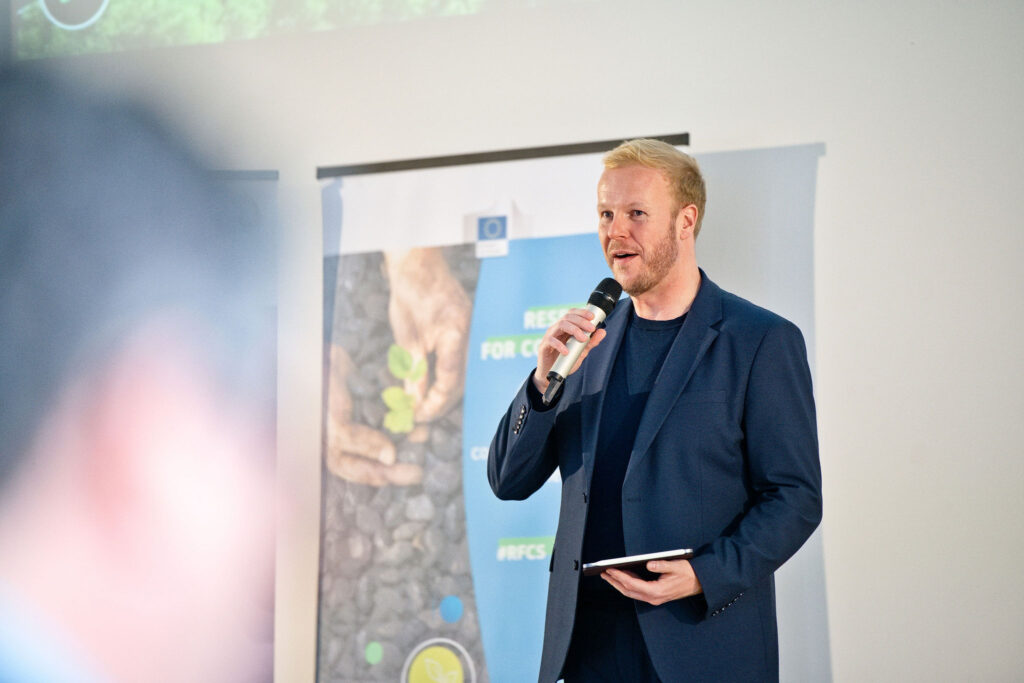
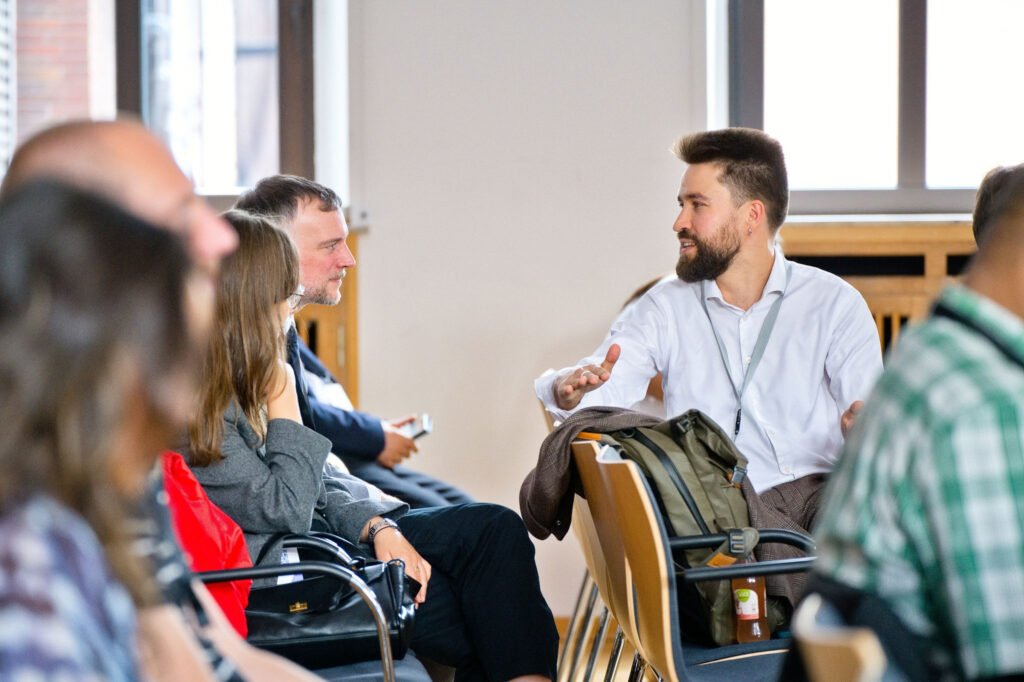
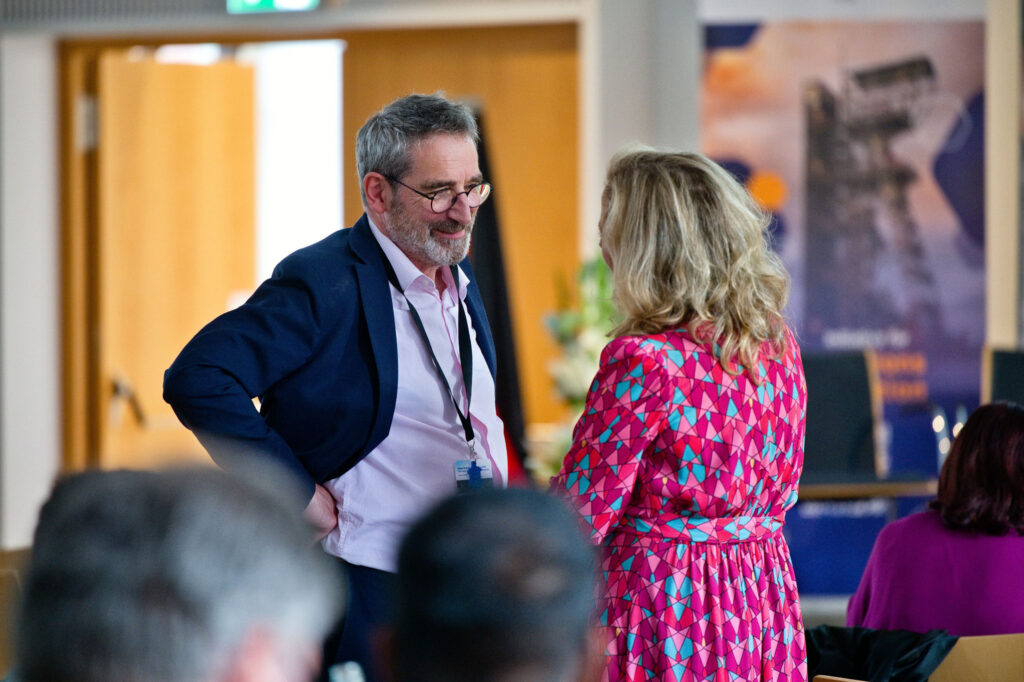
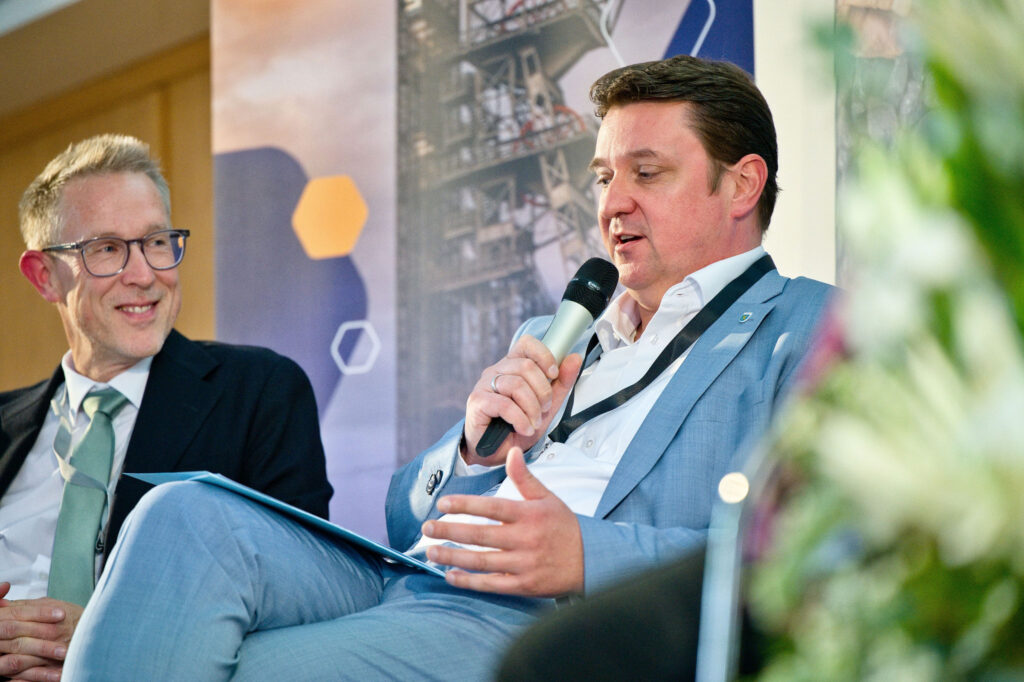
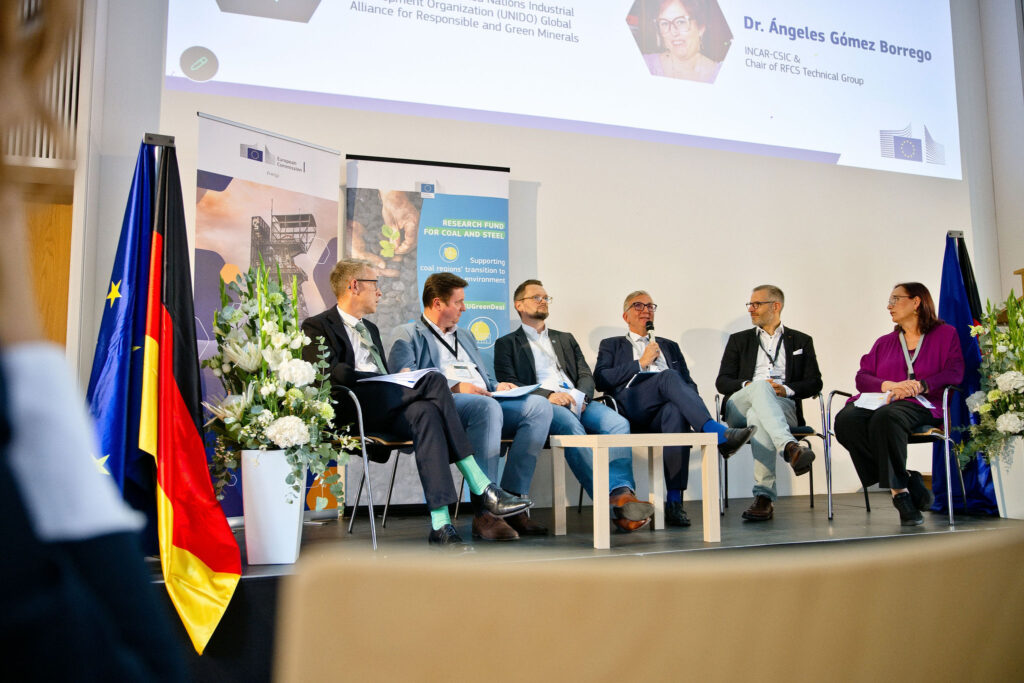
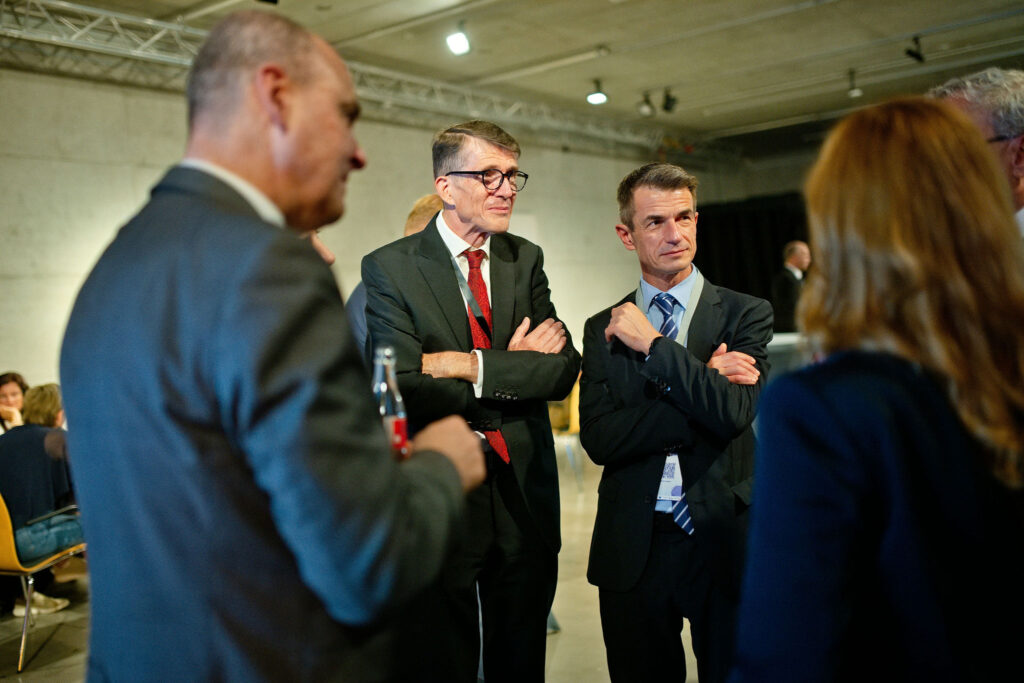
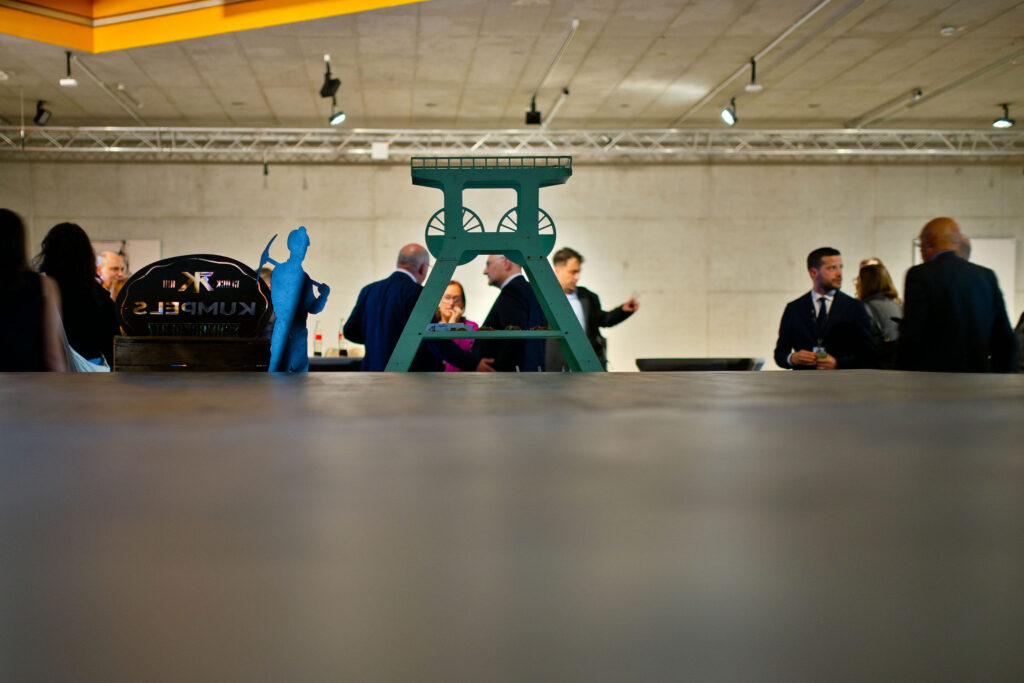
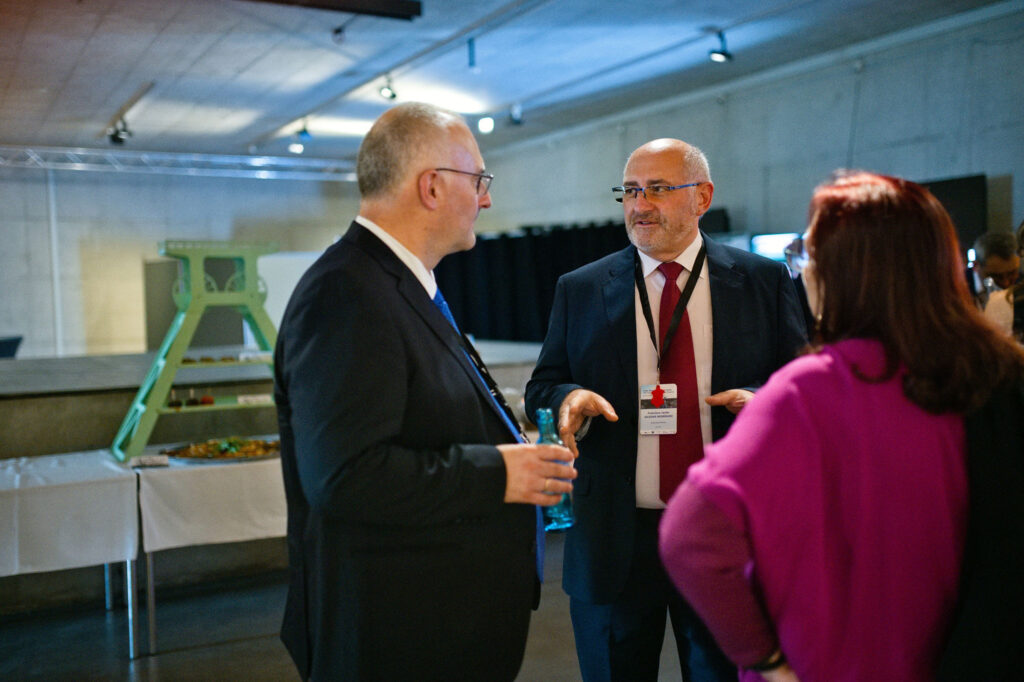
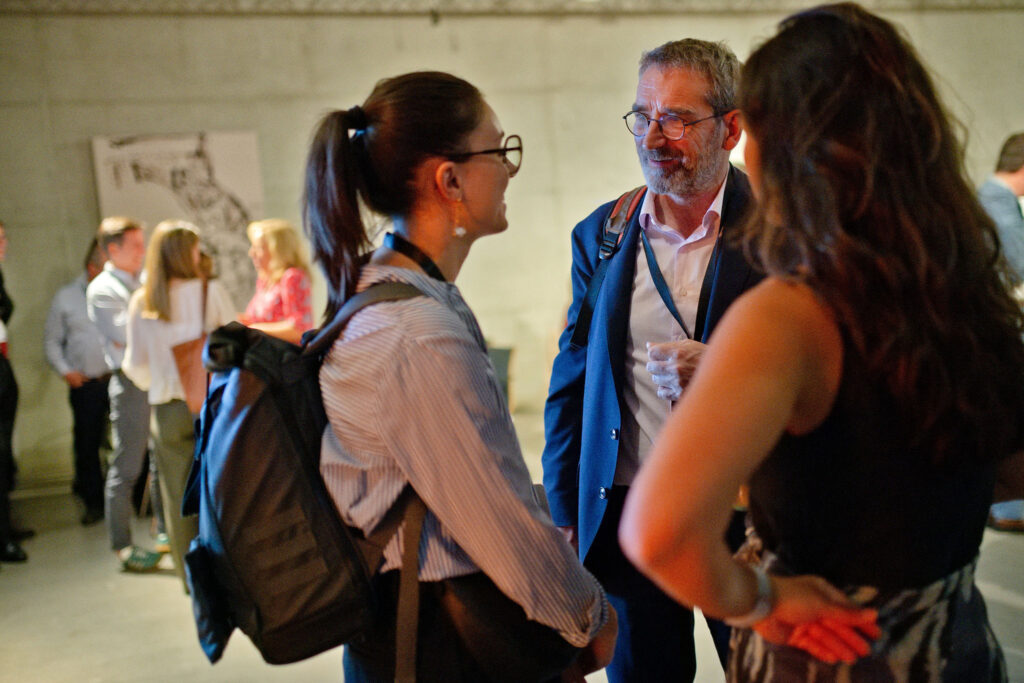
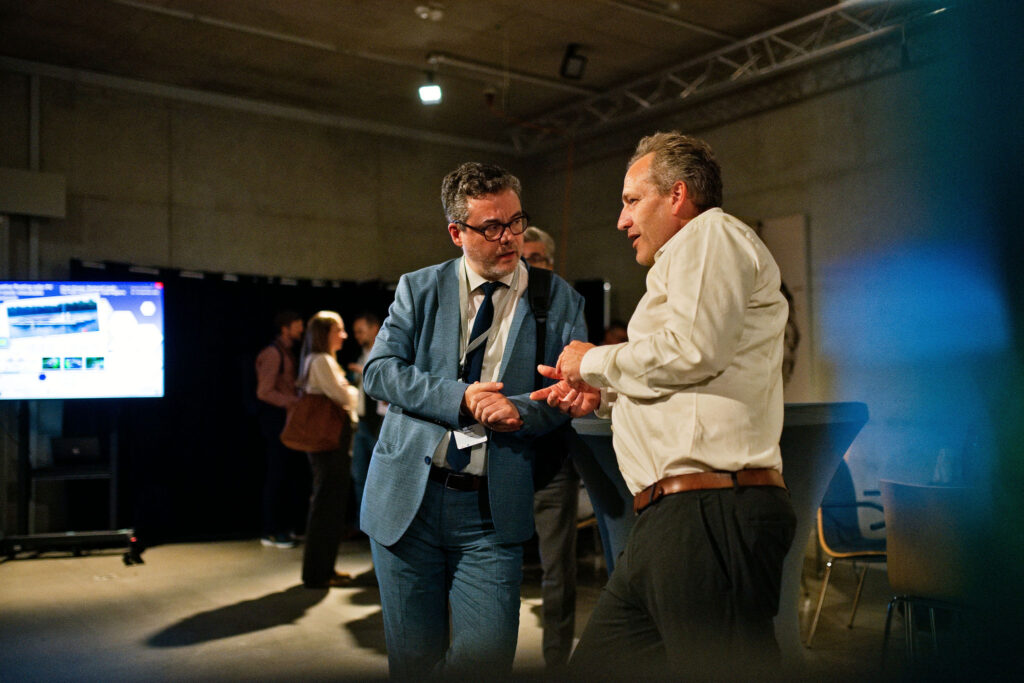
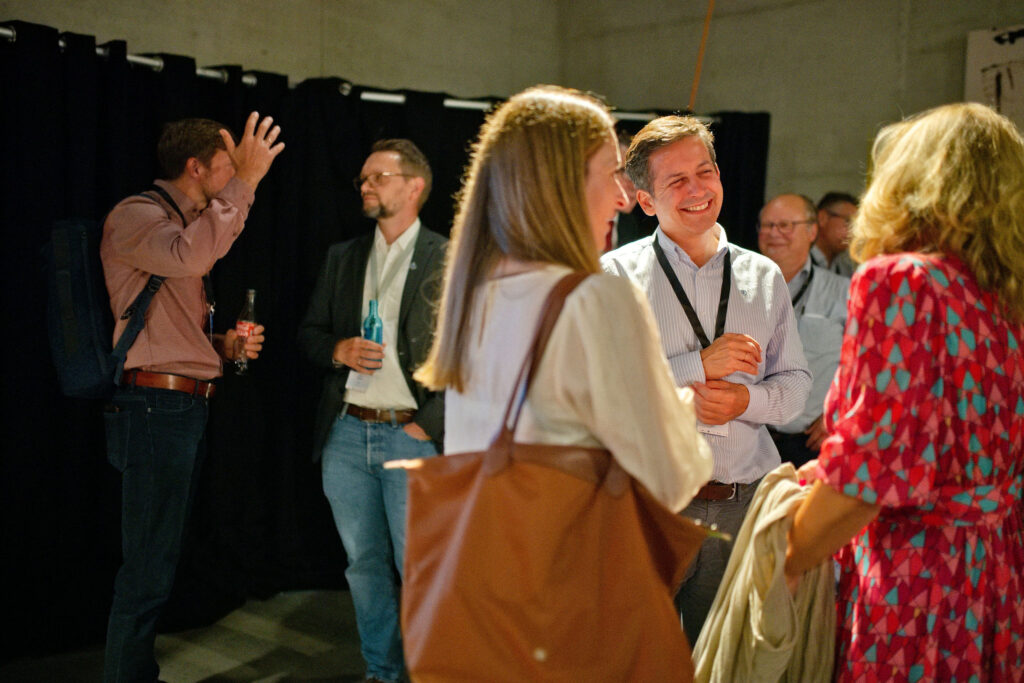
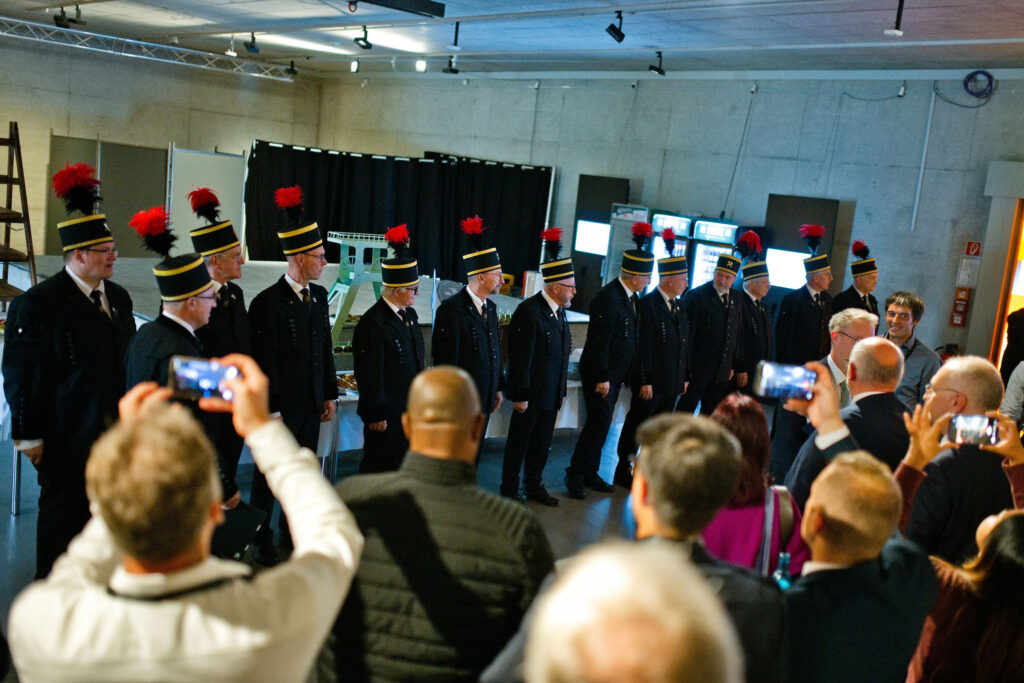
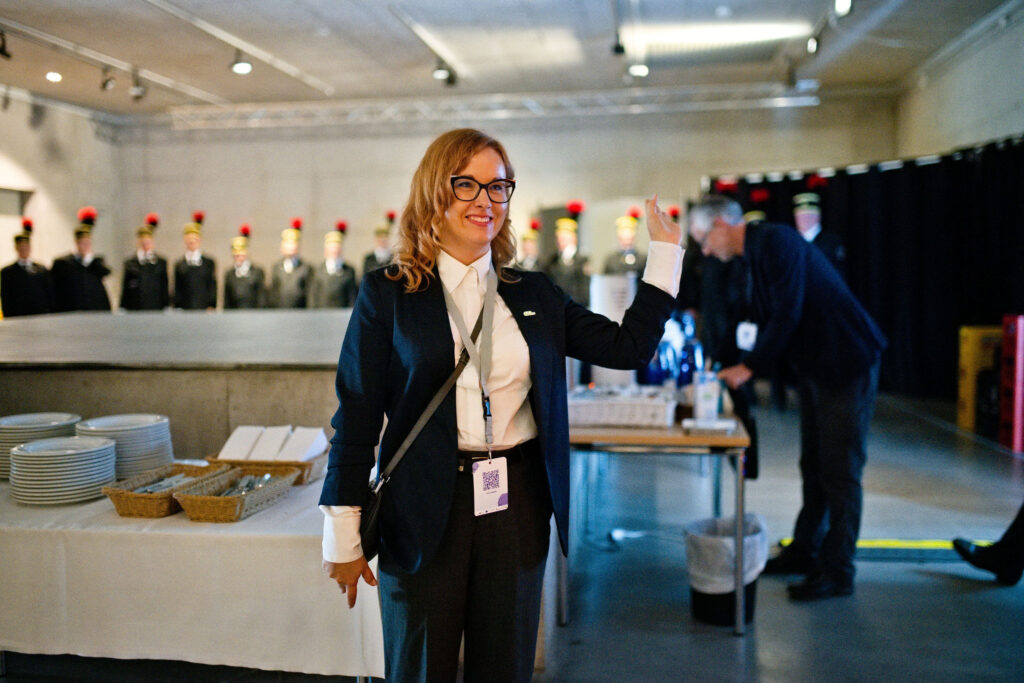
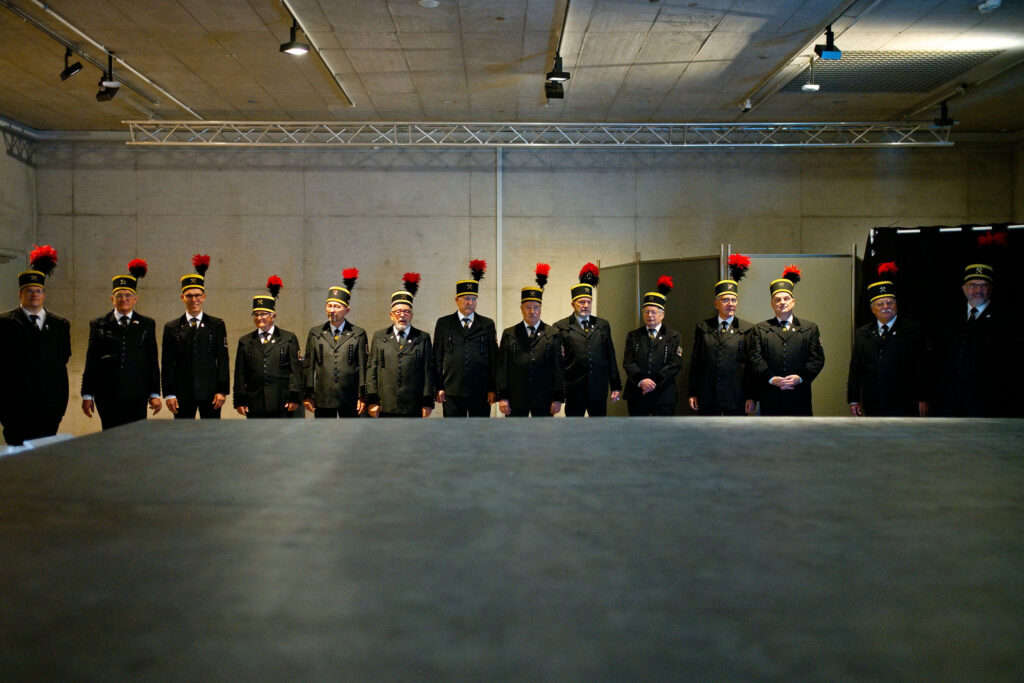
Photos: Donna und der Blitz / Max Wiegand
Connecting Research and Practice
A particular added value of the conference was the presentation of specific projects funded by the European Union’s Research Fund for Coal and Steel (RFCS). The projects presented illustrated how former mining and power plant sites can be repurposed to support the energy transition, climate and environmental protection, and sustainable regional development.
In the field of energy production and energy storage, projects were presented that investigate former open-pit mines as potential sites for pumped-storage facilities, further develop thermal storage systems, or test new storage concepts for heat and electricity. These included the ATLANTIS and TRIDENT projects on pumped-storage and thermal storage solutions. Meanwhile, the CORAL project focuses on energy storage through the oxidation and reduction of metals, as well as on approaches related to hydrogen production and other energy-storage technologies. POSTEN and SCoLINE also presented innovative approaches for floating photovoltaic systems and solar energy installations on spoil heaps.
The discussion made it clear that former coal sites can become important building blocks of a resilient European energy system. They offer land, grid connections, and industrial infrastructure that can be further developed for solar energy, hydrogen, storage technologies, and carbon-free heat and power generation. In this way, they can contribute to security of supply, climate action, and regional value creation.
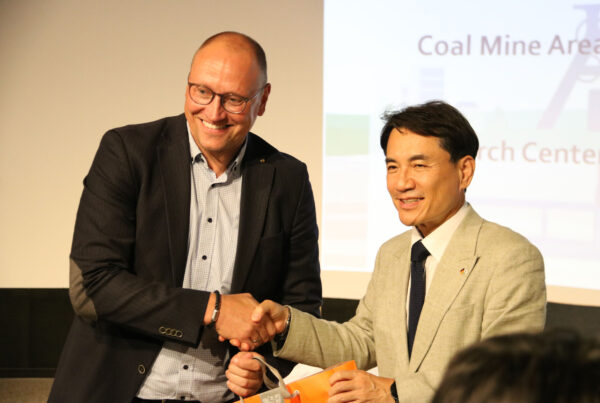
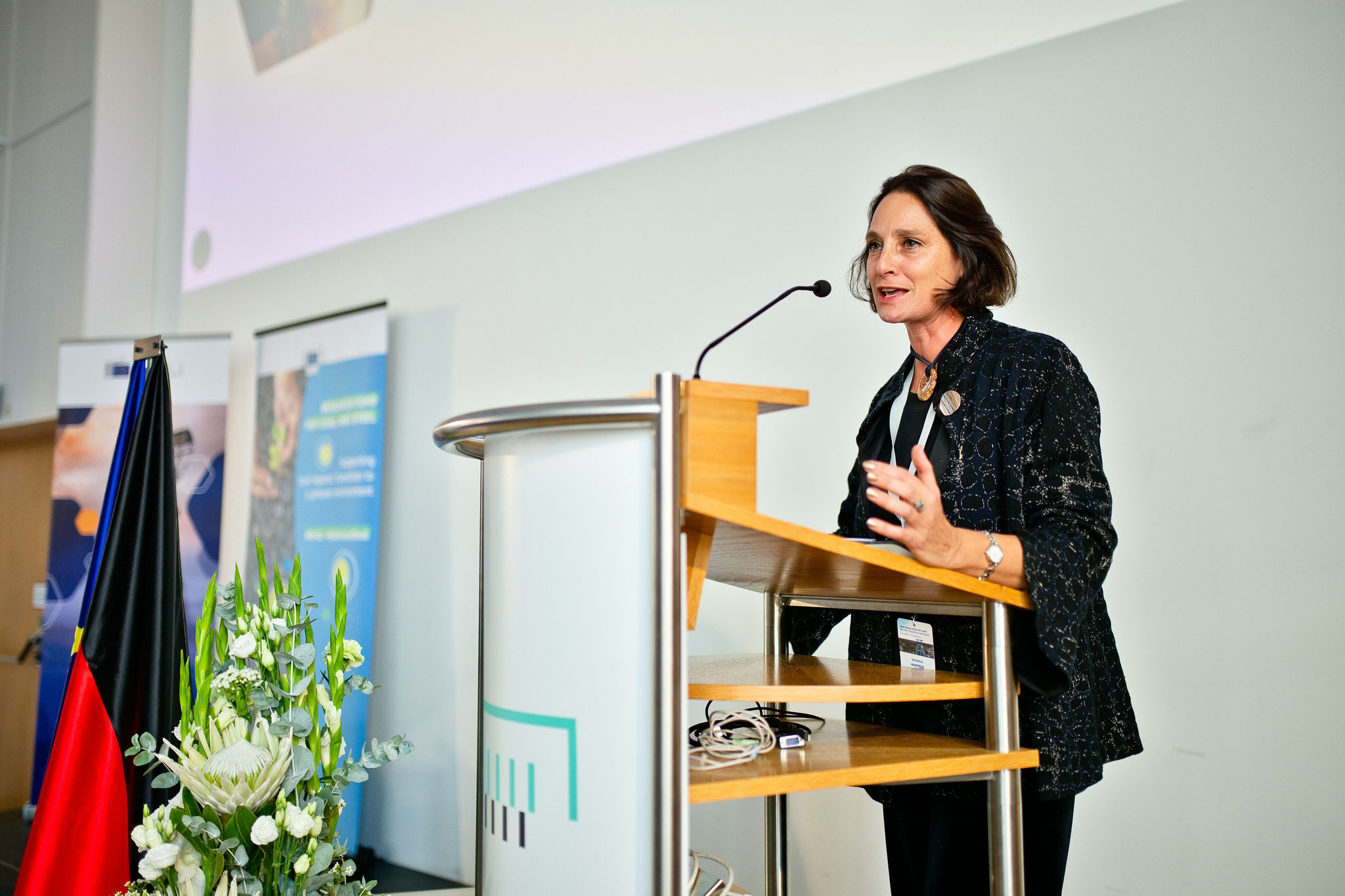
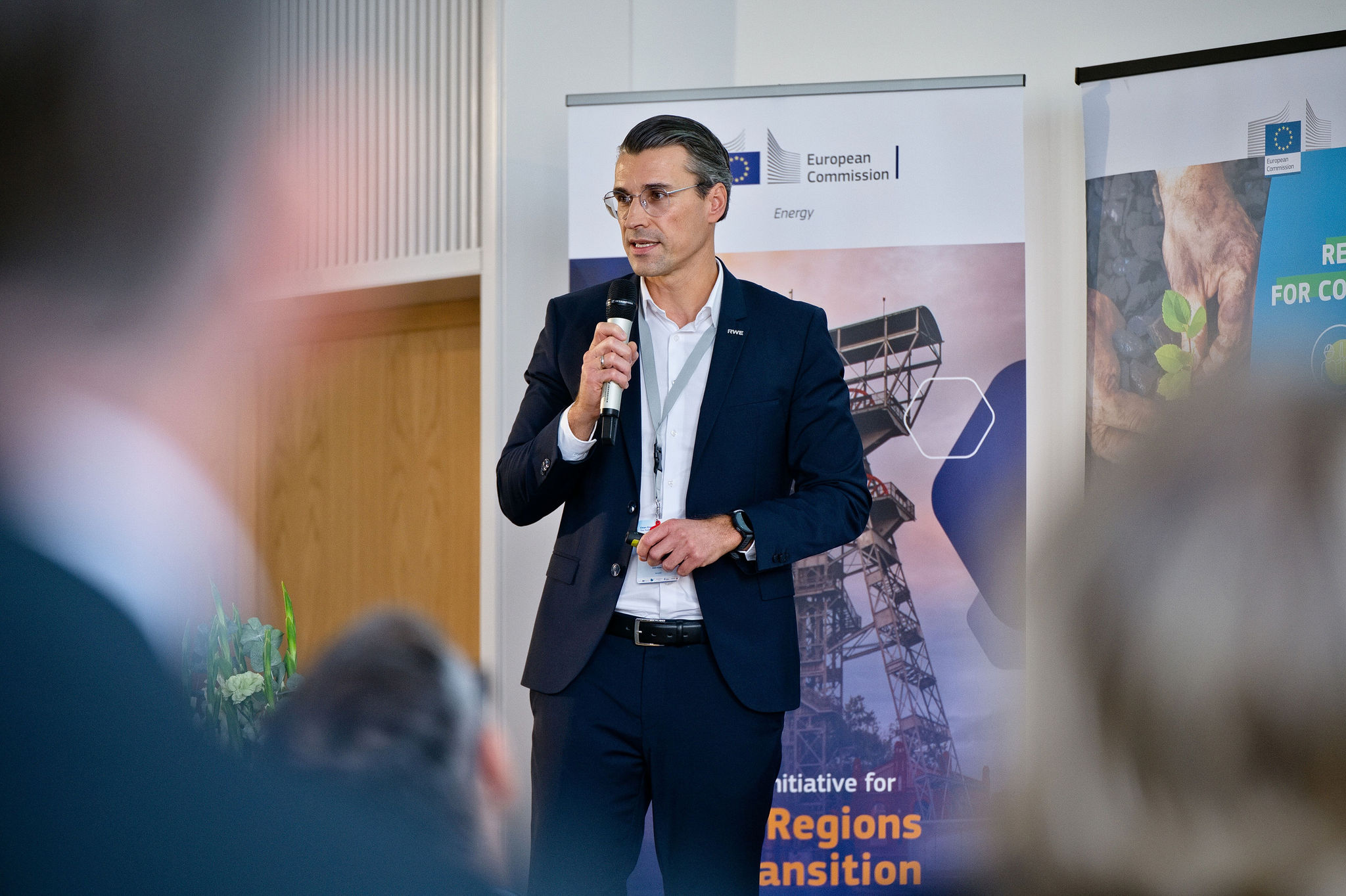
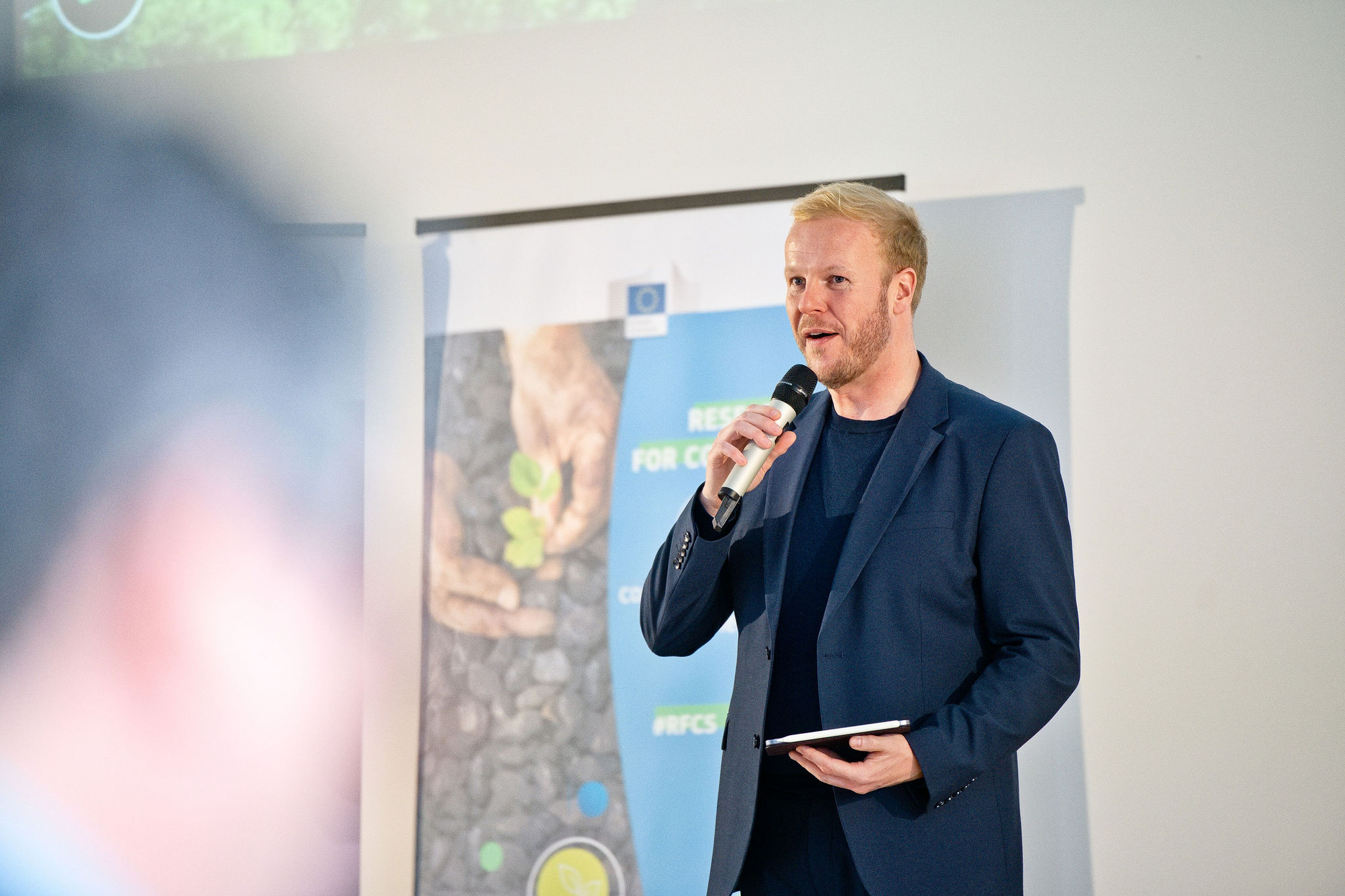
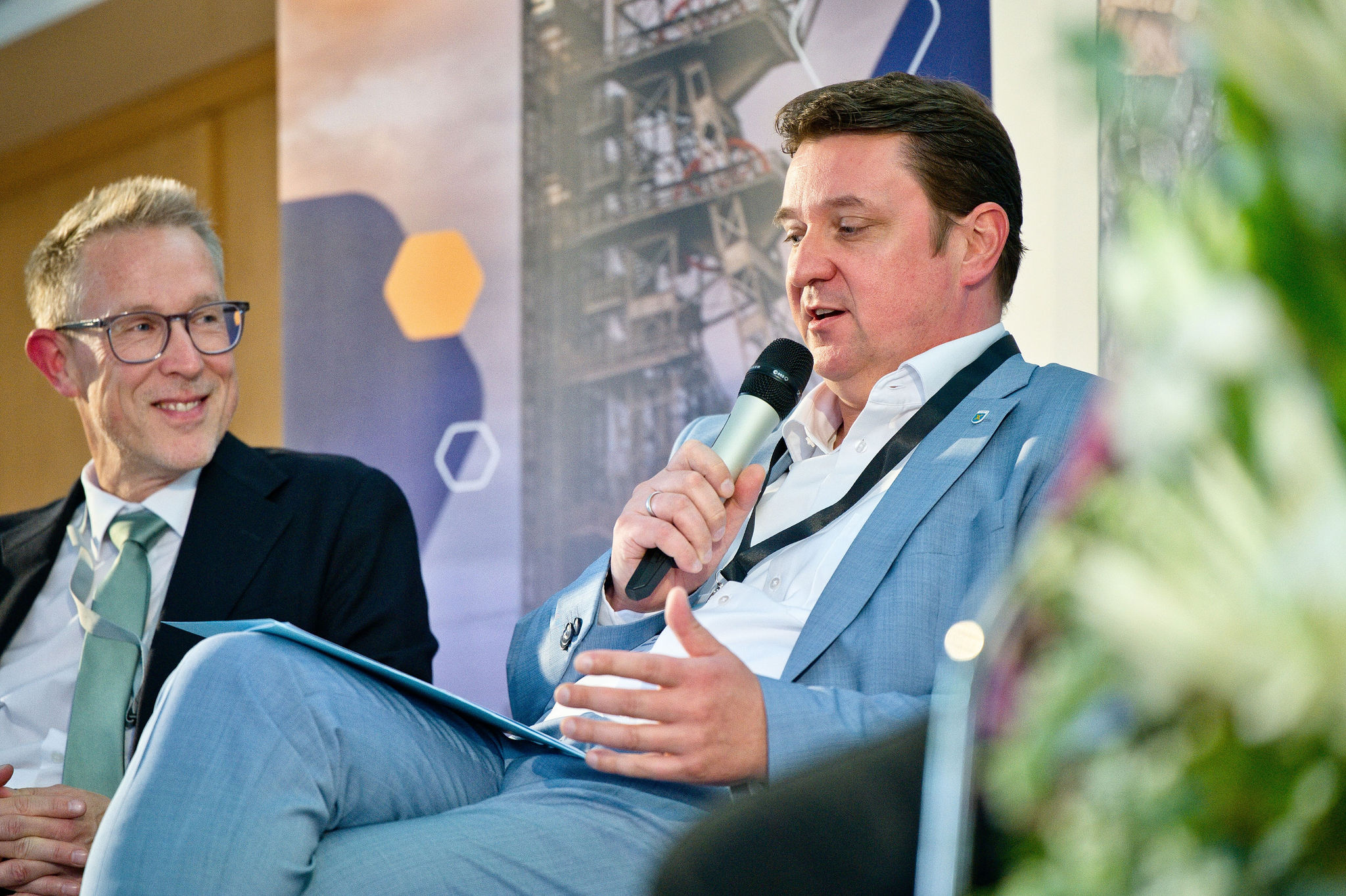
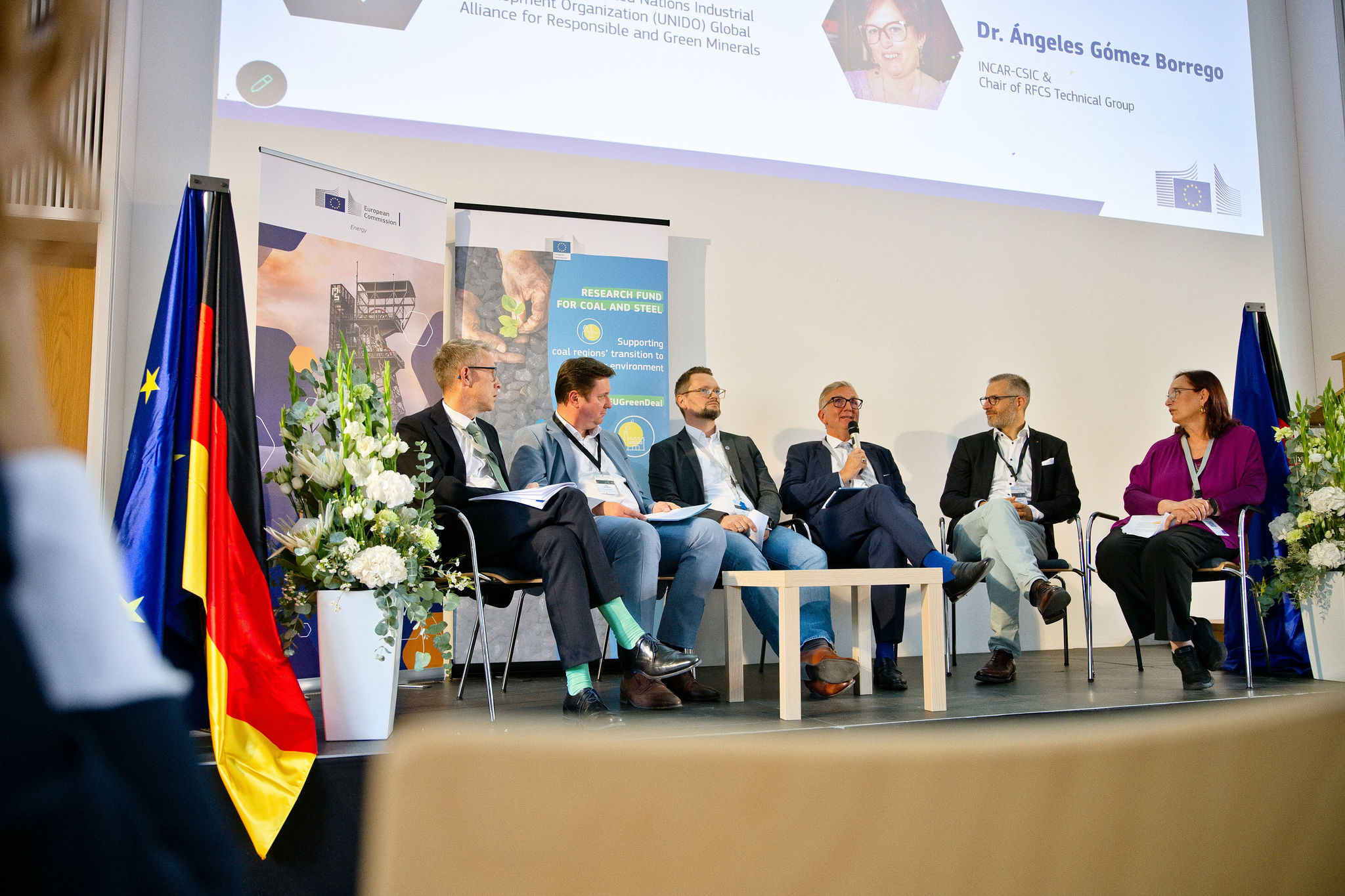
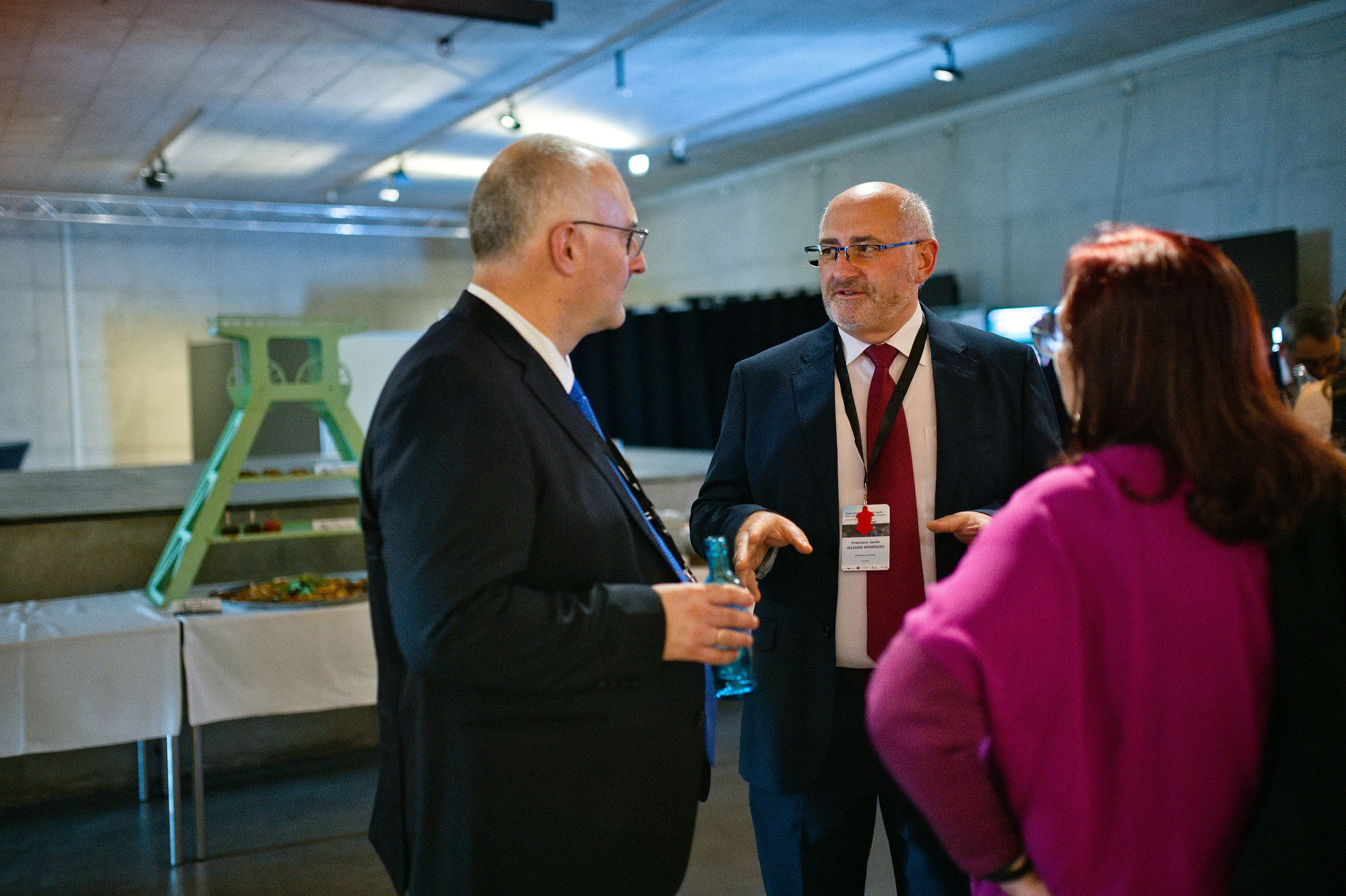
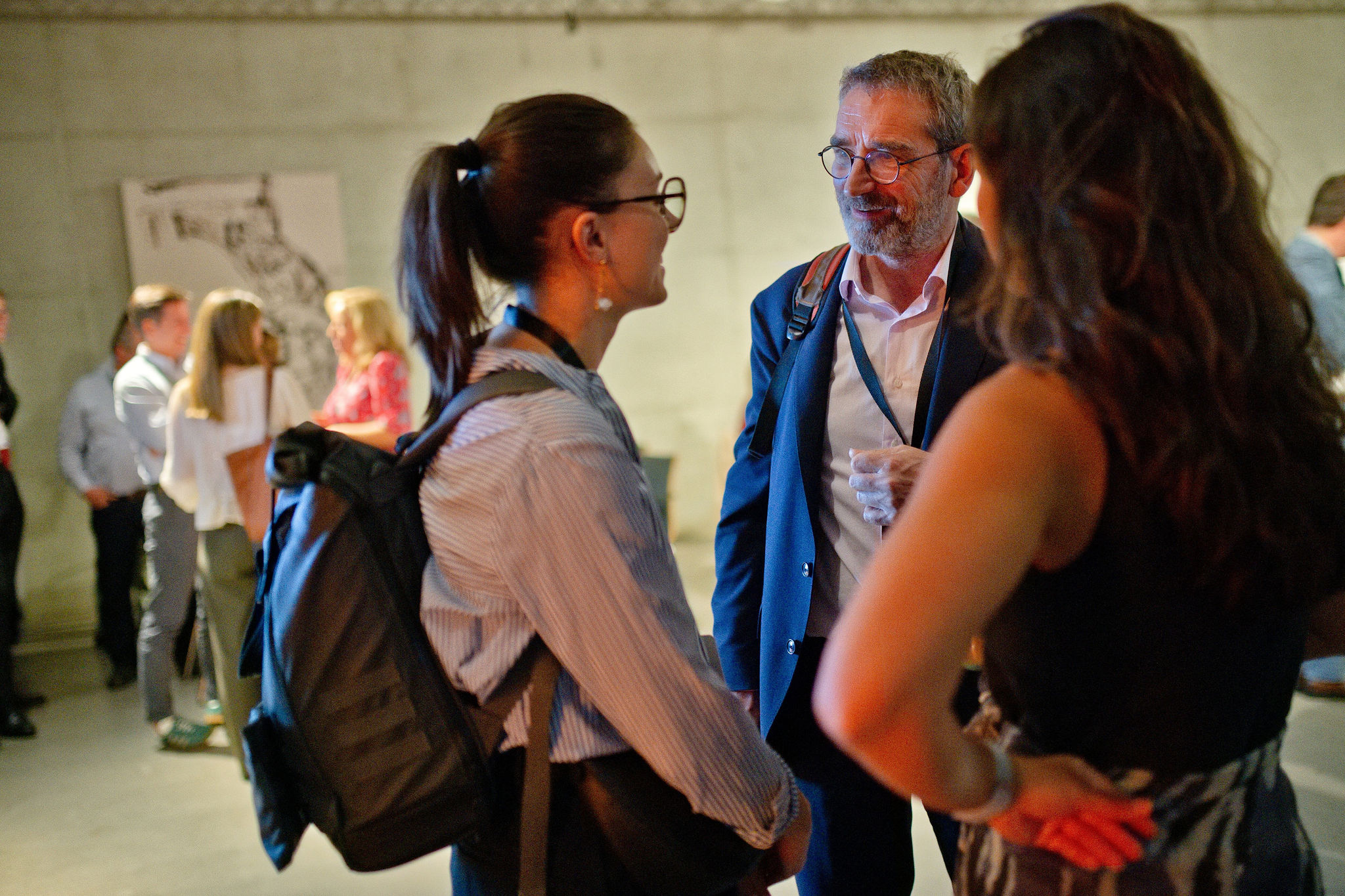
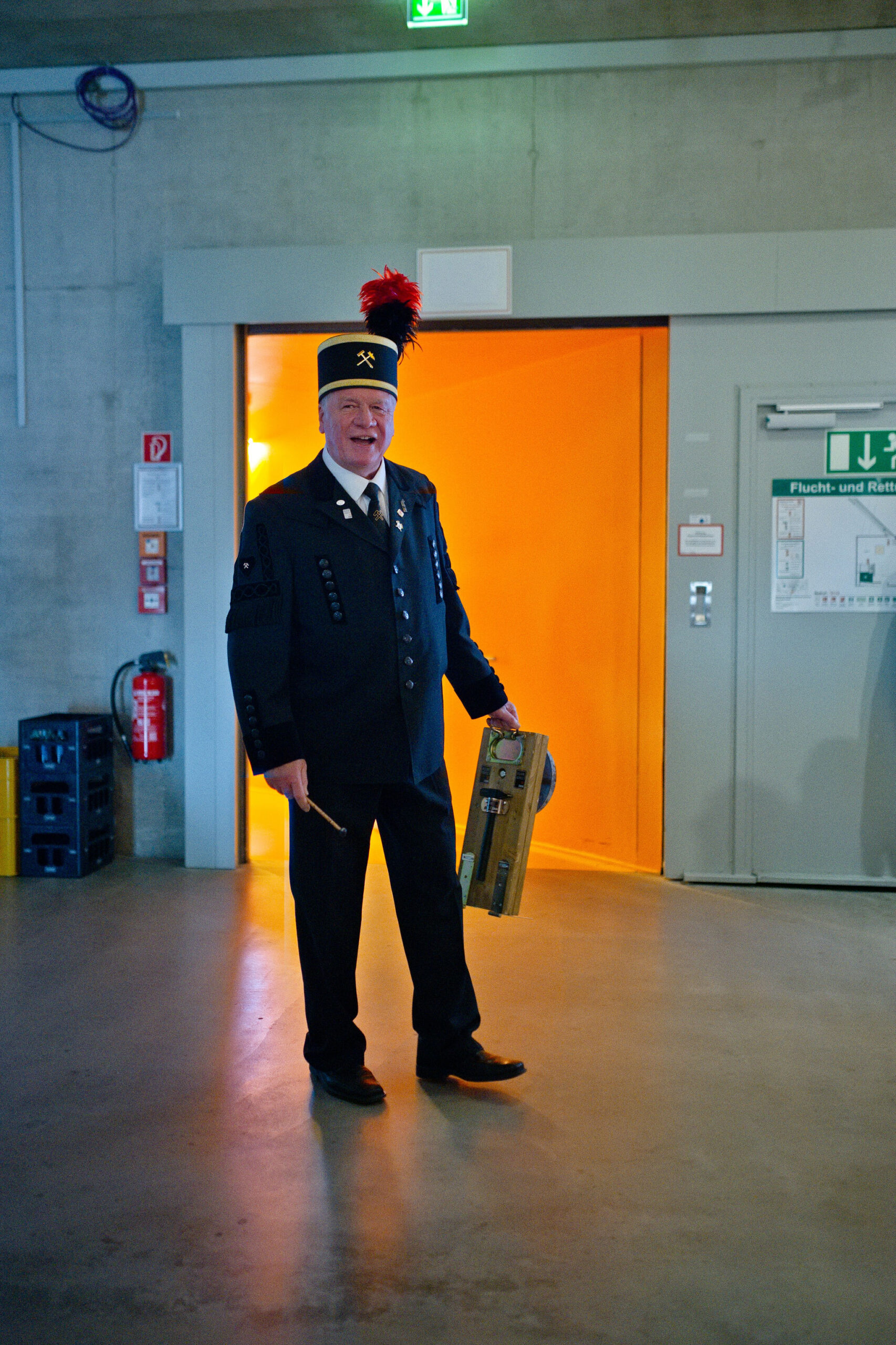
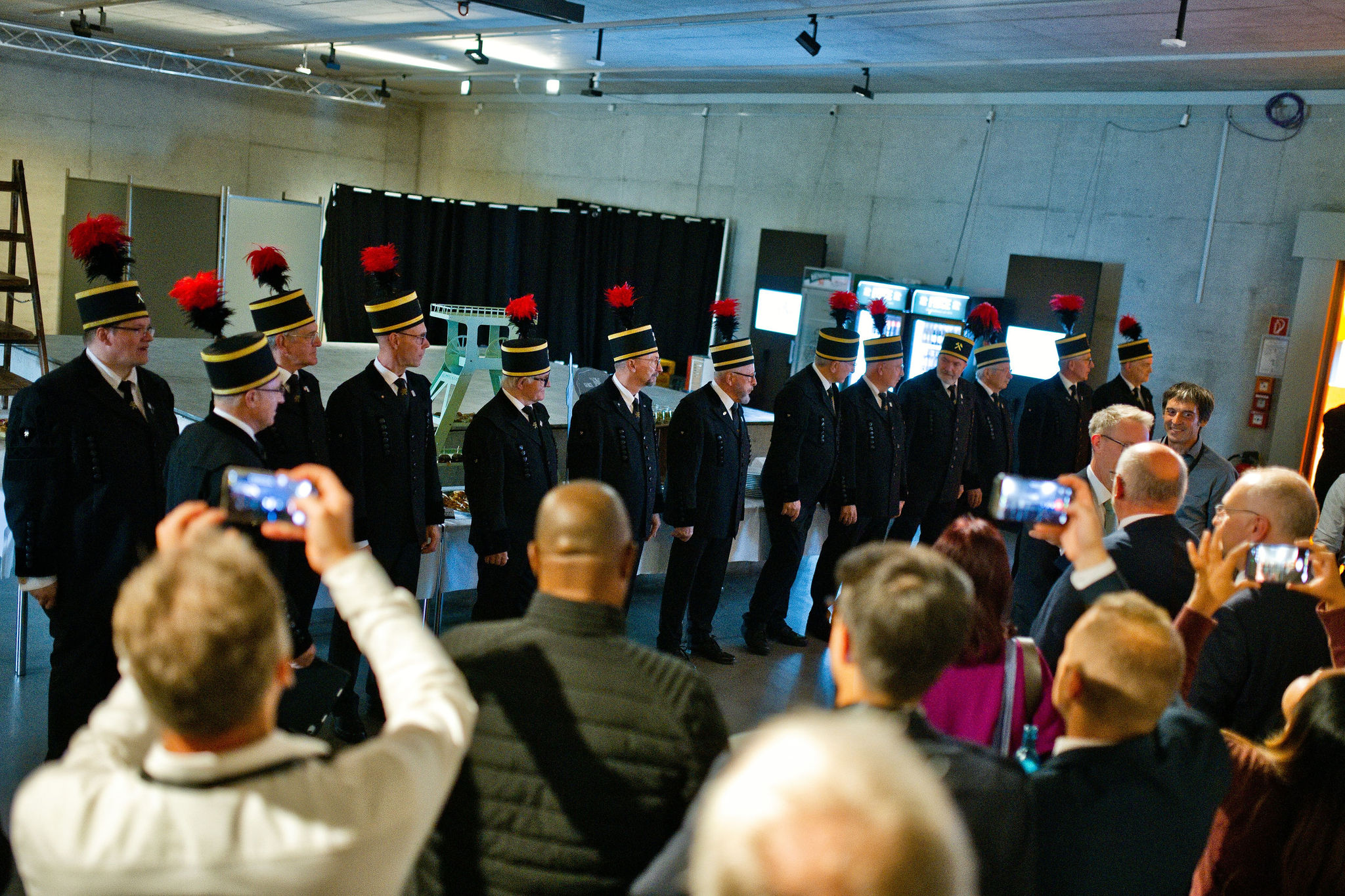
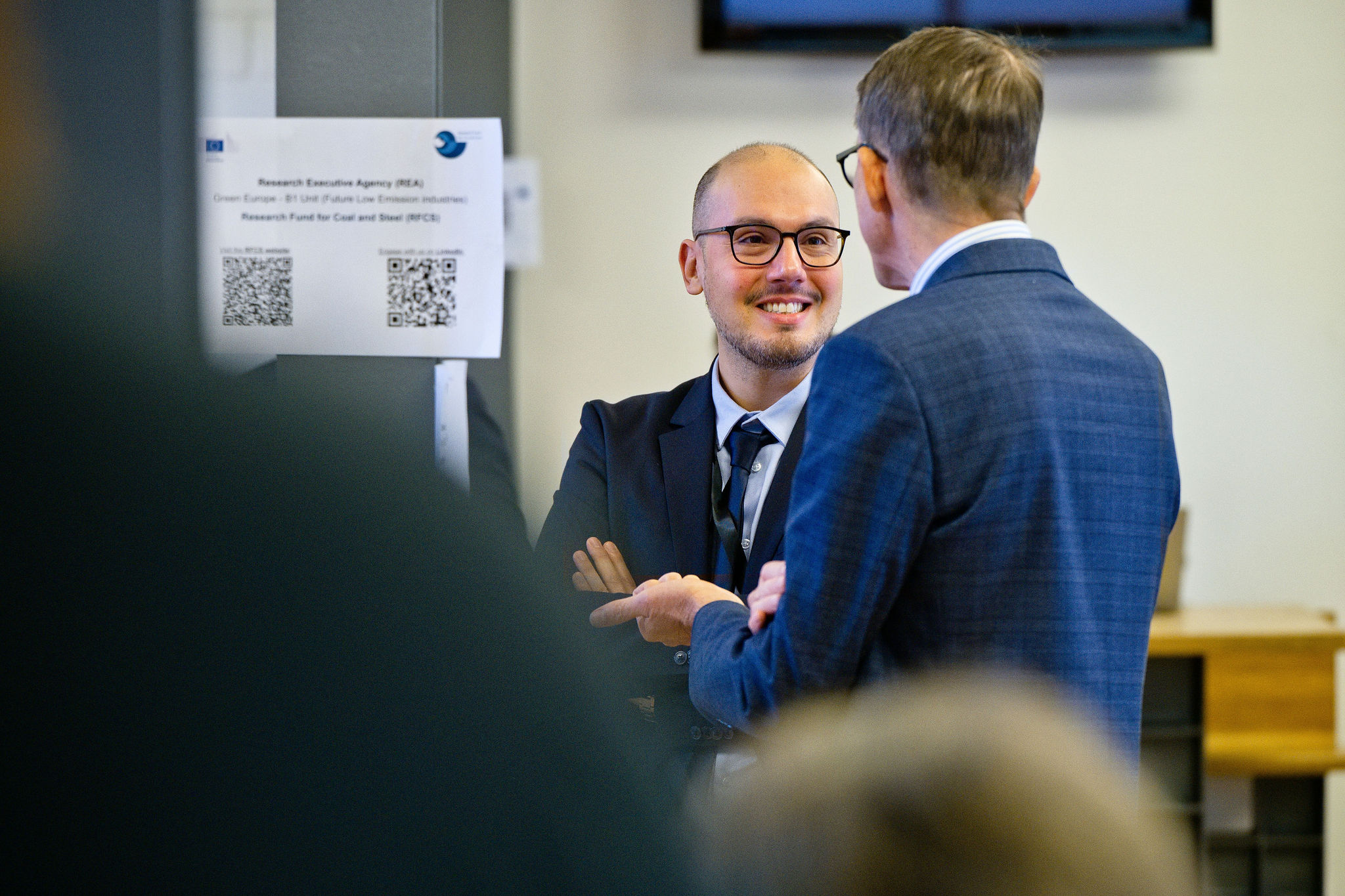
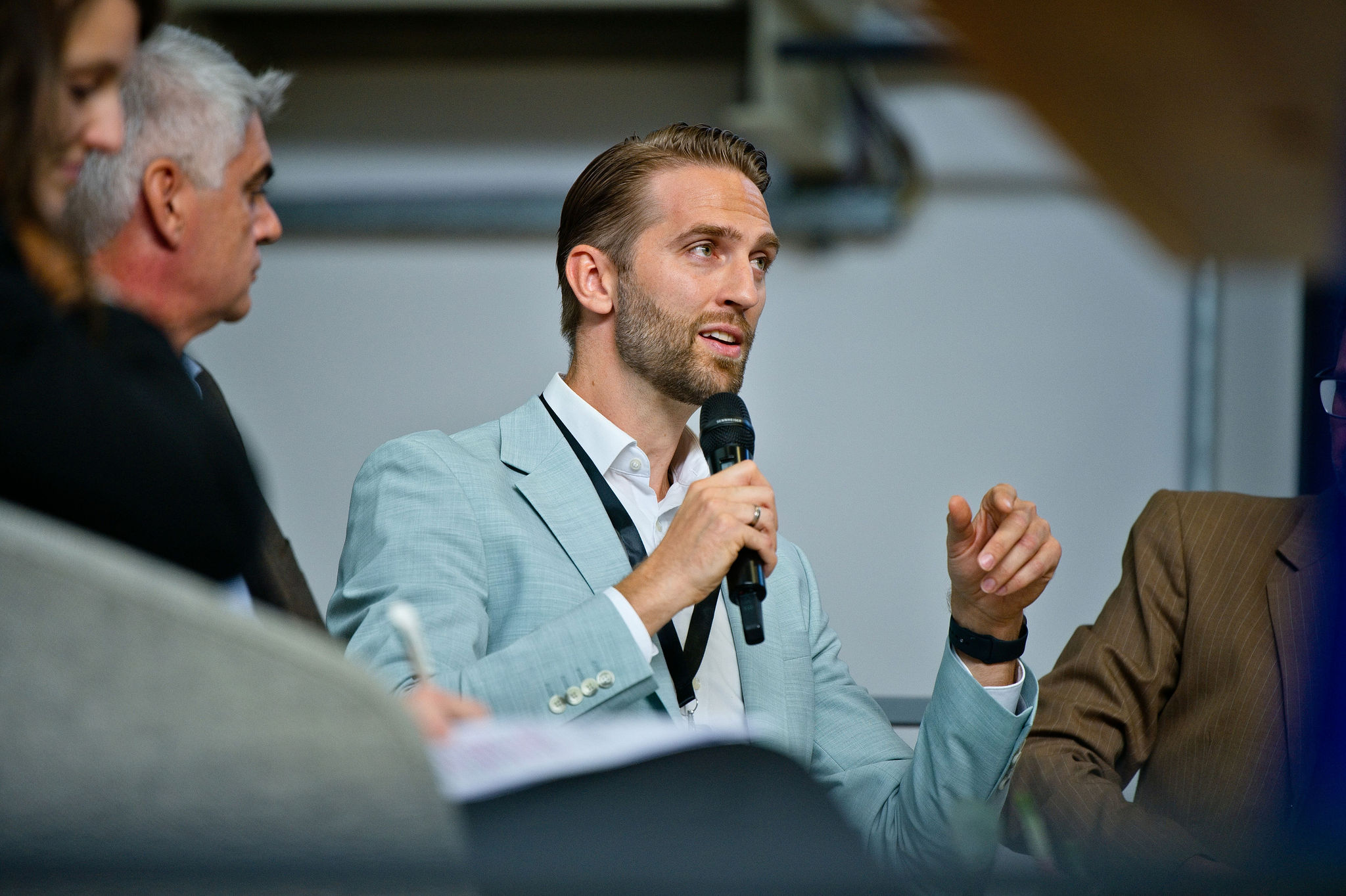
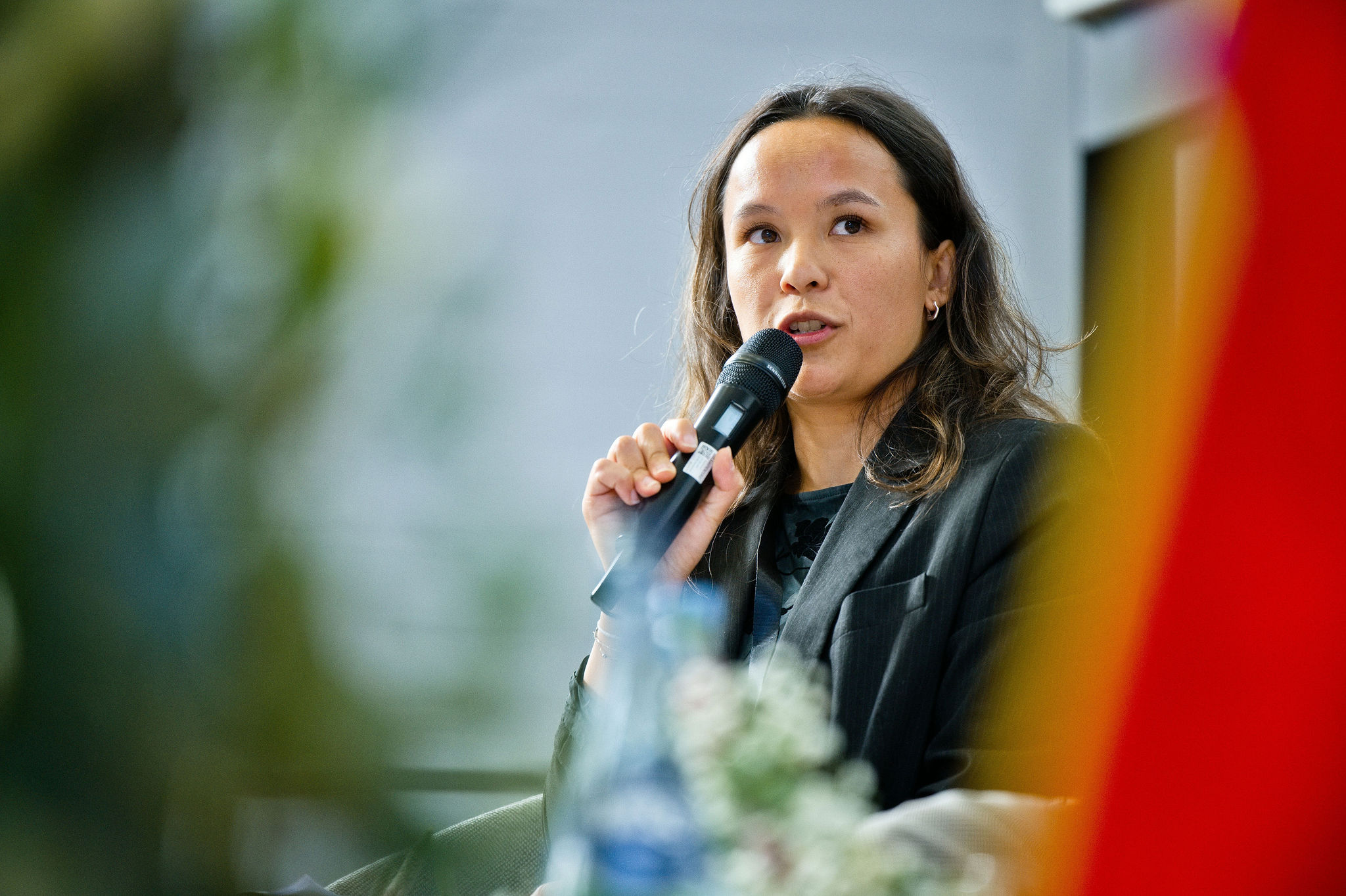
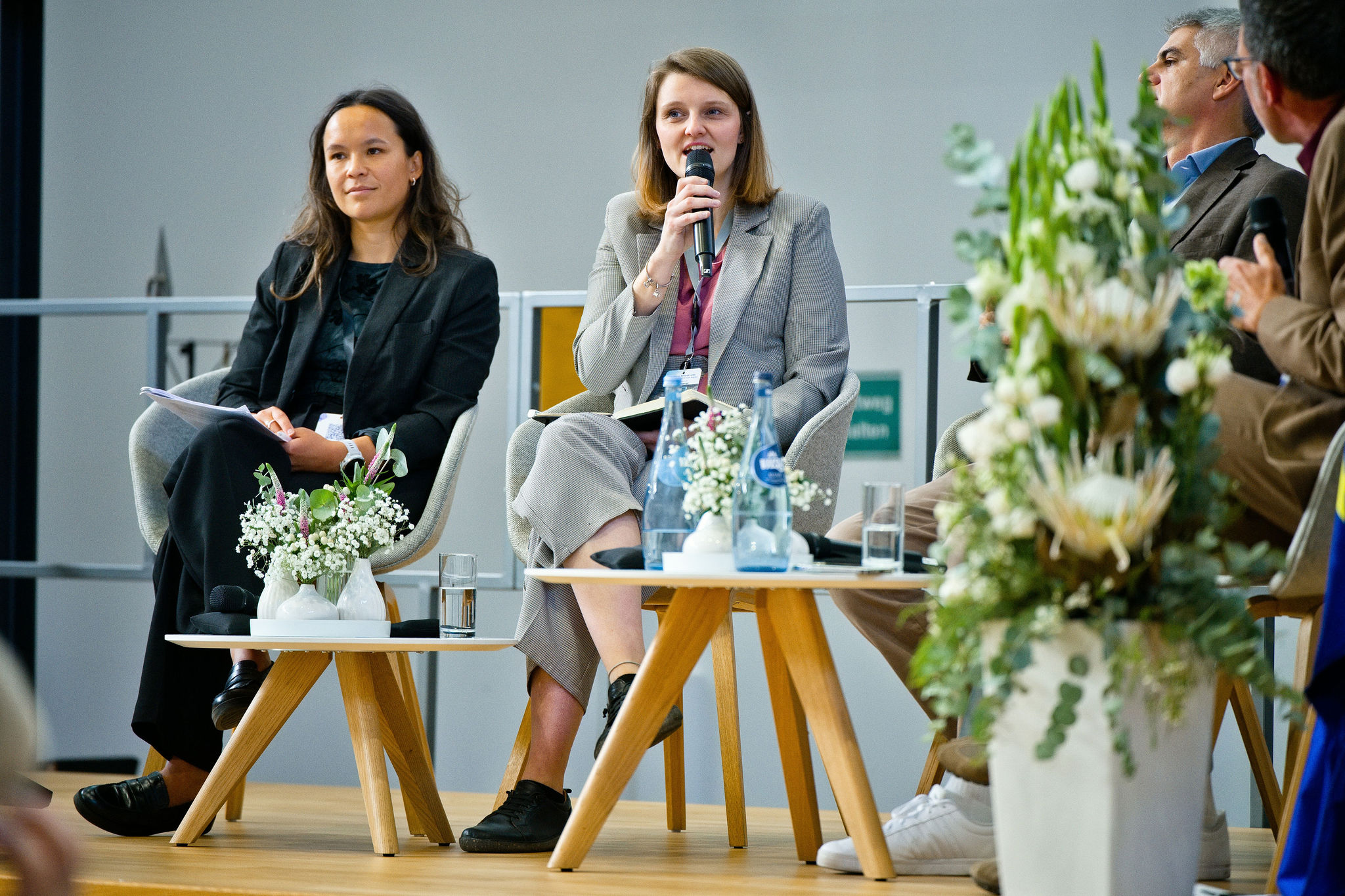
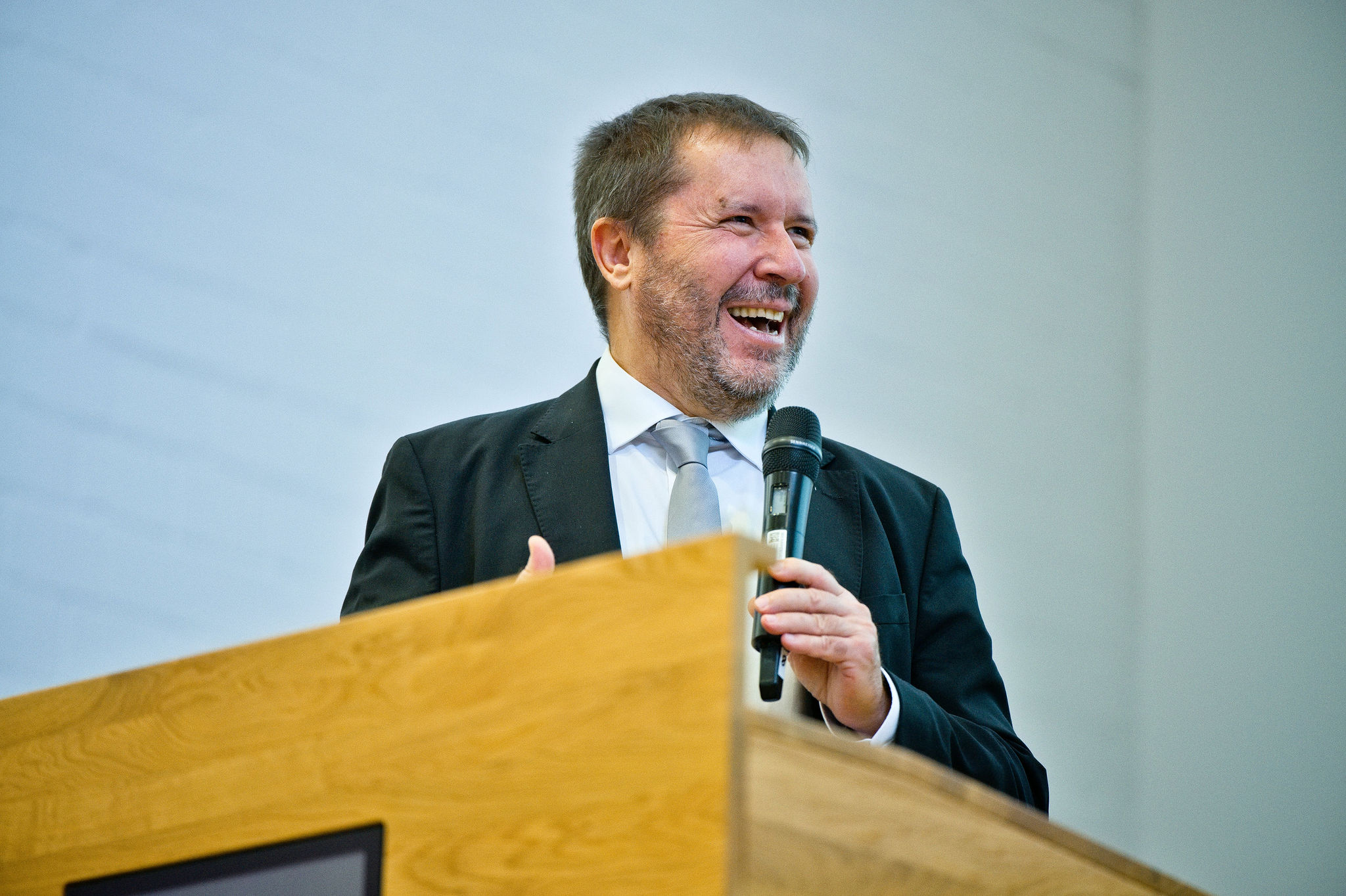
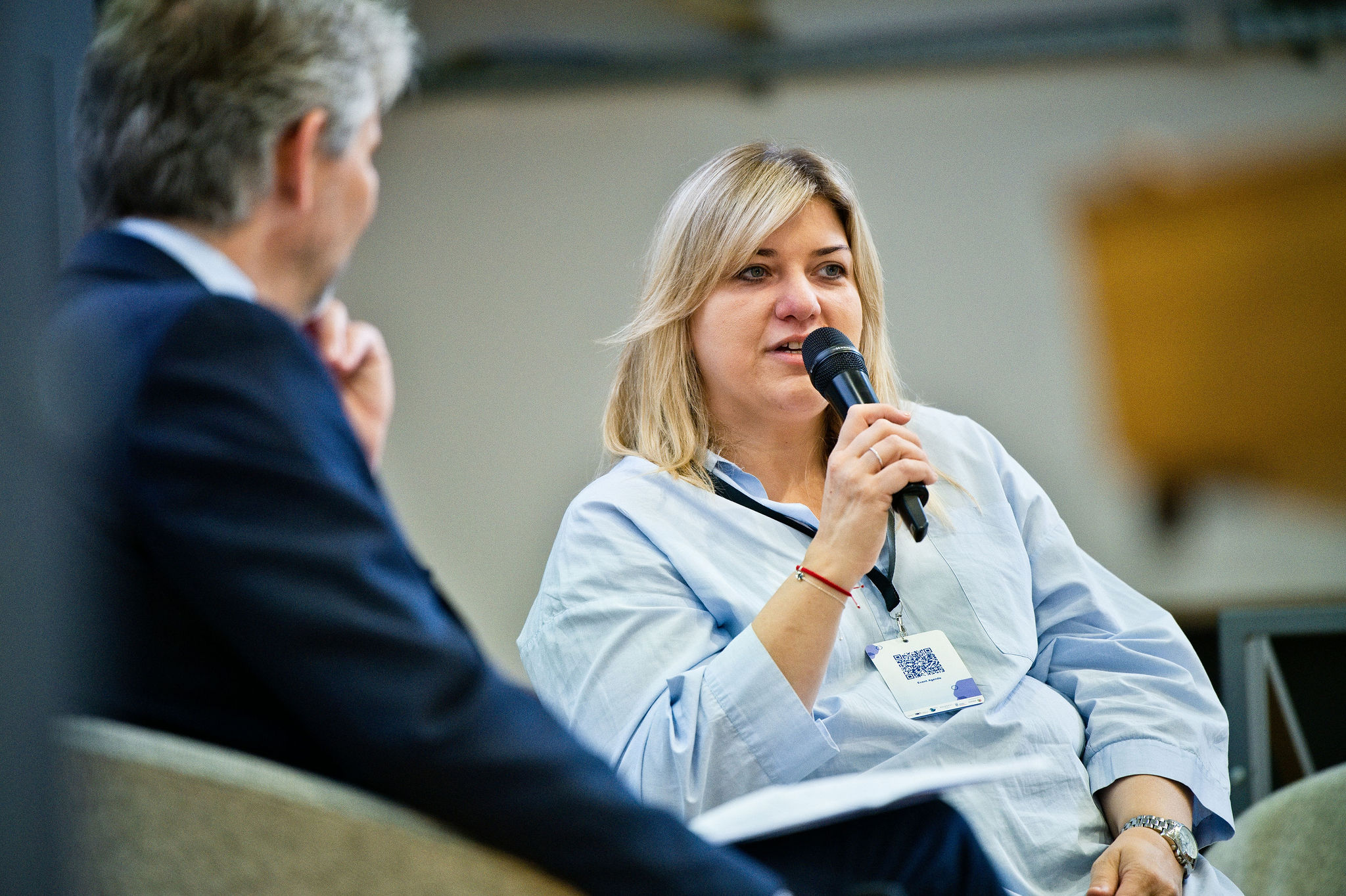
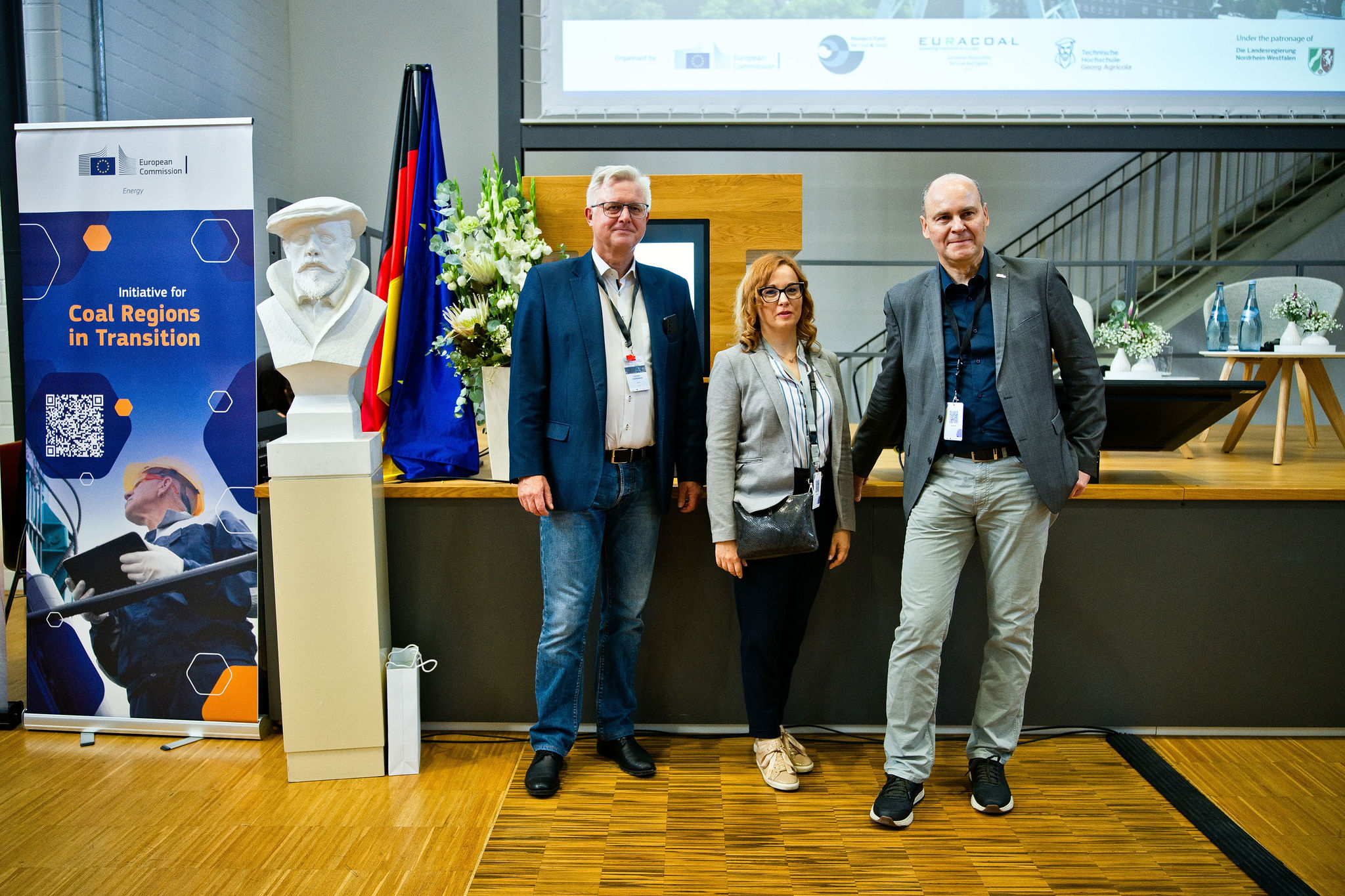
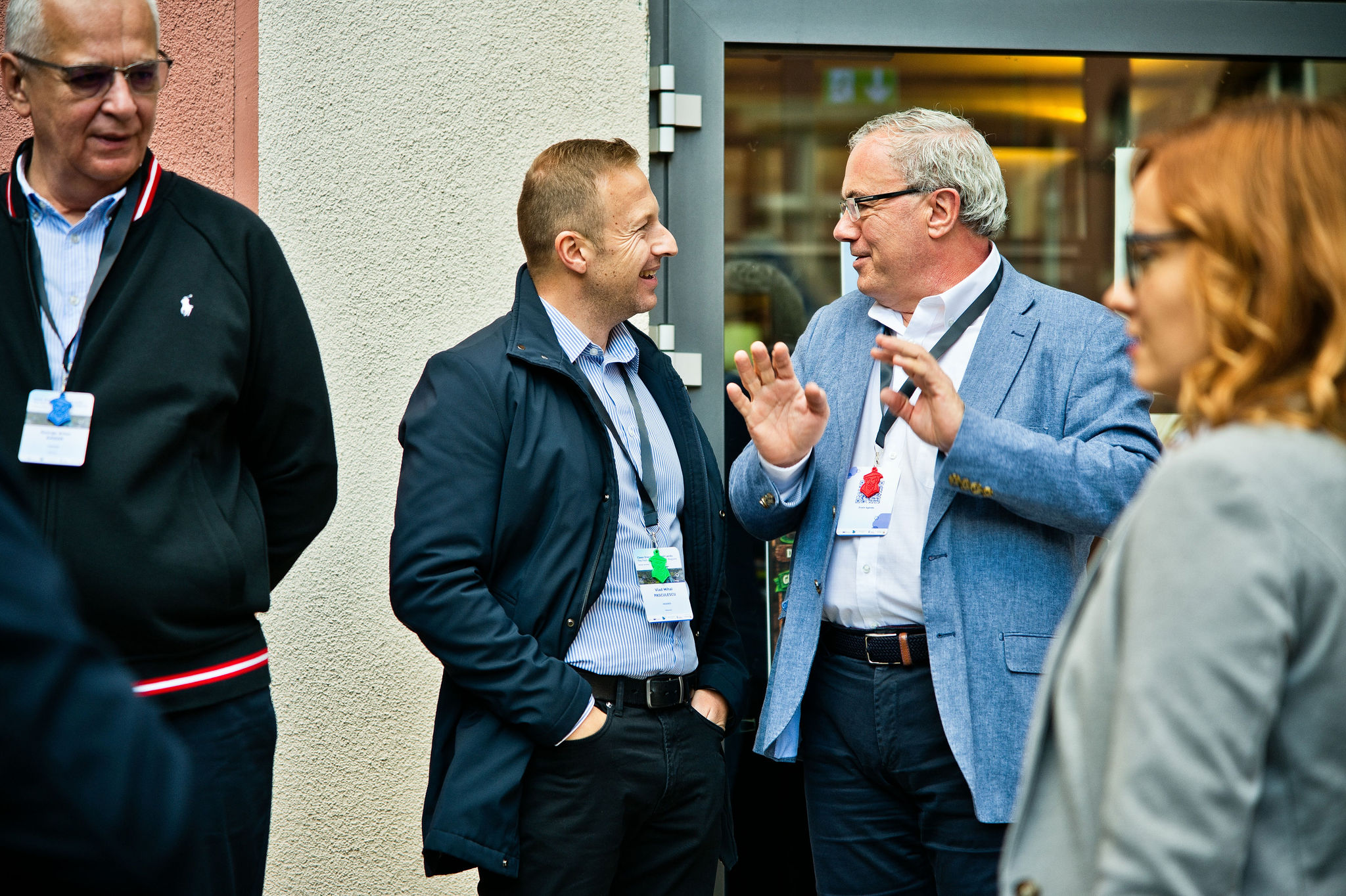
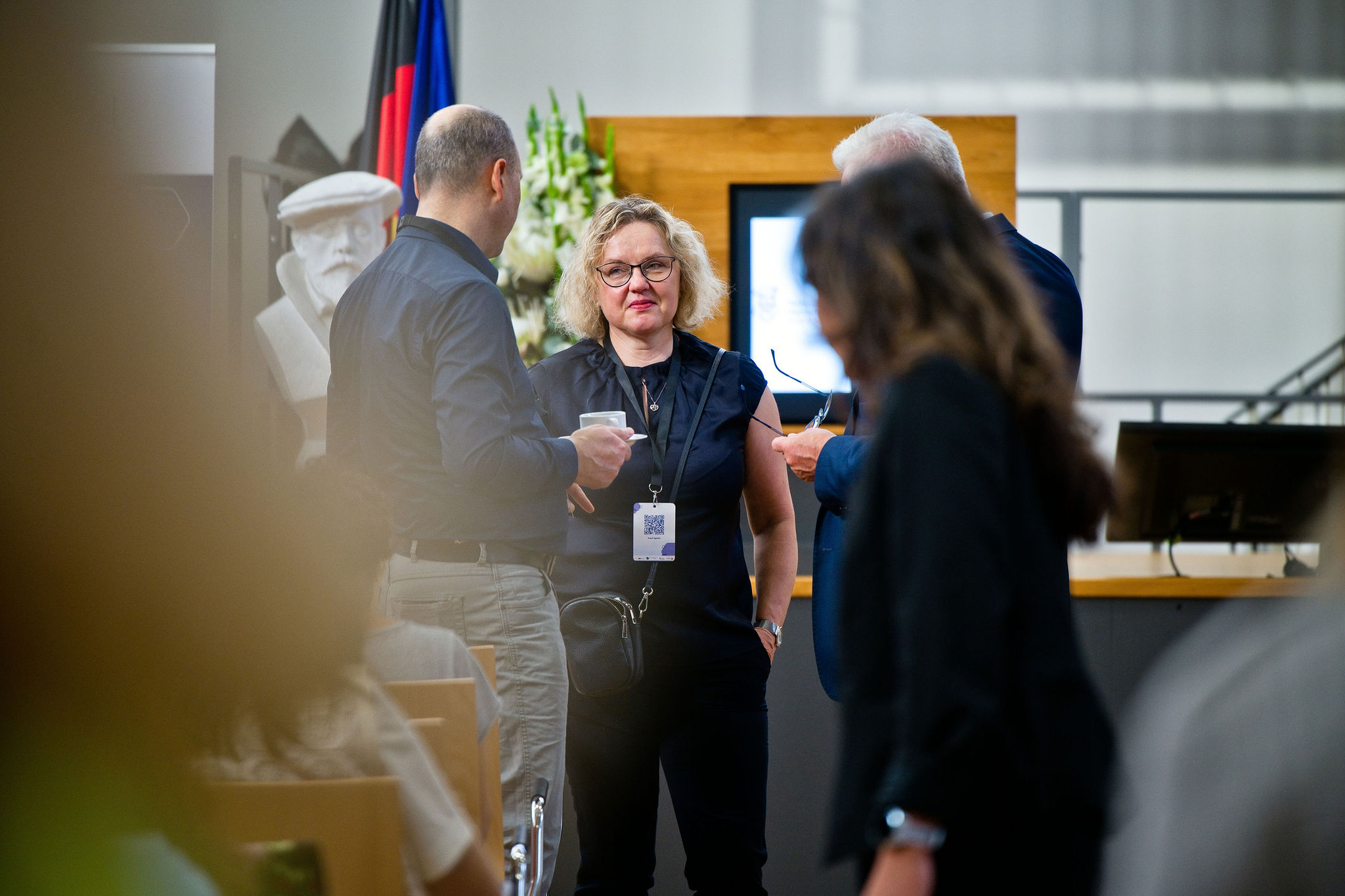
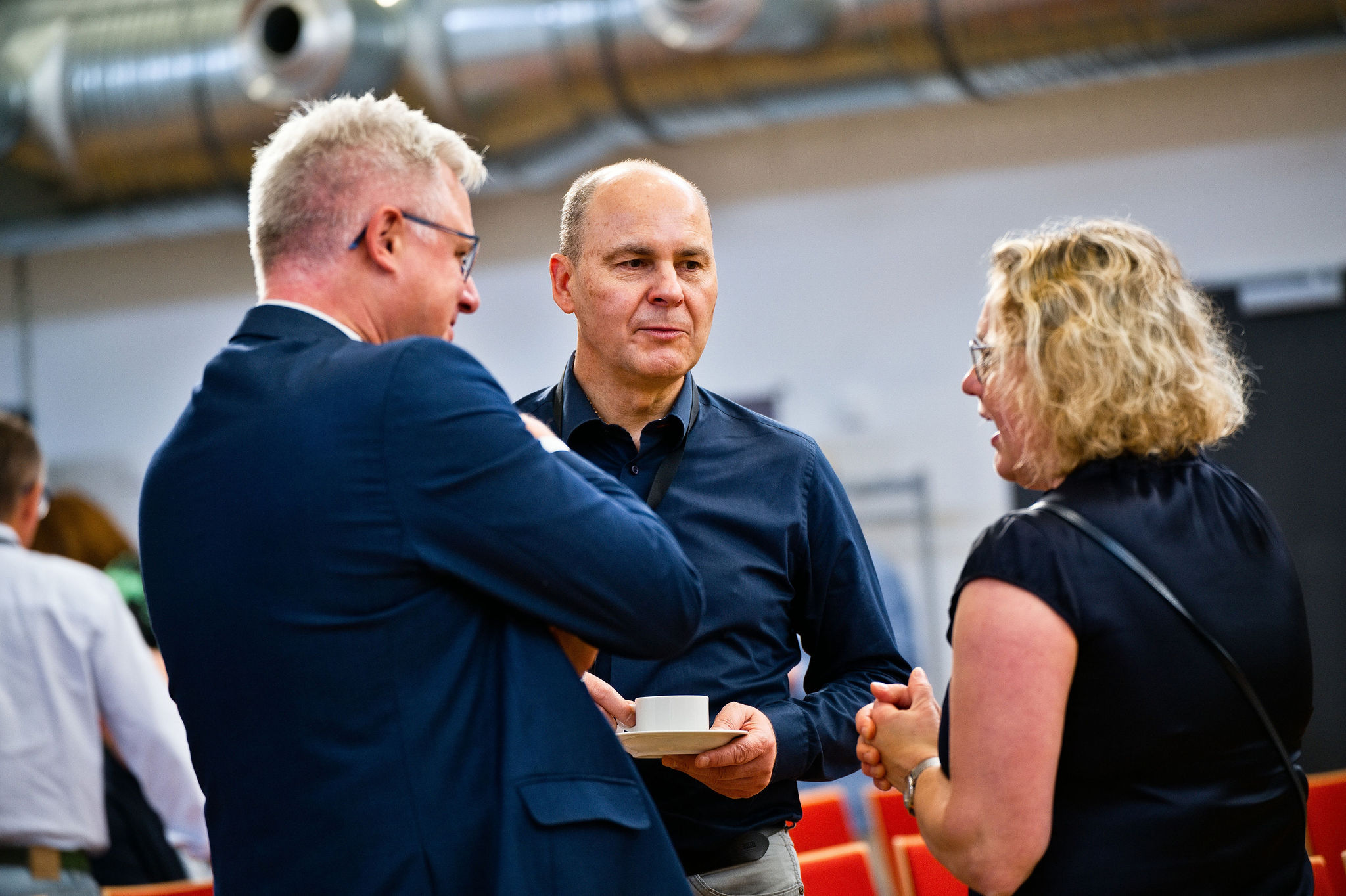
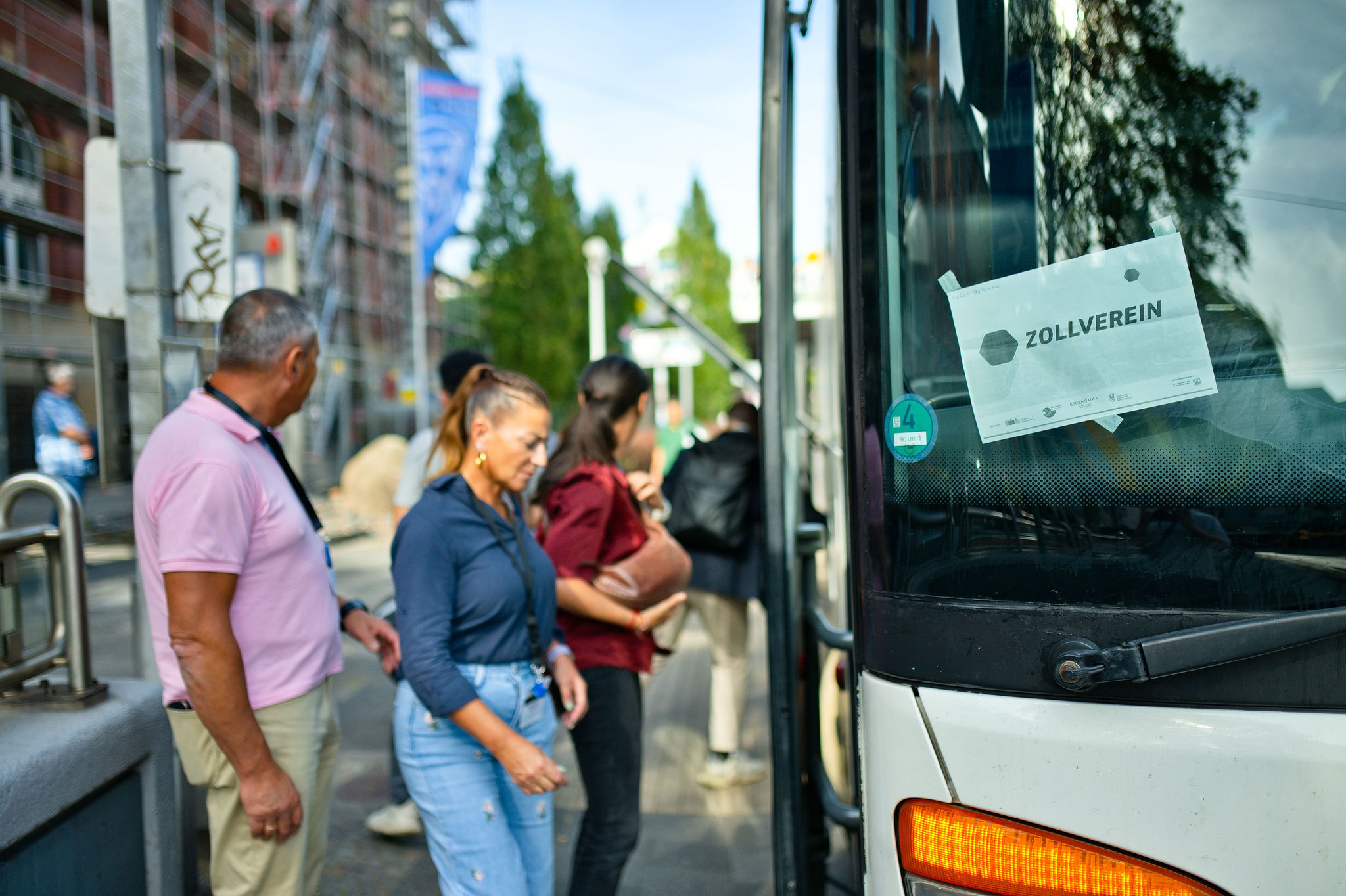
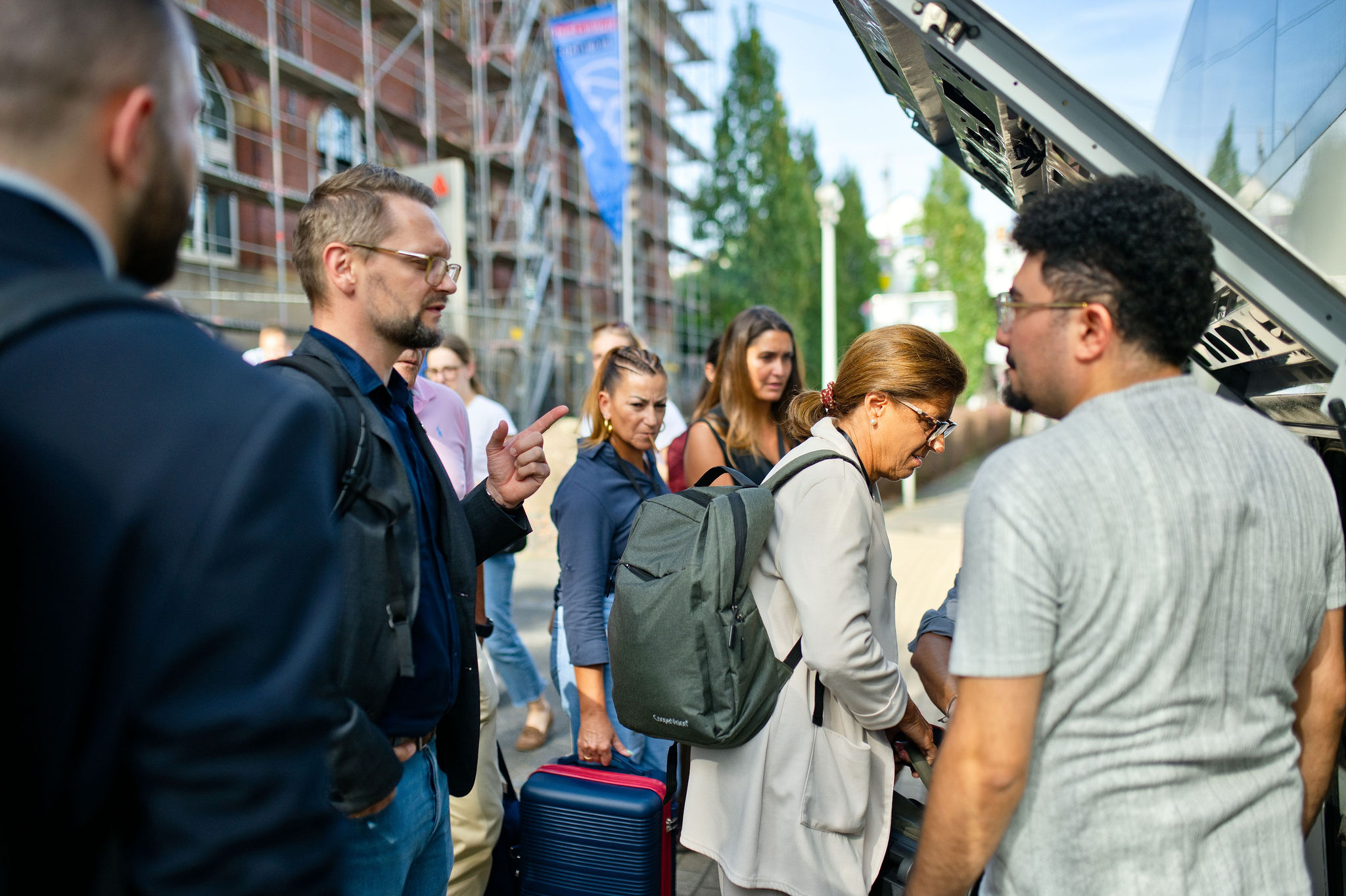
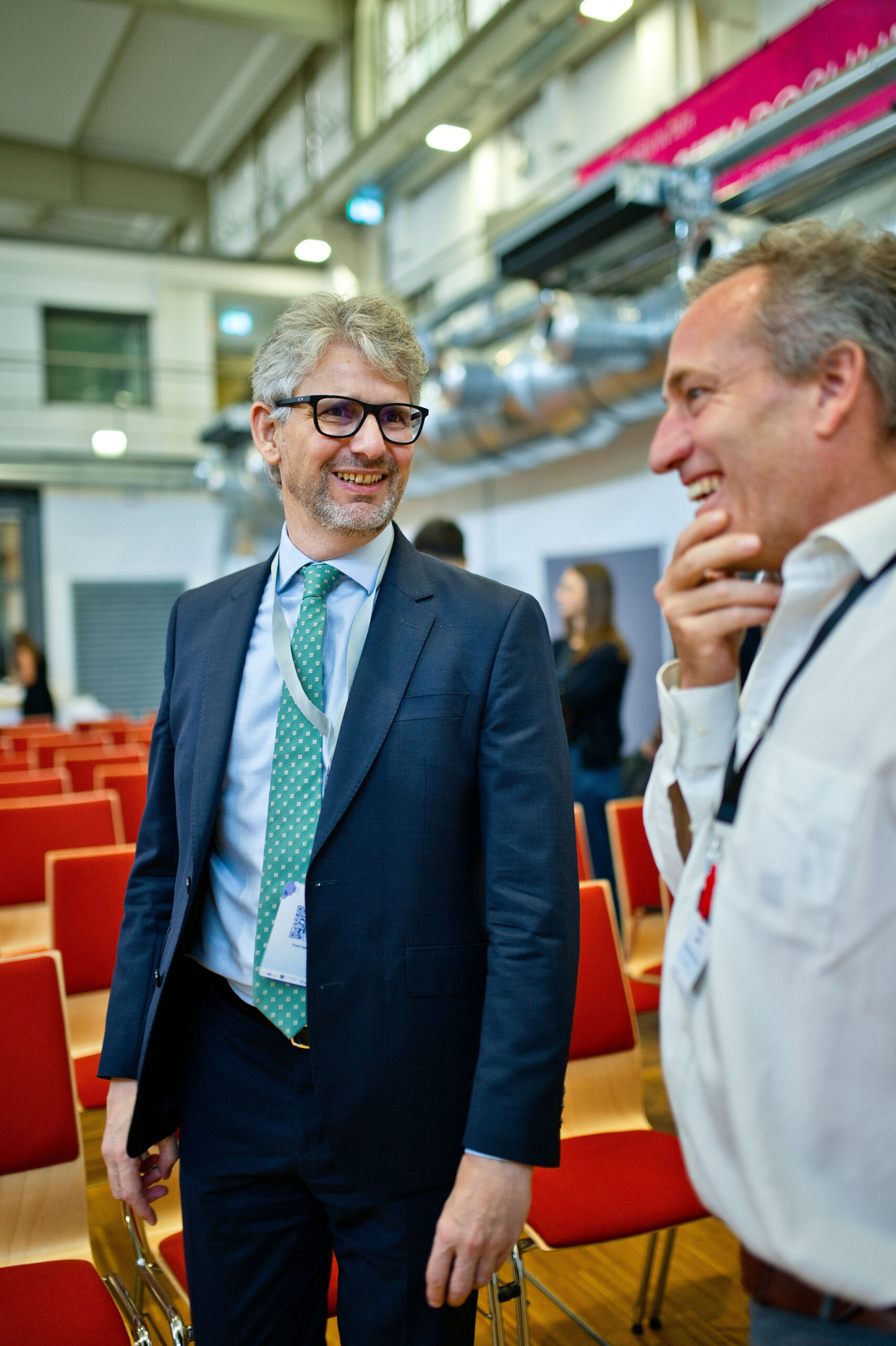
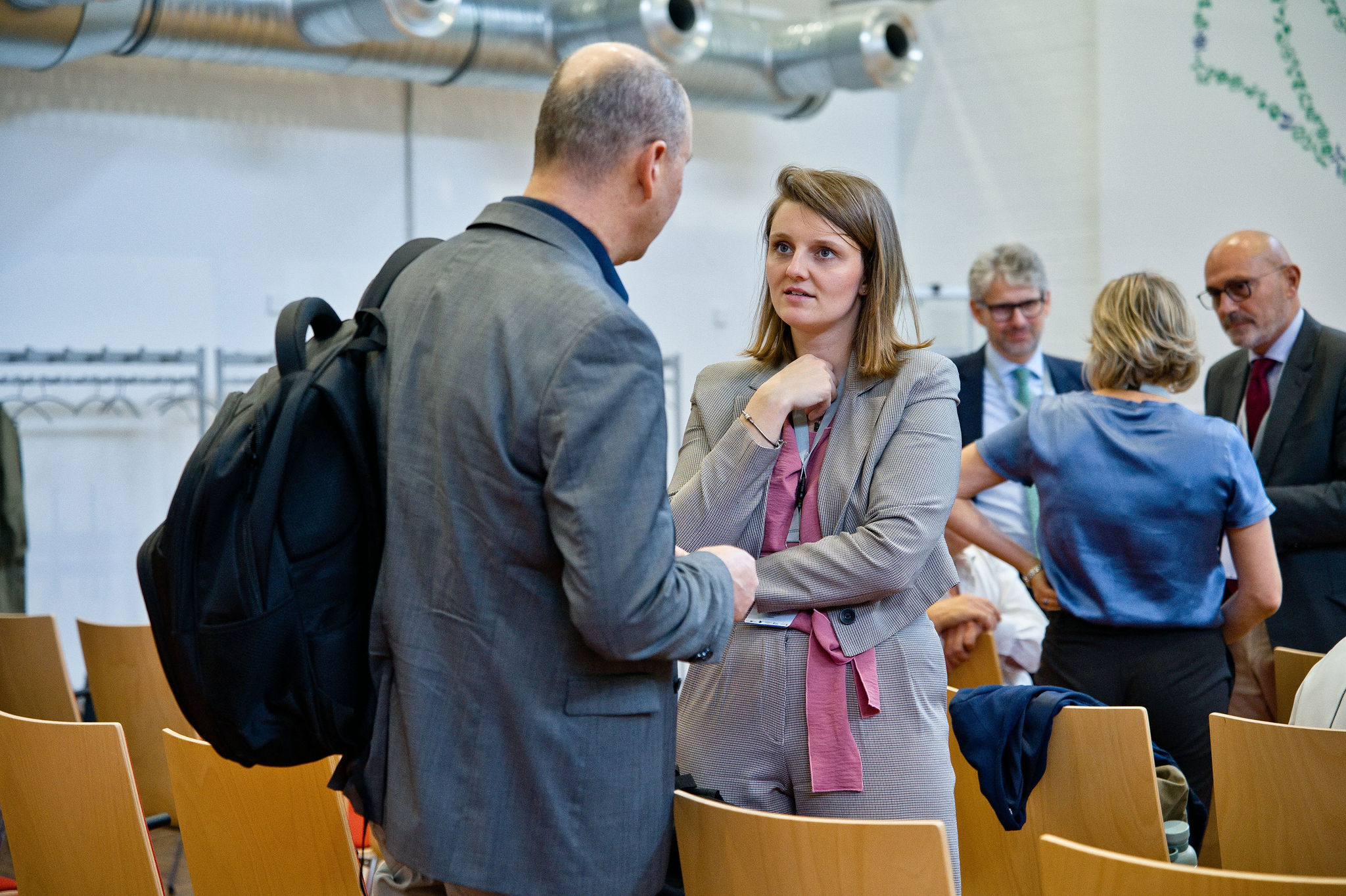
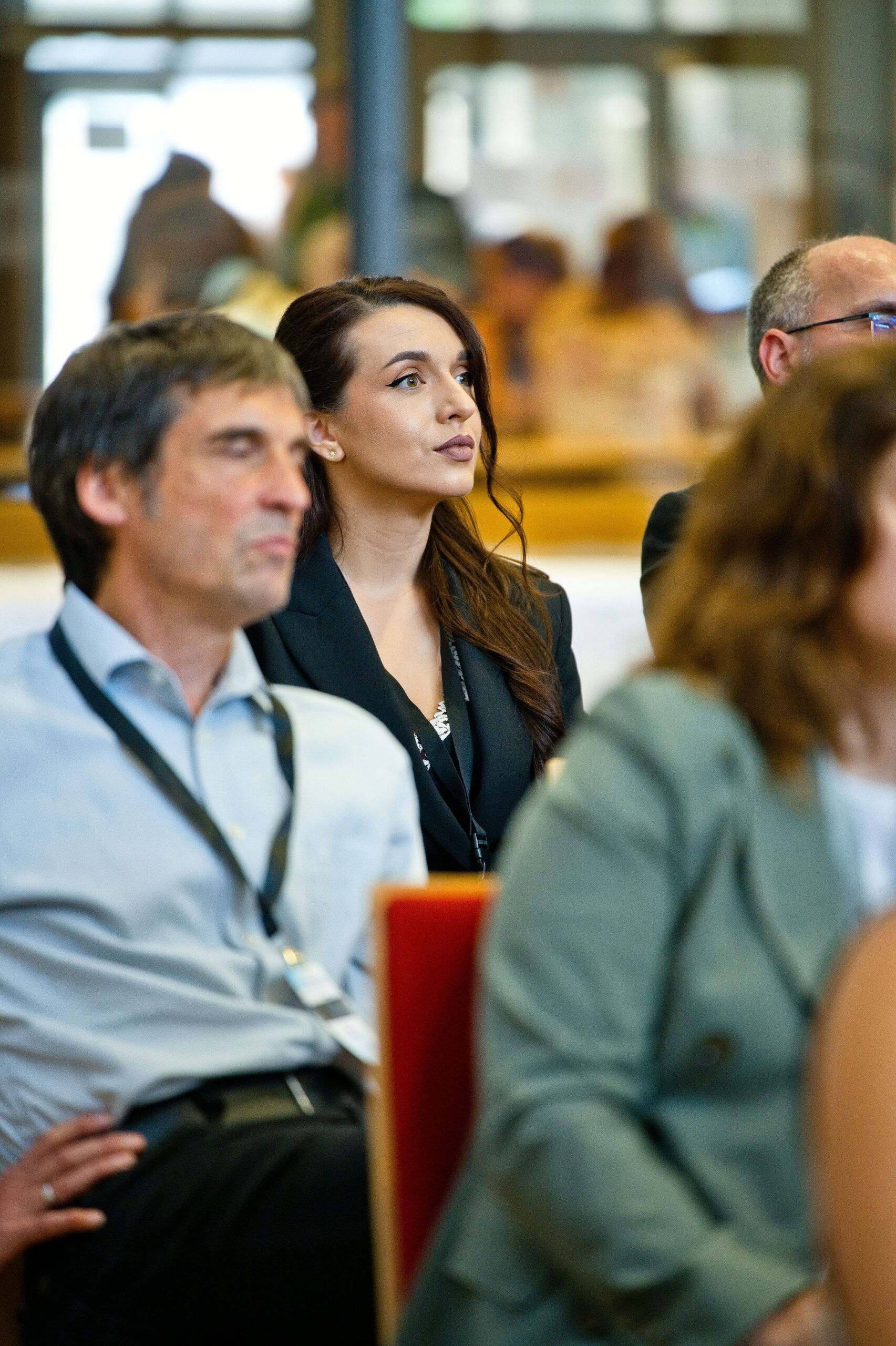
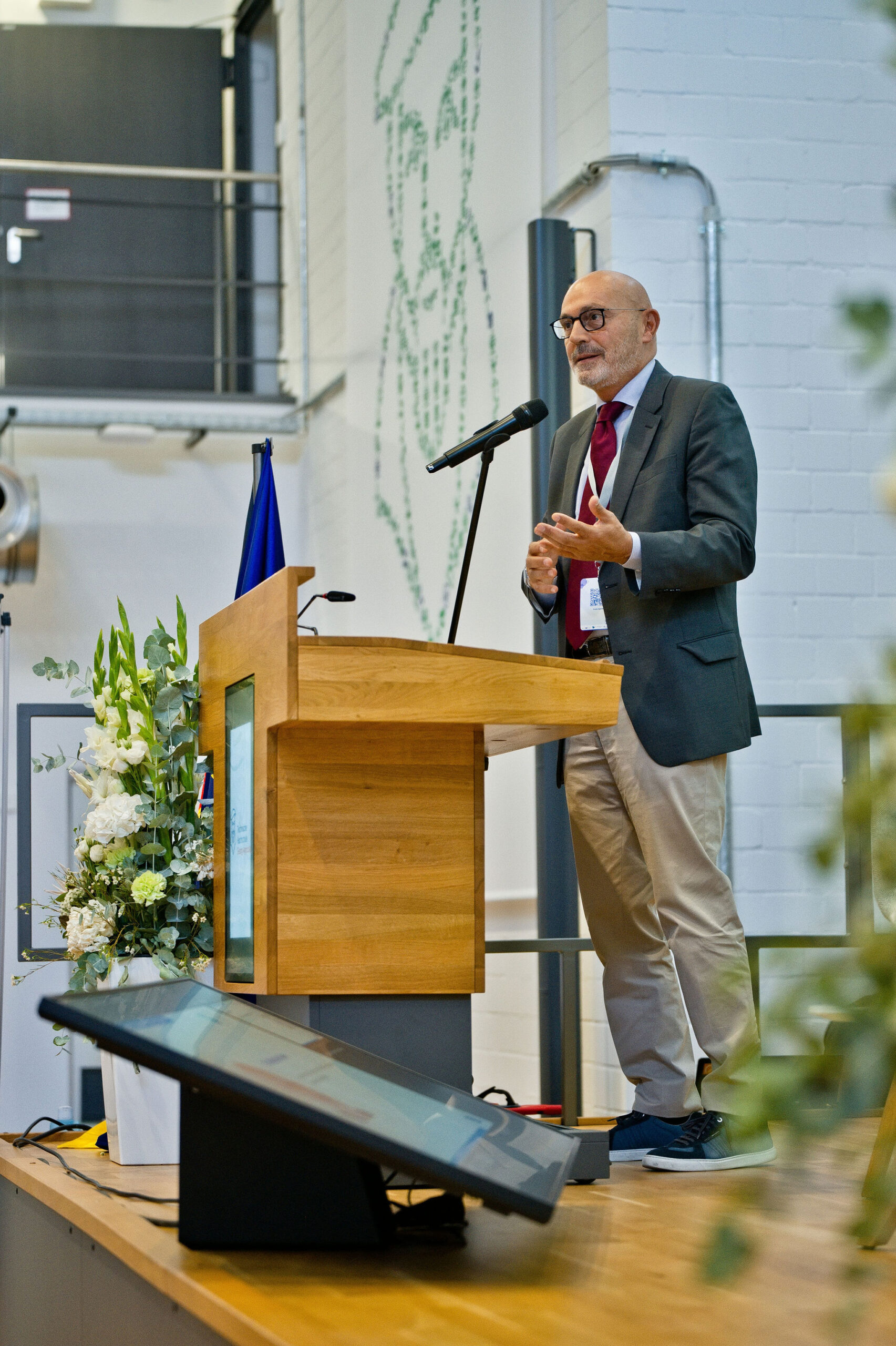
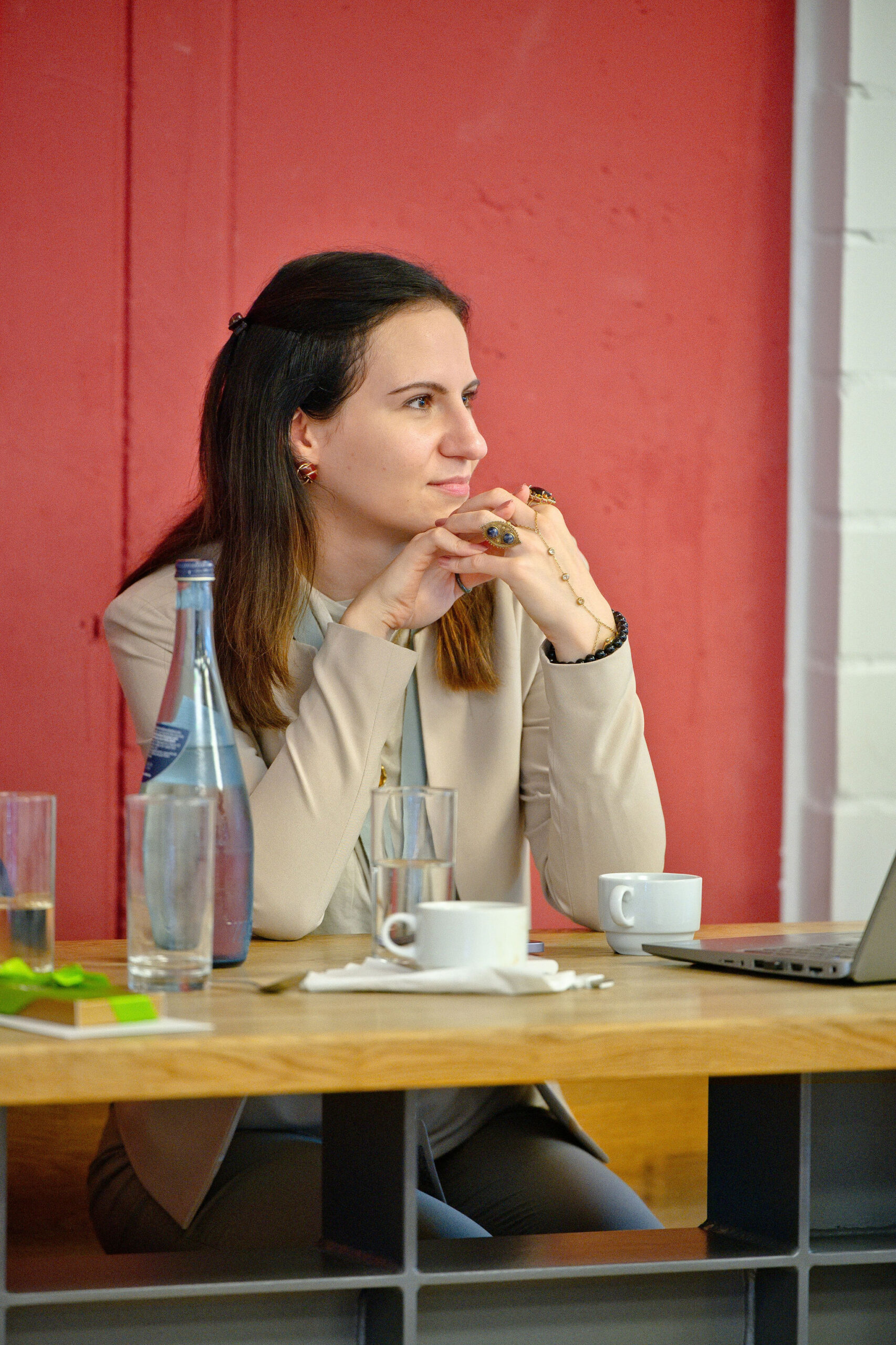
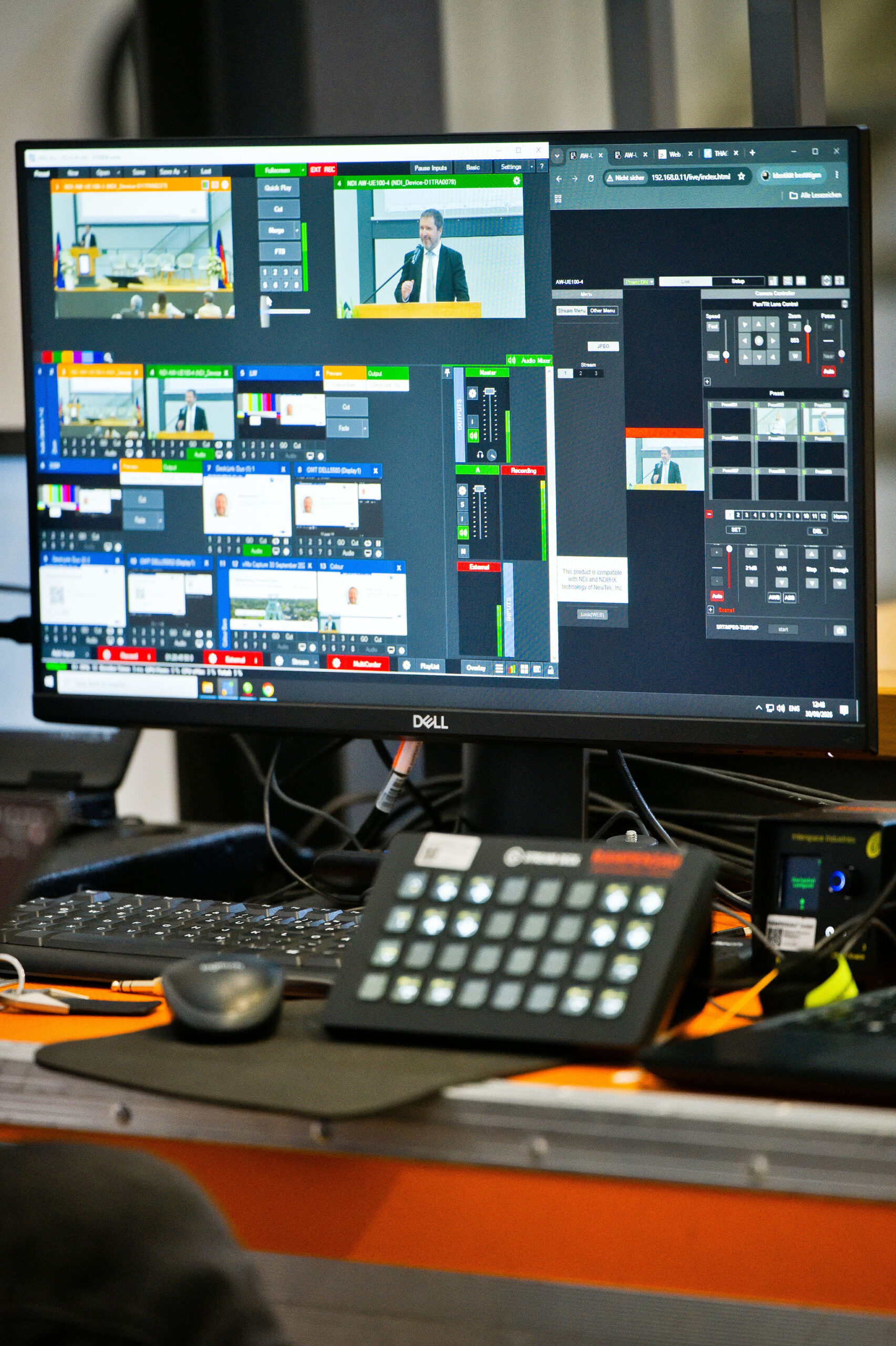
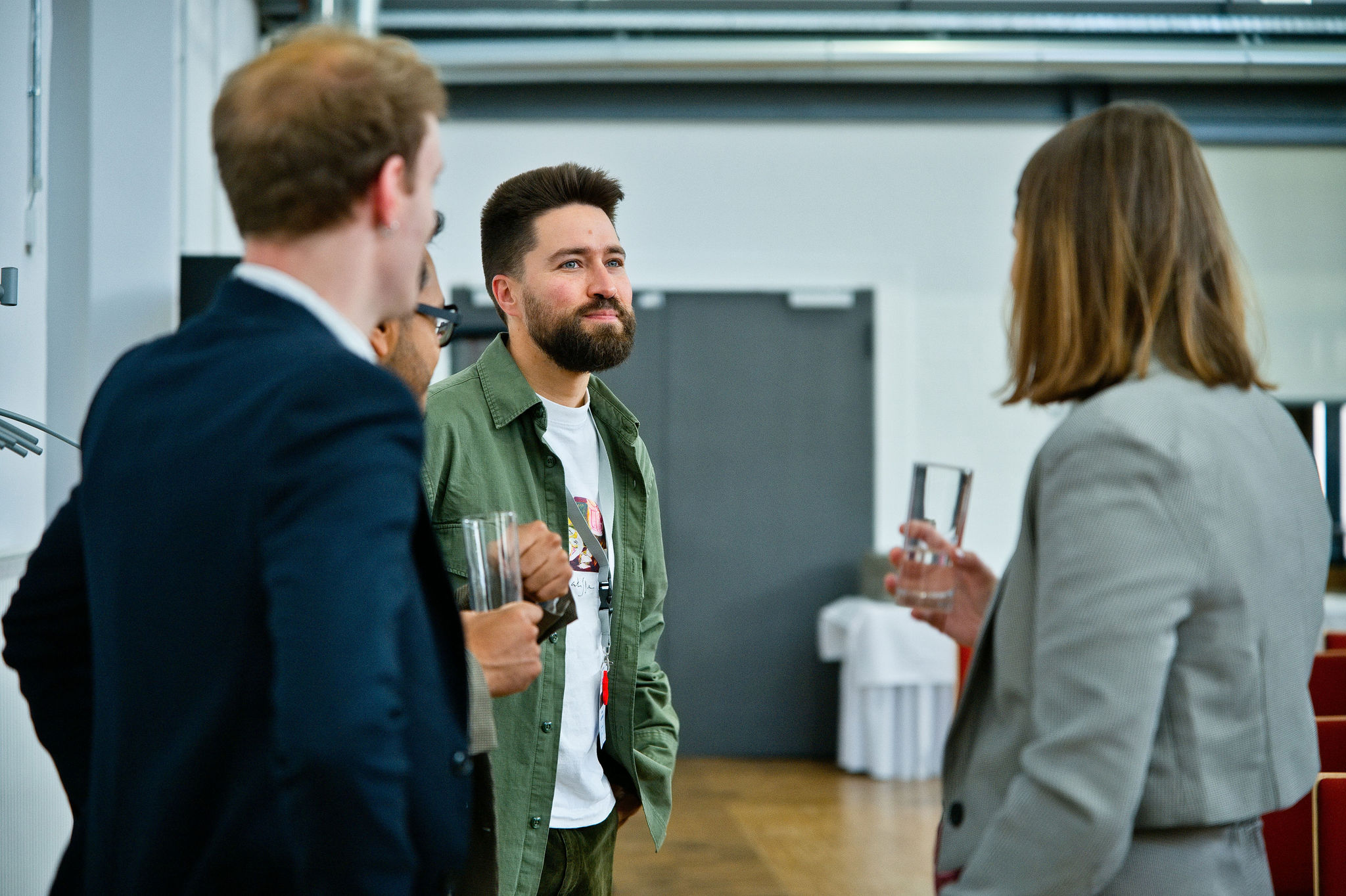
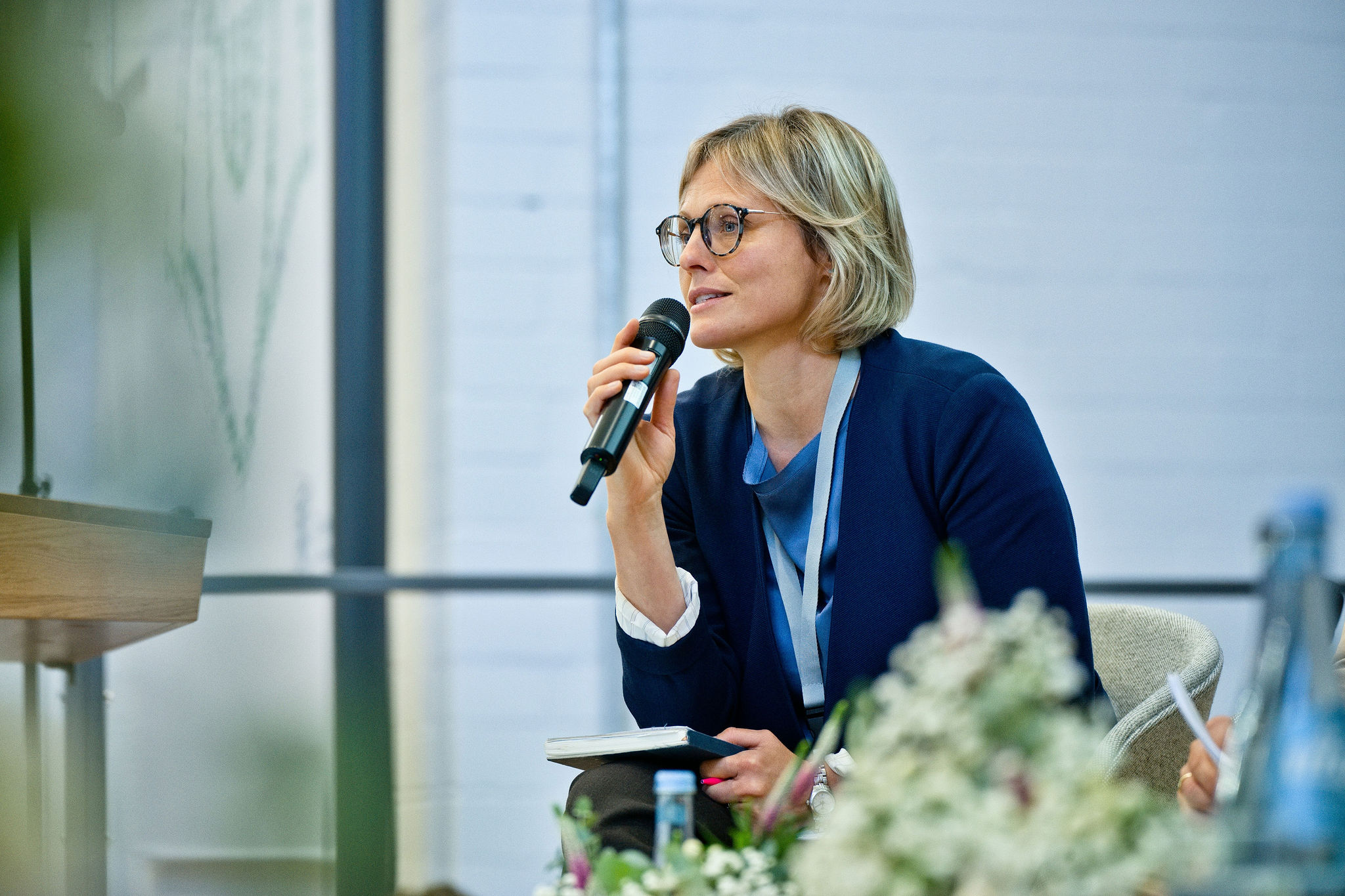
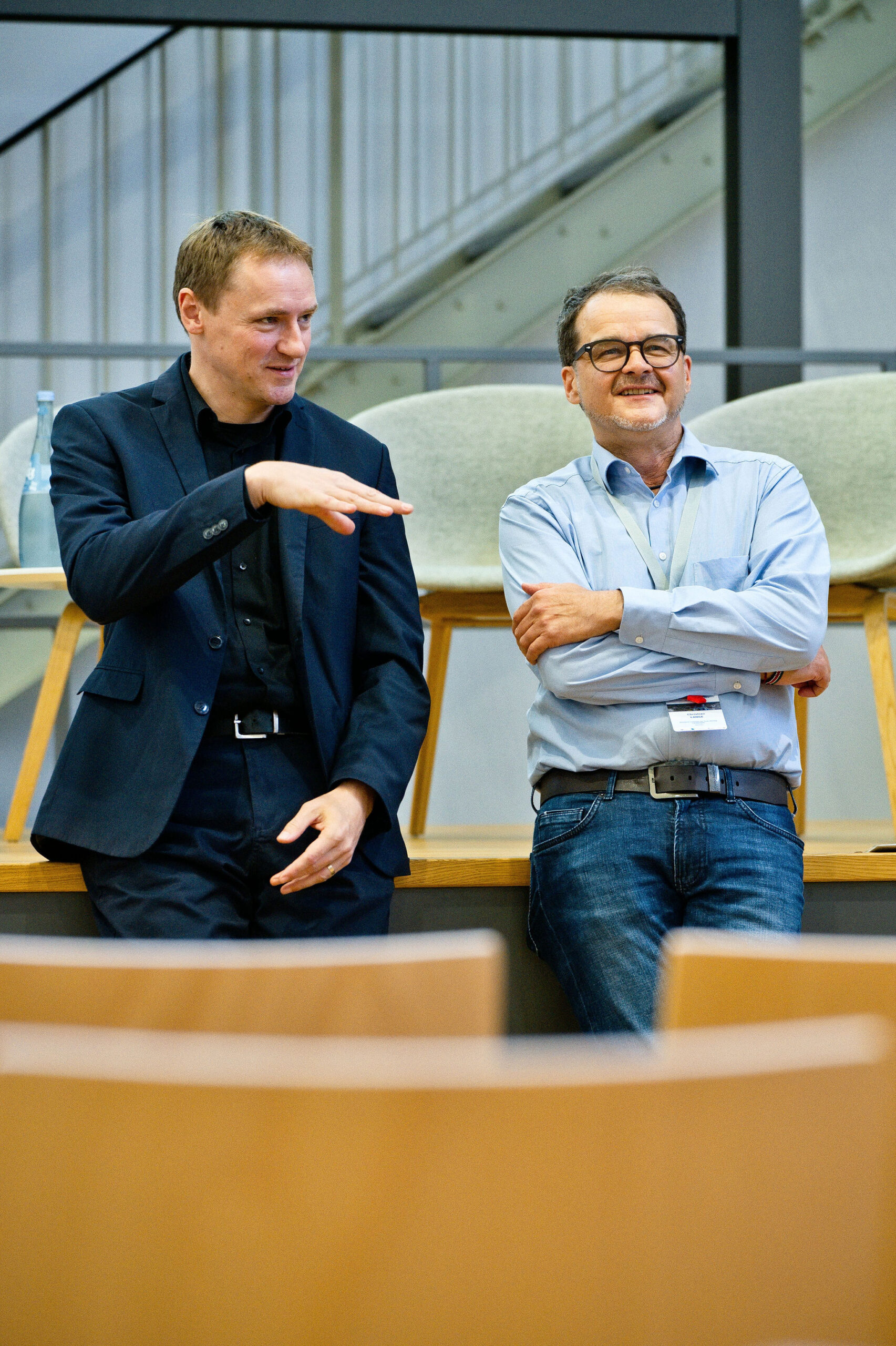
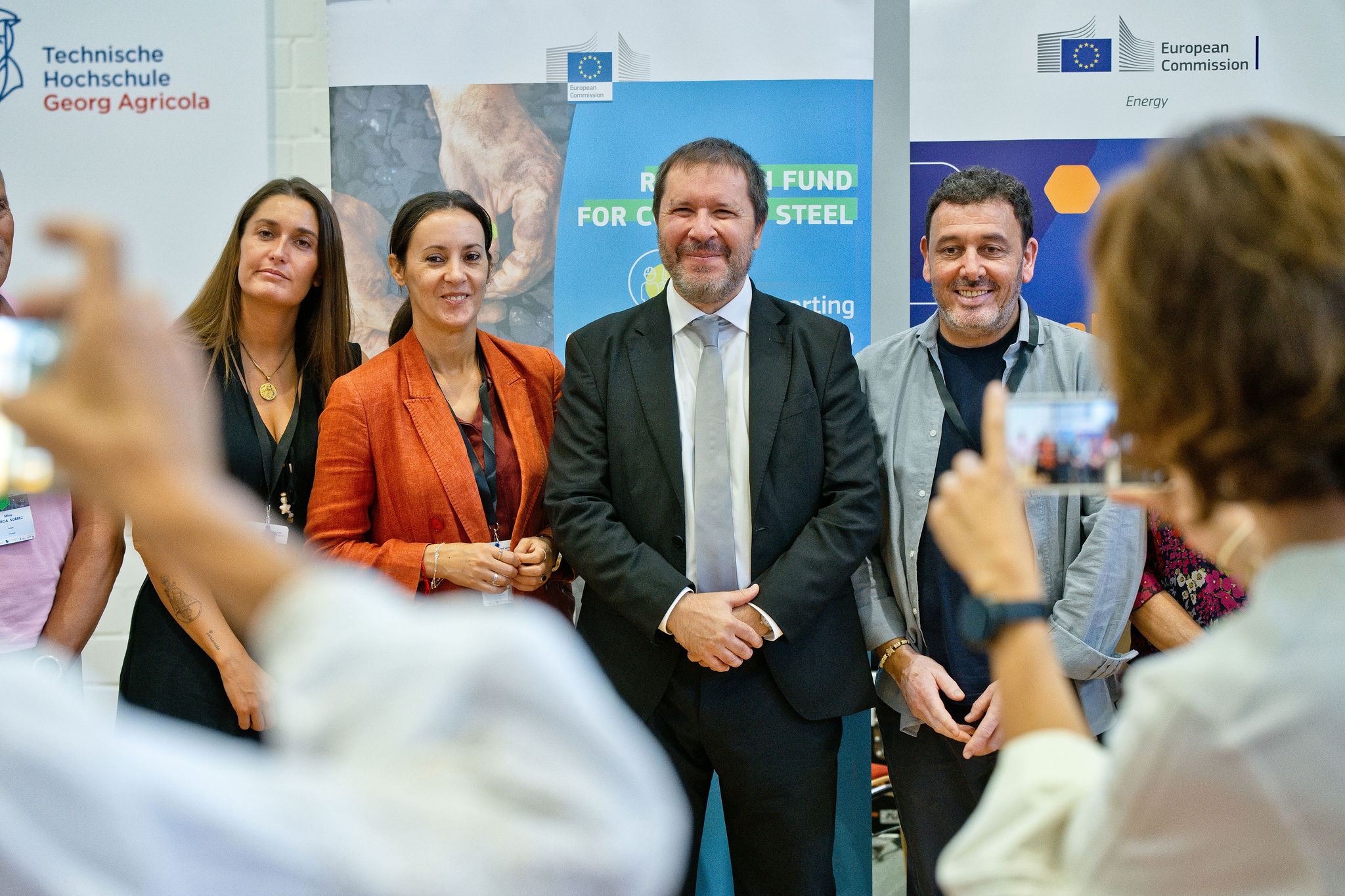
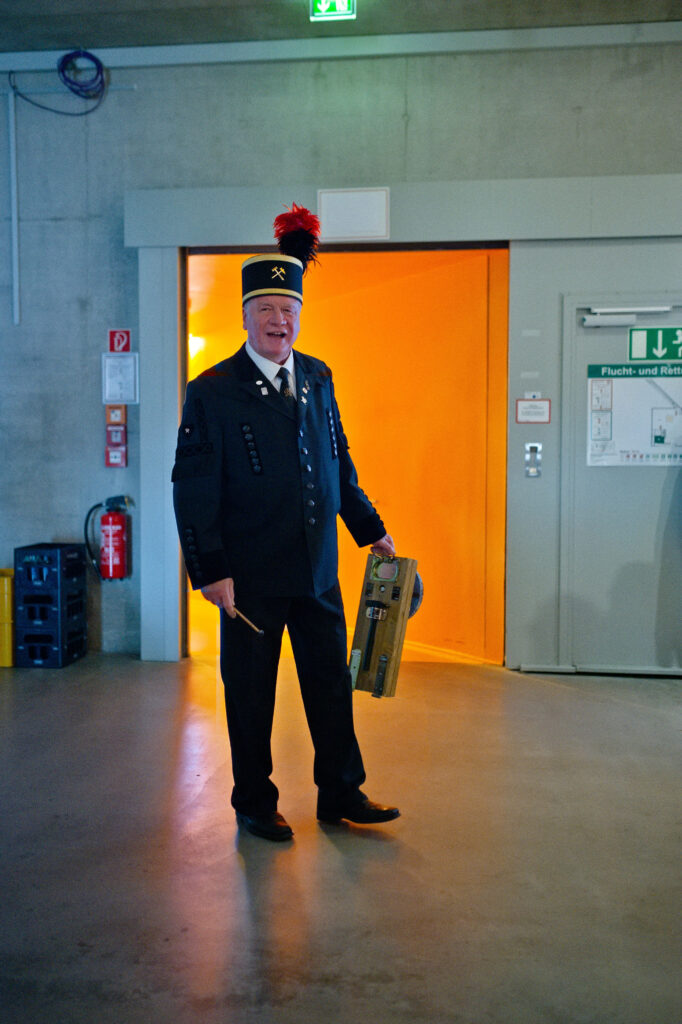
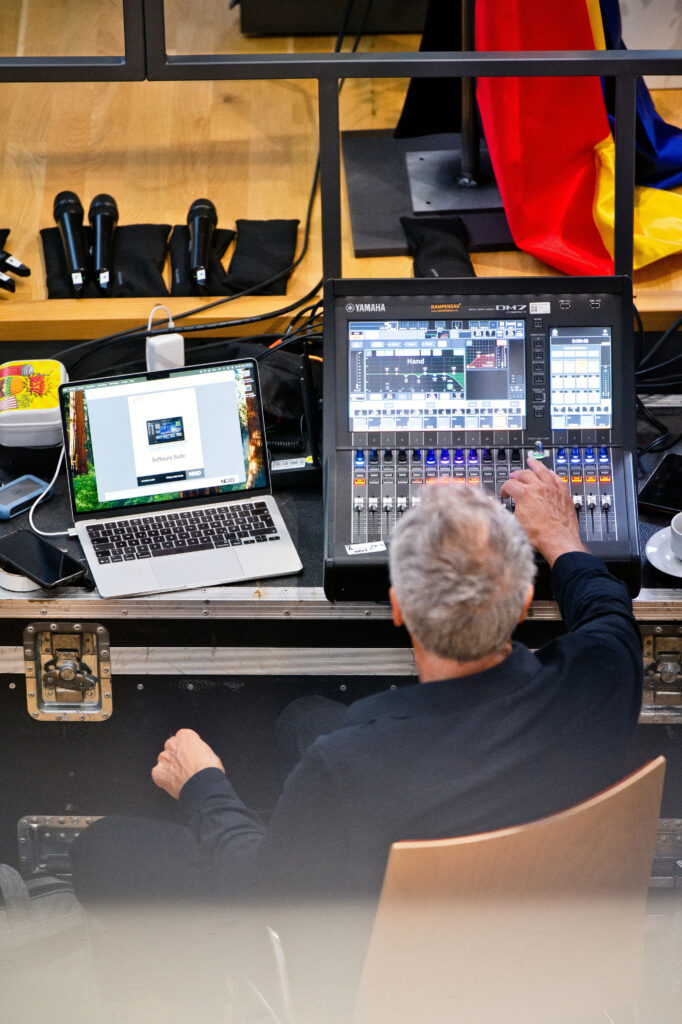
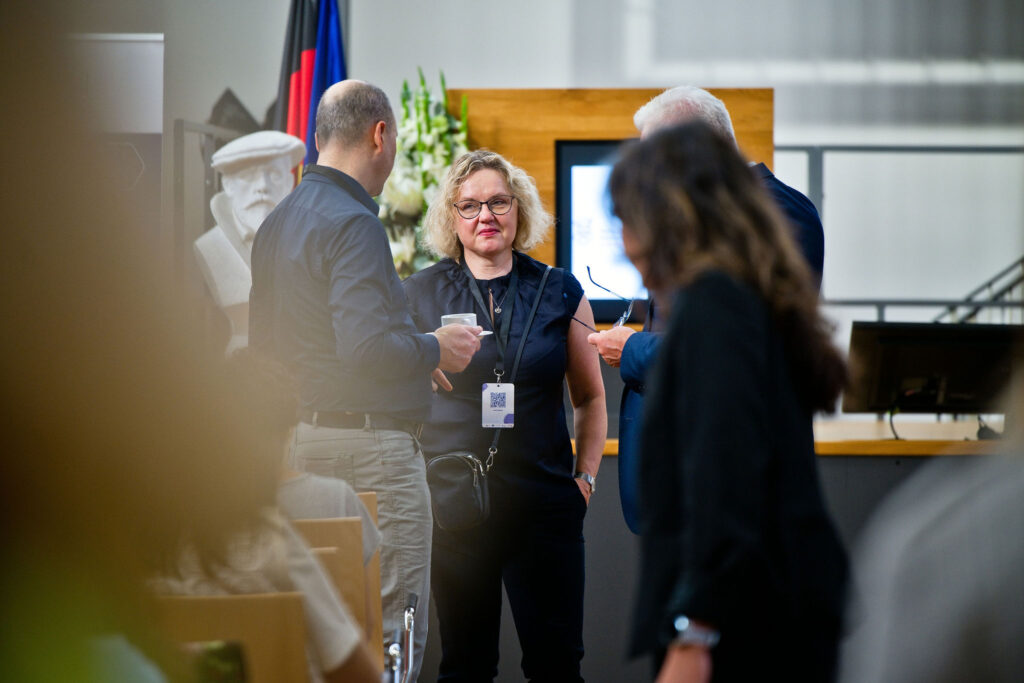
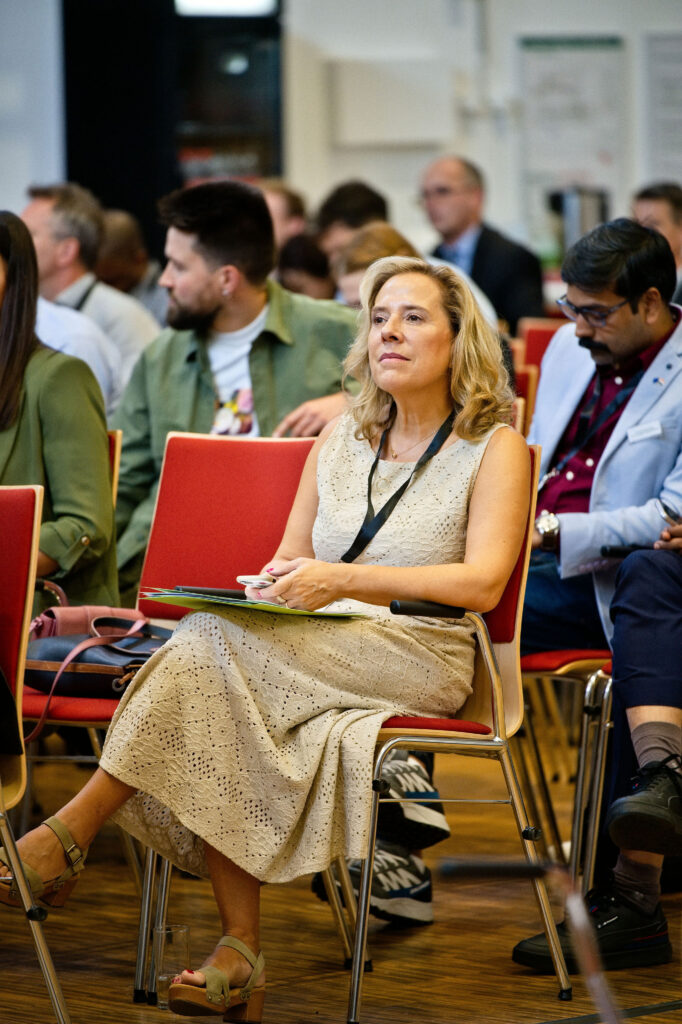
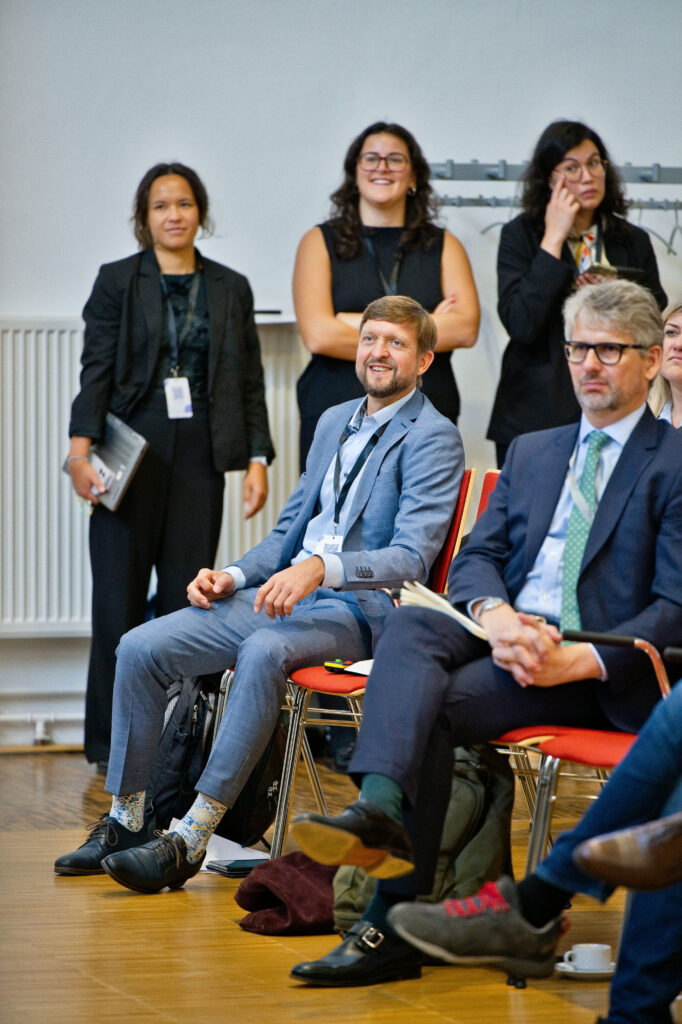
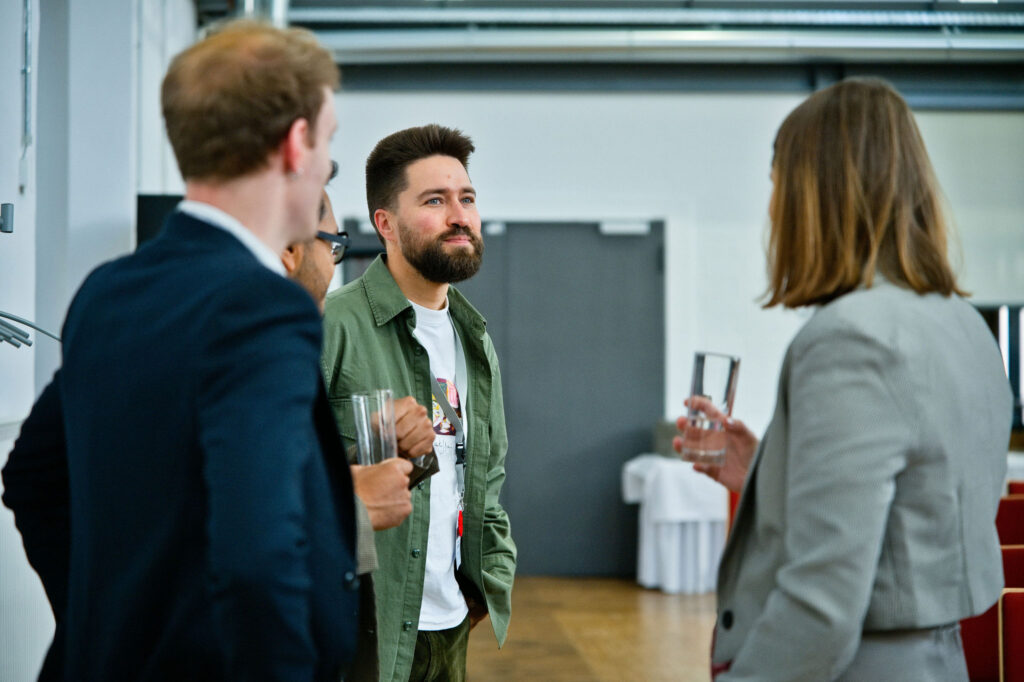
Impressions (Day 2)
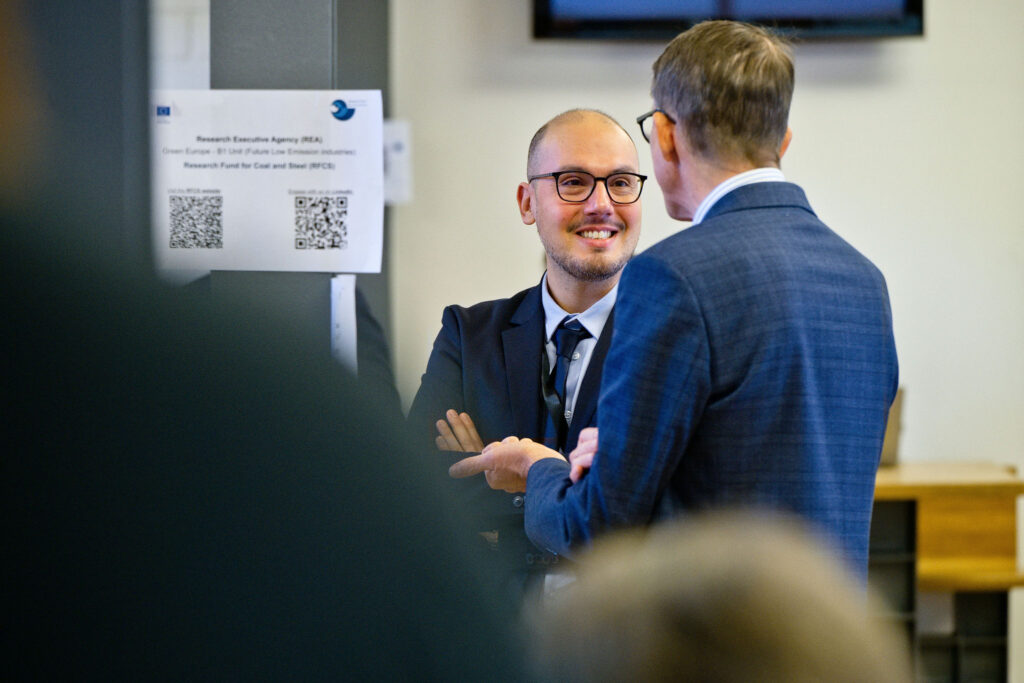
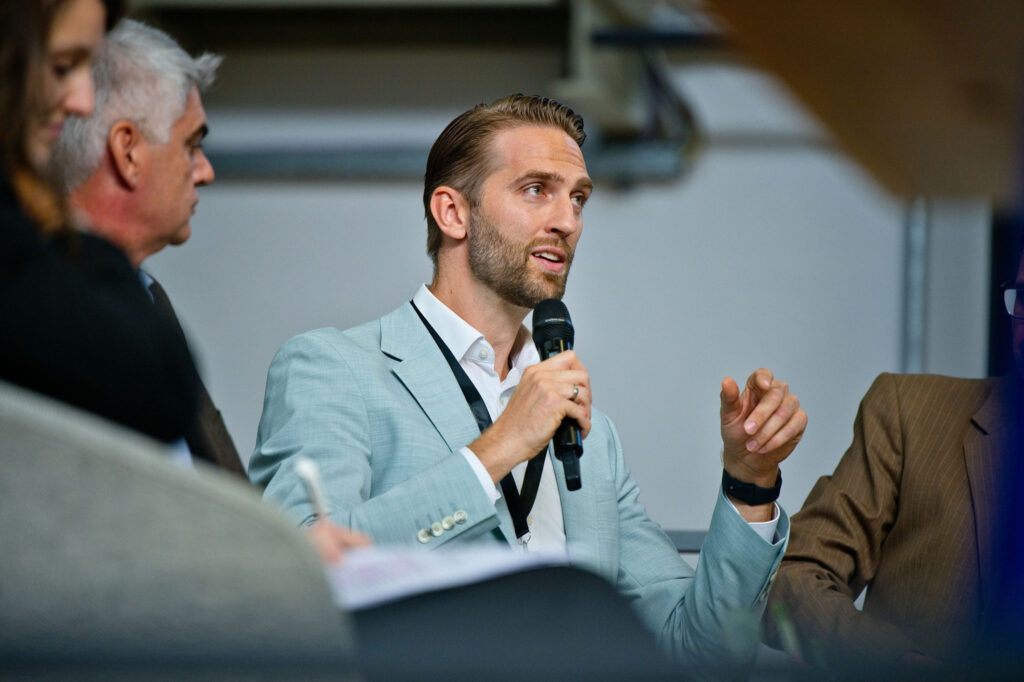
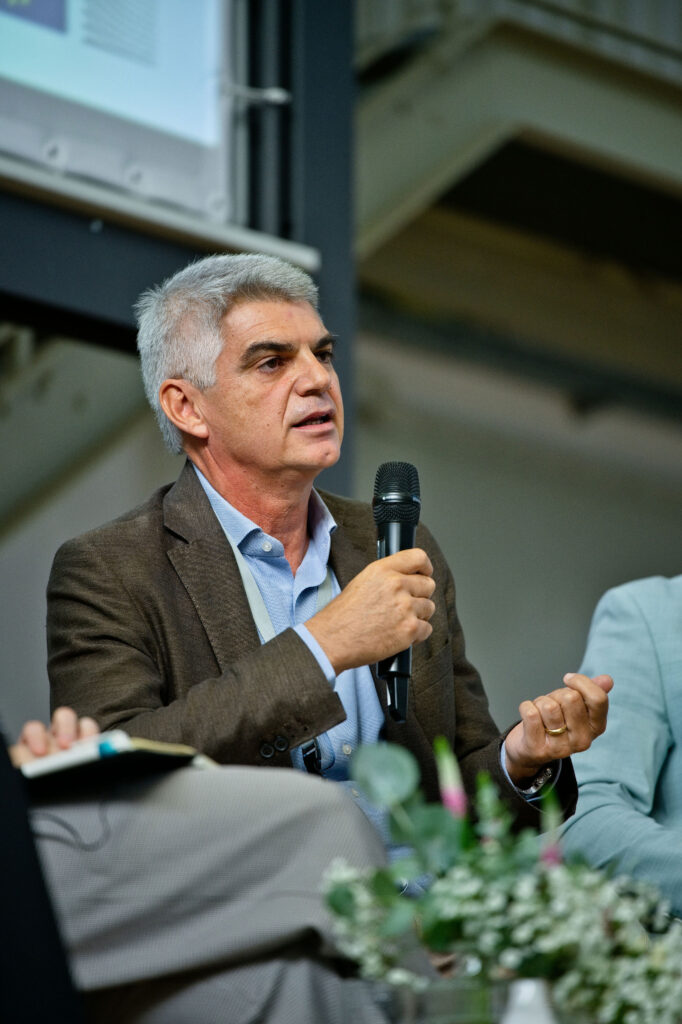
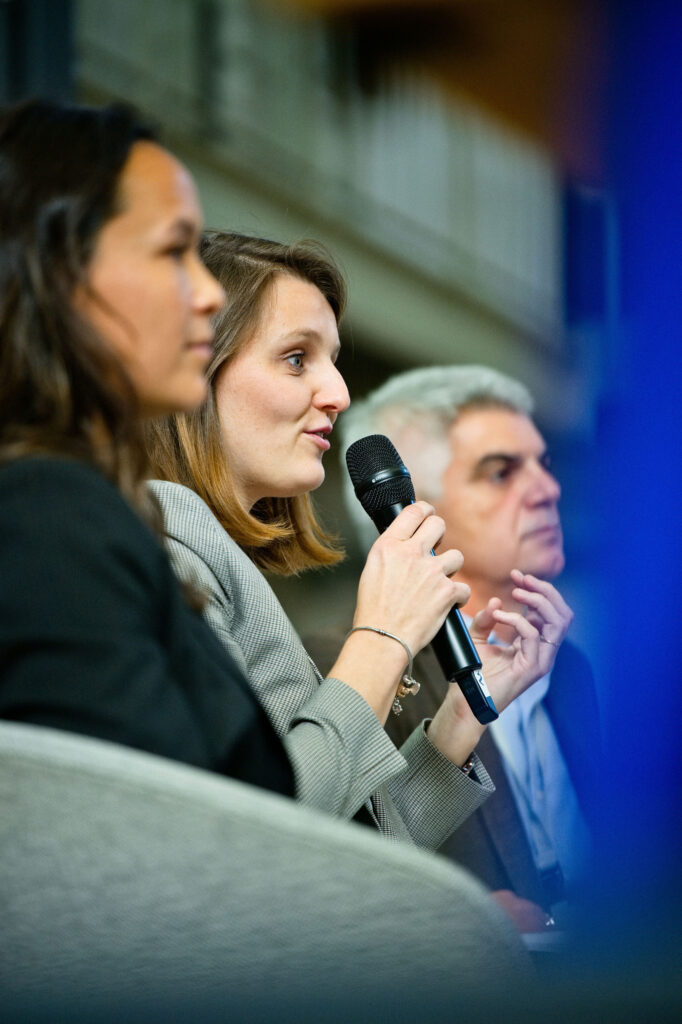
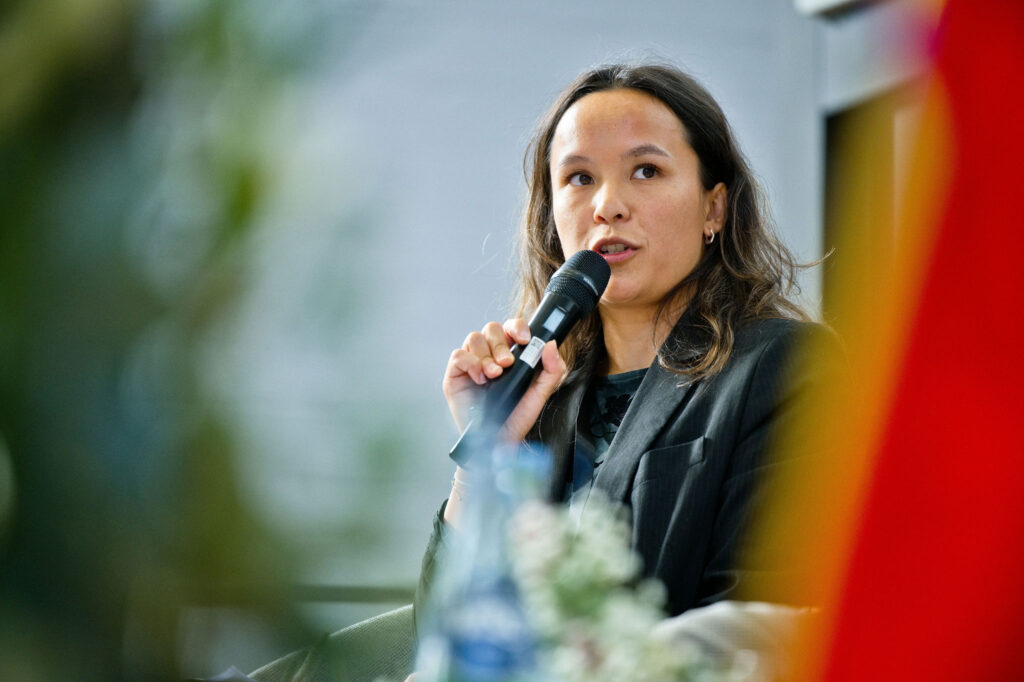
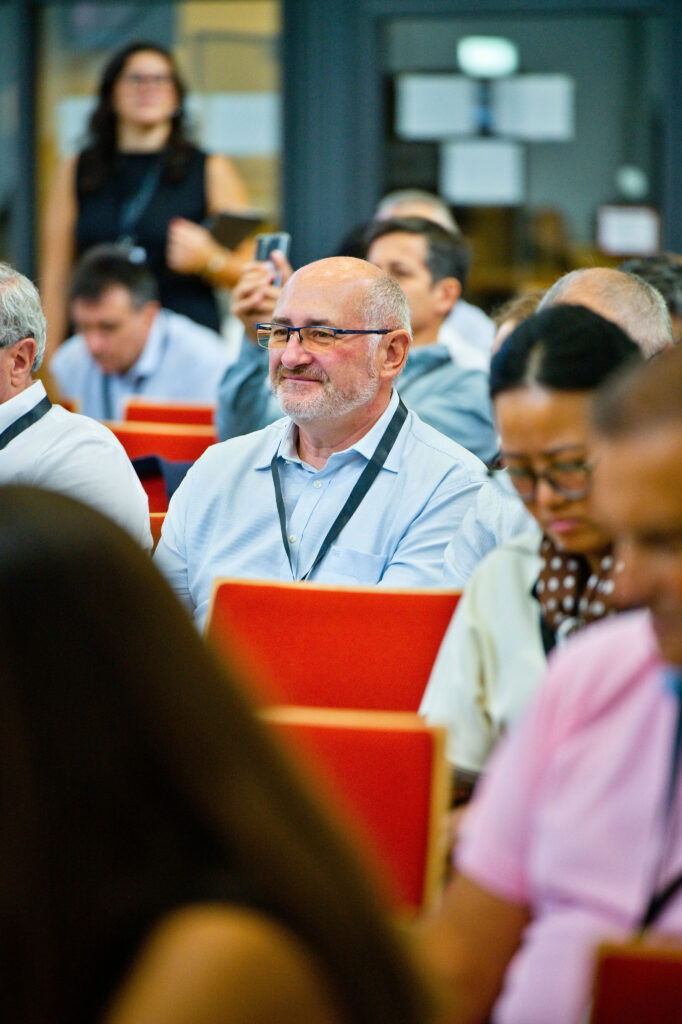
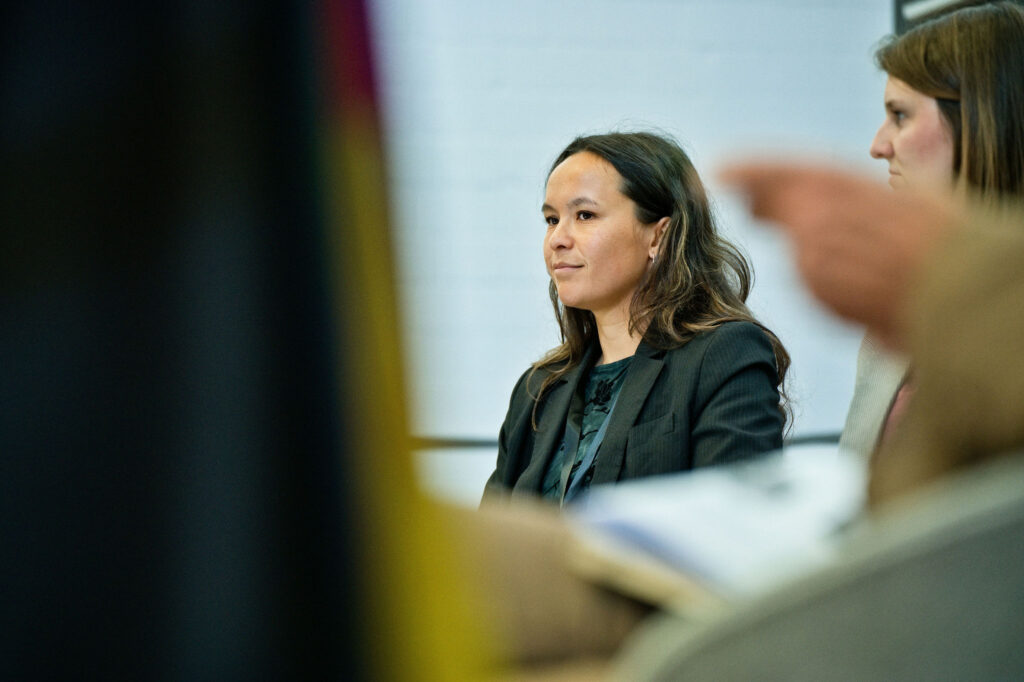
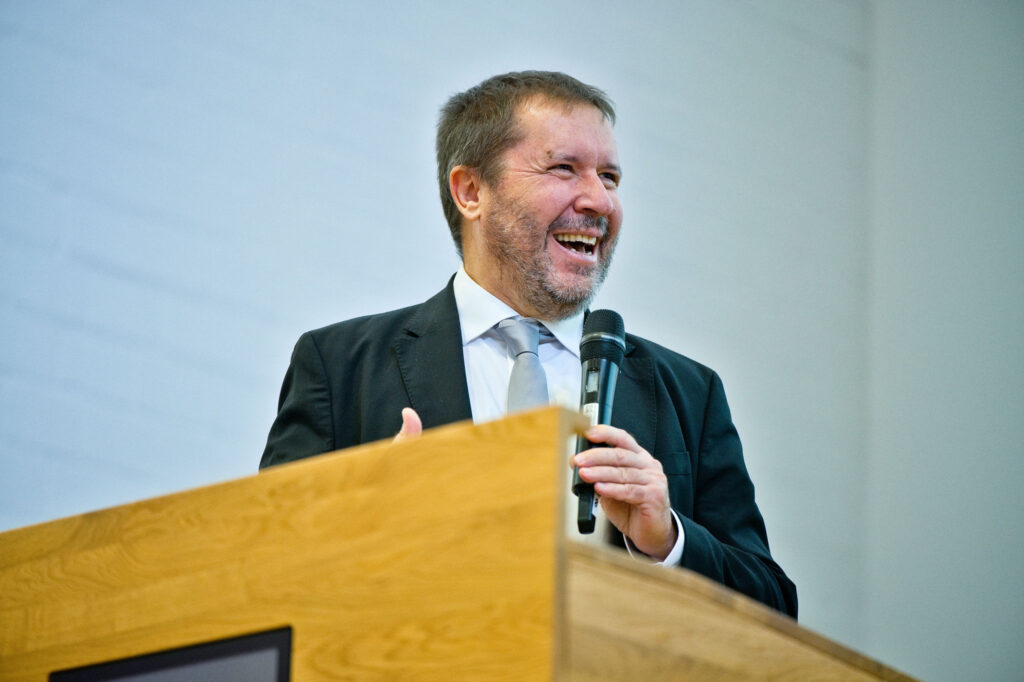
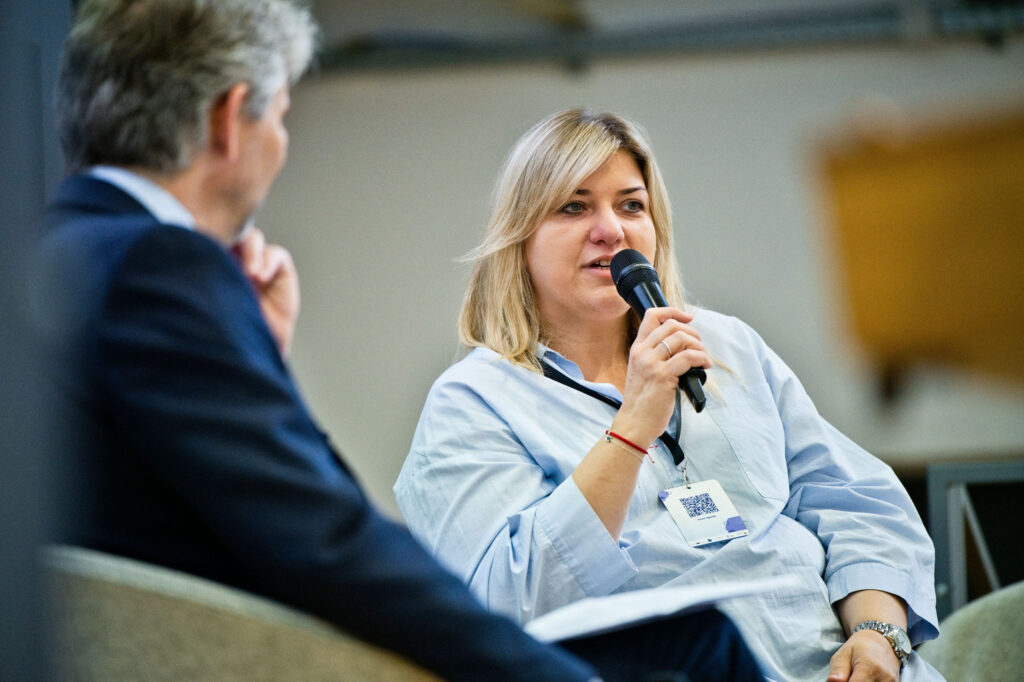
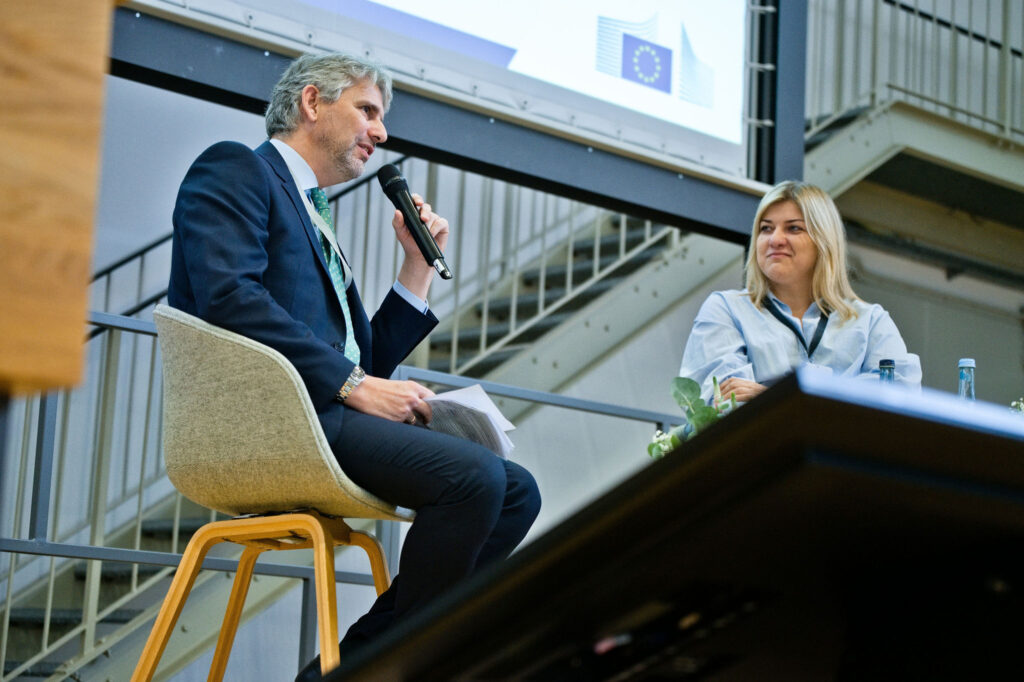
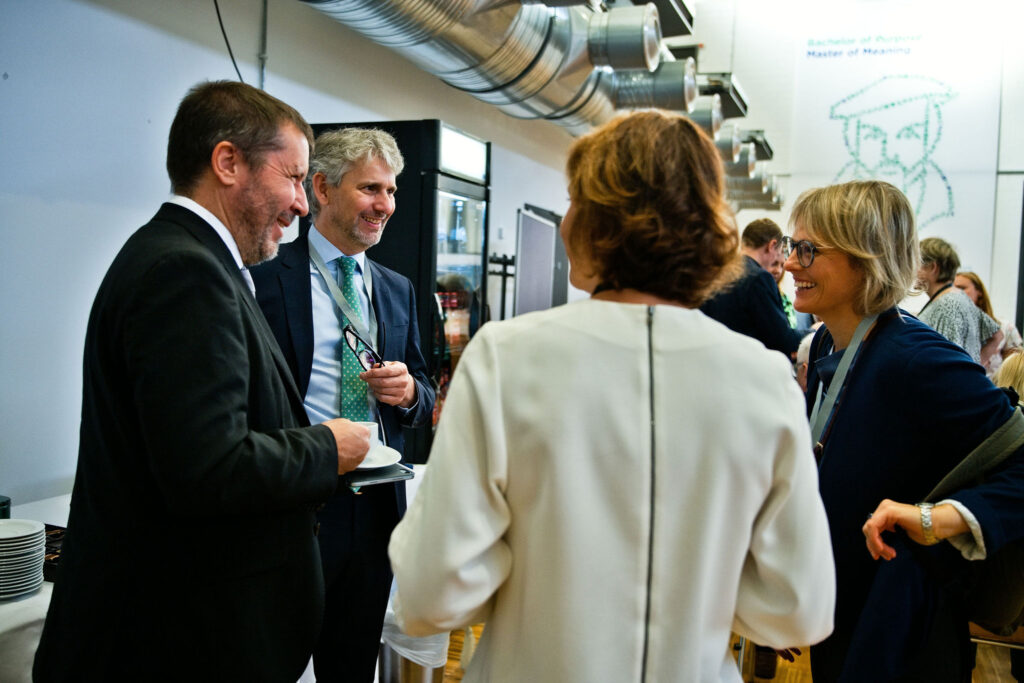
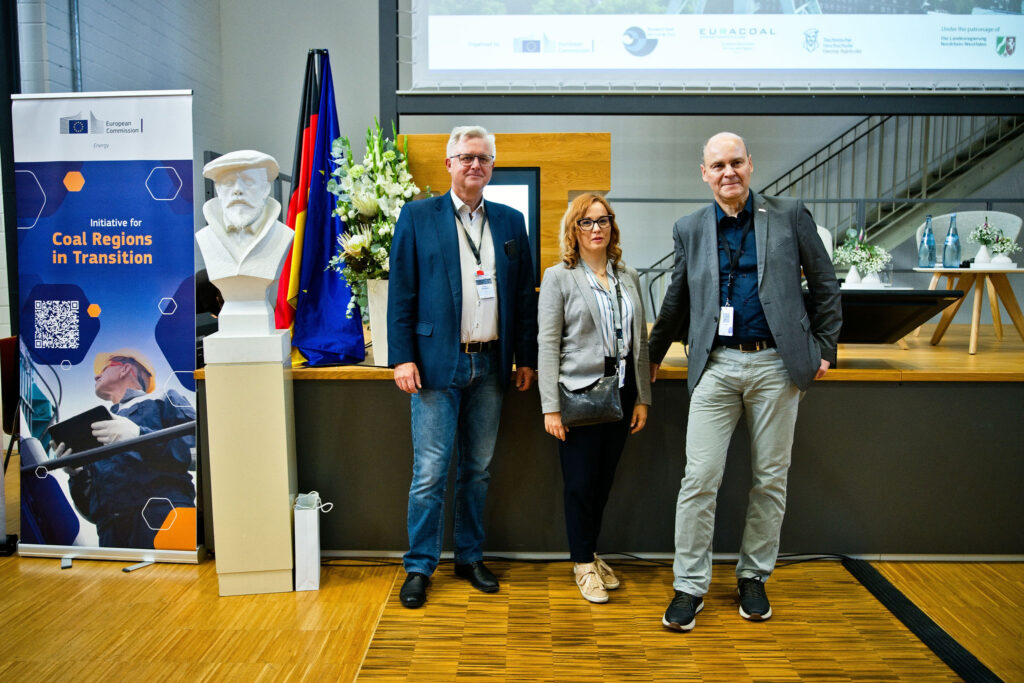
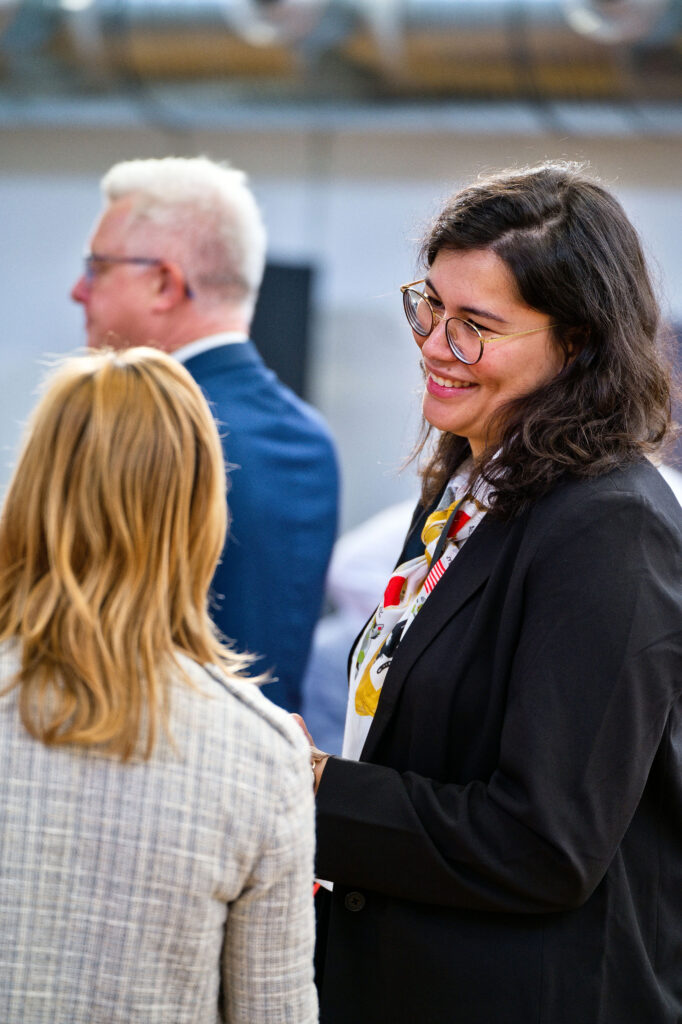
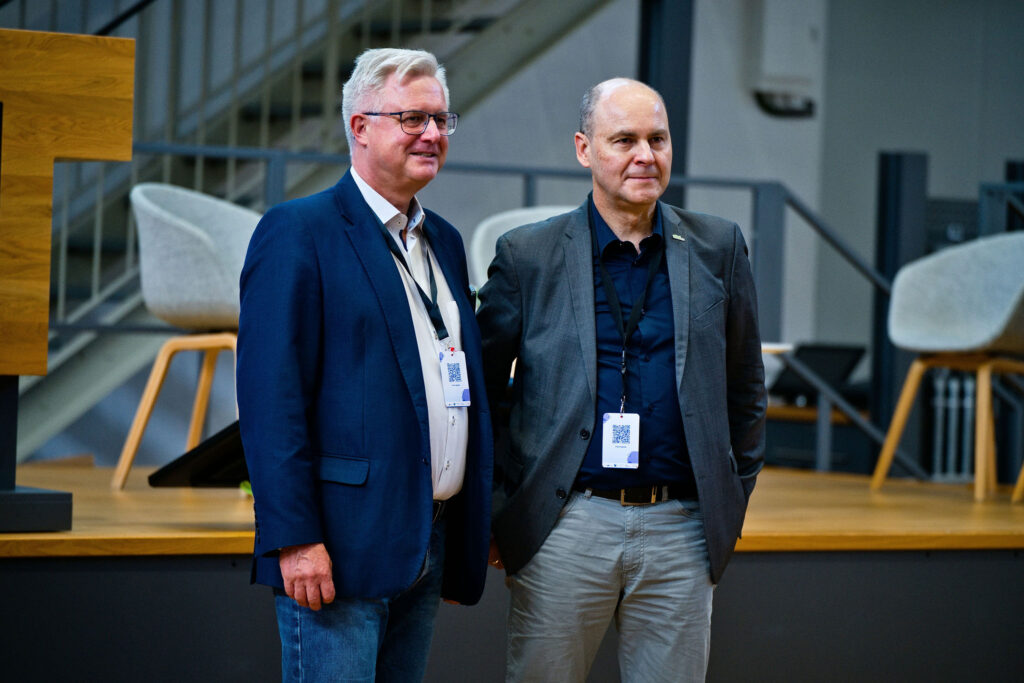
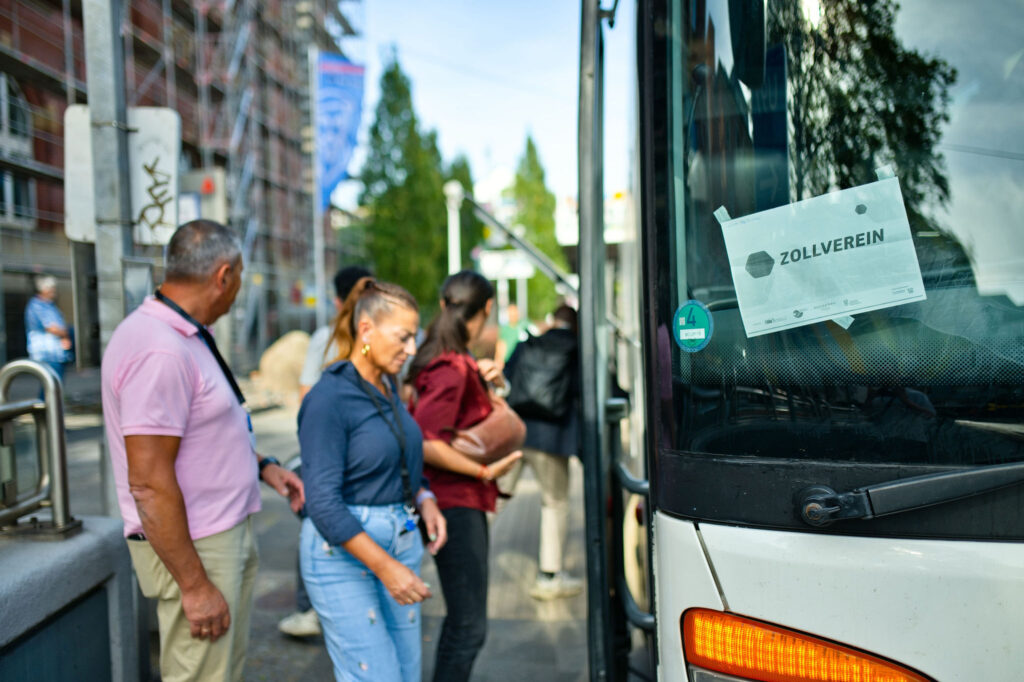
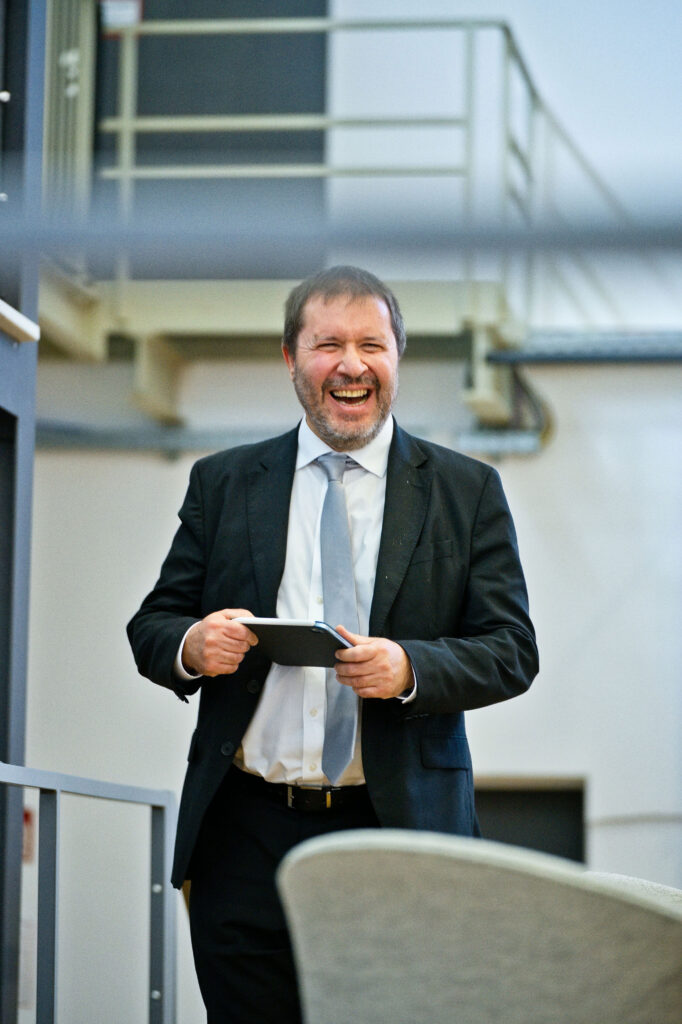
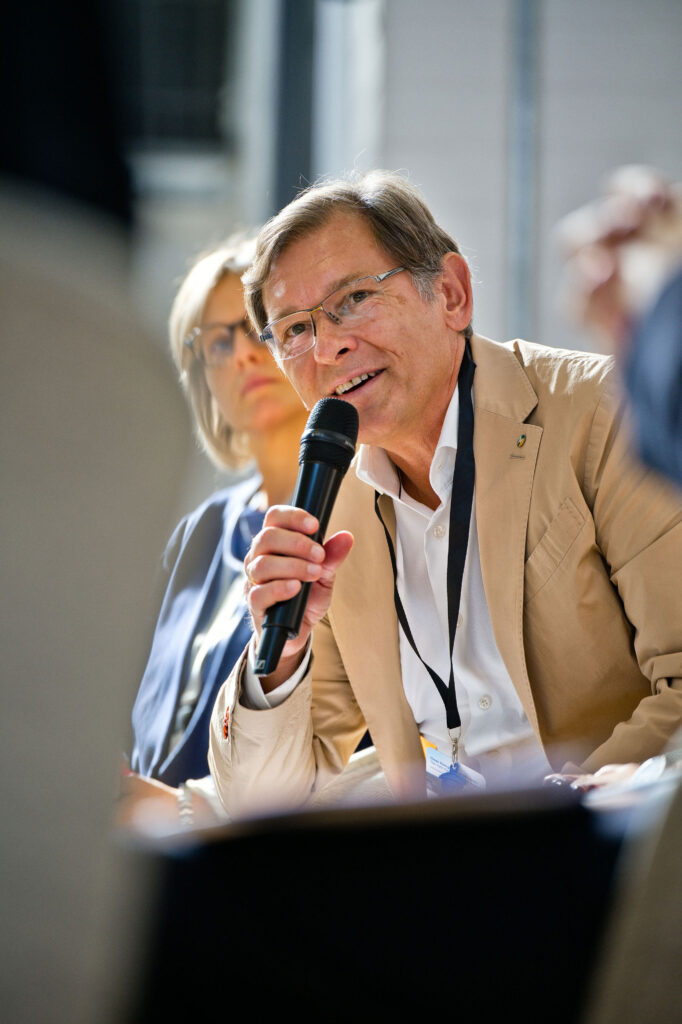
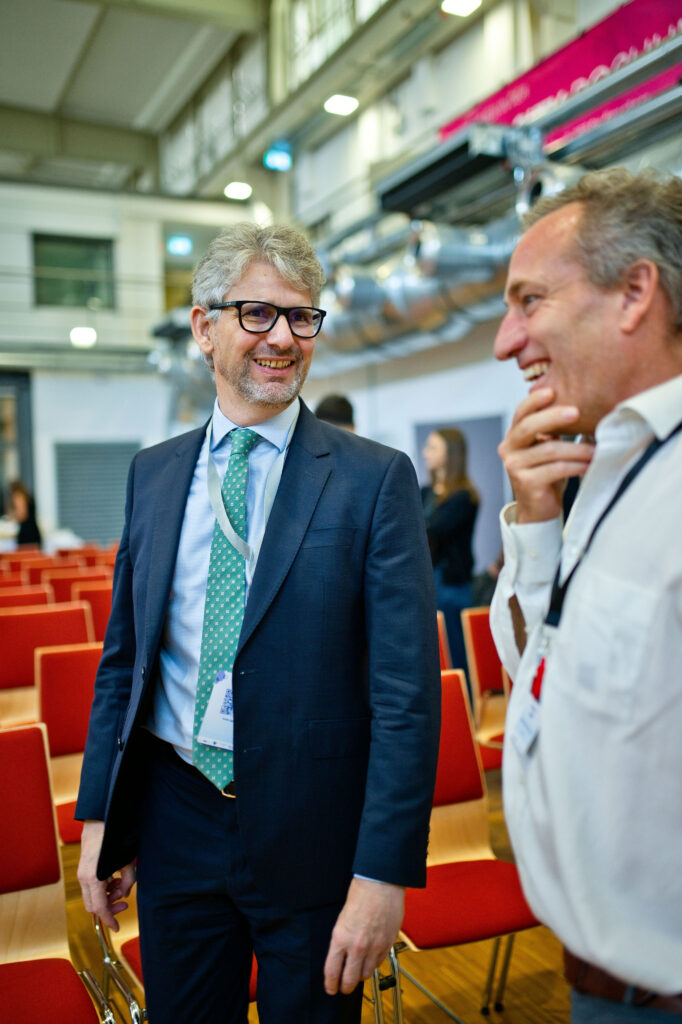
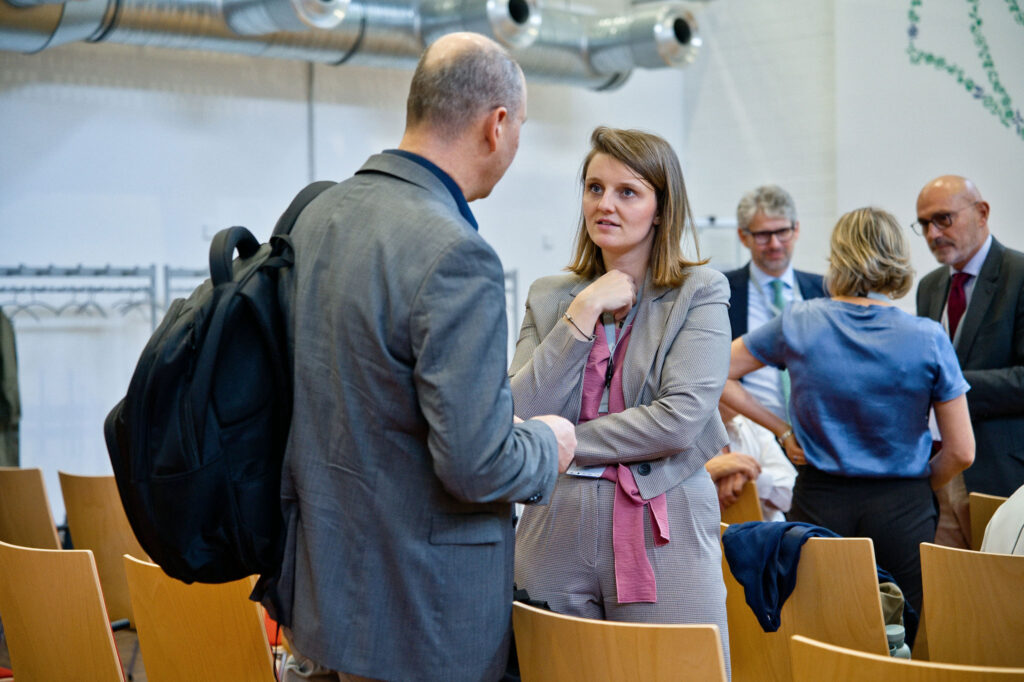
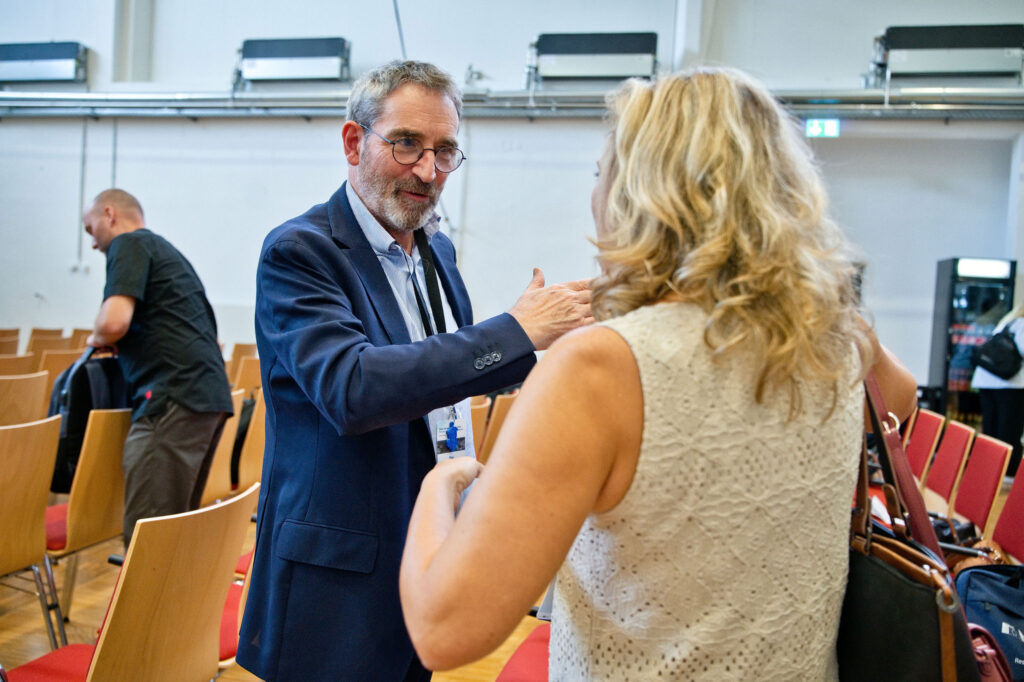
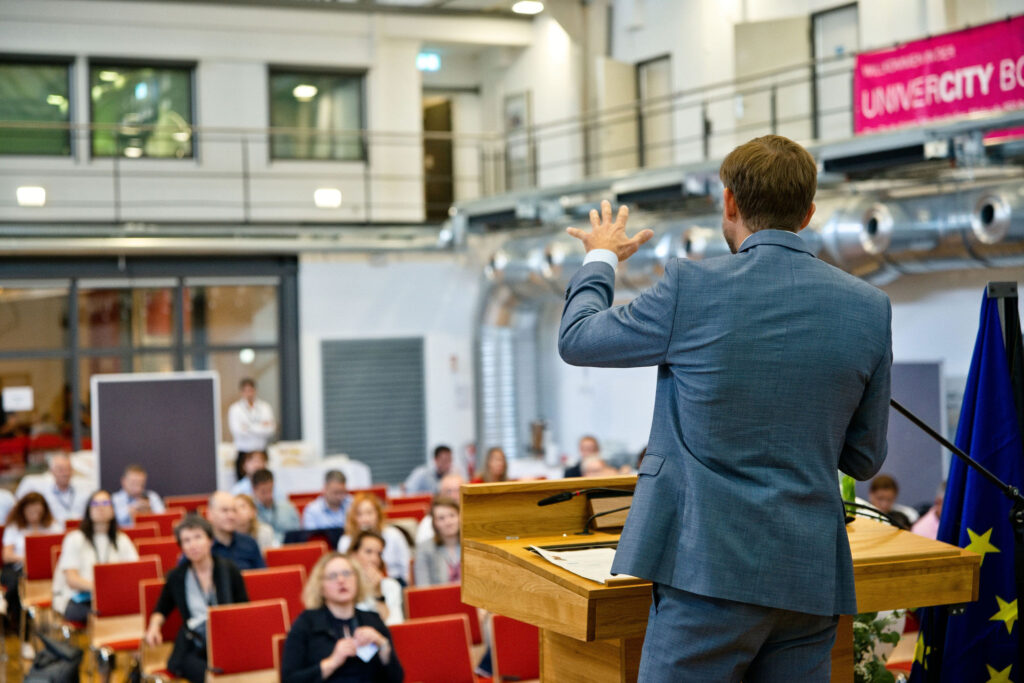
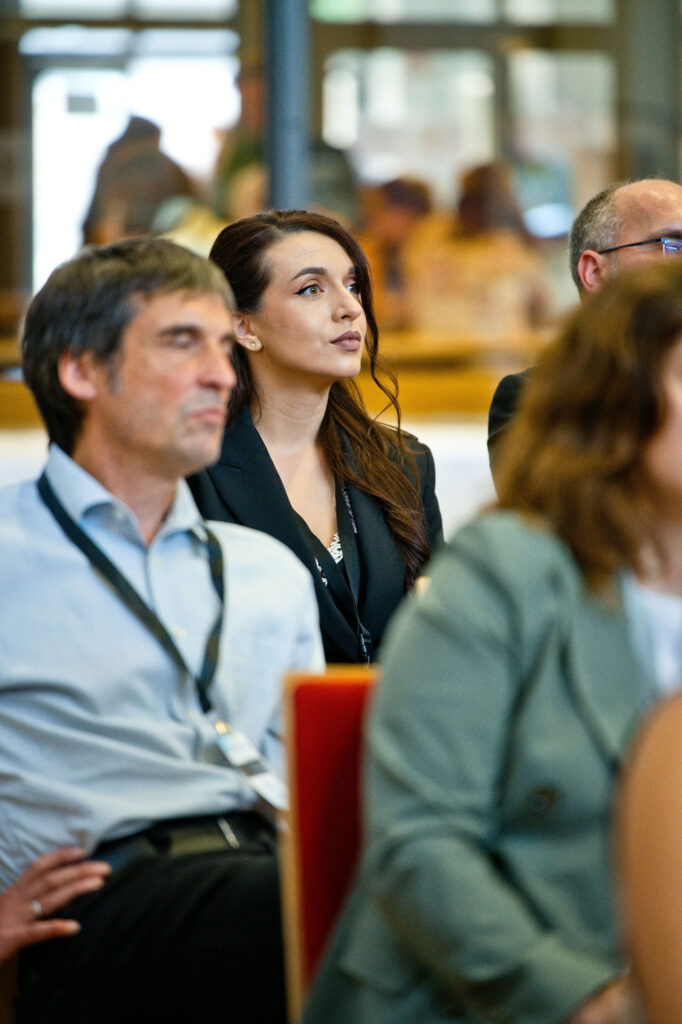
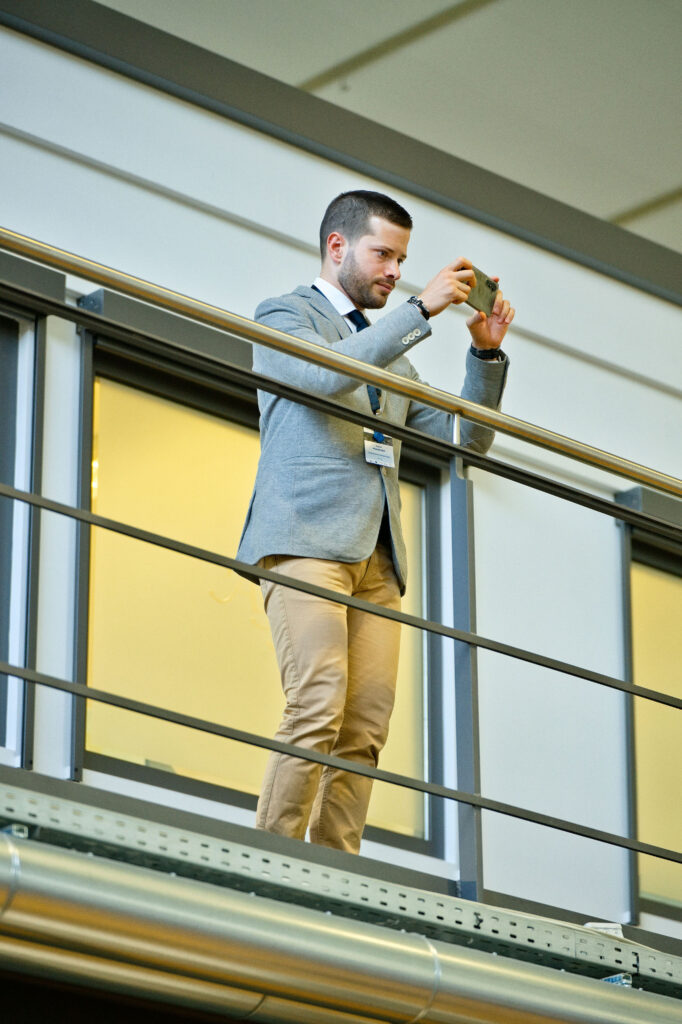
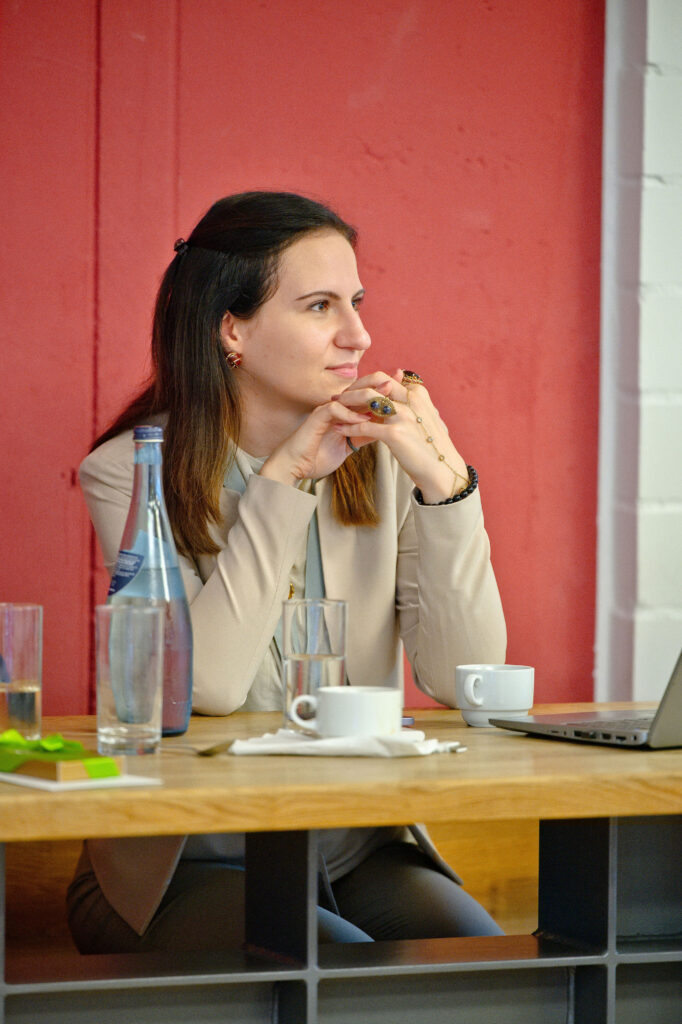
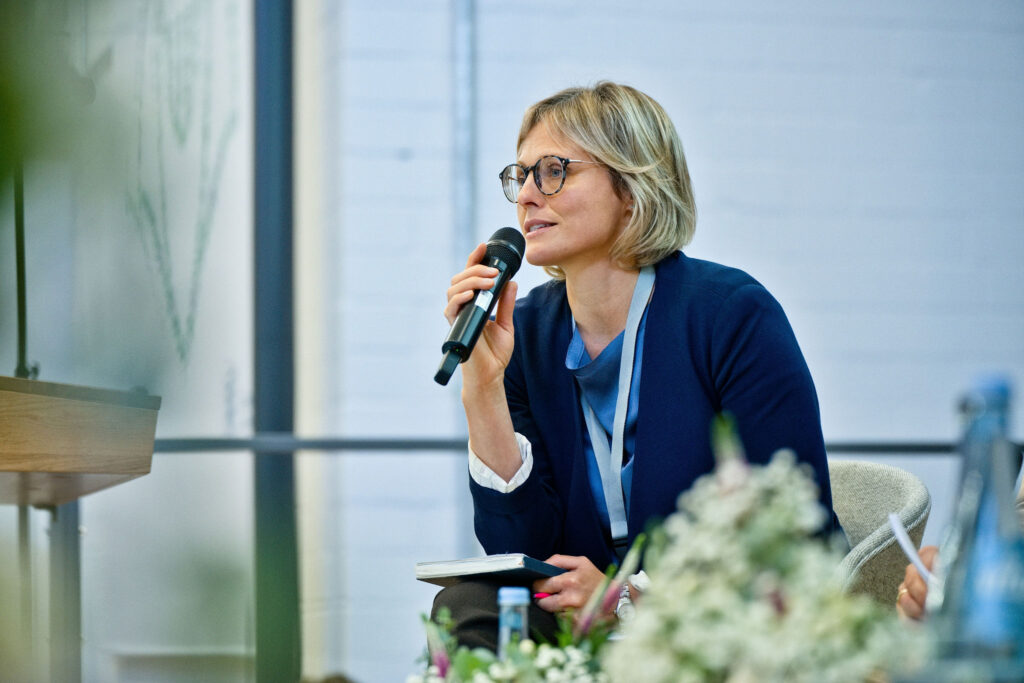
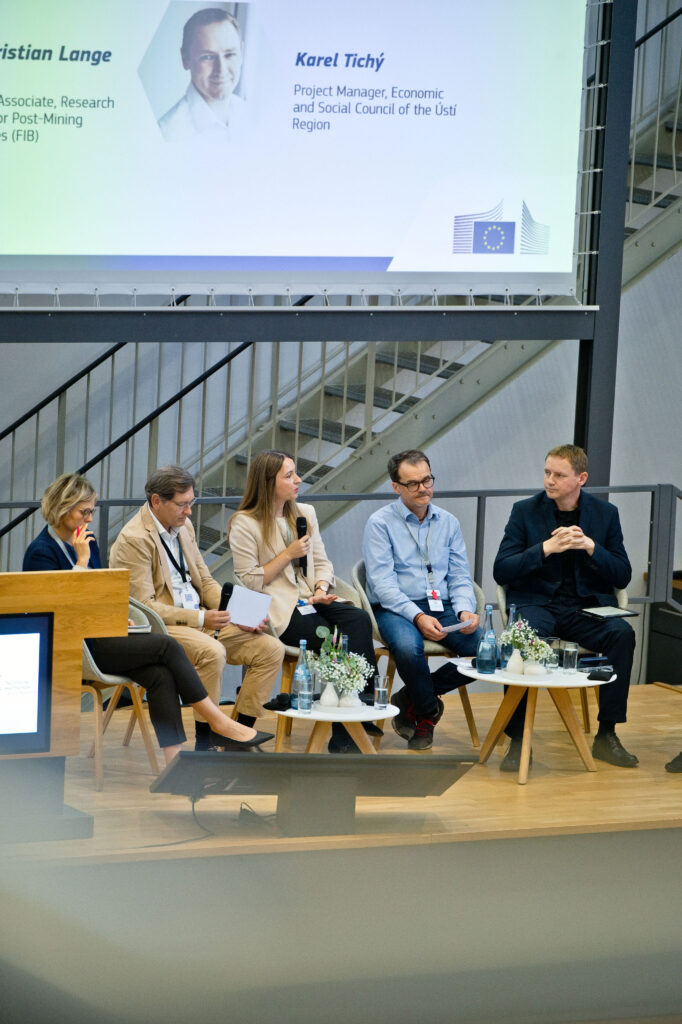

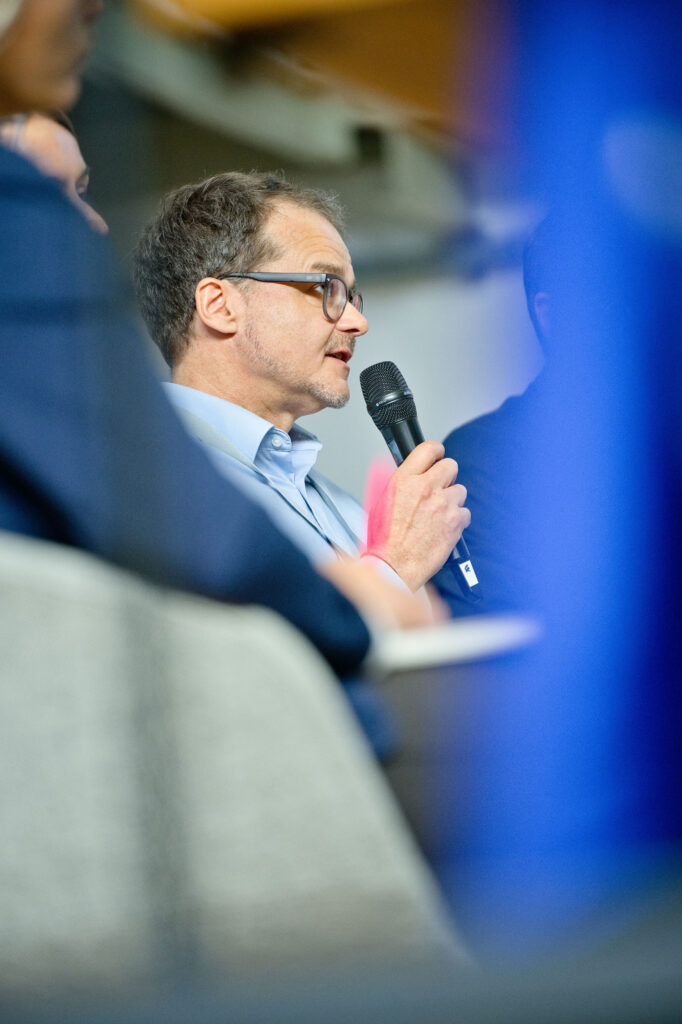
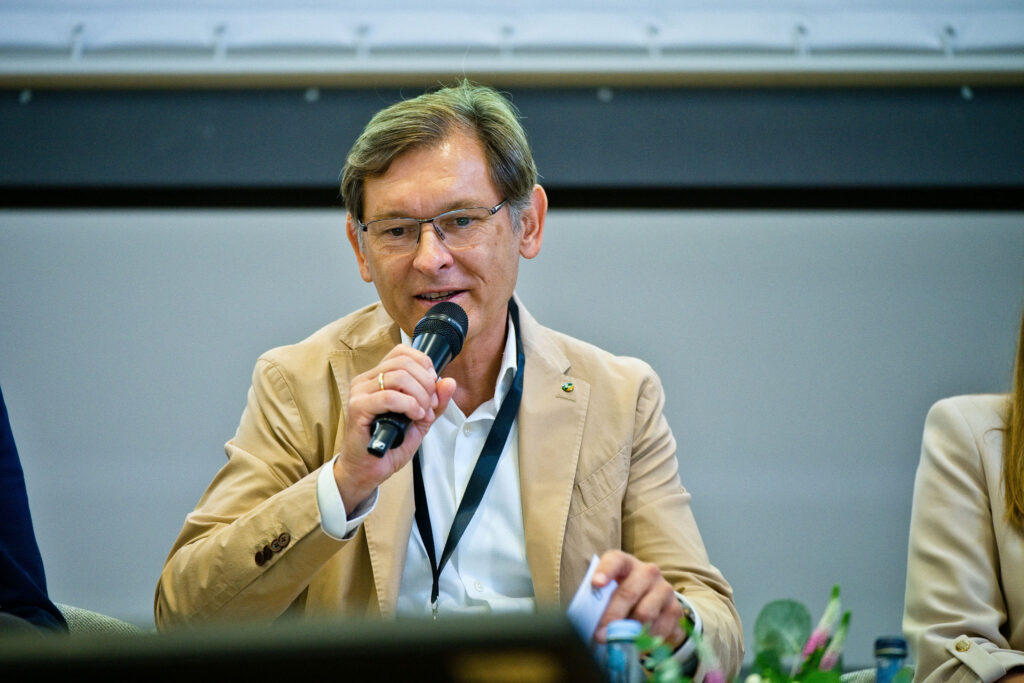
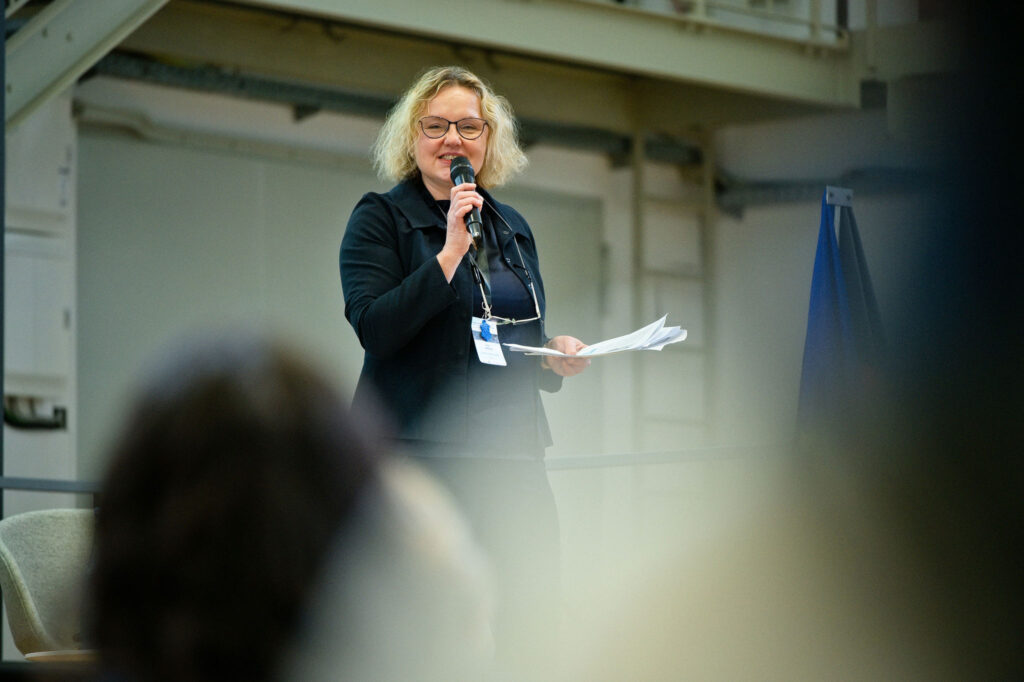
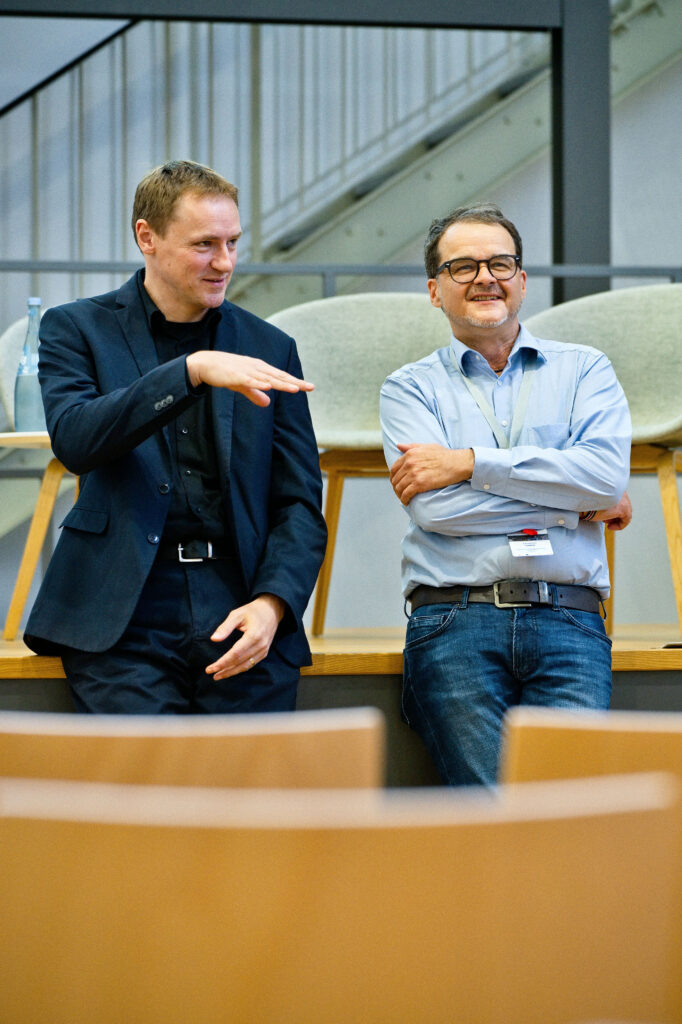
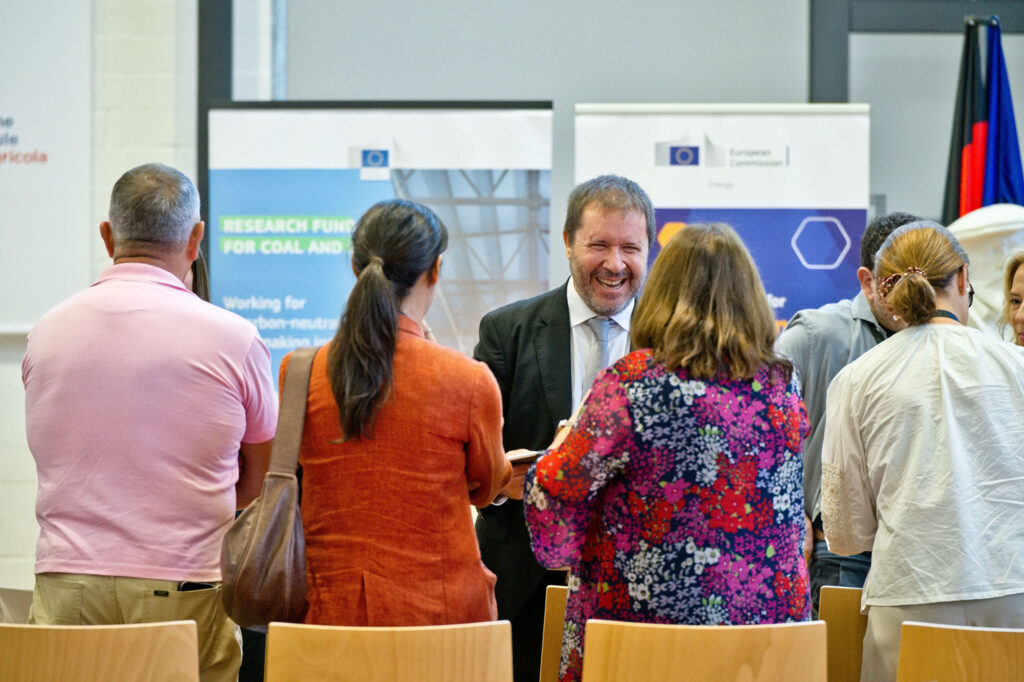
Photos: Donna und der Blitz / Max Wiegand
A Focus on Land Restoration, Water and Raw Materials
The second main focus of the first conference day was the remediation and sustainable development of post-mining sites. Discussions centred on land reclamation and ecological restoration, soil and water protection, risk management related to ground subsidence and rising mine water, and the recovery of valuable and critical raw materials from mining waste.
Dr. Julia Haske, Head of the “Land Use & Transition” research area at THGA’s Research Centre of Post-Mining, contributed her expertise to this discussion. She was responsible for organising the conference on behalf of THGA, helping to link European research, regional practice, and policy dialogue. In her presentation, she introduced the RFCS project POTENTIALS , which investigates development opportunities for decommissioned coal mines and coal-fired power plants and examines how these sites can be opened up for new long-term uses. She also presented CRMsDataSpace – an initiative that supports the management of data on critical raw materials and can thereby contribute to strategic raw-material security.
Further contributions explored the rehabilitation of post-mining sites, including the project REECOL– as well as approaches to using residues from lignite mining for traditional and innovative building materials through the project PRIMI. It became clear that successful ecological restoration can combine nature conservation and climate action with new uses for energy, commercial activities, culture, recreation, and sustainable industry.
European Perspectives for Regions in Transition
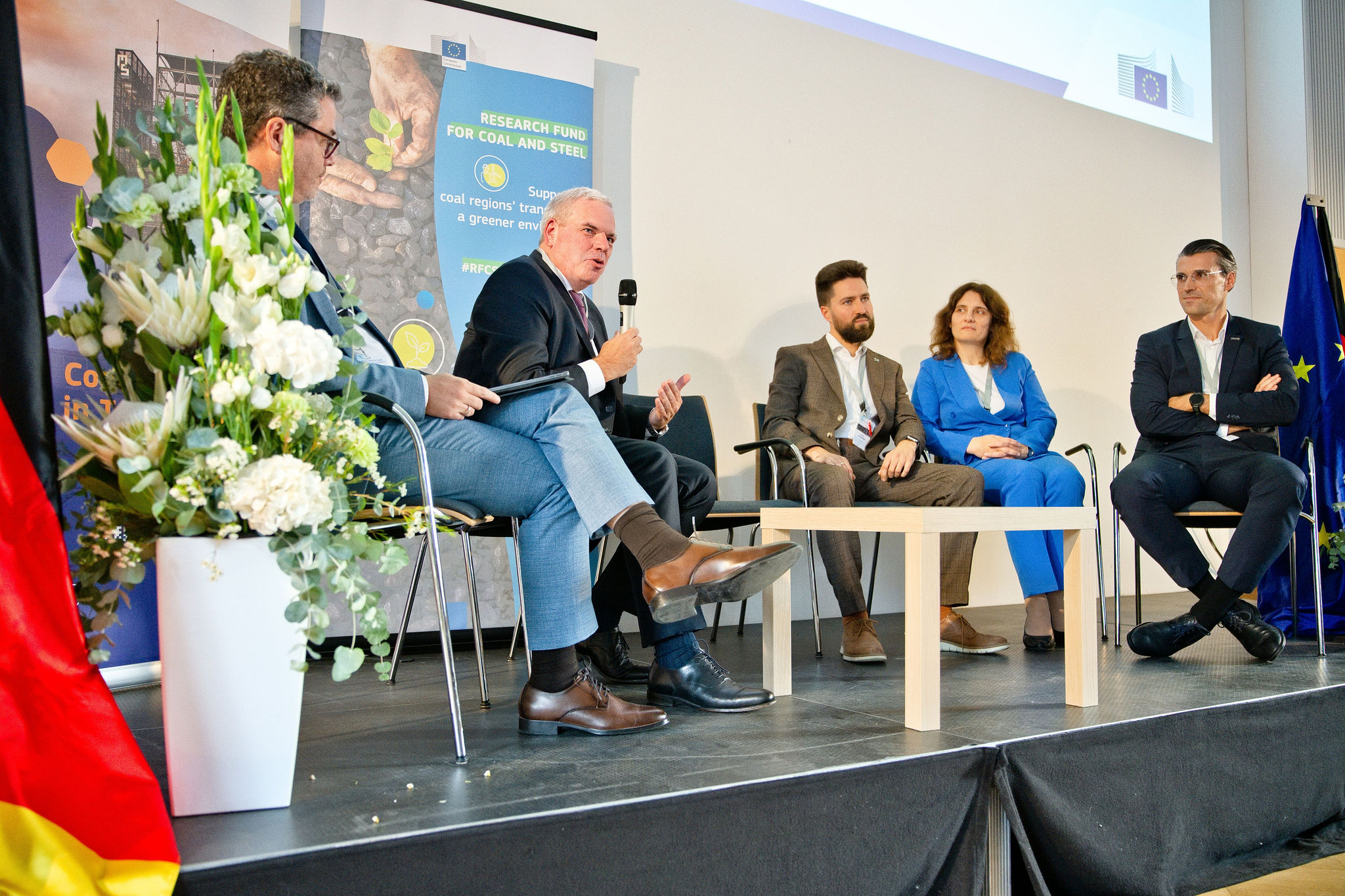
The second conference day at THGA, under the umbrella of the Coal Regions in Transition Initiative focused on policy and the practical implementation of policy objectives. In dialogue with representatives of the European Commission, participants explored which policy frameworks are needed to ensure that research-driven impulses have a real impact on the ground. Alejandro Ulzurrun, Acting Director at the European Commission’s Directorate-General for Energy, explained the importance of European energy policy for coal regions. Together with Cyril Robin-Champigneul, Deputy Head of Unit for Industrial Transformation at the Directorate-General for Research and Innovation, participants discussed how innovations can be brought into practical application more quickly.
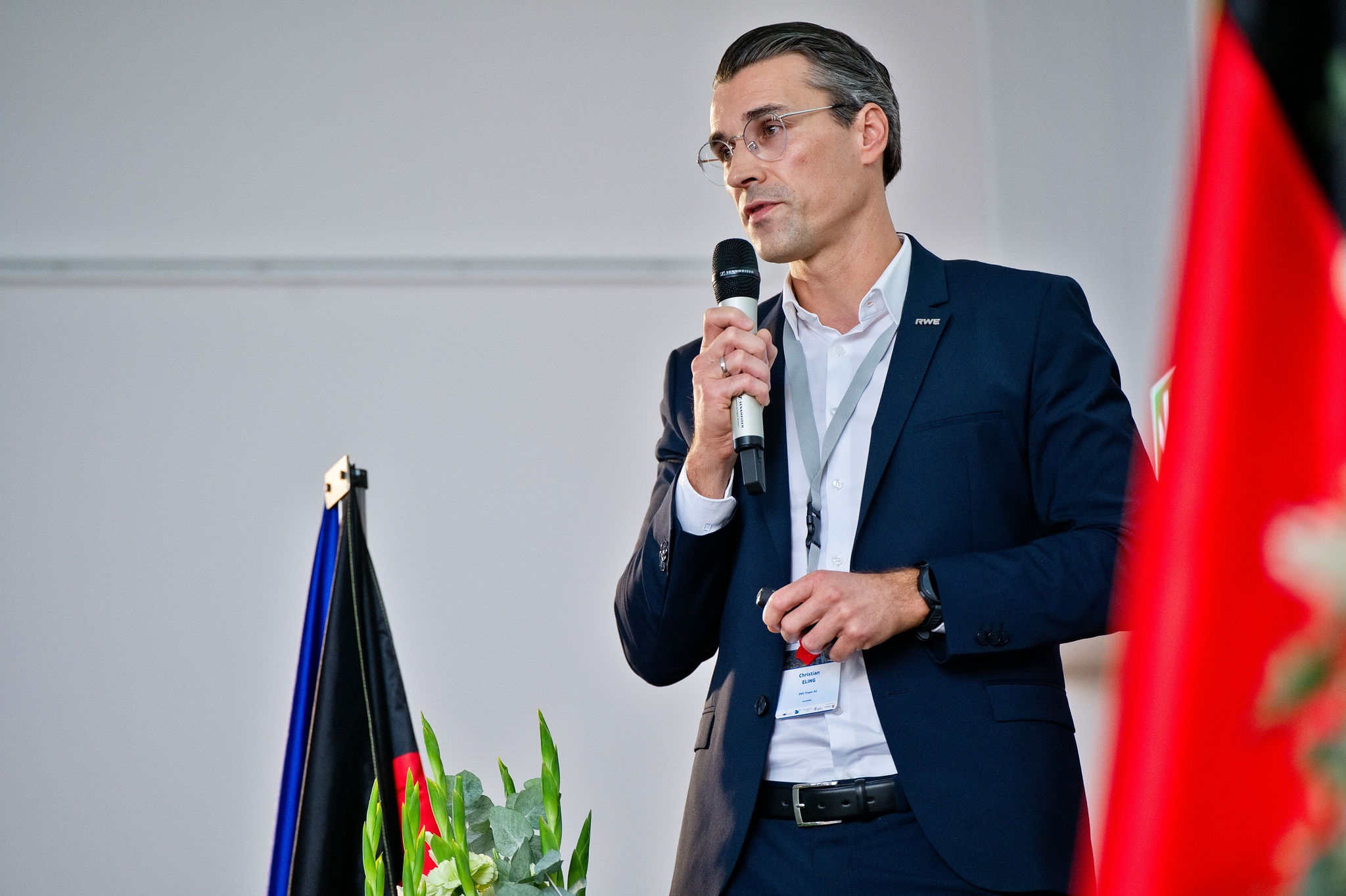
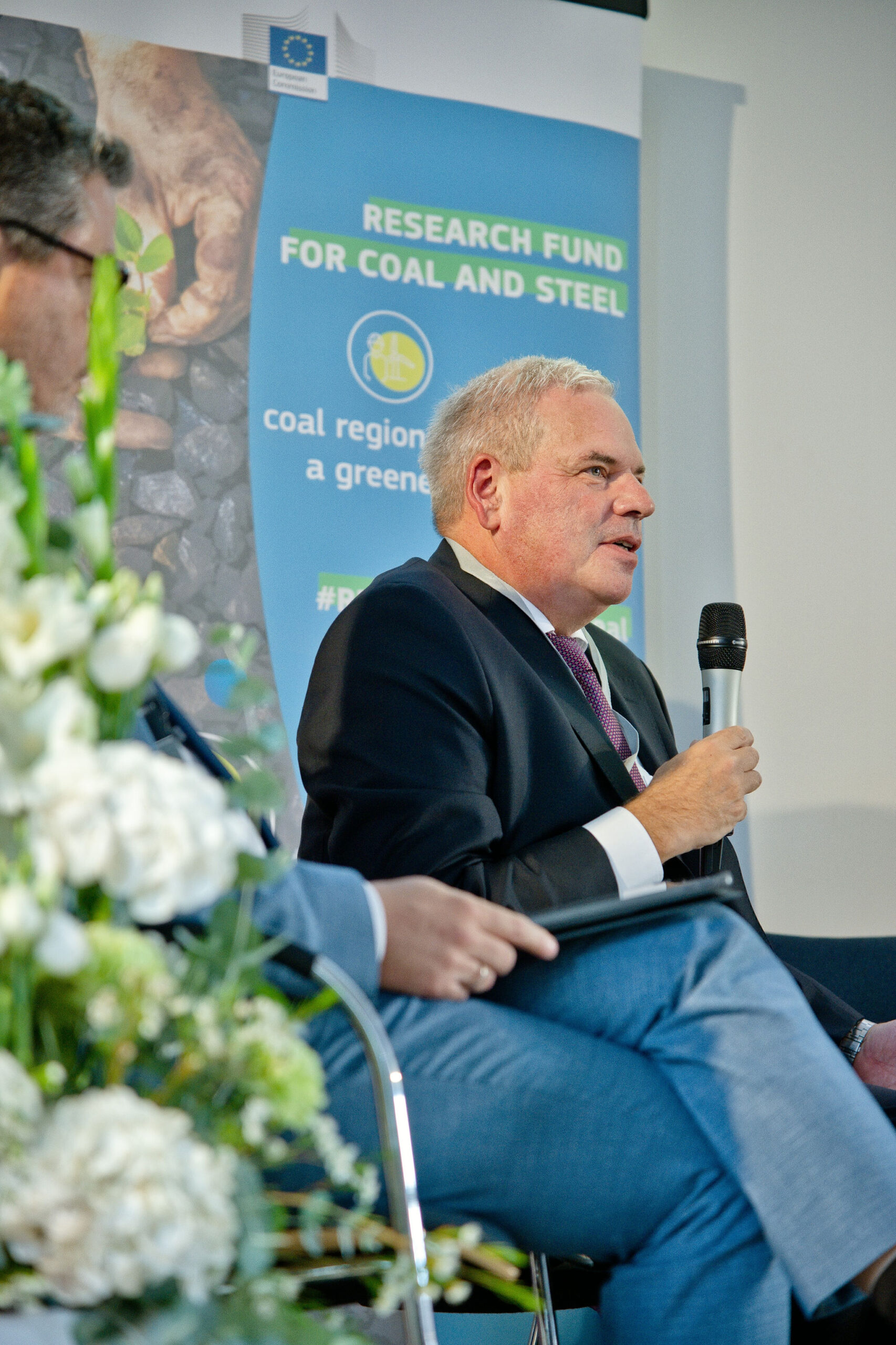
The second panel also featured numerous representatives from academia, industry, and politics. Among them were Joachim Löchte, Chief Technical Officer of RAG Aktiengesellschaft; Dr. Christian Eling, Head of Mine Planning at RWE Power; and Dr. Frank Dudda, Mayor of the City of Herne. Their contributions made clear that structural transformation requires long-term responsibility – for landscapes, water, infrastructure, and the people of the regions.
The European dimension was also clearly evident: representatives from Poland, Spain, the Czech Republic, Greece, and other regions shared their experiences of phasing out coal, reclaiming mining sites, and building new economic prospects. Veronica Manfredi, Director for Zero Pollution, Water Resilience and Green Urban Transition at the European Commission, also provided important perspectives on water resilience and the responsible management of natural resources. She addressed the challenges posed by climate change, including the impacts of increasingly frequent droughts.
Experiencing Structural Transformation First-Hand
The diverse forms transformation can take were demonstrated through three excursions held at the conclusion of the conference. One group of participants visited the nearby Hoheward Landscape Park, located on the grounds of the former Ewald colliery in Herten. Once a mining spoil heap, the site is now a distinctive destination for recreation, culture, and leisure, offering sweeping views across the Ruhr region.
The second group explored the UNESCO World Heritage Site of the Zollverein Coal Mine Industrial Complex in Essen. The site is a prime example of how industrial history can be transformed into a place for culture, education, business, and tourism. The excursion was complemented by a visit to the BRYCK Innovation Hub, which promotes sustainable technologies and new business models as a centre for innovation and start-ups.
The third excursion took participants to the Garzweiler open-cast lignite mine. There, they gained insights into active mining operations as well as plans for subsequent land reclamation and redevelopment. Topics included the planned creation of a lake in the former mining area, water-management measures, and new prospects for the post-mining landscape.
Shaping the Future of Former Coal Sites
The conference vividly demonstrated that Europe’s coal regions have considerable potential: for renewable energy and energy storage, nature and water protection, new industrial and innovation sites, and sustainable regional value creation. At the same time, it became clear that this potential can only be realised through close cooperation between research, policymakers, economic stakeholders, and local communities. It was also evident that Bochum was an outstanding host for the European dialogue on a just, innovative, and sustainable future for former coal regions – not only because of its lived experience of structural transformation and visible mining heritage, but also because of its role as a city of science and research.
The Organisers of the High-Level Event
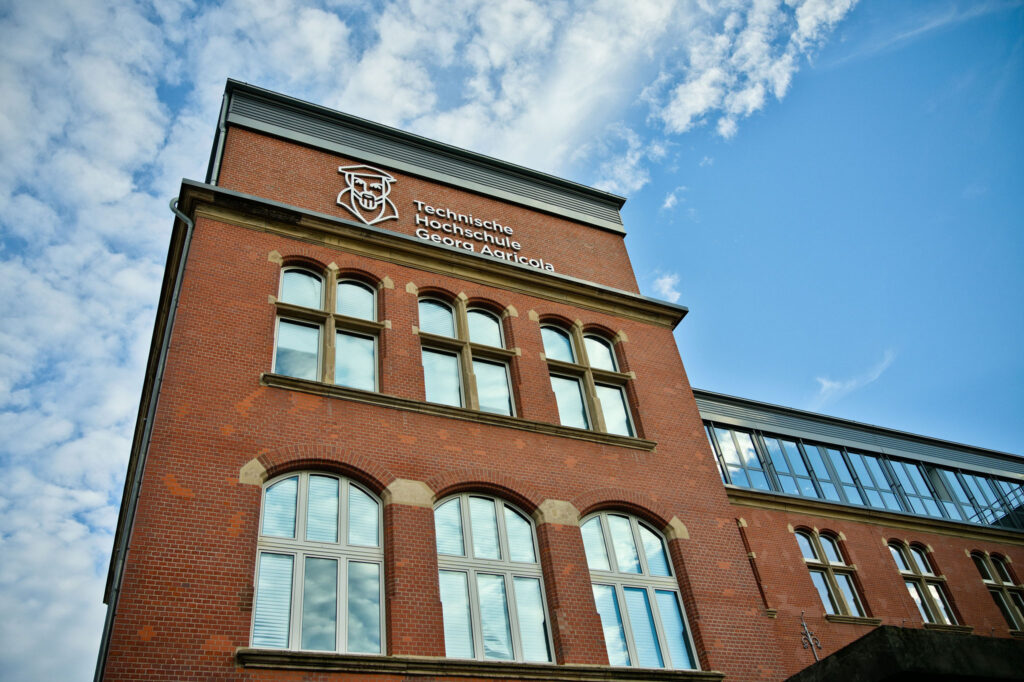
Under the patronage of the Government of North Rhine-Westphalia, the conference “Clean Energy, Restored Lands: The Path Forward for Coal Regions” was jointly organised by the European Research Executive Agency, which manages the Research Fund for Coal and Steel; the European Association for Coal and Lignite (EURACOAL); the Technische Hochschule Georg Agricola; and the European Commission’s Coal Regions in Transition Initiative.
More information about the event can be found here.