© Jennifer Zumbusch / Haus der Geschichte
A black chunk of coal weighing around seven kilograms took center stage at the Haus der Geschichte in Bonn on thursday. During the ceremonial handover of the last piece of hard coal mined in Germany to the museum, researchers from the Research Center of Post-Mining (FZN) at the Technical University Georg Agricola (THGA) took the opportunity to present their research to Germany’s head of state and First Lady Elke Büdenbender.
The last piece of hard coal mined in Germany will no longer remain at Bellevue Palace, but will instead be preserved as an important historical artifact at the Haus der Geschichte of the Federal Republic of Germany However, the ceremonial handover on July 9, 2026, attended by former miners, was not focused solely on the past and on honoring hard coal mining as a socially and economically defining part of German history. It also provided a special opportunity to show the German president how mining history is being transformed into knowledge for the future at THGA.
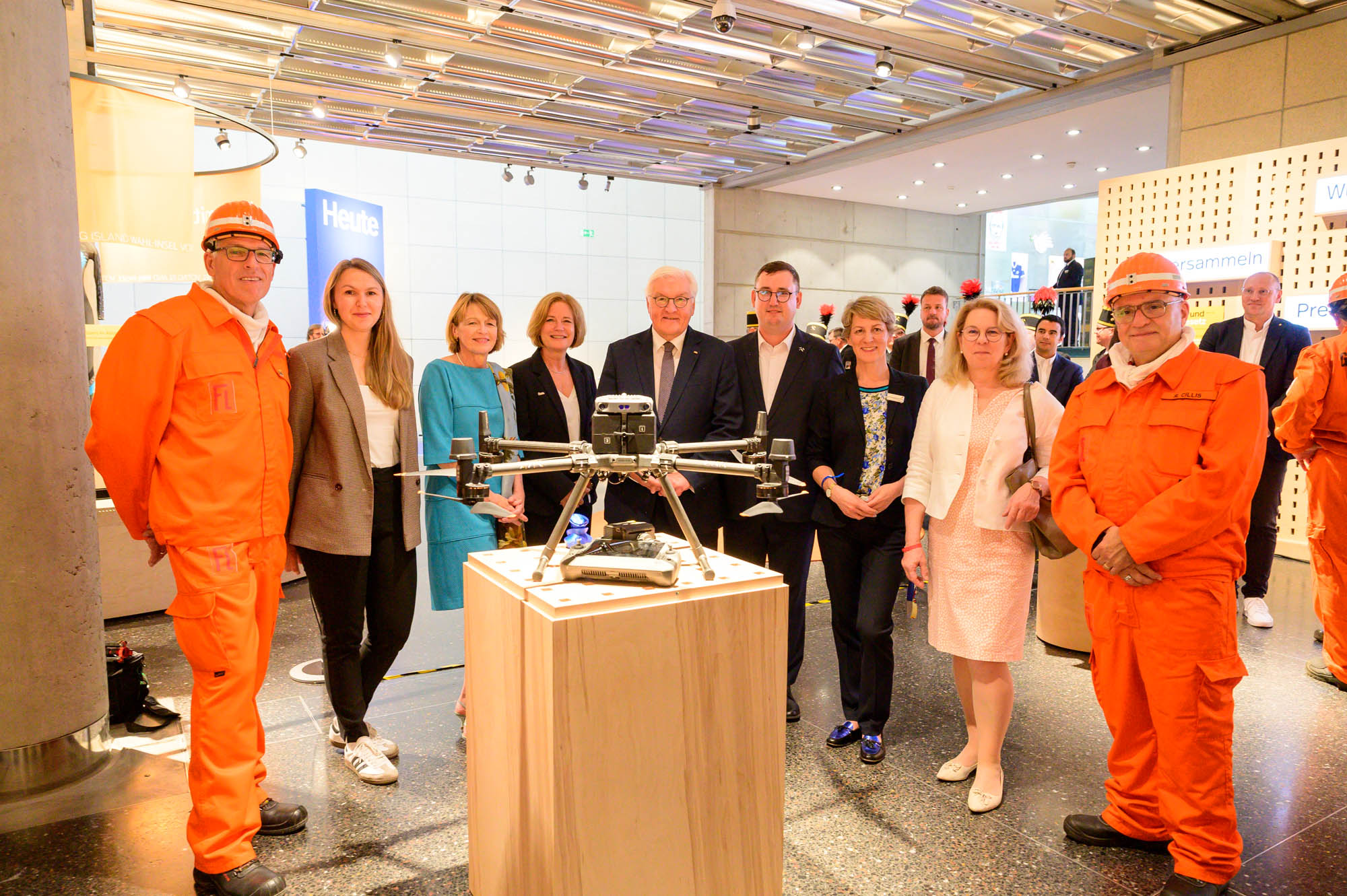
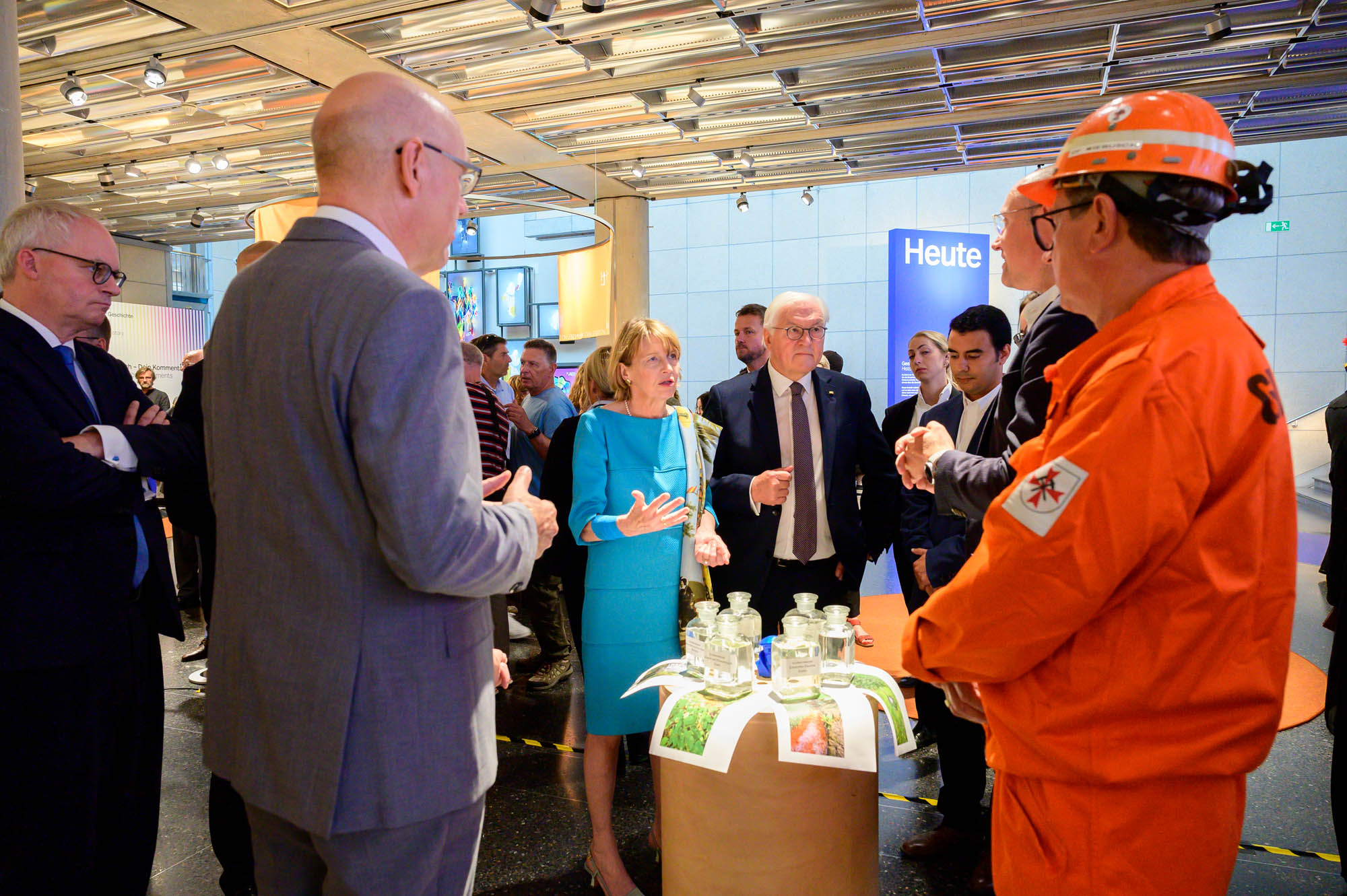
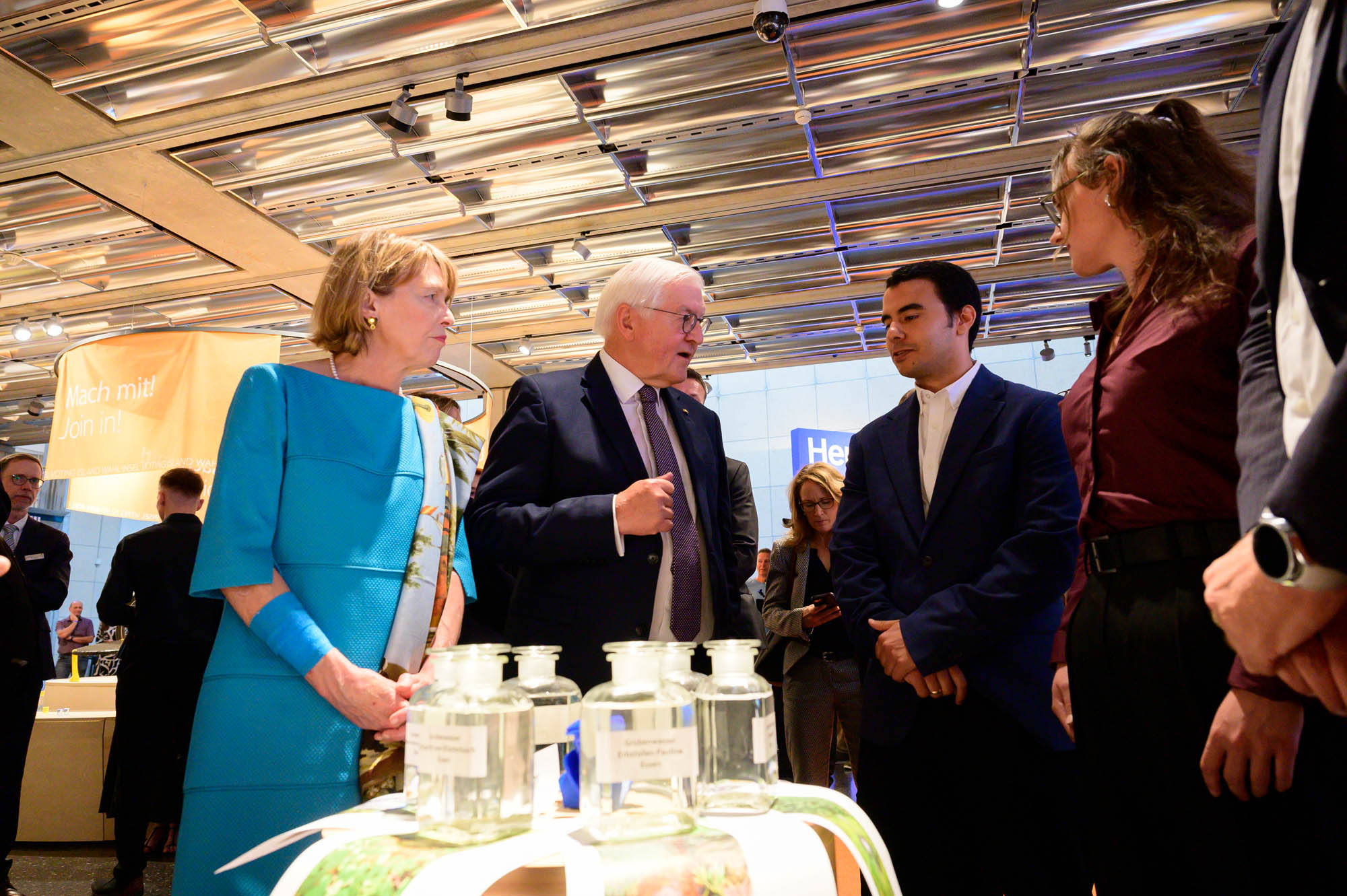
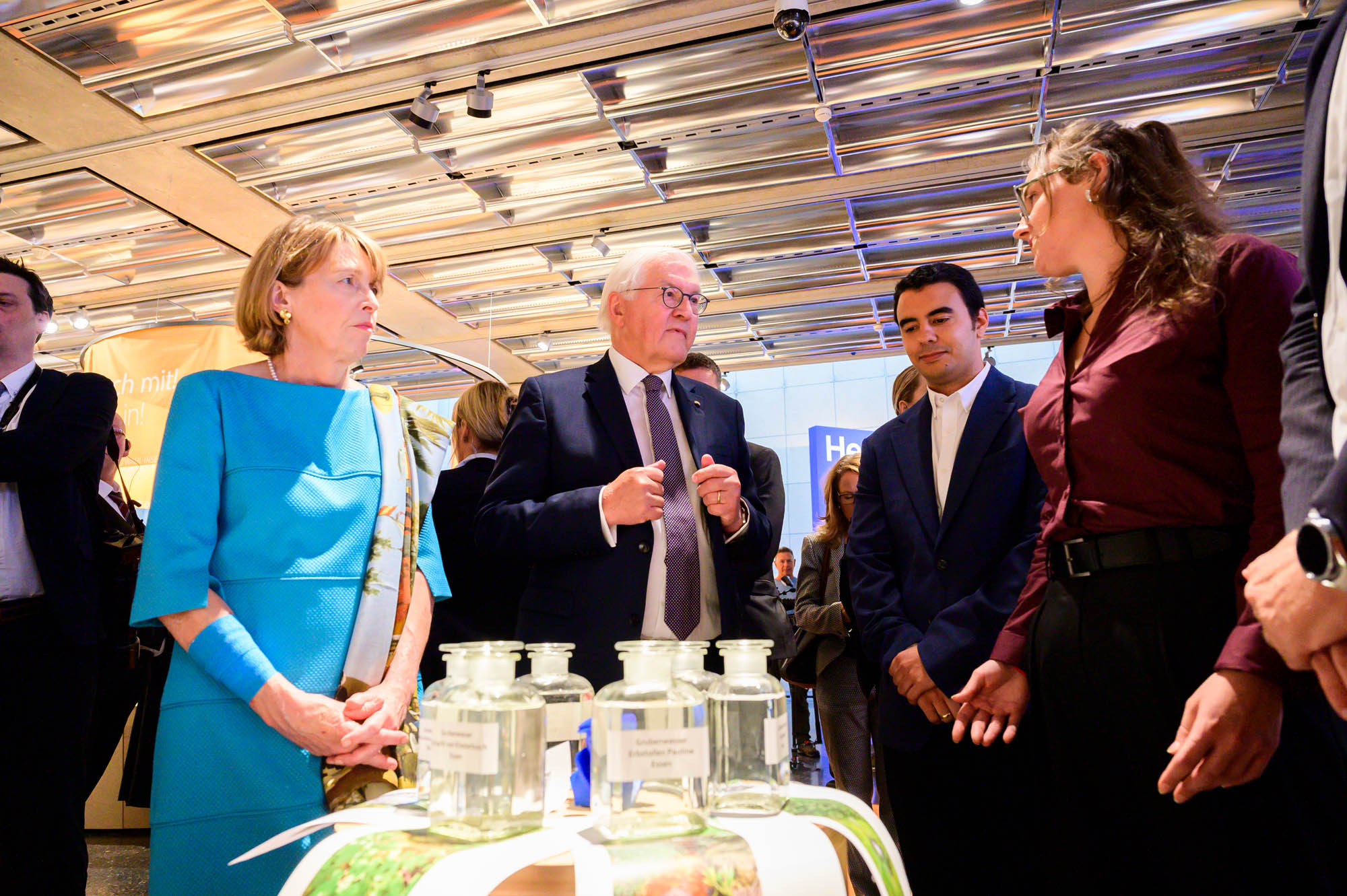
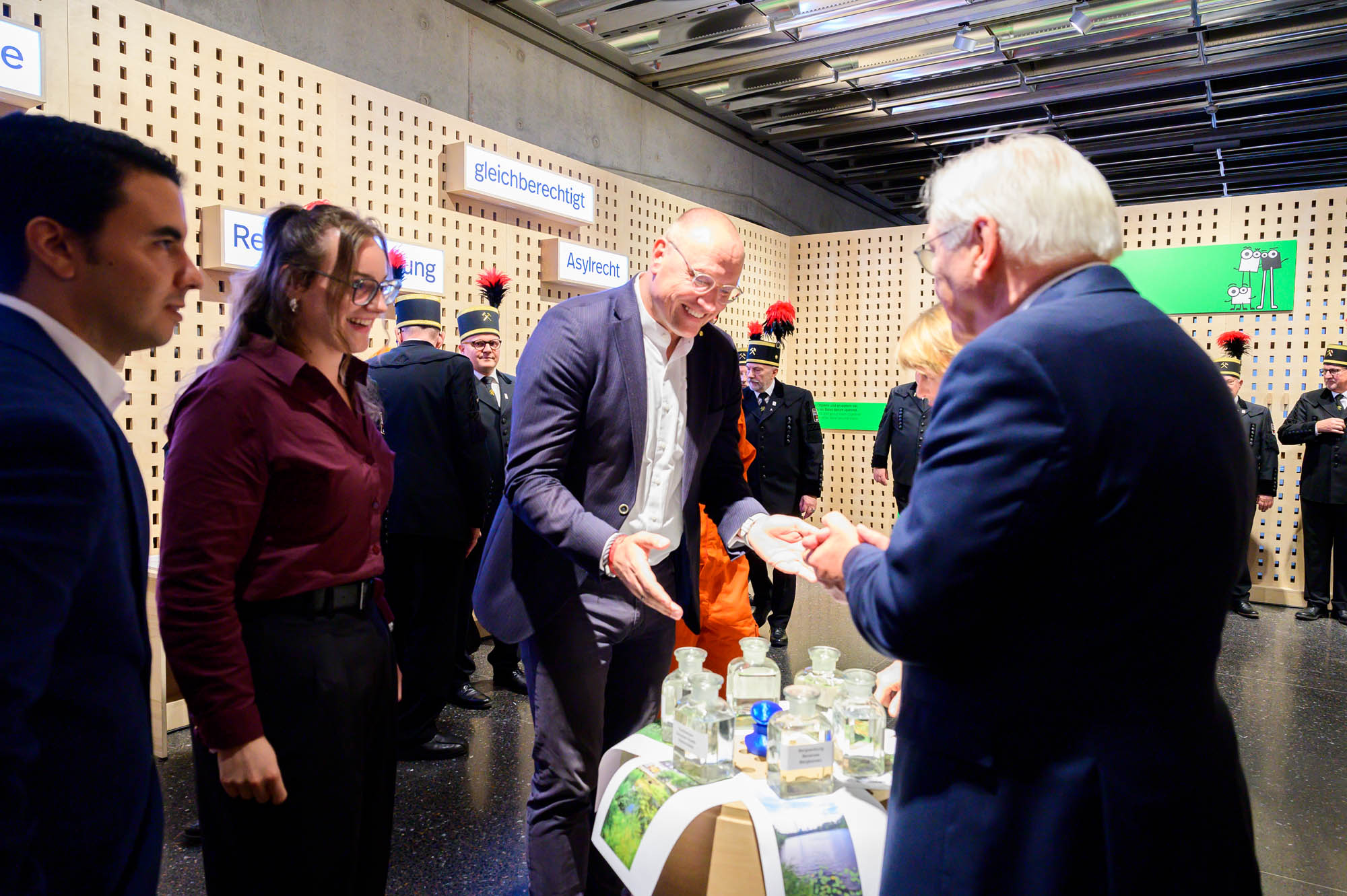
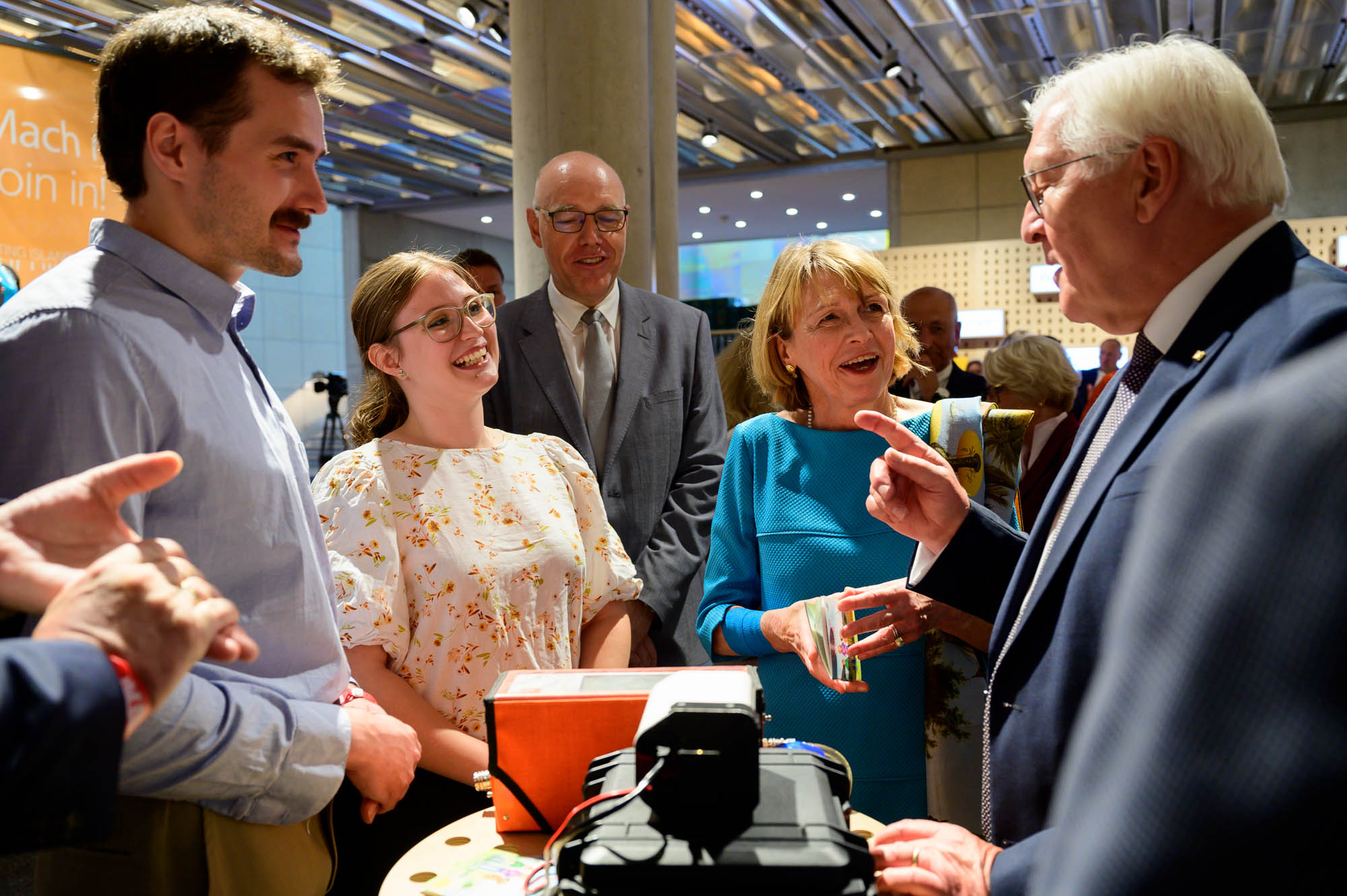
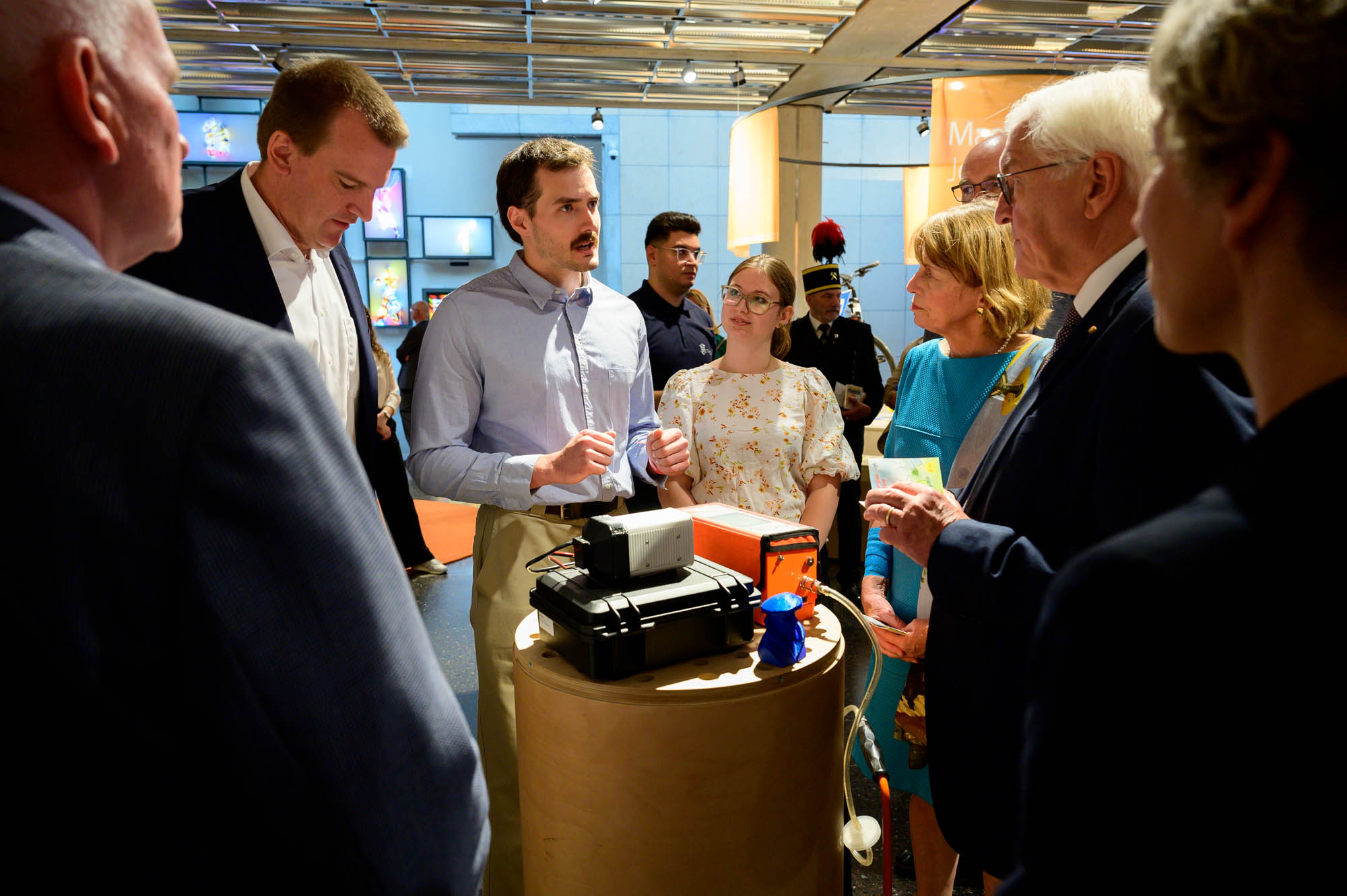
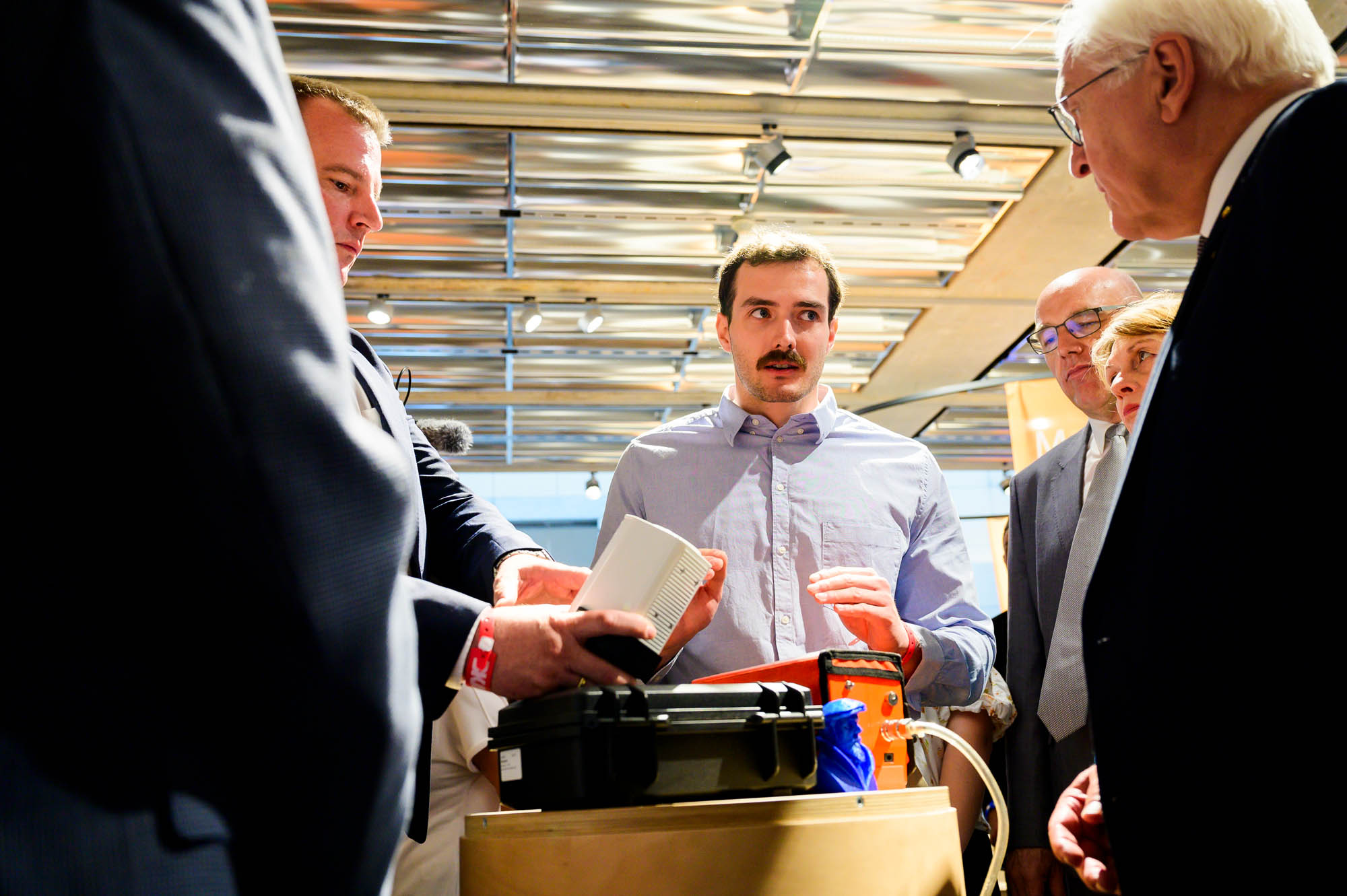
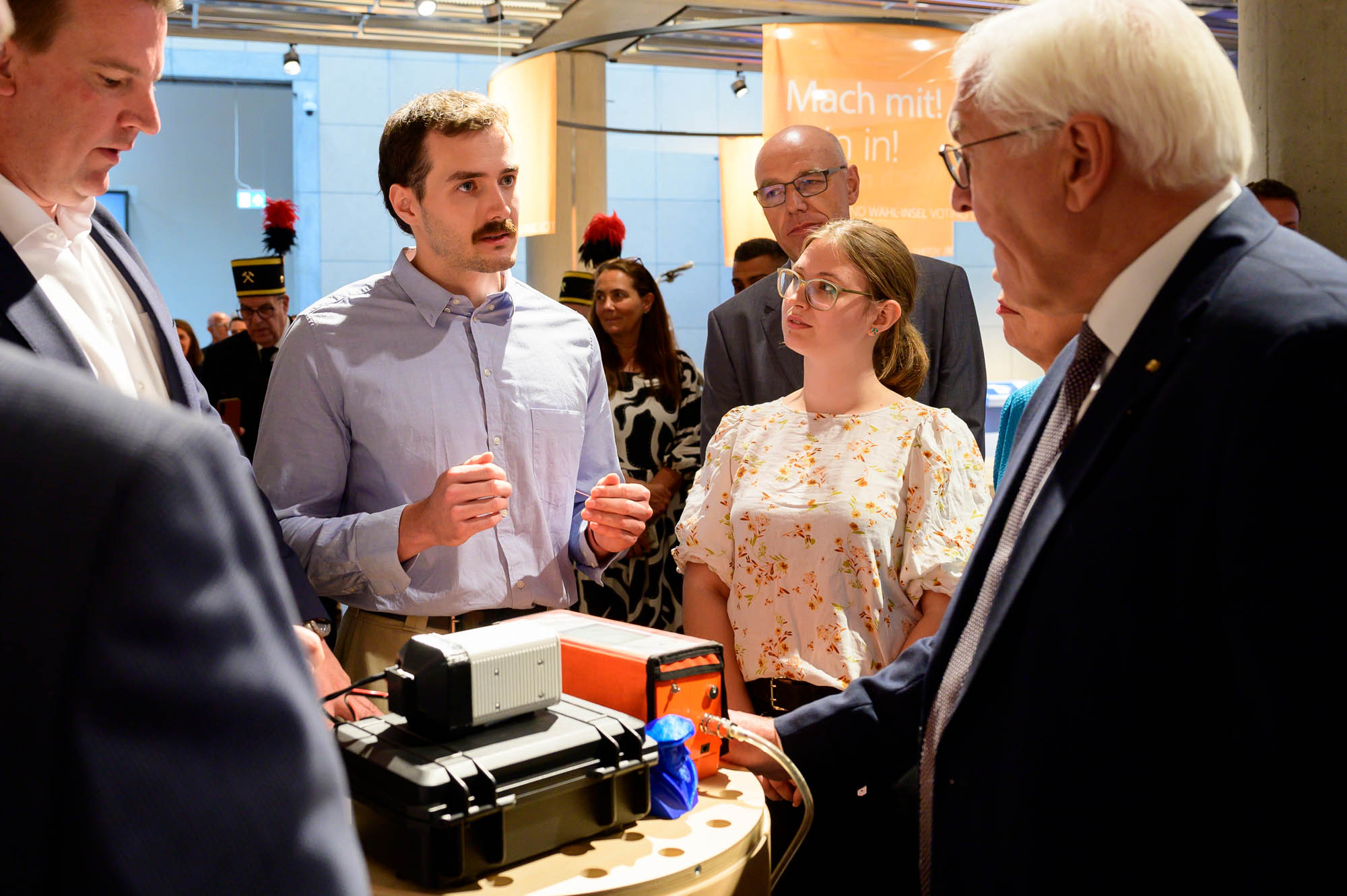
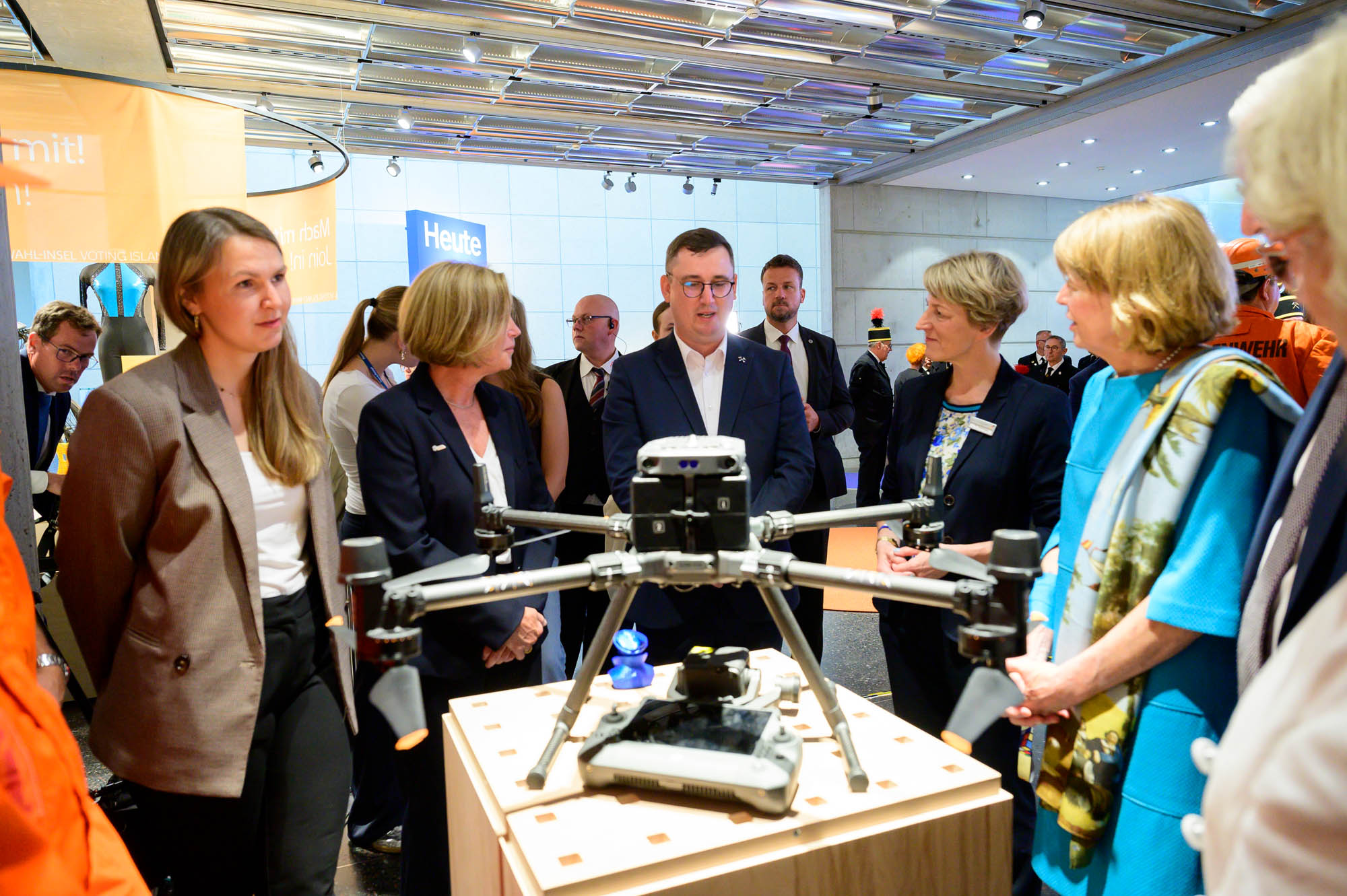
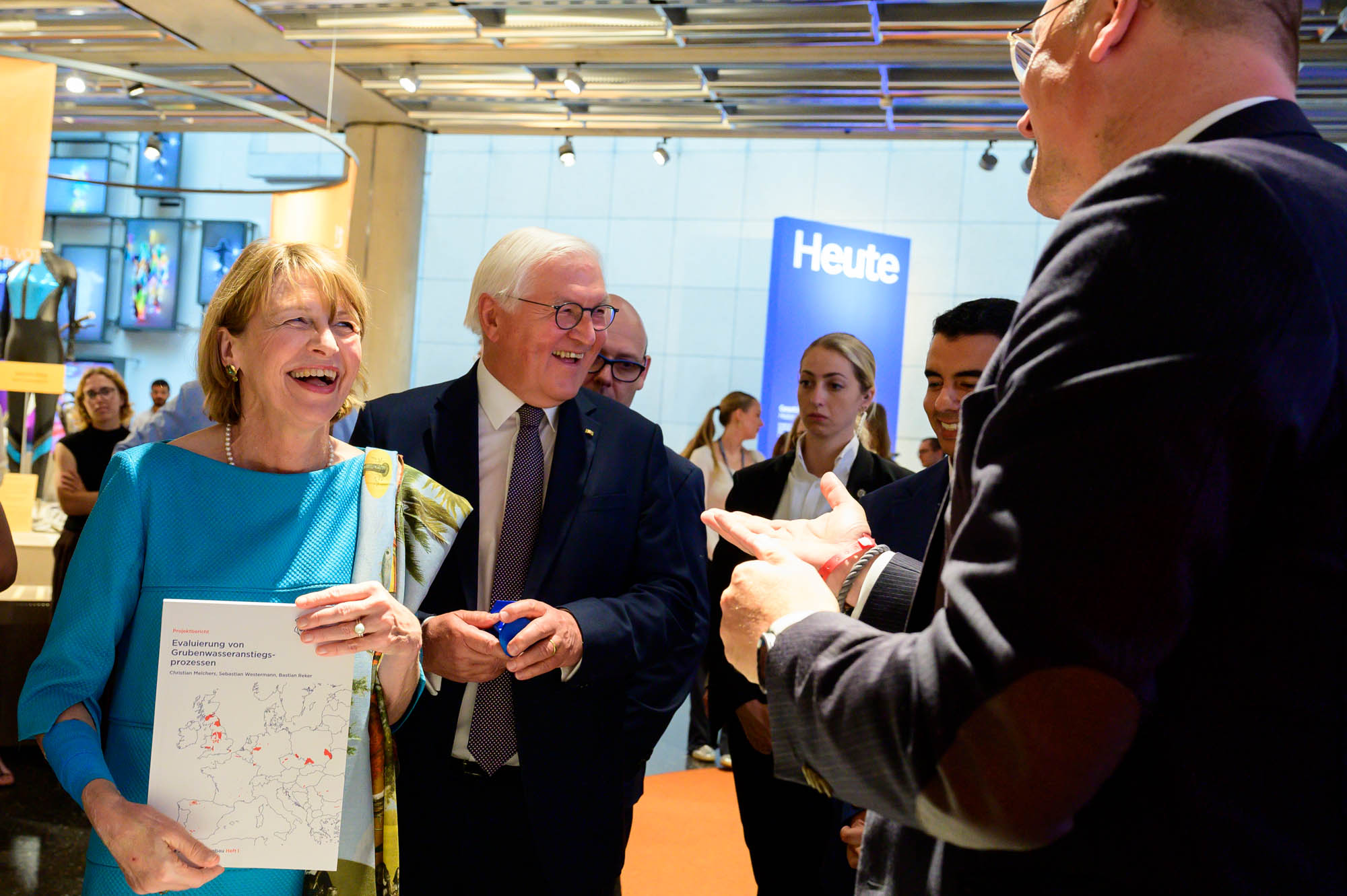
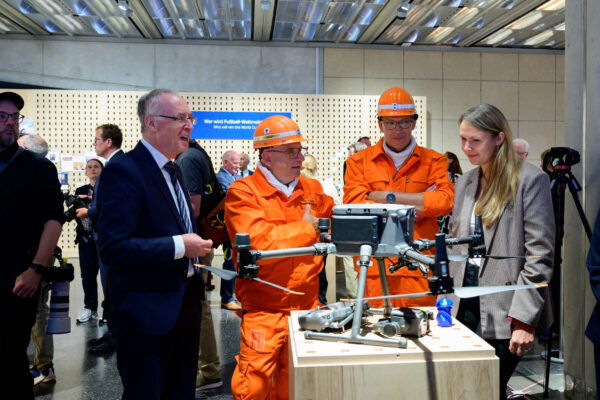
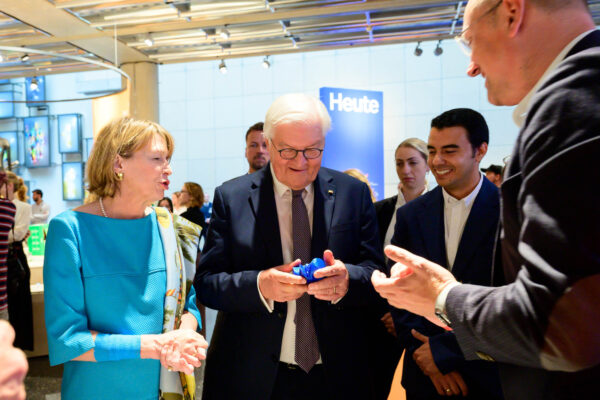
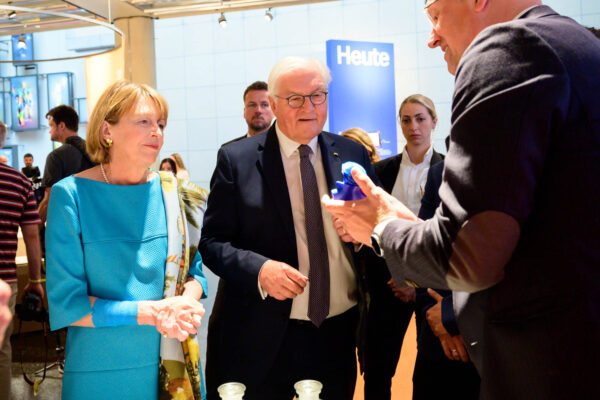
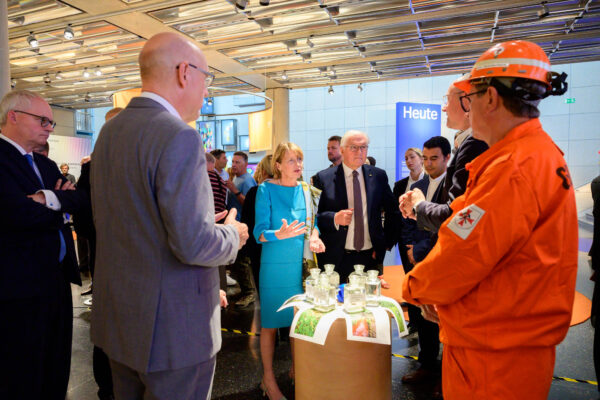
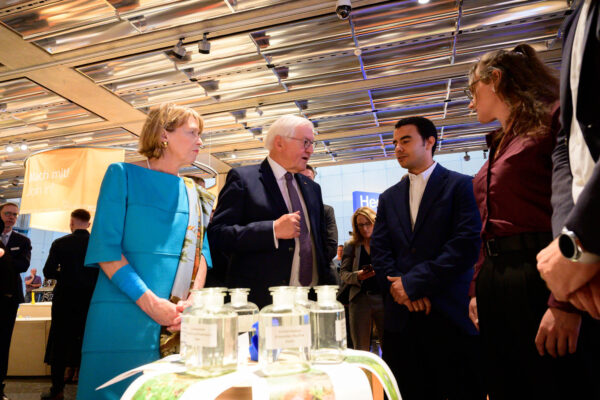
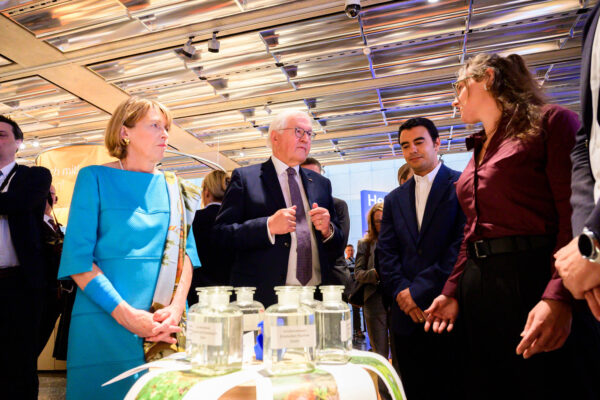
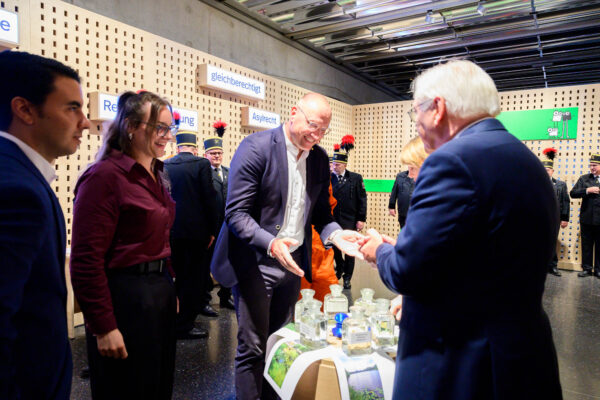
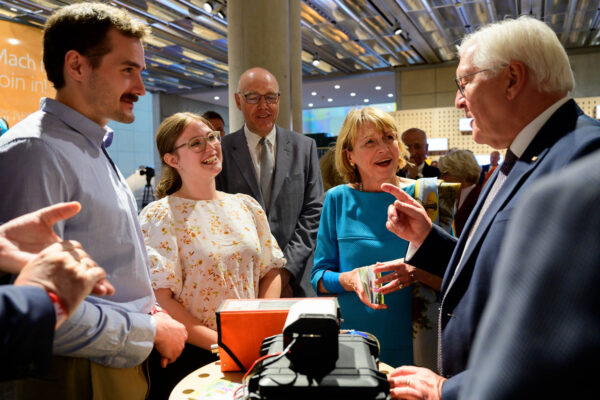
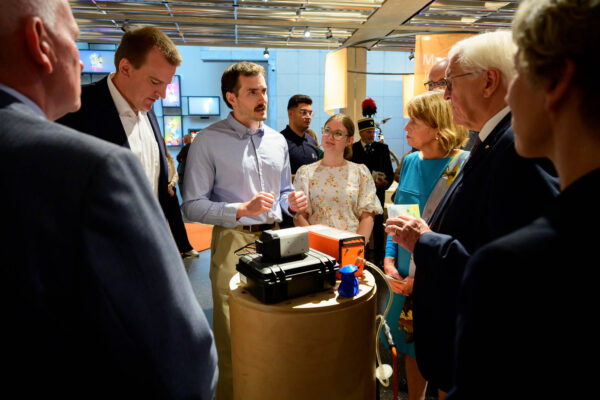
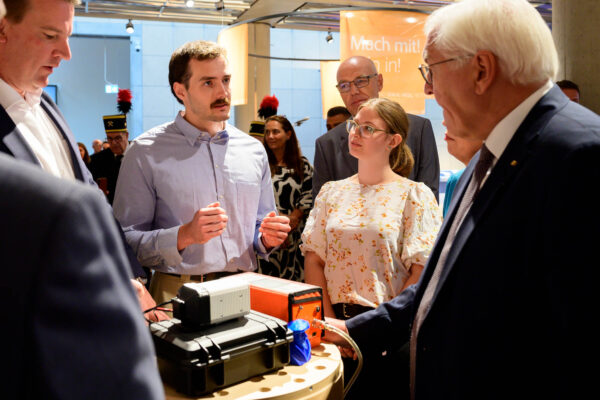
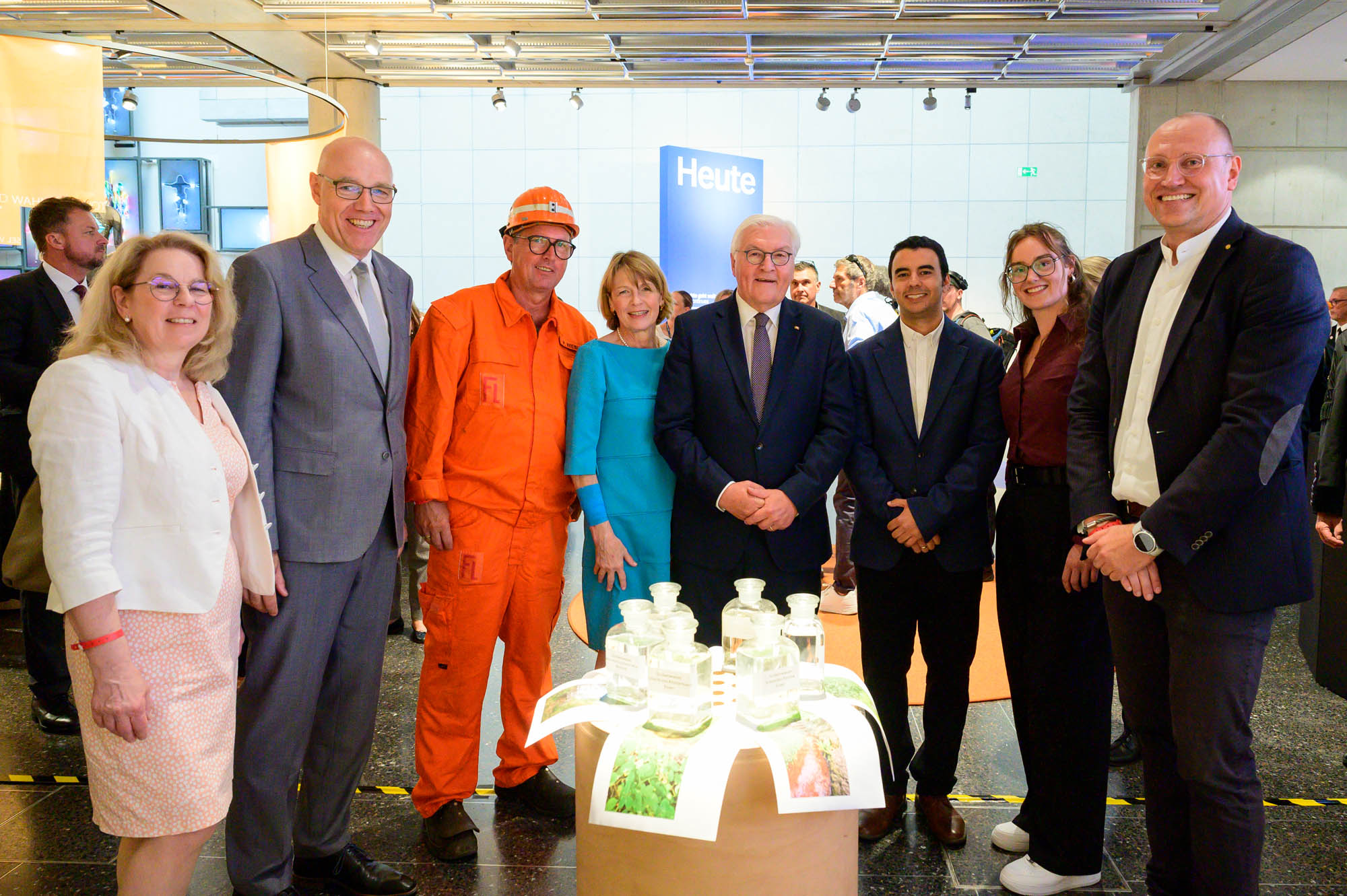
During discussions at themed tables, German President Frank-Walter Steinmeier talked with THGA students and researchers from the Research Center of Post-Mining (FZN) about the vital role raw materials, engineering, and post-mining transformation will continue to play in Germany.
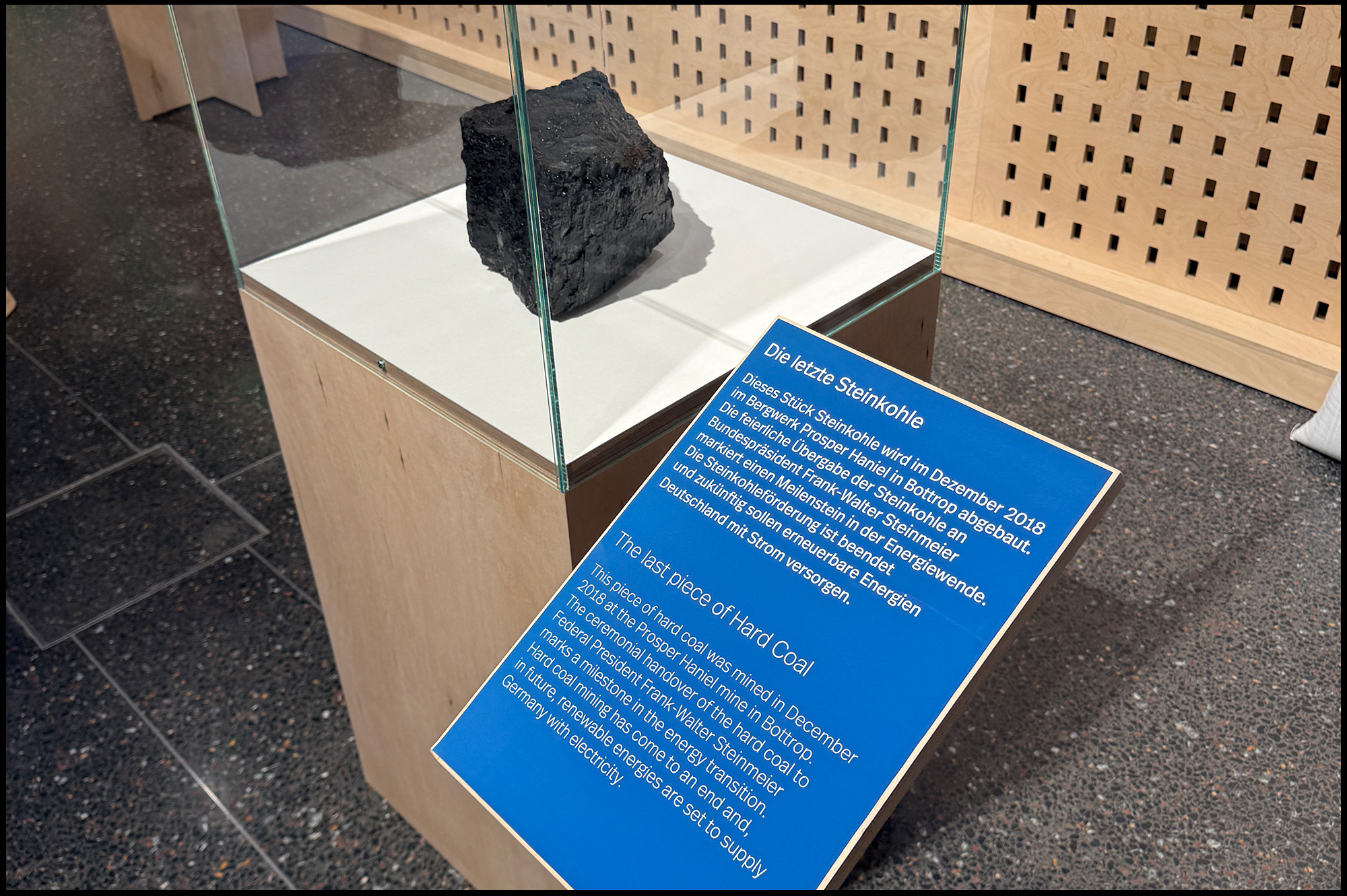
The last piece of hard coal mined in Germany symbolizes the end of a long and influential era in German history. Photo: FZN
© Jennifer Zumbusch / Haus der Geschichte
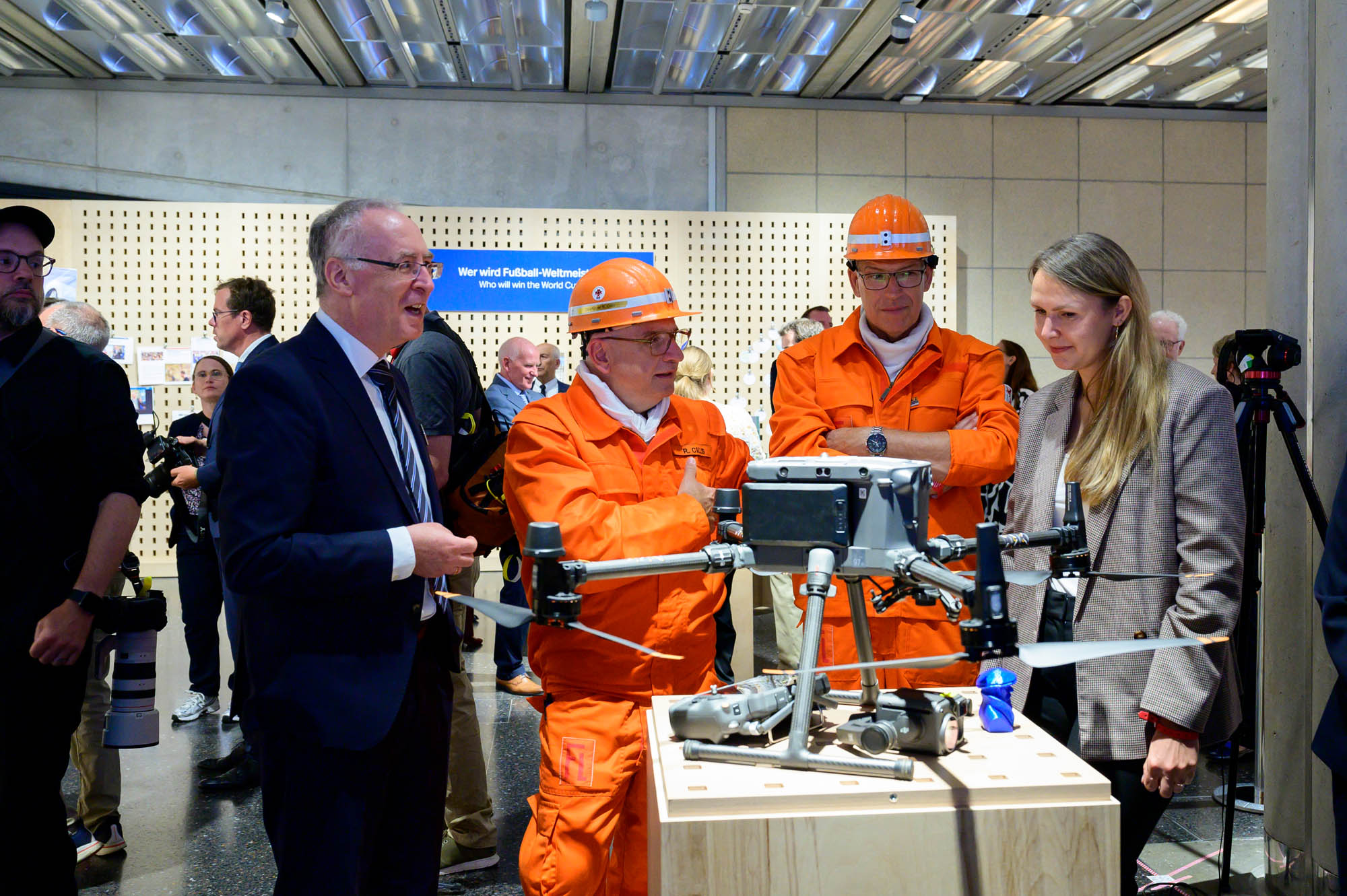
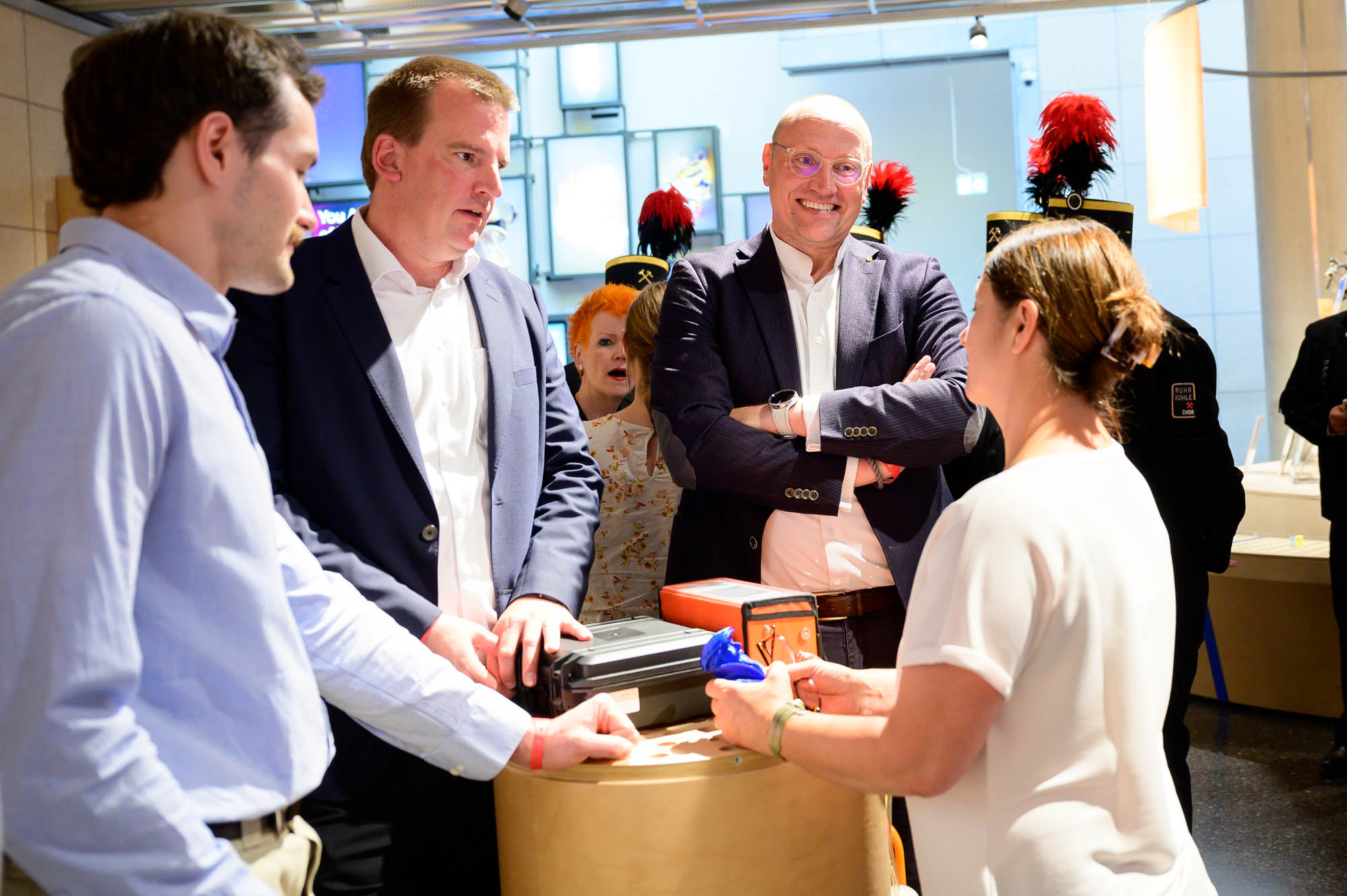
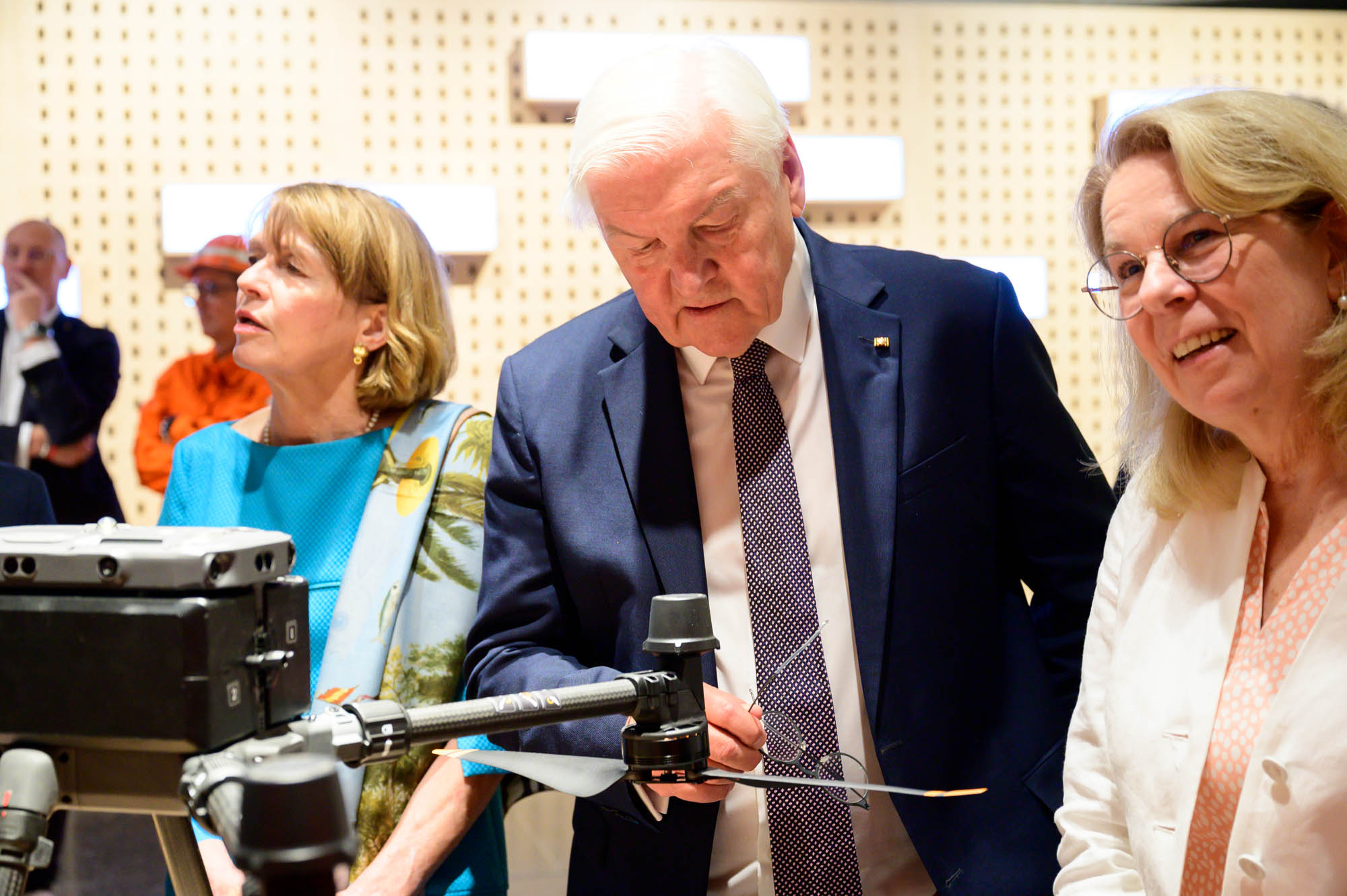
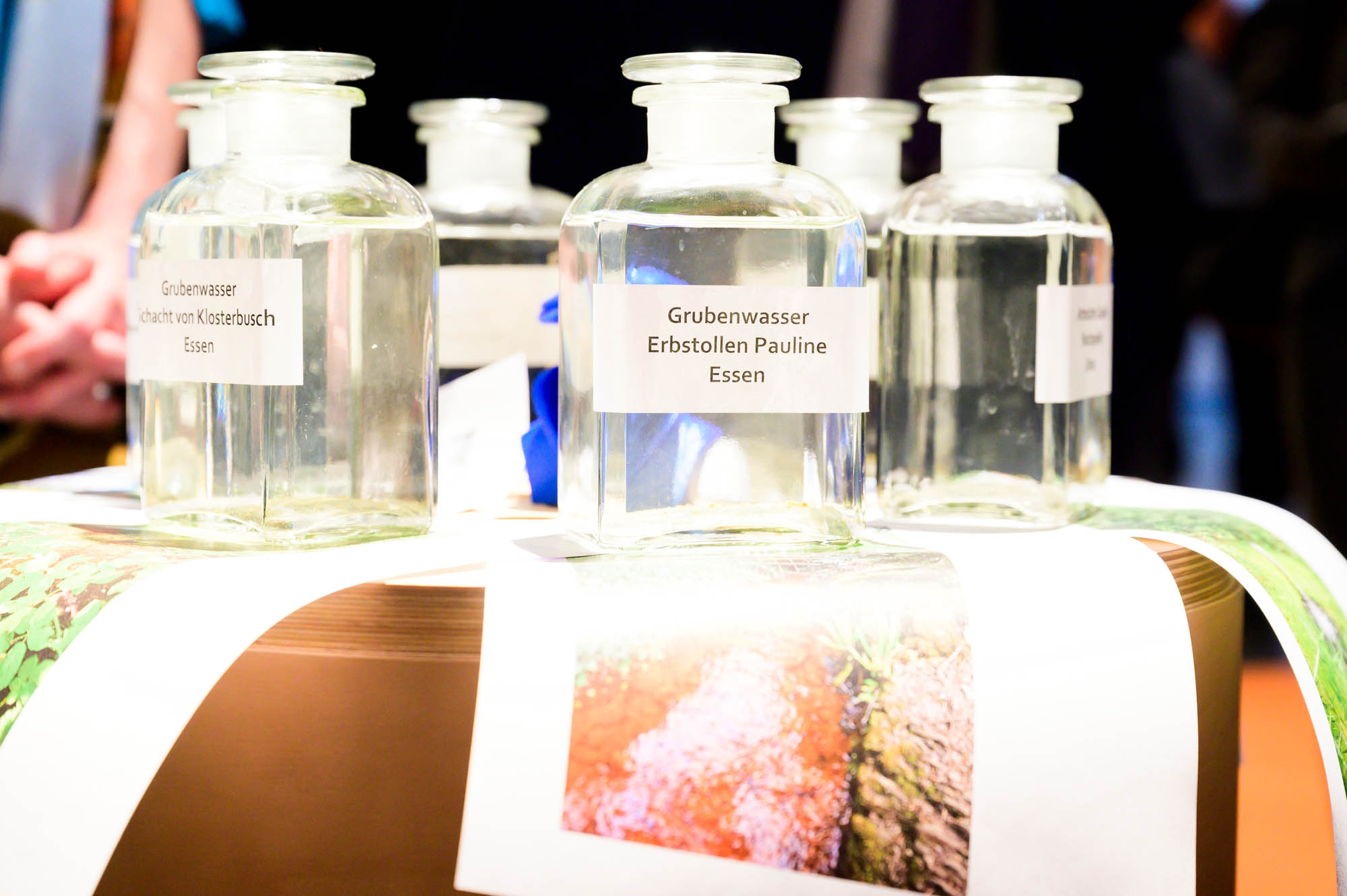
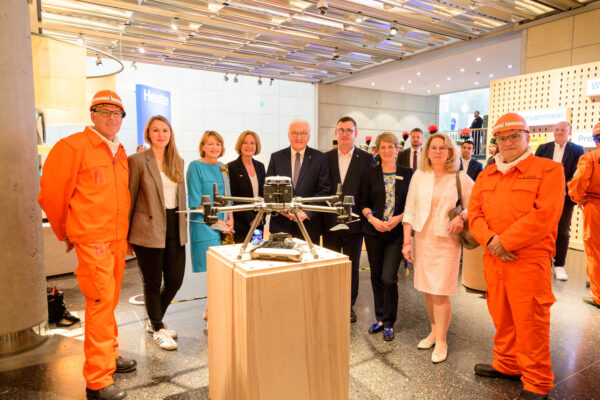
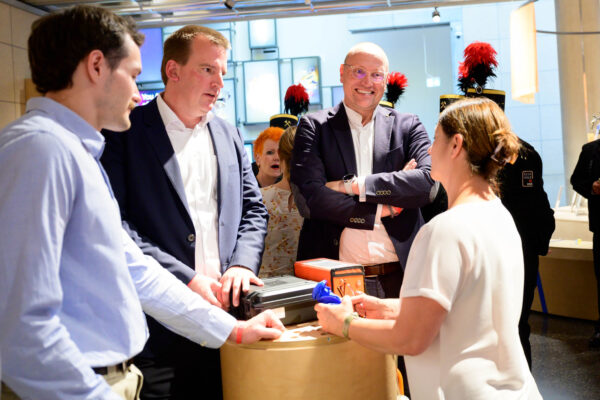
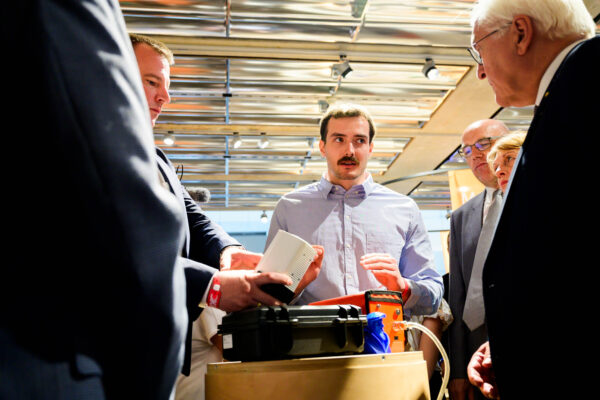
The discussion made clear just how closely mining tradition and future-oriented topics are connected at THGA and the Research Center of Post-Mining (FZN). Master’s student Jule Gleba and doctoral researcher Vinicius Inojosa, for example, demonstrated the opportunities presented by mine water and post-mining—particularly for sustainable georesources, water management, environmental monitoring, and the reuse of former mining sites. The strong interest that German President Frank-Walter Steinmeier and Elke Büdenbender showed in science was also evident during the presentation of the research center’s everyday tools and technologies. Dr.-Ing. Marcin Pawlik, among others, used a drone he had brought along to explain its sensor systems and wide range of applications in geomonitoring, while THGA master’s student Max Kersten presented equipment used to analyze mine water.
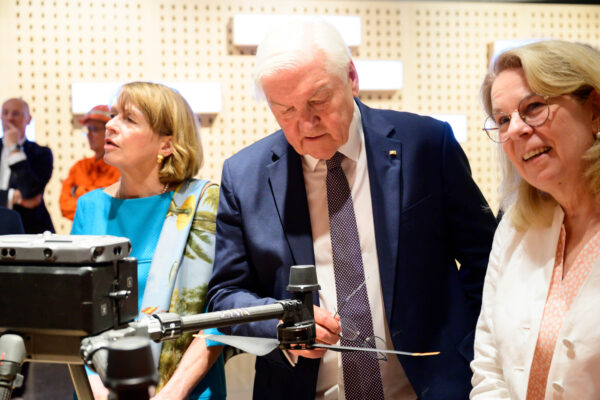
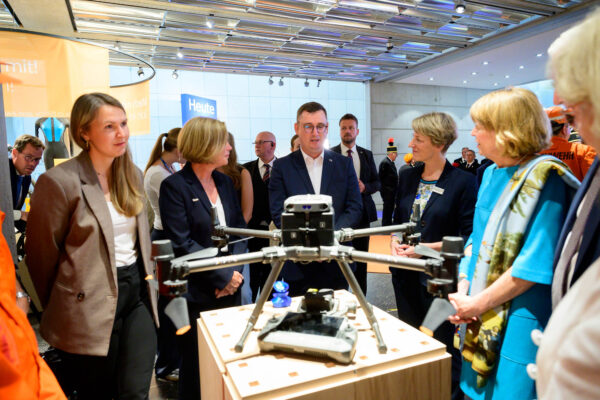
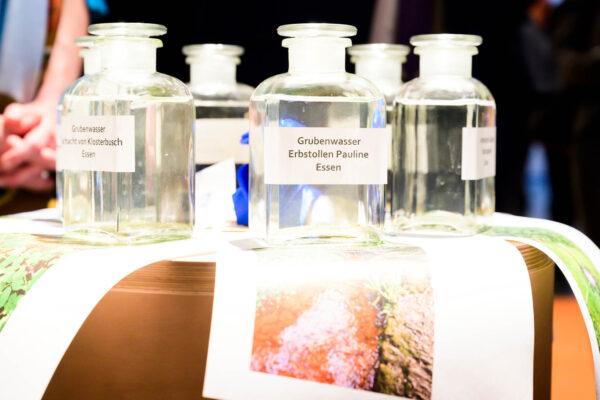
© Jennifer Zumbusch / Haus der Geschichte
The Participants
- Prof. Susanne Lengyel (president of the THGA)
- Prof. Dr. rer.-nat. Christian Melchers (Director of the FZN / Vice President of THGA)
- Prof. Dr. rer.-nat. Tobias Rudolph (Professor at THGA / Head of the master’s degree program in Georesource Engineering / Head of the “Geomonitoring in Former and Post-Mining Areas” research division at the FZN)
- Malin Chrzon (Research Associate and Doctoral Researcher at the FZN)
- Jule Gleba (Research Associate at the FZN / Master’s student in Geoengineering and Post-Mining at THGA)
- Lena Maria Hoppe (Master’s student in Geoengineering and Post-Mining at THGA)
- Vinicius Inojosa (Research Associate and Doctoral Researcher at the FZN)
- Max Kersten (Research Associate at the FZN / Master’s student in Geoengineering and Post-Mining at THGA)
- Dr.-Ing. Marcin Pawlik (Research Associate at the FZN)
- Aslan Ashrafi (University Marketing at THGA)
“A Great Privilege”: Reflections from THGA student Jule Gleba
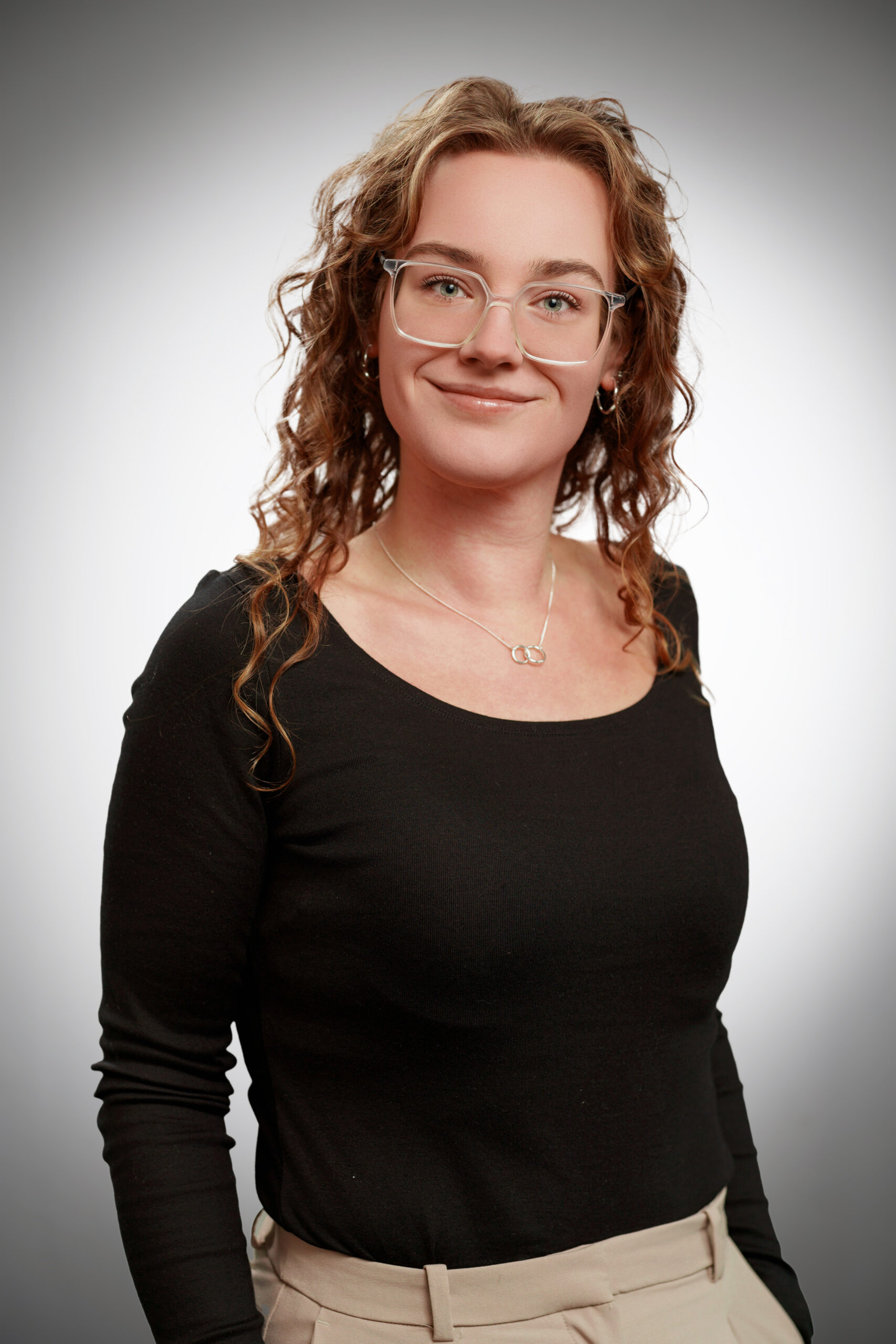 “It was a great privilege for me to take part in this special event and to have the opportunity to personally present part of our work to the German president. The direct exchange provided a valuable opportunity to convey the scientific questions of post-mining and their importance to society. It became clear that the end of hard coal mining in 2018 did not mark the end of dealing with domestic raw materials and the consequences of their extraction. On the contrary, post-mining has given rise to new responsibilities and important fields of research, particularly in sustainable water management, environmental monitoring, and the future-oriented use of former mining regions. As young researchers and students, we are helping to develop innovative solutions to current and future challenges. Being able to share this perspective in such a historically significant place was a special and formative experience for me.”
From the Head of State’s Office to Bonn
German President Frank-Walter Steinmeier’s special connection to the history of hard coal mining in Germany was also reflected in the last piece of hard coal, which was presented to him by miners from the Prosper-Haniel coal mine in Bottrop on December 21, 2018, in an emotional and historic moment. Since then, it had been kept in the head of state’s office at Bellevue Palace; it has now found its permanent home at the Haus der Geschichte in Bonn.
The exhibit, an important symbol of German industrial and social history, is now permanently on display as part of the exhibition “You are part of history: Germany since 1945”.
German President meets THGA students with innovative ideas for post-mining
Following the meeting with the head of state, THGA President Prof. Susanne Lengyel stated: “The last piece of hard coal is a reminder of the end of an industry that shaped the Ruhr region. At the same time, this day shows that something new has emerged from that history. Our students are developing solutions to highly relevant issues of our time. It makes me proud that the German president wanted to meet precisely this young generation. They represent the knowledge and innovative strength that we are carrying out into the world today through the university and our Research Center of Post-Mining.”
© Jennifer Zumbusch / Haus der Geschichte
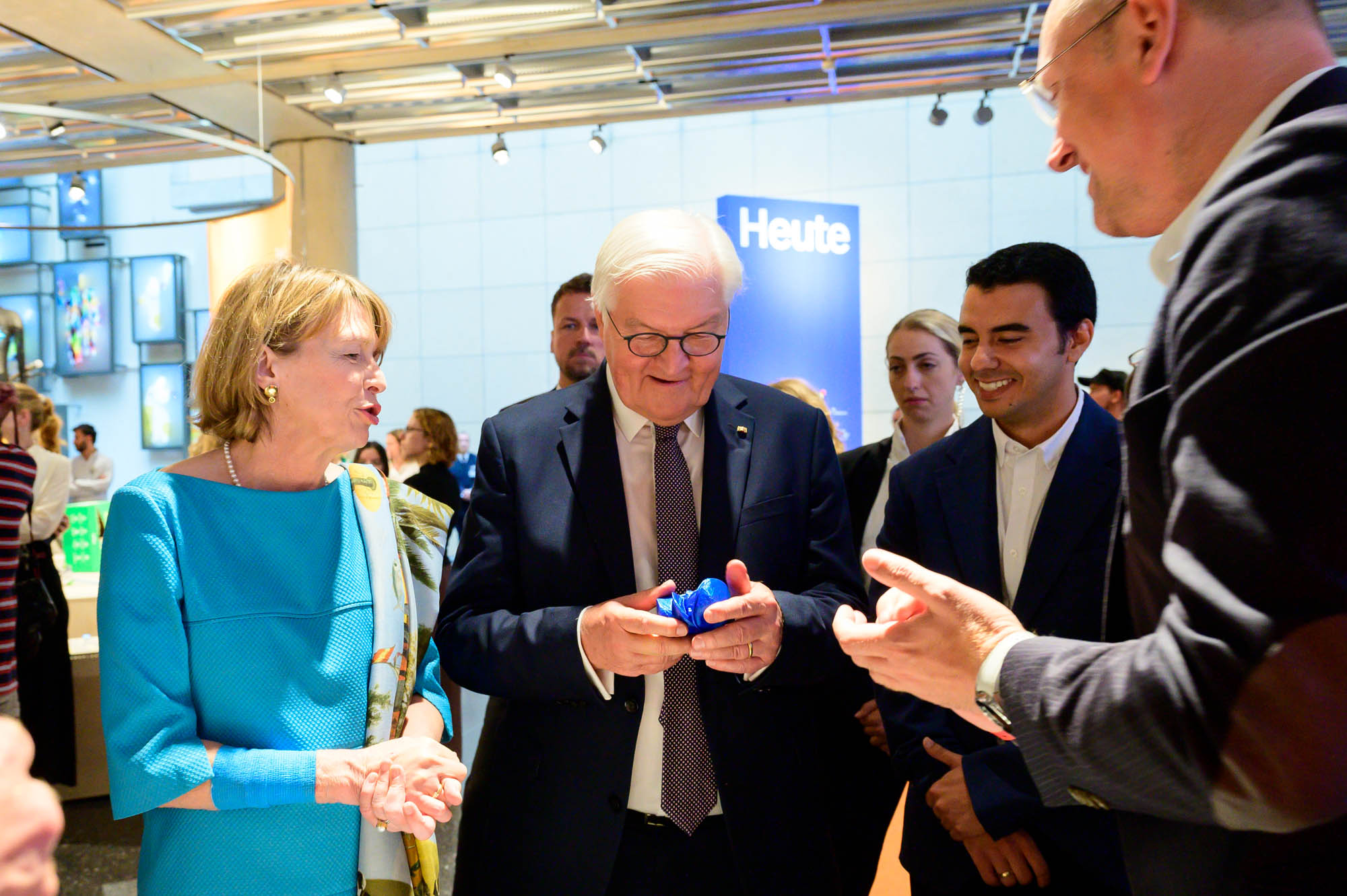
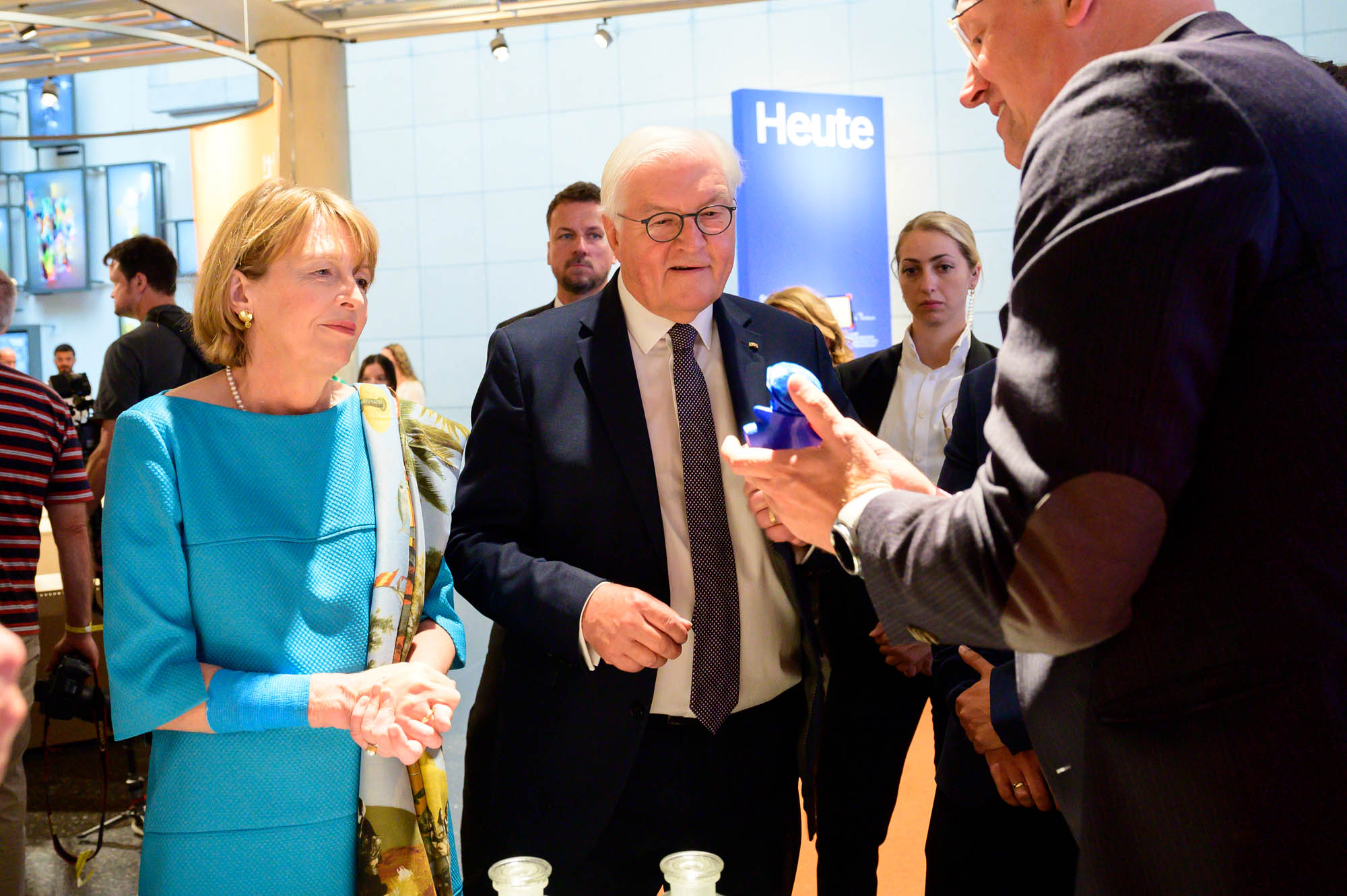
Prof. Christian Melchers, Director of the Research Center of Post-Mining (FZN), also expressed great appreciation for this special day, during which the German president and his wife, Elke Büdenbender, took plenty of time for conversation and learned in very concrete terms about innovative post-mining research at the themed discussion tables. On this occasion, Prof. Christian Melchers presented the German president with a small 3D-printed bust of Georg Agricola, a symbol closely associated with THGA. Meanwhile, Prof. Tobias Rudolph presented a compact and accessible educational tool that helps explain post-mining not only to young people: the Pixi booklets "The Post-Mining Detectives", which have long been published by the Research Center of Post-Mining.
Prof. Tobias Rudolph, head of the research focus area “Geomonitoring in Former and Post-Mining Areas,” underscored the forward-looking perspective of the presentations and discussions:
“It was important to me that this visit did not end with the last piece of coal, but began where our future lies. Mining has shaped Germany, and post-mining is shaping the future. If we understand what has developed beneath our feet, we will be able to extract raw materials more sustainably in the future, use landscapes more intelligently, and develop new technologies.” Prof. Tobias Rudolph’s conclusion underscores both his gratitude for the meeting and the opportunity it provided to convey a post-mining perspective: “Mining has shaped Germany; post-mining is shaping the future. The fact that our students were able to tell this story to the Federal President himself was the real highlight of the day.”